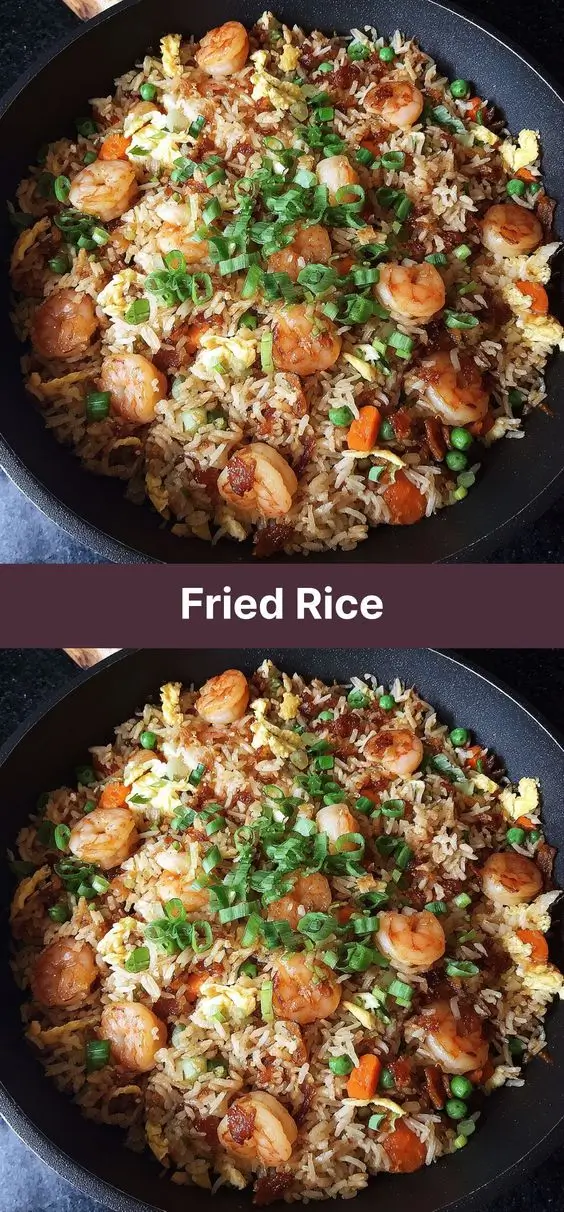
Fried Rice: A Global Culinary Treasure with Endless Possibilities
Introduction
Fried rice is one of the most beloved and widely enjoyed dishes across the globe. From bustling street food stalls in Bangkok to home kitchens in New York, this savory, aromatic dish has captured the hearts—and stomachs—of millions. Its versatility, quick preparation time, and ability to transform leftovers into a gourmet meal make fried rice a staple in many cultures. While it originated in China over 1,500 years ago, fried rice has evolved into countless regional variations, each boasting unique ingredients, cooking techniques, and flavor profiles. Whether you’re a seasoned chef or a beginner cook, mastering fried rice opens up a world of culinary creativity that’s both satisfying and nutritious.
The History
The origins of fried rice trace back to the Sui Dynasty in China (589–618 AD), where resourceful cooks began stir-frying leftover rice with vegetables, meat, and soy sauce to prevent waste. This ingenious method not only preserved food but also enhanced its flavor and texture. As trade routes expanded and Chinese immigrants traveled worldwide, they brought their culinary traditions with them, leading to the adaptation of fried rice in various cuisines. In Japan, it became chāhan; in Korea, boribap; in Thailand, khao pad; and in Indonesia, nasi goreng. Each culture infused local spices, sauces, and proteins, creating a global tapestry of flavors rooted in a simple yet brilliant concept: transforming cold rice into something extraordinary through the magic of high-heat cooking.
Ingredients Breakdown
The beauty of fried rice lies in its simplicity and adaptability. At its core, fried rice consists of cooked rice that’s been cooled and then stir-fried with oil, aromatics, vegetables, protein, and seasonings. Here’s a detailed breakdown of the essential components:
- Rice: Long-grain varieties like jasmine or basmati work well due to their non-sticky texture, but medium-grain white rice is traditional. Crucially, the rice should be cold and slightly dry—ideally refrigerated overnight—to prevent mushiness during frying.
- Oil: A neutral oil with a high smoke point such as peanut, canola, or vegetable oil is ideal for stir-frying. Sesame oil is often added at the end for fragrance.
- Aromatics: Minced garlic, finely chopped ginger, and sliced green onions form the flavor foundation. Shallots are also common in Southeast Asian versions.
- Vegetables: Common additions include peas, carrots, bell peppers, corn, broccoli, mushrooms, and bean sprouts. These add color, texture, and nutrients.
- Protein: Options range from diced chicken, pork, shrimp, beef, tofu, to even Chinese sausage or ham. Pre-cooked proteins are typically used for safety and even heating.
- Seasonings: Soy sauce (light and dark), oyster sauce, fish sauce, hoisin sauce, rice vinegar, salt, and white pepper contribute depth and umami. Some recipes call for a splash of Shaoxing wine for complexity.
- Eggs: Scrambled into the rice, eggs add richness and help coat individual grains, giving fried rice its signature texture.
Step-by-Step Recipe
- Prepare Ingredients: Chop all vegetables and proteins into small, uniform pieces. Beat 2–3 eggs in a bowl and set aside. Ensure your rice is cold and clump-free—break apart any large chunks with a fork.
- Heat the Wok or Pan: Place a wok or large skillet over high heat. Add 2 tablespoons of neutral oil and swirl to coat the surface evenly. The pan must be very hot to achieve the “wok hei” (breath of the wok)—that smoky, charred aroma characteristic of authentic fried rice.
- Cook the Eggs: Pour in the beaten eggs. Let them set slightly, then scramble quickly until just cooked. Remove and set aside on a plate.
- Sauté Aromatics: Add another tablespoon of oil if needed. Toss in minced garlic, ginger, and white parts of green onions. Stir-fry for 20–30 seconds until fragrant—do not burn.
- Add Protein: If using raw meat or seafood, stir-fry until fully cooked. For pre-cooked protein, simply warm through and remove temporarily if overcrowding occurs.
- Stir-Fry Vegetables: Add harder vegetables first (like carrots and peas), stir-fry for 1–2 minutes, then softer ones (like bell peppers or bean sprouts). Cook until crisp-tender.
- Incorporate Rice: Add the cold rice in batches, pressing down gently with a spatula to break up clumps. Spread it out and let it sit briefly to develop a slight sear, then toss continuously for even cooking.
- Add Sauces: Drizzle 2–3 tablespoons of soy sauce (adjust to taste) along the sides of the wok so it caramelizes slightly before mixing in. Add 1 tablespoon oyster sauce or fish sauce for umami depth.
- Combine Everything: Return eggs and protein to the wok. Toss thoroughly to combine. Stir in the green parts of the scallions.
- Finish with Sesame Oil: Remove from heat and drizzle ½–1 teaspoon of toasted sesame oil for a nutty aroma. Toss once more.
- Taste and Adjust: Sample the rice. Add salt, pepper, or additional soy sauce if needed. For heat, consider a few drops of chili oil or sriracha.
- Serve Immediately: Plate hot, garnished with extra scallions, cilantro, or a lime wedge.
Tips
- Use Day-Old Rice: Freshly cooked rice contains too much moisture and will steam instead of fry, resulting in soggy texture. Refrigerating rice overnight dries it out perfectly.
- High Heat is Key: To achieve restaurant-quality fried rice, your pan must be smoking hot. This ensures rapid cooking and prevents stewing.
- Don’t Overcrowd the Pan: Cook in batches if necessary. Overloading lowers the temperature and causes steaming rather than frying.
- Prep Ahead: Mise en place is crucial—have all ingredients chopped, measured, and within reach before starting.
- Break Up Clumps: Use a rice paddle or flat spatula to press and separate rice grains before and during cooking.
- Layer Flavors: Add sauces gradually. Start with less—you can always add more—but you can’t take it away.
- Wok Technique: Keep the ingredients moving constantly for even cooking and to avoid burning.
- Add Umami Boosters: A dash of MSG (if tolerated), fermented black beans, or a spoonful of miso paste can elevate the savoriness.
Variations and Customizations
Fried rice is a canvas for culinary experimentation. Here are some popular regional and creative twists:
- Yangzhou Fried Rice: A classic Chinese version featuring diced ham, shrimp, peas, and scrambled egg, known for its balanced colors and refined presentation.
- Thai Pineapple Fried Rice (Khao Pad Sapparot): Made with pineapple chunks, raisins, cashews, and curry powder, served inside a hollowed pineapple for visual flair.
- Korean Kimchi Fried Rice (Kimchi Bokkeumbap): Uses fermented kimchi, gochujang (red chili paste), and often includes Spam or bacon for a spicy, tangy kick.
- Indonesian Nasi Goreng: Features sweet soy sauce (kecap manis), shrimp paste, candlenuts, and is often topped with a fried egg and crispy shallots.
- Hawaiian Fried Rice: Includes diced pineapple, ham, and sometimes teriyaki-marinated meat, reflecting the islands’ multicultural influences.
- Vegetarian/Vegan Fried Rice: Skip animal products and use tofu, tempeh, or plant-based meats. Substitute fish or oyster sauce with vegan alternatives.
- Kimpira Fried Rice: Infused with Japanese burdock root and carrots sautéed in soy and mirin for an earthy-sweet note.
- Seafood Fried Rice: Packed with shrimp, squid, mussels, and scallops—ideal for coastal regions and seafood lovers.
- Spicy Szechuan Fried Rice: Adds doubanjiang (fermented broad bean paste) and dried chilies for bold heat and complexity.
- Low-Carb Cauliflower Fried Rice: A healthier alternative made with riced cauliflower, perfect for keto or paleo diets.
Health Considerations and Nutritional Value
While delicious, traditional fried rice can be high in sodium, fat, and carbohydrates depending on ingredients and portion size. However, with mindful modifications, it can be part of a balanced diet:
- Calories: A typical serving (1 cup) ranges from 250–400 calories, heavily influenced by oil, protein, and sauce amounts.
- Carbohydrates: White rice provides energy but has a high glycemic index. Brown rice, quinoa, or cauliflower rice offer more fiber and nutrients.
- Protein: Adding lean meats, eggs, or legumes increases satiety and supports muscle health.
- Fats: Using minimal oil and opting for heart-healthy fats like avocado or olive oil (sparingly, due to low smoke point) can reduce saturated fat intake.
- Sodium: Soy and oyster sauces are high in sodium. Use reduced-sodium versions or dilute with water. Enhance flavor with herbs, citrus zest, or vinegar instead.
- Vegetables: Load up on colorful veggies to boost fiber, vitamins (A, C, K), and antioxidants.
- Digestibility: Fermented ingredients like kimchi or natto can aid gut health, while ginger helps with digestion.
- Allergens: Be cautious with soy, shellfish, eggs, and gluten (in some soy sauces)—common allergens present in many fried rice recipes.
Ingredients
- 3 cups cold cooked white rice (preferably day-old)
- 3 large eggs, beaten
- 3 tablespoons neutral oil (peanut, canola, or vegetable), divided
- 3 cloves garlic, minced
- 1-inch piece ginger, grated
- 1 small onion or 3–4 green onions, finely chopped
- 1 cup mixed vegetables (peas, carrots, corn, bell peppers)
- 1 cup cooked protein (chicken, shrimp, tofu, etc.), diced
- 2–3 tablespoons soy sauce (adjust to taste)
- 1 tablespoon oyster sauce (optional; use vegetarian version if needed)
- 1 teaspoon toasted sesame oil
- Salt and white pepper to taste
- Garnishes: sliced green onions, cilantro, sesame seeds, lime wedges
Directions
- Prepare all ingredients and have them ready near the stove.
- Heat a large wok or skillet over high heat until smoking slightly. Add 1 tablespoon oil and swirl.
- Pour in beaten eggs, scramble until just set, then remove and set aside.
- Add another tablespoon of oil. Stir-fry garlic, ginger, and onions for 30 seconds until aromatic.
- Add diced protein and stir-fry for 1–2 minutes. Remove if necessary to avoid crowding.
- Add remaining oil if needed, then stir-fry vegetables for 2–3 minutes until tender-crisp.
- Add cold rice, breaking up clumps with a spatula. Spread rice to sear slightly, then toss continuously for 3–4 minutes.
- Pour soy sauce and oyster sauce around the edges of the wok to caramelize, then mix in thoroughly.
- Return eggs and protein to the wok. Toss everything together for 1–2 minutes.
- Stir in green onions and remove from heat. Drizzle with sesame oil and season with salt and pepper.
- Taste and adjust seasoning. Serve immediately, garnished as desired.
FAQ
Can I use freshly cooked rice?
While possible, freshly cooked rice tends to be too moist and sticky, leading to clumpy fried rice. For best results, chill rice for at least 4 hours or overnight.
Why is my fried rice soggy?
This usually happens when the pan isn’t hot enough, too much sauce is used, or the rice is too wet. Always use cold, dry rice and cook over high heat with minimal liquid.
Can I make fried rice ahead of time?
Fried rice is best served fresh. However, you can prep ingredients in advance and store separately. Assemble and cook just before serving.
Is fried rice gluten-free?
Not always. Regular soy sauce contains wheat. Use tamari or certified gluten-free soy sauce to make it gluten-free.
What gives fried rice its yellow color?
Traditionally, it’s from scrambled eggs. Some restaurants use turmeric or food coloring, but natural hues from egg and sautéed ingredients are preferred.
How do I store leftovers?
Cool completely and refrigerate in an airtight container for up to 3 days. Reheat in a skillet over medium heat with a splash of water or oil to restore texture.
Can I freeze fried rice?
Yes! Freeze in portion-sized containers for up to 2 months. Thaw in the fridge or reheat directly from frozen in a wok or microwave.
What is “wok hei” and how do I achieve it?
“Wok hei” refers to the breath of the wok—a smoky, charred flavor achieved by extremely high heat, rapid tossing, and proper technique. It’s difficult to replicate on home stoves but improves with practice and a well-seasoned carbon steel wok.
Summary
Fried rice is a timeless, globally cherished dish that transforms humble leftovers into a flavorful, satisfying meal with endless customization options. Simple in concept but rich in cultural significance, it remains a testament to culinary ingenuity and the joy of eating well.