Introduction
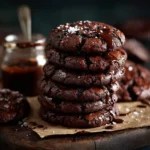
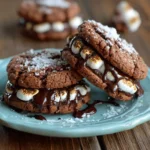
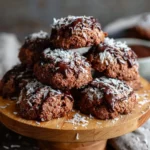
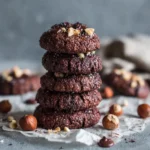
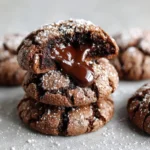
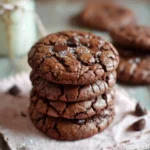
Fudgy Chocolate Crinkle Cookies are a beloved classic—rich, decadent, and irresistibly festive. With their signature cracked, snowy surface and dense, moist, almost brownie-like interior, these cookies deliver deep chocolate intensity in every bite. They’re as visually striking as they are delicious—reminiscent of holiday gatherings, cozy winter afternoons, and the unmistakable aroma of cocoa and vanilla wafting through the kitchen. Whether you’re baking for a special occasion or simply craving something deeply comforting, these crinkles promise indulgence without compromise. Their contrast of textures—the delicate sugar-dusted exterior giving way to a luxuriously fudgy center—makes them a standout among chocolate cookie varieties, earning them cult status among bakers and dessert lovers alike.
The History
The origins of the Chocolate Crinkle Cookie are delightfully hazy—but widely traced to mid-20th century America, with roots possibly extending back to Jewish-American baking traditions where cocoa-based desserts were adapted for Passover (using matzo cake meal or potato starch instead of flour). However, the version most recognized today—dense, rolled in powdered sugar, and dramatically cracked—gained national prominence in the 1980s and 1990s. A pivotal moment came when Martha Stewart Living featured them in the early ’90s, catapulting the cookie into mainstream consciousness. Simultaneously, home cooks across the country began sharing variations in church cookbooks, community recipe swaps, and early internet forums like AllRecipes (launched in 1997), where user-submitted “Fudgy Chocolate Crinkle Cookies” quickly amassed thousands of reviews and adaptations. The cookie’s rise coincided with a broader cultural shift toward rich, minimalist desserts—where fewer ingredients yielded maximum impact—and its dramatic visual appeal made it an instant favorite for holiday cookie exchanges, bake sales, and food photography. Though often associated with Christmas due to its snowy appearance, its popularity has since become year-round, evolving from nostalgic treat to modern pantry staple.
Ingredients Breakdown
Every ingredient in Fudgy Chocolate Crinkle Cookies plays a precise, synergistic role—no component is arbitrary. Here’s why each matters:
- Unsweetened Cocoa Powder (Dutch-processed preferred): Provides intense, smooth chocolate flavor and deep color. Dutch-processed cocoa is alkalized, yielding a milder acidity and richer hue—critical for that signature dark, glossy crinkle. Natural cocoa works but may yield a slightly more bitter, reddish-brown tone and less pronounced bloom.
- Granulated Sugar: Adds sweetness and structure while aiding in spread control. Its fine crystals dissolve cleanly into the batter, contributing to a tender crumb rather than chewiness.
- Brown Sugar (light or dark): Introduces moisture, molasses depth, and subtle caramel notes. Dark brown sugar adds a more robust, almost smoky complexity; light brown yields a gentler profile. Both enhance fudginess by retaining water during baking.
- Eggs (large, room temperature): Act as binders and emulsifiers—holding fat and liquid together while contributing to lift and density. Room temperature eggs incorporate more evenly, preventing curdling when mixed with melted chocolate and butter.
- Vanilla Extract (pure, not imitation): Elevates the chocolate with warm, floral, and woody undertones. Alcohol-based vanilla also aids in gluten development control, keeping the cookie tender.
- All-Purpose Flour: Used sparingly—just enough to provide minimal structure without drying out the crumb. Too much flour yields cakey or tough cookies; too little risks spreading into a puddle. Sifting ensures even distribution and prevents overmixing.
- Baking Powder (not soda): A small, strategic amount provides *just* enough lift to encourage surface cracking without compromising fudginess. Baking soda would react aggressively with cocoa’s acidity and cause excessive spread or bitterness.
- Salt (fine sea or kosher): Not merely for seasoning—it sharpens chocolate’s flavor, balances sweetness, and strengthens gluten bonds at a micro-level for cohesive texture.
- Vegetable Oil (or mild-tasting neutral oil): Preferred over butter for unparalleled moisture retention and tenderness. Butter contains water and milk solids that can lead to slight crispness at the edges; oil delivers uniform fudginess from edge to center. Canola, grapeseed, or refined coconut oil all work beautifully.
- Powdered Sugar (for rolling): Must be unsifted and generous—its fine particles adhere to the damp dough surface, then melt slightly in the oven to form a delicate, crackled “snowcap.” Cornstarch in powdered sugar also contributes to surface tension, enhancing crack formation.
Note: While some recipes use melted butter or even shortening, oil remains the gold standard for authentic fudginess. Likewise, skipping the flour entirely results in fragile, greasy cookies; omitting baking powder leads to flat, uncracked discs—so precision matters.
Step-by-Step Recipe
- Prep & Preheat: Line two large baking sheets with parchment paper or silicone baking mats. Position oven racks in the upper and lower thirds. Preheat oven to 350°F (177°C). Allow all ingredients—especially eggs—to reach room temperature (about 30 minutes on the counter).
- Melt Chocolate Base: In a heatproof bowl set over a saucepan of barely simmering water (double boiler method), combine unsweetened cocoa powder, granulated sugar, brown sugar, and vegetable oil. Whisk constantly until mixture is smooth, glossy, and fully homogenized—about 3–4 minutes. Remove from heat and let cool slightly (1–2 minutes) to avoid cooking the eggs.
- Incorporate Wet Ingredients: Whisk in eggs one at a time, ensuring each is fully absorbed before adding the next. Stir in pure vanilla extract until combined. Mixture will thicken slightly but remain fluid.
- Dry Ingredients Integration: In a separate small bowl, whisk together sifted all-purpose flour, baking powder, and fine salt until thoroughly blended. Gradually add the dry mixture to the wet in three additions, folding gently with a silicone spatula after each addition—just until no streaks remain. Do not overmix; overworking develops gluten and causes toughness or uneven cracking.
- Chill for Structure (Non-Negotiable Step): Cover bowl tightly with plastic wrap and refrigerate dough for *at least 1 hour*, preferably 2–3 hours or up to 48 hours. Chilling solidifies the oils, firms the dough for clean scooping, slows oven spread, and crucially—allows cocoa and sugar to fully hydrate, intensifying flavor and enabling dramatic surface fissures.
- Portion & Coat: Using a medium (1.5-tablespoon) cookie scoop or two spoons, portion chilled dough into rounded balls (~1.5 inches in diameter). Place ½ cup of powdered sugar in a shallow bowl. Gently roll each dough ball in powdered sugar until fully and thickly coated—press lightly to help sugar adhere. Place coated balls at least 2 inches apart on prepared baking sheets.
- Bake with Precision: Bake for 10–12 minutes—no longer. Rotate trays top-to-bottom and front-to-back halfway through. Cookies are done when tops are deeply cracked, edges look set, and centers still appear soft and slightly underbaked (they’ll firm as they cool). Overbaking yields dry, crumbly cookies—underbaking preserves that molten-fudge heart.
- Cool & Set: Let cookies cool on baking sheets for 5 minutes—this allows internal steam to redistribute and structure to stabilize. Then carefully transfer to wire racks using a thin spatula to cool completely (15–20 minutes). They’ll continue to set as they cool but retain remarkable fudginess even at room temperature.
Tips
- Measure Flour Correctly: Spoon flour into measuring cup and level off with a straight edge—never scoop directly from the bag, which compacts flour and adds up to 25% extra. Too much flour = dry, dense, non-cracking cookies.
- Chill Time Is Sacred: Skipping or shortening the chill leads to flattened, greasy, minimally cracked cookies. For best results, chill overnight—dough deepens in flavor and handles like chilled clay.
- Roll Generously in Powdered Sugar: Don’t skimp—even if it looks excessive. A thick, opaque coat ensures full coverage post-bake and maximizes crack visibility. Replenish powdered sugar in bowl as it becomes damp.
- Use Light-Colored Baking Sheets: Dark pans absorb more heat and promote overbrowning on bottoms. If using dark sheets, reduce oven temp by 25°F and check cookies 1 minute earlier.
- Don’t Flatten Before Baking: Unlike drop cookies, these rise and crack naturally—pressing down defeats the purpose and inhibits fissure formation.
- Rotate Trays Mid-Bake: Home ovens have hot spots. Rotating ensures even baking and uniform cracking across all cookies.
- Cool Completely Before Storing: Trapping warmth creates condensation, turning powdered sugar into sludge and softening the crust. Always cool fully on wire racks before stacking or storing.
- Freeze Dough Balls Unbaked: Portion, roll in powdered sugar, and freeze on a tray until solid (1 hour), then transfer to freezer bags for up to 3 months. Bake frozen—add 1–2 minutes to bake time.
Variations and Customizations
While the classic fudgy crinkle is perfection itself, thoughtful customizations can elevate or adapt the recipe without sacrificing integrity:
- Espresso-Enhanced: Add 1–2 tsp instant espresso powder to the dry ingredients. It doesn’t make them taste like coffee—it deepens chocolate flavor and adds aromatic complexity.
- Peppermint Swirl: After portioning dough, press ¼ tsp crushed candy cane or ⅛ tsp peppermint extract into the center of each ball before rolling in powdered sugar. Adds festive brightness without overwhelming.
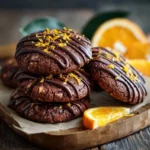
- Orange-Zested: Add 1 tbsp finely grated orange zest to the wet mixture. Citrus cuts richness and introduces elegant brightness—pair with dark chocolate chunks for sophistication.
- Sea Salt Finish: Immediately after removing cookies from oven, sprinkle tops with flaky sea salt (like Maldon). The contrast of sweet, bitter, and saline is revelatory.
- Gluten-Free Adaptation: Substitute equal weight (not volume) of certified GF 1:1 baking blend (e.g., Bob’s Red Mill) + ¼ tsp xanthan gum. Chill dough 3+ hours—GF versions require extra firmness to hold shape.
- Vegan Version: Replace eggs with 2 flax eggs (2 tbsp ground flaxseed + 6 tbsp warm water, rested 10 mins); use refined coconut oil or avocado oil; ensure cocoa and sugars are vegan-certified. Chill 4+ hours—vegan dough is softer.
- Mini Crinkles: Use a 1-teaspoon scoop, roll in powdered sugar, and bake 7–9 minutes. Perfect for parties, portion control, or kids’ lunchboxes.
- Stout-Infused: Replace 2 tbsp oil with room-temp stout beer (e.g., Guinness). Adds malty depth and subtle tang—reduce baking time by 30 seconds.
- Spiced Crinkles: Add ½ tsp ground cinnamon + ¼ tsp ground cardamom to dry ingredients. Warm, aromatic, and unexpectedly harmonious with cocoa.
- Double-Chocolate: Fold in ½ cup finely chopped semi-sweet or bittersweet chocolate (60–70% cacao) after mixing dry ingredients. Creates melty pockets and textural intrigue.
Health Considerations and Nutritional Value
Let’s be candid: Fudgy Chocolate Crinkle Cookies are a treat—not a health food. That said, understanding their nutritional profile empowers mindful enjoyment. Per standard 2-inch cookie (approx. 35g, based on a 24-cookie yield):
- Calories: ~130–150 kcal
- Total Fat: 7–8g (mostly unsaturated from oil; minimal saturated fat)
- Carbohydrates: 17–19g (including 12–14g sugars—primarily added)
- Protein: 1.5–2g
- Fiber: <1g (naturally low; can be modestly increased with whole wheat pastry flour substitution)
- Sodium: ~65–85mg (moderate, especially compared to many store-bought cookies)
Positive Notes: These cookies contain zero trans fats, no hydrogenated oils, and rely on natural cocoa—which is rich in flavanols (antioxidants linked to cardiovascular and cognitive benefits when consumed regularly in moderation). Dutch-processed cocoa retains significant polyphenol content despite alkalization. The absence of butter reduces saturated fat, and the lack of dairy makes them easier to digest for many lactose-sensitive individuals (though always verify ingredients if strict dairy-free is required).
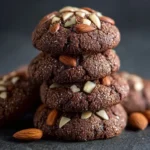
Considerations: High sugar content means they’re best enjoyed in portion-controlled settings—ideally 1 cookie alongside tea or coffee, rather than multiple in succession. Those managing blood sugar should pair with protein or fiber (e.g., a handful of almonds) to slow glucose response. For reduced sugar, substituting 25% of granulated sugar with coconut sugar or monk fruit blend is possible—but may affect texture and crack formation, requiring additional testing. Always consult a registered dietitian for personalized dietary guidance.
Ingredients
- ¾ cup (65g) unsweetened Dutch-processed cocoa powder
- 1 cup (200g) granulated sugar
- 1 cup (220g) packed light or dark brown sugar
- ⅔ cup (160ml) neutral vegetable oil (e.g., canola, grapeseed, or refined coconut oil)
- 3 large eggs, room temperature
- 2 tsp pure vanilla extract
- ⅔ cup (85g) all-purpose flour, spooned & leveled, then sifted
- 1 tsp baking powder
- ½ tsp fine sea salt
- 1½ cups (180g) powdered sugar (confectioners’ sugar), for rolling (unsifted)
Directions
- Line two large baking sheets with parchment paper or silicone baking mats. Preheat oven to 350°F (177°C) with racks in upper and lower thirds.
- In a heatproof bowl set over barely simmering water, whisk together cocoa powder, granulated sugar, brown sugar, and vegetable oil until smooth, glossy, and fully combined—about 3–4 minutes. Remove from heat; let cool 1–2 minutes.
- Whisk in eggs one at a time, fully incorporating each before adding the next. Stir in vanilla until uniform.
- In a small bowl, whisk together sifted flour, baking powder, and salt. Gradually fold dry ingredients into wet mixture in three additions, using a silicone spatula—stir just until no dry streaks remain. Do not overmix.
- Cover bowl tightly with plastic wrap and refrigerate for at least 1 hour, or up to 48 hours.
- When ready to bake, place ½ cup powdered sugar in a shallow bowl. Scoop chilled dough using a 1.5-tablespoon cookie scoop (or two spoons) into 1.5-inch balls. Roll each firmly and generously in powdered sugar until completely coated. Place 2 inches apart on prepared sheets.
- Bake 10–12 minutes, rotating trays top-to-bottom and front-to-back halfway through, until tops are deeply cracked and edges are set but centers still look soft.
- Cool cookies on sheets for 5 minutes, then transfer to wire racks to cool completely (15–20 minutes). Enjoy at room temperature for optimal fudgy texture.
FAQ
- Why didn’t my cookies crack?
- Most commonly due to insufficient chilling (dough too warm), under-measuring powdered sugar (thin coat), overmixing (gluten development), or baking at too low a temperature. Ensure dough is very cold, coating is thick, and oven is properly preheated and calibrated.
- Can I make these ahead of time?
- Absolutely. Baked cookies stay fudgy for up to 5 days in an airtight container at room temperature (layer with parchment to prevent sticking). Dough balls (rolled in powdered sugar) freeze beautifully for up to 3 months—bake straight from frozen, adding 1–2 minutes.
- My cookies spread too much—what went wrong?
- Common culprits: dough not chilled long enough, using butter instead of oil, measuring flour incorrectly (too little), or baking on warm sheets. Always chill ≥1 hour, use oil, weigh flour if possible, and let sheets cool between batches.
- Can I use natural cocoa instead of Dutch-processed?
- Yes—but expect a slightly more acidic, lighter brown color and less dramatic bloom. You may need to increase baking powder to 1¼ tsp to balance acidity. Flavor remains excellent, just different.
- Why do they need to cool on the sheet first?
- The residual heat continues gentle cooking and allows internal structure to set without collapsing. Removing too soon causes breakage; leaving too long dries the bottom crust.
- Are these suitable for high-altitude baking?
- Yes—with minor adjustments: reduce granulated sugar by 1 tbsp, increase flour by 1 tbsp, and bake at 355°F for 9–11 minutes. Monitor closely—high altitude accelerates leavening and drying.
- Can I substitute egg whites only?
- No—whole eggs provide essential fat and emulsification. Egg whites alone create brittle, dry cookies. For egg-free, use flax or commercial egg replacer (see Variations section).
- How do I keep the powdered sugar from disappearing?
- Roll *very* generously while dough is cold. Avoid humid environments. Store baked cookies in single layers with parchment between—never stack while warm. A light re-dusting before serving restores visual appeal.
Summary
Fudgy Chocolate Crinkle Cookies are an artful marriage of simplicity and science—where precise ratios, controlled chilling, and mindful technique transform humble pantry staples into glossy, crackled masterpieces bursting with molten chocolate soul.
They reward patience, honor tradition, and invite creativity—whether enjoyed classic and snowy, spiked with spice or citrus, or adapted thoughtfully for dietary needs—always delivering that unforgettable, deeply satisfying bite of pure, unapologetic fudginess.