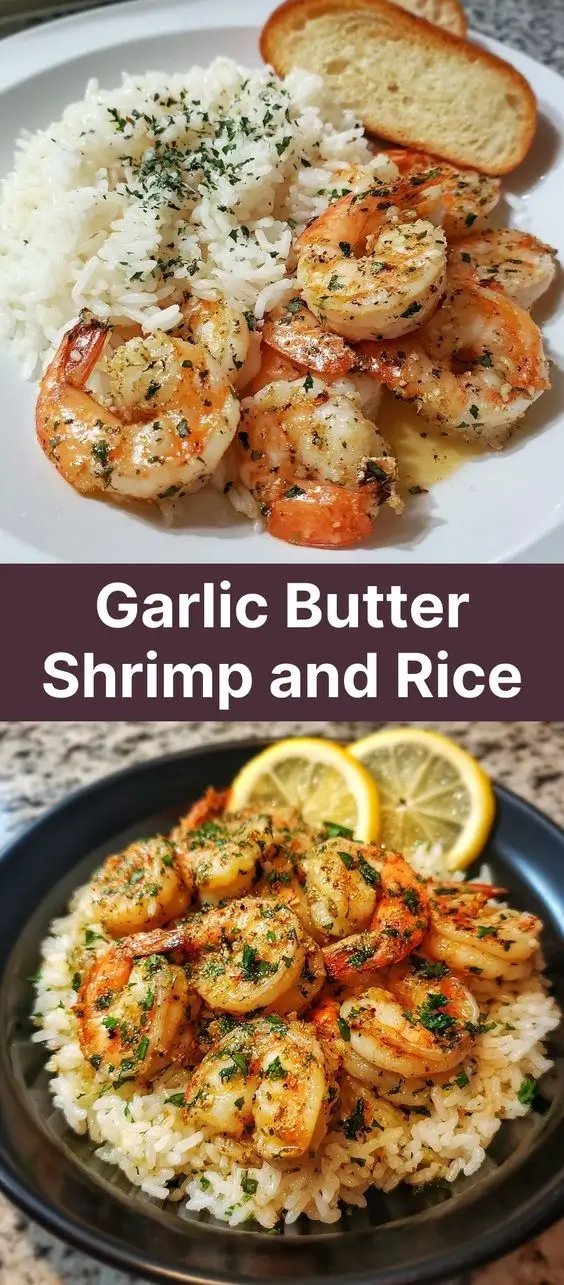
Garlic Butter Shrimp and Rice: A Flavorful, Comforting Delight
Introduction
Garlic Butter Shrimp and Rice is a luxurious yet simple dish that brings together the succulent sweetness of shrimp with the rich, aromatic flavor of garlic-infused butter, all served over a bed of perfectly cooked rice. Whether you’re preparing a quick weeknight dinner or hosting a cozy weekend gathering, this recipe delivers restaurant-quality taste with minimal effort. The golden, buttery sauce clings to tender shrimp and fluffy rice, creating a harmonious blend of textures and flavors that will leave everyone asking for seconds. With its creamy richness balanced by a hint of acidity and fresh herbs, this dish strikes the perfect chord between indulgence and comfort.
Not only is Garlic Butter Shrimp and Rice incredibly delicious, but it’s also versatile—easily customizable to suit different dietary preferences and flavor profiles. From keto-friendly versions using cauliflower rice to spicier renditions with chili flakes, there’s room to experiment while maintaining the essence of the original dish. It’s a go-to recipe for home cooks who want to impress without spending hours in the kitchen. In this comprehensive guide, we’ll dive deep into every aspect of making the perfect Garlic Butter Shrimp and Rice—from the history of the ingredients to step-by-step instructions, variations, health benefits, and more.
The History
While Garlic Butter Shrimp and Rice as a unified dish may not have ancient origins, its individual components trace back centuries across various culinary traditions. Garlic has been used for both culinary and medicinal purposes since at least 3000 BCE, with evidence found in Egyptian tombs and referenced in Chinese medicine. Its pungent aroma and ability to enhance savory dishes made it a staple in Mediterranean, Middle Eastern, and Asian cuisines.
Butter, on the other hand, dates back over 4,500 years, with early references in Indian texts where ghee (clarified butter) was revered not just as food but also in religious rituals. In Europe, particularly France and Italy, butter became central to rich sauces and sautéed preparations, forming the foundation of classic French cuisine.
Shrimp have long been a prized seafood around coastal regions worldwide. Ancient Romans enjoyed them pickled in garum, while Asian cultures incorporated them into stir-fries and soups. In the American South, especially Louisiana, shrimp appear prominently in Creole and Cajun cooking—think étouffée, gumbo, and jambalaya—where they’re often paired with garlic, butter, and rice.
The modern concept of Garlic Butter Shrimp likely emerged from mid-20th century American bistro and seafood restaurant menus, influenced by French techniques like beurre blanc and garlic scampi. As global travel and fusion cuisine grew in popularity, chefs began combining these elements into accessible one-pot meals. Today’s Garlic Butter Shrimp and Rice reflects this evolution—a celebration of international flavors brought together in a comforting, satisfying format loved by families and food enthusiasts alike.
Ingredients Breakdown
The magic of Garlic Butter Shrimp and Rice lies in its simplicity and the quality of its core ingredients. Let’s take an in-depth look at each component:
- Shrimp: Fresh or frozen peeled and deveined shrimp (typically medium to large size, 26–30 count per pound) are ideal. They cook quickly and absorb flavors beautifully. Wild-caught Gulf or Pacific shrimp offer superior taste and texture compared to farm-raised varieties, though both work well depending on availability and budget.
- Butter: Unsalted butter gives you control over seasoning. It provides richness and helps create a silky sauce when emulsified with lemon juice and pan drippings. For extra depth, some recipes use a mix of butter and olive oil to prevent burning during high-heat searing.
- Garlic: Freshly minced garlic is non-negotiable. Pre-minced jarred garlic lacks the bright, sharp punch needed for authentic flavor. Depending on preference, anywhere from 4 to 8 cloves can be used—more for bold garlic lovers!
- Rice: Long-grain white rice such as basmati or jasmine holds its shape well and doesn’t become mushy. Some prefer brown rice for added fiber, though it requires longer cooking. Cauliflower rice is a popular low-carb alternative.
- Lemon Juice: Freshly squeezed lemon juice adds brightness and cuts through the richness of the butter. It enhances the natural sweetness of the shrimp and prevents the dish from feeling overly heavy.
- White Wine (optional): Dry white wine like Sauvignon Blanc or Pinot Grigio deglazes the pan, lifting flavorful browned bits and adding complexity. If avoiding alcohol, substitute with chicken broth or clam juice.
- Herbs: Fresh parsley is most common, providing a pop of color and freshness. Some variations include thyme, oregano, or chives for additional layers of earthiness.
- Seasonings: Salt, black pepper, red pepper flakes (for heat), and sometimes paprika or onion powder round out the flavor profile.
- Olive Oil: Used to sauté the shrimp initially, preventing the butter from burning and adding a fruity undertone.
- Broth or Water: Chicken or vegetable broth adds more flavor when cooking the rice than plain water. Seafood stock can elevate the dish further if available.
Each ingredient plays a crucial role, and substitutions should be made thoughtfully to preserve the balance of flavors.
Step-by-Step Recipe
Follow this detailed method to achieve restaurant-perfect Garlic Butter Shrimp and Rice every time.
- Prepare Ingredients: Peel and devein the shrimp, pat them dry thoroughly with paper towels (this ensures proper searing). Mince 6 cloves of garlic. Chop ¼ cup fresh parsley. Measure 1 cup long-grain rice and rinse under cold water until the water runs clear to remove excess starch.
- Cook the Rice: In a medium saucepan, heat 1 tablespoon olive oil over medium heat. Add the rinsed rice and toast for 2 minutes, stirring frequently, until slightly golden. This step enhances nuttiness and prevents mushiness. Pour in 2 cups of warm chicken broth (or water), bring to a boil, then reduce heat to low, cover, and simmer for 15–18 minutes until liquid is absorbed and rice is tender. Remove from heat, fluff with a fork, cover, and let rest for 5 minutes.
- Sear the Shrimp: While rice cooks, heat a large skillet (preferably stainless steel or cast iron) over medium-high heat. Add 1 tablespoon olive oil and 1 tablespoon unsalted butter. Once hot but not smoking, add shrimp in a single layer. Season lightly with salt and pepper. Sear for 1–2 minutes per side until pink and opaque. Do not overcrowd the pan—cook in batches if necessary. Transfer shrimp to a plate and set aside.
- Build the Sauce: In the same skillet, reduce heat to medium. Add 3 tablespoons butter. Once melted, add minced garlic and sauté for 30–60 seconds until fragrant but not browned (burnt garlic turns bitter). Optional: Deglaze with ¼ cup dry white wine, scraping up any browned bits from the bottom of the pan. Let it simmer for 1–2 minutes until reduced by half.
- Finish the Shrimp: Return the cooked shrimp to the skillet. Toss to coat in the garlic butter sauce. Squeeze in juice of half a lemon (about 1–2 tablespoons). Sprinkle with ½ teaspoon red pepper flakes (adjust to taste), and chopped parsley. Stir gently and cook for another 1 minute to reheat shrimp and meld flavors.
- Combine or Serve Separately: You can either spoon the garlic butter shrimp over the prepared rice or serve them side by side, allowing guests to mix as desired. Garnish with extra parsley, a lemon wedge, and a sprinkle of freshly cracked black pepper.
- Serve Immediately: This dish is best enjoyed fresh and hot, while the butter sauce is still glossy and the shrimp are tender.
Tips
- Dry Shrimp Are Key: Moisture is the enemy of searing. Always pat shrimp dry before cooking to ensure a golden crust instead of steaming.
- Don’t Overcook the Shrimp: Shrimp cook very fast—overcooking leads to rubbery texture. Remove them from heat just as they turn opaque; residual heat will finish the job.
- Use Fresh Garlic: Jarred garlic often contains preservatives and lacks the vibrant flavor of freshly minced cloves.
- Toast the Rice: Toasting rice before adding liquid deepens its flavor and improves texture—don’t skip this step.
- Baste for Extra Flavor: After adding the garlic butter sauce, tilt the pan and spoon the bubbling butter over the shrimp repeatedly for even coating and enhanced flavor absorption.
- Rest the Rice: Allowing rice to rest covered after cooking lets steam finish the process evenly, resulting in fluffier grains.
- Adjust Consistency: If the sauce becomes too thick, thin it with a splash of warm broth or lemon juice. Too thin? Simmer briefly to reduce.
- Add Cream for Richness: For a creamier version, stir in 2–3 tablespoons of heavy cream or half-and-half at the end for a velvety sauce.
- Prevent Burnt Butter: Keep heat at medium when cooking garlic to avoid burning. Consider using compound butter or clarifying the butter beforehand for higher smoke point.
- Double the Batch: This dish reheats reasonably well. Store leftovers separately and reheat gently in a pan with a splash of water or broth to revive moisture.
Variations and Customizations
Garlic Butter Shrimp and Rice is highly adaptable. Here are creative ways to personalize the dish:
- Keto/Low-Carb Version: Replace rice with riced cauliflower. Sauté the cauliflower rice in olive oil until tender-crisp, then top with garlic butter shrimp and sauce.
- Spicy Arrabbiata Style: Increase red pepper flakes to 1 teaspoon or add diced jalapeño or Calabrian chili paste for intense heat.
- Mediterranean Twist: Add sun-dried tomatoes, kalamata olives, capers, and a touch of oregano. Finish with crumbled feta cheese.
- Asian-Inspired: Swap lemon for lime, add soy sauce or tamari, ginger, and green onions. Use sesame oil in place of part of the butter for umami depth.
- Creamy Parmesan: Stir in ¼ cup grated Parmesan cheese at the end for a rich, nutty twist. Pairs beautifully with angel hair pasta instead of rice.
- Coconut Milk Fusion: Replace half the butter with coconut oil and add ½ cup coconut milk to the sauce for a tropical flair. Great with jasmine rice.
- Herb-Infused: Add fresh thyme, rosemary, or tarragon along with parsley for a more complex herbal note.
- Wine-Free Option: Skip the wine and use extra broth with a splash of apple cider vinegar or white wine vinegar for acidity.
- Vegetarian Adaptation: Omit shrimp and use king oyster mushrooms or tofu cubes, marinated and seared similarly for a plant-based version.
- Tomato-Based Sauce: Add canned diced tomatoes or tomato paste after sautéing garlic, simmer into a rustic marinara-style base before adding shrimp.
- Seafood Medley: Mix in scallops, mussels, or calamari for a surf-and-turf style platter.
- Cajun-Style: Season shrimp with Cajun spice blend before cooking and add bell peppers and onions for a jambalaya-inspired twist.
Health Considerations and Nutritional Value
Garlic Butter Shrimp and Rice can be part of a balanced diet when prepared mindfully. Let’s break down its nutritional components:
- Shrimp: Low in calories and fat, high in protein. A 3-ounce serving contains about 84 calories, 18g protein, and essential nutrients like selenium, vitamin B12, iodine, and omega-3 fatty acids (EPA and DHA), which support heart and brain health.
- Butter: High in saturated fat and calories. One tablespoon has ~100 calories and 7g of saturated fat. To reduce fat, consider substituting half the butter with olive oil or using light butter alternatives. Moderation is key.
- Rice: White rice is a refined grain with moderate glycemic index. It provides energy via carbohydrates (~45g net carbs per cup cooked). Brown rice offers more fiber (3.5g vs 0.6g), vitamins, and minerals due to the retained bran layer, making it a healthier option for sustained energy and digestion.
- Garlic: Contains allicin, a compound with antioxidant, anti-inflammatory, and antimicrobial properties. Regular consumption may help lower blood pressure and cholesterol levels.
- Lemon Juice: Rich in vitamin C and citric acid, aiding iron absorption and boosting immunity. Also acts as a natural preservative and flavor enhancer.
- Caloric Estimate (per serving, serves 4):
- Shrimp: 180 kcal
- Rice (white, ¾ cup): 170 kcal
- Butter & oil (3 tbsp total): 300 kcal
- Other ingredients: ~50 kcal
- Total: ~700 kcal per serving
To make the dish healthier:
- Use brown rice or quinoa for added fiber and nutrients.
- Reduce butter to 1–2 tablespoons and increase olive oil.
- Include vegetables like spinach, peas, zucchini, or broccoli for volume, fiber, and micronutrients.
- Avoid excessive salt by using low-sodium broth and tasting before seasoning.
- Control portion sizes—pair with a side salad to increase satiety without excess calories.
Ingredients
- 1 pound (450g) large shrimp, peeled and deveined
- 4 tablespoons unsalted butter, divided
- 2 tablespoons olive oil, divided
- 6 cloves garlic, finely minced
- 1 cup long-grain white rice (basmati or jasmine)
- 2 cups chicken or vegetable broth (warm)
- ¼ cup dry white wine (optional)
- Juice of ½ lemon (1–2 tbsp)
- ¼ cup fresh parsley, chopped
- ½ teaspoon red pepper flakes (adjust to taste)
- Salt and freshly ground black pepper, to taste
- Lemon wedges, for serving
Directions
- Rinse the rice under cold water until water runs clear. Drain well.
- In a medium saucepan, heat 1 tbsp olive oil over medium heat. Add rice and toast for 2 minutes, stirring constantly.
- Pour in warm broth, bring to a boil. Reduce heat to low, cover, and simmer for 15–18 minutes until rice is tender and liquid is absorbed. Remove from heat, keep covered, and let stand 5 minutes. Fluff with a fork.
- While rice cooks, pat shrimp dry with paper towels. Season lightly with salt and pepper.
- Heat a large skillet over medium-high heat. Add 1 tbsp olive oil and 1 tbsp butter. When hot, add shrimp in a single layer. Cook 1–2 minutes per side until pink and opaque. Transfer to a plate.
- Reduce heat to medium. Add remaining 3 tbsp butter to the same skillet. Once melted, add garlic and sauté 30–60 seconds until fragrant.
- Optional: Pour in white wine, scrape the pan, and simmer 1–2 minutes until reduced by half.
- Return shrimp to the skillet. Add lemon juice, red pepper flakes, and half the parsley. Toss to coat and cook 1 minute to reheat.
- Taste and adjust seasoning with salt and pepper.
- Serve shrimp and sauce over hot rice. Garnish with remaining parsley and lemon wedges.
- Enjoy immediately!
FAQ
Q: Can I use frozen shrimp?
A: Yes! Just thaw them properly in the refrigerator overnight or under cold running water. Pat dry before cooking to avoid splattering and steaming.
Q: Can I make this ahead of time?
A: It’s best fresh, but you can prep ingredients in advance. Cook rice and store separately. Sear shrimp and refrigerate. Reheat gently in butter sauce before serving.
Q: What kind of rice works best?
A: Long-grain varieties like basmati or jasmine yield fluffy, non-sticky results. Avoid short-grain or sushi rice unless you want a stickier texture.
Q: Is it safe to eat shrimp every day?
A: In moderation, yes. Shrimp are low in mercury compared to other seafood. However, those with shellfish allergies must avoid them entirely.
Q: Can I freeze leftovers?
A: Freezing is not recommended—rice tends to become mushy upon thawing, and shrimp may turn rubbery. Best consumed within 2–3 days refrigerated.
Q: How do I know when shrimp are done?
A: They should curl into a “C” shape and turn opaque pink. Overcooked shrimp form a tight “O” and become tough.
Q: Can I use margarine instead of butter?
A: Not recommended. Margarine contains water and additives that affect flavor and sauce consistency. Stick to real butter for best results.
Q: Can I make this dairy-free?
A: Yes! Substitute butter with vegan butter or a mix of olive oil and coconut oil. Add a bit of nutritional yeast for richness.
Q: Why did my sauce separate?
A: Temperature shock or too much heat can cause separation. Emulsify by removing from heat and whisking vigorously, or add a splash of cold water to rebind.
Q: Can I add vegetables?
A: Absolutely! Spinach, cherry tomatoes, bell peppers, or asparagus can be sautéed with the garlic or served alongside.
Summary (in two lines)
Garlic Butter Shrimp and Rice is a sumptuous, easy-to-make dish that combines juicy shrimp in a rich, garlicky butter sauce served over fluffy rice. Packed with flavor and endlessly customizable, it’s a weeknight favorite that feels gourmet with minimal effort.