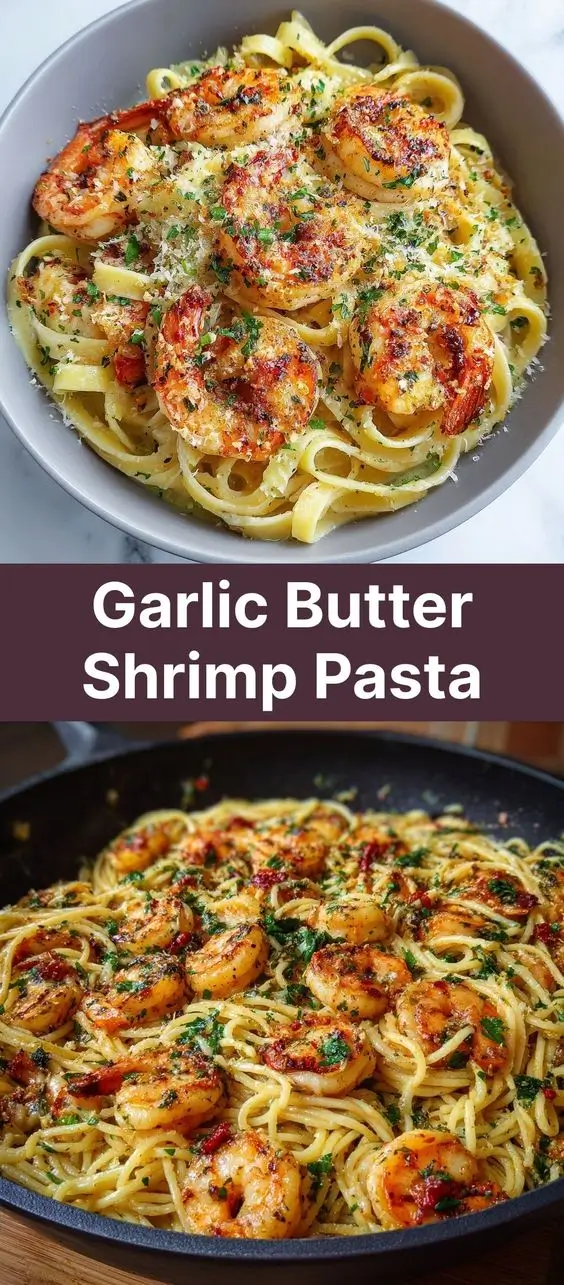
Garlic Butter Shrimp Pasta: A Creamy, Flavorful Delight
The History of Garlic Butter Shrimp Pasta
While pasta dishes have been a staple in Italian cuisine for centuries, the fusion of seafood with rich, buttery sauces has roots that stretch across Mediterranean coastal regions. The concept of pairing shrimp with garlic and butter can be traced back to classic French and Italian cooking traditions, where simplicity meets elegance. Dishes like Scampi alla Burro e Aglio—shrimp sautéed in butter, garlic, white wine, and lemon—originated in coastal Italy and were popularized in American-Italian restaurants during the mid-20th century.
Garlic Butter Shrimp Pasta as we know it today is an amalgamation of these traditional techniques with modern comfort food sensibilities. It gained widespread popularity in the 1980s and 1990s through restaurant chains and home-cooking television shows that emphasized quick, flavorful meals using accessible ingredients. Today, it stands as a beloved weeknight favorite, celebrated for its creamy texture, aromatic garlic notes, and succulent shrimp—all coming together in under 30 minutes.
The dish’s adaptability has allowed it to evolve across cultures, with variations incorporating cream, Parmesan cheese, chili flakes, herbs, and even plant-based alternatives. Its enduring appeal lies in its balance of indulgence and simplicity, making it a timeless classic in both gourmet kitchens and family dinner tables.
Ingredients Breakdown: What Makes This Dish Shine?
The magic of Garlic Butter Shrimp Pasta lies in its carefully curated ingredients, each playing a vital role in creating layers of flavor, texture, and aroma. Here’s a detailed breakdown:
- Fresh Shrimp: Medium to large shrimp (about 16–20 count per pound), peeled and deveined, are ideal. Their sweet, delicate flavor absorbs the garlicky butter sauce beautifully. Freshness is key—look for firm, translucent shrimp with no ammonia-like odor.
- Unsalted Butter: Using unsalted butter gives you full control over the salt content. It provides a rich, velvety base that carries the garlic and herbs perfectly. For extra depth, some chefs brown the butter slightly before adding other ingredients.
- Garlic: Freshly minced garlic is non-negotiable. About 4–6 cloves deliver that signature pungent aroma and savory backbone. Sautéed gently in butter, it becomes golden and fragrant without turning bitter.
- Pasta: Linguine or fettuccine are traditional choices due to their ability to hold onto thick sauces. However, spaghetti, tagliatelle, or even gluten-free alternatives work well. The starch from the cooked pasta also helps emulsify the sauce.
- Heavy Cream or Half-and-Half: Adds luxurious creaminess. Heavy cream yields a richer result, while half-and-half keeps it slightly lighter. Some versions use olive oil instead for a less creamy but still flavorful profile.
- Dry White Wine: A splash of crisp white wine (like Pinot Grigio or Sauvignon Blanc) deglazes the pan and adds acidity and complexity. If avoiding alcohol, substitute with chicken or vegetable broth plus a squeeze of lemon juice.
- Lemon Juice and Zest: Brightens the dish and cuts through the richness. Freshly squeezed juice and finely grated zest elevate the overall flavor profile with a citrusy zing.
- Fresh Herbs: Parsley is most common—flat-leaf (Italian) parsley adds freshness and color. Basil or chives can also be used for subtle variation.
- Grated Parmesan Cheese: While not always included in authentic scampi recipes, many modern versions add Parmesan for umami and creaminess. Use freshly grated for best results.
- Red Pepper Flakes: Optional, but highly recommended for a touch of heat. Just a pinch enhances the flavor without overpowering.
- Olive Oil: Used in combination with butter to prevent burning and add fruity notes. Extra virgin olive oil works best here.
- Salt and Black Pepper: Essential seasonings. Season in layers—when cooking shrimp, seasoning the pasta water, and finishing the dish.
Step-by-Step Recipe: How to Make Perfect Garlic Butter Shrimp Pasta
This foolproof method ensures tender shrimp, perfectly al dente pasta, and a silky, aromatic sauce every time.
- Prepare Ingredients: Peel and devein the shrimp, pat them dry with paper towels, and season lightly with salt and pepper. Mince 5 cloves of garlic, chop a handful of fresh parsley, grate Parmesan cheese, and zest one lemon.
- Cook the Pasta: Bring a large pot of salted water to a boil (use about 1 tablespoon of salt per 4 quarts of water). Add 8 ounces of linguine and cook according to package instructions until al dente. Reserve 1 cup of pasta water before draining.
- Sear the Shrimp: In a large skillet over medium-high heat, melt 2 tablespoons of unsalted butter with 2 tablespoons of olive oil. Once hot, add the shrimp in a single layer and sear for 1–2 minutes per side until pink and opaque. Remove shrimp and set aside—do not overcook at this stage.
- Sauté the Aromatics: In the same skillet, reduce heat to medium. Add 3 tablespoons of butter and let it melt. Stir in the minced garlic and red pepper flakes (½ teaspoon). Cook gently for 30–60 seconds until fragrant—do not let garlic brown.
- Build the Sauce: Pour in ¼ cup of dry white wine and simmer for 1–2 minutes to reduce slightly. Then stir in ½ cup of heavy cream and bring to a gentle simmer. Let it cook for another 2 minutes until slightly thickened.
- Incorporate Lemon and Cheese: Stir in 1 tablespoon of lemon juice, 1 teaspoon of lemon zest, and ¼ cup of grated Parmesan cheese. Mix until smooth and creamy.
- Combine Pasta and Sauce: Add the drained pasta to the skillet and toss thoroughly to coat. If the sauce is too thick, gradually add reserved pasta water, one ladle at a time, until desired consistency is reached.
- Add Shrimp Back: Return the cooked shrimp to the skillet along with any juices. Toss gently and warm through for 1 minute.
- Finish with Herbs: Remove from heat and stir in chopped parsley. Taste and adjust seasoning with salt, pepper, or more lemon juice if needed.
- Serve Immediately: Plate the pasta into warm bowls, garnish with extra Parmesan, a sprinkle of red pepper flakes, and a lemon wedge on the side.
Tips for the Best Garlic Butter Shrimp Pasta
- Don’t Overcook the Shrimp: Shrimp cook quickly and become rubbery if left too long. They should curl into a loose “C” shape when done—tight “O” means overcooked.
- Use Cold Shrimp: Adding cold shrimp directly from the fridge can lower the pan temperature. Let them sit at room temp for 10 minutes before cooking for more even searing.
- Reserve Pasta Water: The starchy liquid is gold—it helps bind the sauce to the noodles and creates a glossy, restaurant-quality finish.
- Control Garlic Burn: Garlic burns easily. Keep the heat at medium and stir constantly. Burnt garlic turns bitter and ruins the dish.
- Brown the Butter (Optional): For a nuttier, deeper flavor, brown the butter before adding garlic. Watch closely—it goes from golden to burnt in seconds.
- Season in Layers: Salt the pasta water generously, season the shrimp, and taste again before serving. Layered seasoning builds better flavor.
- Use Fresh Ingredients: Fresh lemon juice, real Parmesan, and fresh herbs make a noticeable difference compared to bottled, powdered, or dried substitutes.
- Cook Pasta Al Dente: Slightly undercook the pasta by 1 minute since it will continue to absorb sauce in the skillet.
- Let the Pan Do the Work: Allow fond (the browned bits on the bottom of the pan) to develop when searing shrimp—it adds incredible depth when deglazed with wine.
- Serve Right Away: This dish doesn’t reheat perfectly—the shrimp can dry out and the sauce may separate. Best enjoyed immediately.
Variations and Customizations
Garlic Butter Shrimp Pasta is incredibly versatile. Try these creative twists to suit your taste or dietary needs:
- Creamy Tomato Version: Add ½ cup of marinara sauce or crushed tomatoes for a rosé-style twist. Finish with fresh basil.
- Spicy Arrabbiata Style: Increase red pepper flakes to 1 teaspoon and add a dash of smoked paprika for heat and depth.
- Garlic Butter Shrimp Scampi: Skip the cream and double down on butter, garlic, white wine, and lemon for a lighter, oil-based version.
- With Vegetables: Sauté mushrooms, spinach, cherry tomatoes, or asparagus in the pan before adding garlic. Adds color, nutrition, and texture.
- Dairy-Free Option: Replace butter with vegan butter or olive oil, omit cream (use coconut milk or cashew cream), and skip Parmesan or use nutritional yeast.
- Gluten-Free: Use gluten-free pasta made from rice, corn, or quinoa. Cook carefully to avoid mushiness.
- Low-Carb/Keto: Substitute pasta with spiralized zucchini (zoodles), shirataki noodles, or spaghetti squash. Reduce or omit wine and sugar-containing ingredients.
- Seafood Medley: Add scallops, mussels, or lobster for a surf-and-turf feel.
- Herb Variations: Swap parsley for dill, tarragon, or cilantro for unique regional flair.
- Asian-Inspired Fusion: Use sesame oil, soy sauce, ginger, and green onions instead of Italian herbs. Top with sesame seeds.
- With Crispy Topping: Sprinkle breadcrumbs toasted in butter and garlic over the top before serving for crunch.
Health Considerations and Nutritional Value
While undeniably delicious, Garlic Butter Shrimp Pasta can be adapted to fit various health goals. Here’s a nutritional overview for a standard serving (approximately 1 serving out of 4):
| Nutrient | Amount (Approximate) |
|---|---|
| Calories | 480 kcal |
| Total Fat | 24g |
| Saturated Fat | 12g |
| Cholesterol | 180mg |
| Sodium | 700mg |
| Total Carbohydrates | 38g |
| Dietary Fiber | 2g |
| Sugars | 2g |
| Protein | 26g |
Health Benefits:
- Shrimp: Low in calories and high in protein, selenium, iodine, and omega-3 fatty acids (especially EPA and DHA), which support heart and brain health.
- Garlic: Contains allicin, known for anti-inflammatory and immune-boosting properties.
- Lemon: Rich in vitamin C and antioxidants that aid iron absorption and support skin health.
- Pasta (in moderation): Provides energy through complex carbohydrates. Whole wheat versions increase fiber and nutrient content.
Considerations:
- High in Saturated Fat: Due to butter and cream. Opt for reduced-fat dairy or olive oil to lower saturated fat.
- Sodium Levels: Can be high depending on added salt and cheese. Use low-sodium ingredients and limit added salt.
- Cholesterol: Shrimp are naturally high in cholesterol, though recent studies suggest dietary cholesterol has less impact on blood cholesterol than once thought.
- Portion Control: This is a rich dish—enjoy in moderation, especially if managing weight or heart health.
Healthy Swaps:
- Use whole grain or legume-based pasta for added fiber and protein.
- Replace half the cream with evaporated skim milk or Greek yogurt.
- Boost volume with steamed vegetables like broccoli, kale, or bell peppers.
- Limit cheese or use a strong-flavored aged Parmesan so less is needed.
Ingredients
- 1 lb (450g) medium shrimp, peeled and deveined
- 8 oz (225g) linguine or fettuccine
- 4 tbsp unsalted butter, divided
- 2 tbsp olive oil
- 5 cloves garlic, minced
- ¼ cup dry white wine (e.g., Pinot Grigio)
- ½ cup heavy cream (or half-and-half)
- 1 tbsp fresh lemon juice
- 1 tsp lemon zest
- ¼ cup grated Parmesan cheese, plus more for serving
- ½ tsp red pepper flakes (adjust to taste)
- ¼ cup fresh parsley, chopped
- Salt and freshly ground black pepper, to taste
- 1 tbsp salt (for pasta water)
- Reserved pasta water (about 1 cup)
Directions
- Bring a large pot of water to a boil. Add 1 tablespoon of salt and the pasta. Cook until al dente (about 8–10 minutes). Reserve 1 cup of pasta water, then drain and set aside.
- While pasta cooks, pat shrimp dry and season with salt and pepper.
- In a large skillet over medium-high heat, combine 2 tablespoons butter and 2 tablespoons olive oil. Add shrimp in a single layer and cook 1–2 minutes per side until pink and just cooked through. Transfer to a plate.
- Reduce heat to medium. Add remaining 2 tablespoons butter to the skillet. Once melted, add garlic and red pepper flakes. Sauté 30–60 seconds until fragrant—do not brown.
- Pour in white wine and simmer 1–2 minutes to reduce.
- Stir in heavy cream, lemon juice, and lemon zest. Simmer gently for 2 minutes until slightly thickened.
- Add Parmesan cheese and stir until melted and smooth.
- Add cooked pasta to the skillet and toss to coat. Add reserved pasta water gradually (start with ¼ cup) until sauce clings nicely to the noodles.
- Return shrimp and any juices to the skillet. Toss gently and heat through for 1 minute.
- Remove from heat. Stir in chopped parsley. Taste and adjust seasoning with salt, pepper, or extra lemon juice.
- Serve immediately in warm bowls. Garnish with extra Parmesan, parsley, red pepper flakes, and a lemon wedge.
FAQ
Can I use frozen shrimp?
Yes! Thaw frozen shrimp in the refrigerator overnight or under cold running water. Pat very dry before cooking to ensure proper searing.
Can I make this ahead of time?
It’s best served fresh. However, you can prep ingredients (mince garlic, chop herbs, measure liquids) in advance. Reheating may cause shrimp to toughen and sauce to separate.
What wine should I use?
Choose a dry, crisp white wine you’d enjoy drinking—Pinot Grigio, Sauvignon Blanc, or Chardonnay work well. Avoid “cooking wine” from the grocery store—it contains added salt and preservatives.
Can I omit the wine?
Yes. Substitute with low-sodium chicken or vegetable broth plus 1 teaspoon of apple cider vinegar or lemon juice for acidity.
Is this dish gluten-free?
Only if you use certified gluten-free pasta and check labels on all ingredients (especially broth and wine).
How do I store leftovers?
Store in an airtight container in the refrigerator for up to 2 days. Reheat gently in a skillet with a splash of water or broth. Microwave reheating may overcook the shrimp.
Can I freeze Garlic Butter Shrimp Pasta?
Not recommended. Dairy-based sauces tend to separate when frozen and thawed. Shrimp also becomes rubbery after freezing.
Why is my sauce separating?
This can happen if the sauce gets too hot or sits too long. To fix, remove from heat and whisk in a splash of cold cream or pasta water. Emulsification helps bring it back together.
Can I use pre-cooked shrimp?
You can, but they’re more prone to overcooking. Add them at the very end just to warm through. Raw shrimp give better flavor and texture.
What sides go well with this dish?
A simple green salad, garlic bread, roasted asparagus, or grilled vegetables complement the richness perfectly.
Summary
Garlic Butter Shrimp Pasta combines plump shrimp, al dente noodles, and a luxuriously creamy garlic-butter sauce infused with lemon and herbs for a restaurant-worthy meal ready in under 30 minutes.
Elegant yet easy, customizable and crowd-pleasing, this dish brings the flavors of the coast straight to your kitchen with minimal effort and maximum satisfaction.