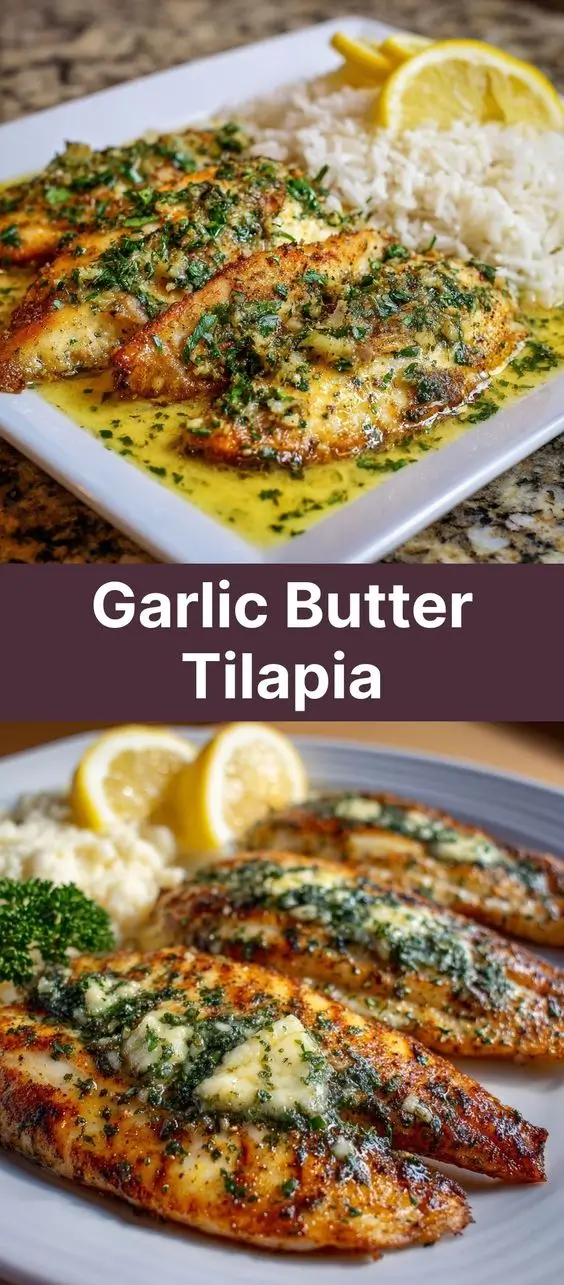
Garlic Butter Tilapia: A Flavorful, Healthy Seafood Delight
If you’re looking for a quick, nutritious, and incredibly flavorful seafood dish, Garlic Butter Tilapia is your go-to recipe. This dish combines tender tilapia fillets with a rich, aromatic garlic butter sauce that’s bursting with flavor while remaining light enough to fit into a healthy lifestyle. Whether you’re cooking for a weeknight dinner or impressing guests at a weekend gathering, this recipe delivers restaurant-quality results in under 30 minutes. Let’s dive deep into everything you need to know about making the perfect Garlic Butter Tilapia.
The History of Garlic Butter Tilapia
While there isn’t a single documented origin story for Garlic Butter Tilapia, its roots can be traced back to classic French and Mediterranean cooking traditions where butter, garlic, and fresh seafood are staples. The combination of butter and garlic as a cooking medium dates back centuries in European cuisine—particularly in French beurre blanc sauces and Italian aglio e olio preparations. Tilapia, on the other hand, has a more ancient history. Originally farmed in Africa over 2,000 years ago—especially in Egypt along the Nile River—tilapia became one of the first known aquacultured fish. Its mild taste and flaky texture made it ideal for absorbing bold flavors like those found in garlic butter sauces.
In modern times, particularly in American home kitchens, Garlic Butter Tilapia emerged as a healthier alternative to heavier pan-seared fish dishes. With the rise of low-carb, high-protein diets such as keto and Mediterranean eating patterns, this dish gained popularity due to its simplicity, speed, and nutritional balance. Today, it remains a beloved staple across blogs, cookbooks, and family dinner tables worldwide.
Ingredients Breakdown: Why Each One Matters
The beauty of Garlic Butter Tilapia lies in its simplicity—but each ingredient plays a crucial role in building depth, aroma, and texture. Here’s a detailed look at what goes into this dish and why:
- Tilapia Fillets: These white, mild-flavored fish fillets are low in fat, high in protein, and cook quickly without drying out. Their neutral taste makes them perfect for soaking up the garlicky butter sauce.
- Unsalted Butter: Using unsalted butter allows you to control the salt content. It adds richness and helps create a silky sauce base. For an even deeper flavor, consider browning the butter slightly before adding garlic (a technique known as beurre noisette).
- Fresh Garlic: Freshly minced garlic provides a pungent, aromatic kick. Avoid pre-minced jarred garlic when possible—it often contains preservatives and lacks brightness.
- Lemon Juice: Adds acidity that cuts through the richness of the butter, enhancing overall flavor and bringing freshness to the dish. Lemon zest can also be added for extra citrus aroma.
- Fresh Parsley: Used both during cooking and as garnish, parsley adds color and a subtle herbal note that complements the garlic and lemon.
- Salt and Black Pepper: Essential seasonings that enhance all other flavors. Always season fish on both sides just before cooking for optimal taste.
- Olive Oil: Often used to coat the pan before adding butter to prevent burning, since pure butter has a low smoke point. A blend of olive oil and butter gives the best of both worlds—flavor and stability.
- Optional Additions: Red pepper flakes for heat, capers for brininess, white wine for deglazing, or heavy cream for a richer sauce—all can elevate the dish depending on your preference.
Step-by-Step Recipe: How to Make Perfect Garlic Butter Tilapia
Follow these detailed steps to ensure tender, flaky tilapia coated in a luxurious garlic butter sauce every time.
- Prepare Ingredients: Pat 4 tilapia fillets dry with paper towels—this ensures proper searing. Season both sides lightly with salt and freshly ground black pepper. Mince 4–5 cloves of garlic. Chop 2 tablespoons of fresh parsley. Squeeze half a lemon (about 1–2 tablespoons juice). Have 4 tablespoons of unsalted butter ready.
- Preheat the Pan: Place a large non-stick or stainless steel skillet over medium heat. Add 1 tablespoon of olive oil and allow it to heat until shimmering but not smoking.
- Sear the Fish: Carefully place the tilapia fillets in the hot pan. Cook for 3–4 minutes per side, depending on thickness. The fish should turn opaque and flake easily with a fork when done. Avoid overcrowding the pan; work in batches if necessary. Once cooked, transfer fillets to a plate and cover loosely with foil to keep warm.
- Make the Garlic Butter Sauce: Reduce heat to low. In the same skillet, melt the butter. Once melted and bubbling, add the minced garlic. Sauté gently for 1 minute—do not let it brown or it will become bitter.
- Build Flavor: Stir in lemon juice, chopped parsley, and optional ingredients like red pepper flakes (¼ tsp) or a splash of white wine (2 tbsp). If using wine, simmer for 1–2 minutes to reduce slightly.
- Finish the Dish: Return the cooked tilapia fillets to the skillet, spooning the warm garlic butter sauce over each piece. Let them simmer together for 1–2 minutes so the fish absorbs the flavors.
- Serve Immediately: Plate the fish and drizzle with extra sauce from the pan. Garnish with additional parsley and lemon wedges.
Pro Tips for Success
- Don’t Overcook the Fish: Tilapia cooks very quickly. Overcooking leads to dry, rubbery texture. Aim for internal temperature of 145°F (63°C), or simply check for opacity and flakiness.
- Use Fresh Garlic: Pre-minced garlic from jars can have a metallic aftertaste. Fresh is always best for aromatic impact.
- Brown the Butter (Optional): For a nuttier, deeper flavor, cook the butter until it foams and turns golden-brown with a toasted aroma before adding garlic.
- Deglaze the Pan: After removing the fish, use a liquid like white wine, chicken broth, or even water to scrape up the browned bits (fond) left in the pan. This adds incredible depth to the sauce.
- Rest Before Serving: Allow the fish to rest for a minute after cooking to redistribute juices and finish cooking gently from residual heat.
- Double the Sauce: The garlic butter sauce is so delicious, many people love extra for dipping or drizzling over rice or vegetables.
Variations and Customizations
One of the greatest strengths of Garlic Butter Tilapia is how easily it can be adapted. Here are some popular twists to suit different tastes and dietary needs:
- Keto-Friendly Version: Stick to butter, garlic, herbs, and lemon. Serve over sautéed spinach, zucchini noodles, or cauliflower rice.
- Creamy Garlic Butter Tilapia: After making the basic sauce, stir in ¼ cup of heavy cream or coconut milk for a richer, velvety texture.
- Mediterranean Style: Add sun-dried tomatoes, Kalamata olives, artichoke hearts, and oregano to the sauce for a Greek-inspired twist.
- Spicy Kick: Increase red pepper flakes or add a dash of cayenne or hot sauce like Sriracha for heat lovers.
- Herb Variations: Swap parsley for dill, chives, thyme, or basil depending on the flavor profile you desire.
- Lime Instead of Lemon: For a more tropical flair, use lime juice and cilantro—perfect for pairing with mango salsa.
- Baked Option: Arrange seasoned fillets in a baking dish, pour garlic butter mixture over top, and bake at 375°F (190°C) for 12–15 minutes. Great for meal prep or cooking multiple servings at once.
- Air Fryer Method: Lightly coat fillets with olive oil and season. Air fry at 360°F (180°C) for 8–10 minutes, then top with warm garlic butter sauce.
Health Considerations and Nutritional Value
Garlic Butter Tilapia isn’t just delicious—it’s also a smart choice for health-conscious eaters. Let’s break down its nutritional benefits and considerations:
- High-Quality Protein: A 4-ounce tilapia fillet contains about 21 grams of protein, supporting muscle repair, satiety, and metabolic health.
- Low in Calories: Tilapia is lean, with approximately 90–110 calories per 4-ounce serving, making it ideal for weight management.
- Healthy Fats: While butter contains saturated fat, moderate use in cooking is acceptable within balanced diets. Pairing with heart-healthy olive oil improves the fat profile.
- Rich in Nutrients: Tilapia provides selenium (an antioxidant), phosphorus, vitamin B12, and small amounts of omega-3 fatty acids—though less than fattier fish like salmon.
- Low Mercury Risk: As a low-trophic-level fish, tilapia has minimal mercury content, making it safe for regular consumption, including for pregnant women and children.
- Dietary Flexibility: Naturally gluten-free and dairy-free if you substitute butter with ghee or plant-based alternatives. Can be made Whole30-compliant by ensuring no additives in butter.
- Sodium Control: Since you prepare the dish yourself, you can regulate salt levels—important for those managing blood pressure.
That said, be mindful of portion sizes when using butter and opt for grass-fed or organic butter when possible for better fatty acid profiles. Pairing this dish with fiber-rich sides like quinoa, roasted vegetables, or leafy greens boosts its overall nutritional value.
Ingredients
- 4 tilapia fillets (about 4 oz each), skinless
- 4 tbsp unsalted butter
- 1 tbsp olive oil
- 4–5 garlic cloves, finely minced
- 2 tbsp fresh lemon juice (from about ½ lemon)
- 1 tsp lemon zest (optional)
- 2 tbsp fresh parsley, chopped (plus extra for garnish)
- ½ tsp sea salt (or to taste)
- ¼ tsp black pepper
- ¼ tsp red pepper flakes (optional)
- 2 tbsp dry white wine (optional, for deglazing)
Directions
- Pat the tilapia fillets dry with paper towels. Season both sides evenly with salt and pepper.
- Heat olive oil in a large skillet over medium heat until shimmering.
- Add the tilapia fillets in a single layer, being careful not to overcrowd. Cook for 3–4 minutes per side until golden and flaky. Transfer to a plate and cover with foil.
- Reduce heat to low. Melt butter in the same skillet. Add minced garlic and sauté for 1 minute until fragrant (do not brown).
- Stir in lemon juice, lemon zest (if using), parsley, red pepper flakes, and white wine (if using). Simmer for 1–2 minutes to meld flavors.
- Return the fish to the skillet, spooning sauce over each fillet. Simmer gently for 1–2 minutes to reheat and infuse flavor.
- Remove from heat. Serve immediately with extra sauce, garnished with fresh parsley and lemon wedges.
FAQ
Can I use frozen tilapia?
Yes, but thaw it completely in the refrigerator overnight for best texture. Never cook frozen tilapia directly unless following specific instructions, as it may release too much water and steam instead of sear.
Is tilapia healthy?
Yes, tilapia is a lean source of protein, low in calories and mercury. While it has fewer omega-3s than fatty fish, it’s still a nutritious option when part of a varied diet.
Can I make this dairy-free?
Absolutely. Substitute butter with ghee (clarified butter, which is mostly lactose-free) or a plant-based butter alternative made from avocado, olive oil, or coconut oil.
What sides go well with Garlic Butter Tilapia?
Excellent pairings include garlic butter rice, mashed potatoes, quinoa, steamed broccoli, asparagus, green beans, or a crisp garden salad.
How do I store leftovers?
Store cooled fish and sauce in an airtight container in the refrigerator for up to 2 days. Reheat gently in a skillet over low heat to prevent overcooking.
Can I freeze Garlic Butter Tilapia?
It’s not recommended, as the texture of cooked tilapia tends to degrade when frozen and thawed, becoming mushy. However, you can freeze raw seasoned fillets separately and prepare the sauce fresh later.
Why did my garlic burn?
Garlic burns quickly at high temperatures. Always cook it over low to medium-low heat and watch closely. Burnt garlic turns bitter and ruins the sauce.
Can I use margarine instead of butter?
Not ideal. Margarine often contains water and artificial ingredients that affect flavor and texture. Stick to real butter for best results.
Summary
Garlic Butter Tilapia is a quick, elegant, and wholesome dish that brings gourmet flavor to everyday meals. With simple ingredients and endless customization options, it’s a must-have recipe for seafood lovers.