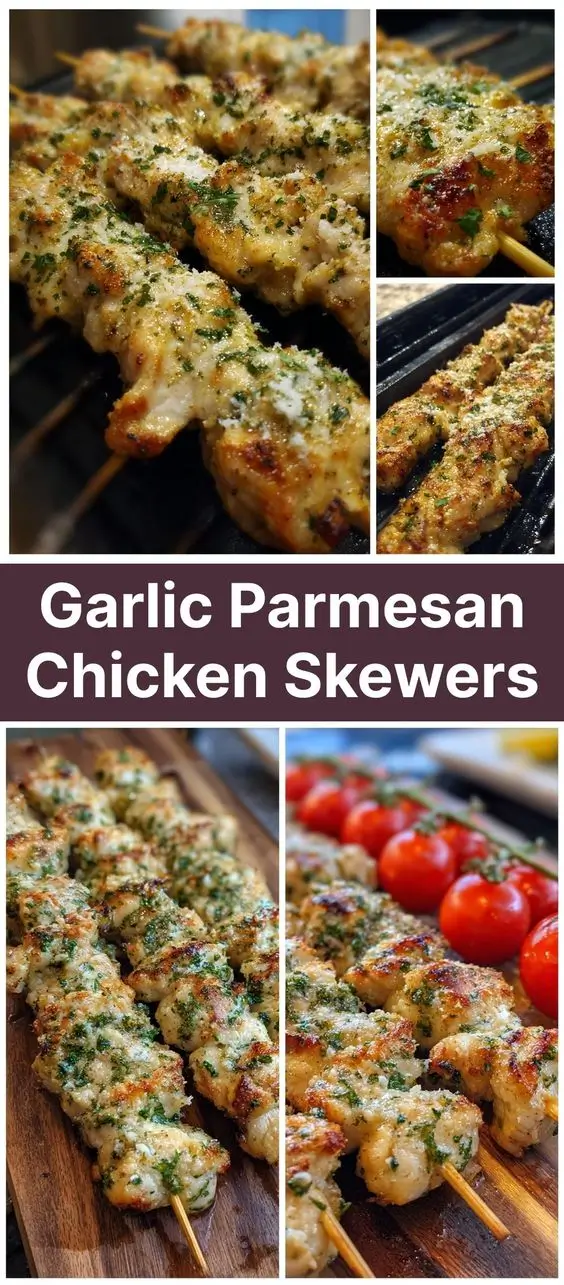
Garlic Parmesan Chicken Skewers: A Flavorful, Juicy Delight for Every Occasion
The History of Garlic Parmesan Chicken Skewers
While skewered meats have been a culinary staple across cultures for thousands of years—dating back to ancient Middle Eastern and Mediterranean civilizations—the modern iteration of Garlic Parmesan Chicken Skewers is a delicious fusion born from the marriage of Italian-inspired flavors and American grilling culture. The concept of threading marinated meat onto sticks likely originated in regions like Turkey and Greece, where souvlaki and shish kebabs became household staples. These dishes traditionally featured lamb or pork, but as chicken gained popularity in Western diets during the 20th century due to its lean protein profile and versatility, it quickly replaced red meats in many skewer recipes.
The addition of garlic and Parmesan cheese—a hallmark of Italian cooking—into chicken skewers reflects the global influence of Italian-American cuisine. Garlic has long been celebrated not only for its pungent aroma and bold flavor but also for its health benefits, dating back to ancient Egypt and Greece. Parmesan cheese, specifically Parmigiano-Reggiano, hails from Italy’s Emilia-Romagna region and has been produced for nearly a millennium. Its rich umami taste and granular texture make it an ideal complement to grilled meats.
Garlic Parmesan Chicken Skewers as we know them today likely emerged in the late 20th century, popularized by home cooks, food bloggers, and restaurant chefs looking to create easy yet elegant appetizers or main courses. They gained traction at backyard barbecues, dinner parties, and even gourmet food trucks, thanks to their balance of savory, cheesy, garlicky goodness with tender, juicy chicken. Today, they are a beloved recipe found in cookbooks, online recipe hubs, and family kitchens around the world, often customized with herbs, spices, and different marinades to suit personal tastes.
Ingredients Breakdown: What Makes This Recipe Shine
The magic of Garlic Parmesan Chicken Skewers lies in the harmony of high-quality ingredients that work together to create layers of flavor. Each component plays a crucial role in building the final taste profile:
- Chicken Breast: Boneless, skinless chicken breasts are preferred for their lean texture and ability to absorb marinade flavors. They stay moist when grilled properly and provide a clean canvas for seasoning.
- Fresh Garlic: Minced fresh garlic delivers a sharp, aromatic punch that mellows slightly during cooking, leaving behind a rich depth of flavor. Avoid pre-minced jarred garlic if possible for optimal taste.
- Parmesan Cheese: Real grated Parmigiano-Reggiano adds a salty, nutty complexity. Pre-grated versions may contain anti-caking agents; freshly grated melts better and tastes superior.
- Olive Oil: Extra virgin olive oil acts as a carrier for fat-soluble flavors, keeps the chicken moist during grilling, and helps achieve a beautiful sear.
- Fresh Herbs: Parsley and oregano (or thyme) bring brightness and earthiness, balancing the richness of cheese and garlic.
- Lemon Juice: A splash of acidity enhances all other flavors, tenderizes the chicken slightly, and prevents the dish from feeling too heavy.
- Salt and Black Pepper: Essential seasonings that elevate every ingredient without overpowering them.
- Optional Additions: Red pepper flakes for heat, onion powder for sweetness, or Dijon mustard for tang can deepen the marinade’s complexity.
Step-by-Step Recipe: How to Make Perfect Garlic Parmesan Chicken Skewers
Follow these detailed steps to create restaurant-quality Garlic Parmesan Chicken Skewers right in your own kitchen:
- Prepare the Chicken: Begin by trimming any excess fat from 2 pounds (about 900g) of boneless, skinless chicken breasts. Cut the meat into uniform 1.5-inch cubes. Uniformity ensures even cooking—no dry or undercooked pieces.
- Make the Marinade: In a large mixing bowl, combine 1/3 cup extra virgin olive oil, 6 cloves of freshly minced garlic, 1/2 cup freshly grated Parmesan cheese, 2 tablespoons chopped fresh parsley, 1 teaspoon dried oregano, juice of half a lemon (about 1.5 tablespoons), 1 teaspoon kosher salt, and 1/2 teaspoon freshly ground black pepper. Optional: add 1/4 teaspoon red pepper flakes or 1 teaspoon onion powder for extra dimension.
- Mix Thoroughly: Add the chicken cubes to the marinade and toss gently until each piece is evenly coated. Use clean hands or tongs to ensure full coverage.
- Marinate: Cover the bowl with plastic wrap or transfer to a sealed container. Refrigerate for at least 30 minutes, but ideally 2 to 4 hours. Do not exceed 8 hours, as the acid in lemon juice can start to “cook” the chicken and alter its texture.
- Soak the Skewers: If using wooden or bamboo skewers, soak them in water for at least 30 minutes prior to threading to prevent burning on the grill or under the broiler.
- Preheat Cooking Surface: Preheat your grill, grill pan, or oven broiler. For grilling, aim for medium-high heat (around 375°F–400°F). For broiling, set the oven rack 6 inches below the heat source and preheat on high.
- Thread the Skewers: Remove chicken from marinade (shake off excess) and thread onto skewers, leaving small gaps between pieces for even heat distribution. You should get about 4–6 skewers depending on size.
- Grill or Broil: Place skewers on the preheated grill or broiler pan. Cook for 3–4 minutes per side, turning occasionally, until the chicken reaches an internal temperature of 165°F (74°C) and develops golden-brown grill marks. Baste lightly with leftover marinade during the first few minutes if desired (but discard any used marinade after contact with raw chicken).
- Add Extra Cheese (Optional): In the last minute of cooking, sprinkle additional Parmesan cheese over the tops of the skewers so it melts slightly and forms a savory crust.
- Rest and Serve: Let the skewers rest for 3–5 minutes before serving. This allows juices to redistribute, ensuring maximum tenderness.
Tips for Success: Mastering the Art of Garlic Parmesan Chicken Skewers
To elevate your Garlic Parmesan Chicken Skewers from good to extraordinary, consider these expert tips:
- Use Fresh Ingredients: Fresh garlic, real Parmesan, and fresh herbs make a noticeable difference compared to powdered or processed alternatives.
- Don’t Over-Marinate: While longer marination sounds tempting, acidic components like lemon juice can denature proteins and result in a mushy texture if left too long.
- Uniform Cutting: Keep chicken pieces consistent in size to avoid some being overcooked while others remain underdone.
- Avoid Crowding: Whether grilling or broiling, allow space between skewers so heat circulates evenly.
- Check Internal Temperature: Always use a meat thermometer to confirm doneness. Visual cues can be misleading, especially with white meat.
- Baste Wisely: Only baste during the first few minutes of cooking using unused marinade reserved before adding raw chicken.
- Let It Rest: Skipping the resting phase causes juices to spill out when you bite into the chicken, leading to drier results.
- Rotate Evenly: Turn skewers frequently for balanced browning and to prevent charring.
Variations and Customizations: Make It Your Own
One of the greatest strengths of this recipe is its adaptability. Try these creative twists to keep things exciting:
- Creamy Version: Stir 2 tablespoons of cream cheese or mascarpone into the marinade for a richer, more decadent coating.
- Herb Swap: Replace parsley with basil for a summery vibe, or cilantro for a zesty, Latin-inspired kick.
- Cajun Kick: Add 1 tablespoon of Cajun seasoning to the marinade for a spicy, smoky variation.
- Honey Garlic Twist: Mix in 1–2 tablespoons of honey to create a sweet-and-savory glaze that caramelizes beautifully on the grill.
- Dairy-Free Option: Omit Parmesan and use nutritional yeast for a cheesy flavor without dairy, or try a plant-based hard cheese alternative.
- Keto-Friendly: This recipe is naturally low-carb and keto-compliant. Serve with cauliflower rice or grilled vegetables.
- Veggie-Inclusive Skewers: Alternate chicken with cherry tomatoes, bell peppers, red onions, or zucchini for colorful, nutritious kabobs.
- Asian Fusion: Swap Parmesan for soy sauce, sesame oil, and ginger, then finish with toasted sesame seeds for an Eastern twist.
- Smoked Flavor: Use smoked paprika or grill over wood chips like hickory or applewood for a deeper, campfire-like aroma.
- Skewer-Free Option: Bake or air-fry the marinated chicken cubes as bites for salads, wraps, or pasta dishes.
Health Considerations and Nutritional Value
Garlic Parmesan Chicken Skewers can be a healthy and nutritious meal when prepared mindfully. Here’s a breakdown of key nutritional aspects:
Nutrition Facts (per serving, approximately 2 skewers):
- Calories: ~220–250 kcal
- Protein: ~30g (excellent source of lean protein)
- Fat: ~10–12g (mostly unsaturated from olive oil)
- Carbohydrates: ~2–3g (very low-carb friendly)
- Sodium: ~500–700mg (moderate; reduce salt if needed)
- Calcium: ~150mg (from Parmesan cheese)
- Vitamin C & K: From fresh herbs and lemon juice
Health Benefits:
- Lean Protein Source: Supports muscle growth, repair, and satiety.
- Heart-Healthy Fats: Olive oil contains monounsaturated fats linked to improved cardiovascular health.
- Immune Support: Garlic contains allicin, a compound studied for its antimicrobial and immune-boosting properties.
- Bone Health: Parmesan cheese provides calcium and phosphorus, essential for strong bones.
- Antioxidants: Herbs like parsley and oregano are rich in antioxidants that combat oxidative stress.
Considerations:
- Sodium Content: Parmesan and added salt contribute to sodium levels. Those managing hypertension should opt for low-sodium cheese or reduce salt in the marinade.
- Cooking Method: Grilling or broiling is healthier than frying. Avoid charring excessively, as burnt meat may produce harmful compounds like heterocyclic amines (HCAs).
- Dairy Sensitivity: Individuals with lactose intolerance may tolerate Parmesan well (it’s very low in lactose), but those with casein sensitivity should avoid it.
- Balanced Meal: Pair with quinoa, brown rice, or a fresh green salad to add fiber and complex carbs for a well-rounded plate.
Ingredients
- 2 lbs (900g) boneless, skinless chicken breasts, cut into 1.5-inch cubes
- 1/3 cup extra virgin olive oil
- 6 cloves fresh garlic, finely minced
- 1/2 cup freshly grated Parmesan cheese (plus extra for garnish)
- 2 tbsp fresh parsley, finely chopped
- 1 tsp dried oregano
- 1.5 tbsp fresh lemon juice (from 1/2 lemon)
- 1 tsp kosher salt
- 1/2 tsp freshly ground black pepper
- Optional: 1/4 tsp red pepper flakes, 1 tsp onion powder, or 1 tbsp Dijon mustard
- 8–10 wooden or bamboo skewers (soaked in water for 30+ minutes)
Directions
- Cut chicken breasts into uniform 1.5-inch cubes. Trim excess fat for best texture.
- In a large bowl, whisk together olive oil, minced garlic, grated Parmesan, parsley, oregano, lemon juice, salt, pepper, and any optional ingredients.
- Add chicken to the marinade and toss until fully coated. Cover and refrigerate for 30 minutes to 4 hours.
- Soak wooden skewers in water during marination time to prevent burning.
- Preheat grill or broiler to medium-high heat (375°F–400°F). For broiling, position rack 6 inches from heat source.
- Remove chicken from marinade (discard used marinade) and thread onto skewers, leaving small spaces between pieces.
- Place skewers on the grill or broiler pan. Cook 3–4 minutes per side, turning occasionally, until chicken reaches 165°F internally.
- For extra cheesy tops, sprinkle additional Parmesan in the last minute of cooking.
- Remove from heat and let rest for 3–5 minutes before serving.
- Garnish with extra parsley and a light sprinkle of Parmesan. Serve warm with sides of choice.
FAQ
Can I make Garlic Parmesan Chicken Skewers ahead of time?
Yes! Marinate the chicken up to 4 hours in advance and store covered in the fridge. Assemble skewers just before cooking to prevent drying.
Can I bake these instead of grilling?
Absolutely. Preheat oven to 400°F. Place skewers on a lined baking sheet and bake for 18–22 minutes, flipping halfway through.
How do I prevent the chicken from sticking?
Ensure your grill grate is clean and lightly oiled before placing skewers. Non-stick spray or brushing skewers with oil helps too.
Can I freeze these skewers?
It’s best to freeze uncooked marinated chicken (without assembling skewers). Freeze in a zip-top bag for up to 3 months. Thaw overnight before skewering and cooking.
Are these skewers gluten-free?
Yes, provided all ingredients used are certified gluten-free. Parmesan cheese is naturally gluten-free, but check labels for additives.
What sides go well with Garlic Parmesan Chicken Skewers?
Excellent pairings include garlic butter rice, roasted vegetables, Greek salad, couscous, grilled corn, orzo pasta, or a simple arugula salad with lemon vinaigrette.
Can I use chicken thighs instead of breasts?
Yes. Boneless, skinless chicken thighs will yield juicier, more flavorful results but with higher fat content. Adjust cooking time slightly as needed.
Why did my cheese burn?
Parmesan can burn easily under high direct heat. To prevent this, either mix it into the marinade (which chars less) or add extra on top only during the last minute of cooking.
Can I use frozen chicken?
Not recommended. Always thaw chicken completely before marinating and cooking for even absorption of flavors and safe preparation.
How long do leftovers last?
Store cooled skewers in an airtight container in the refrigerator for up to 3–4 days. Reheat gently in oven or skillet to preserve texture.
Summary
Garlic Parmesan Chicken Skewers combine tender grilled chicken with a bold, savory marinade of fresh garlic, Parmesan cheese, herbs, and lemon for a mouthwatering dish perfect for weeknight dinners or entertaining guests.
Easy to customize, rich in protein, and bursting with Mediterranean-inspired flavor, these skewers are sure to become a staple in your recipe rotation.