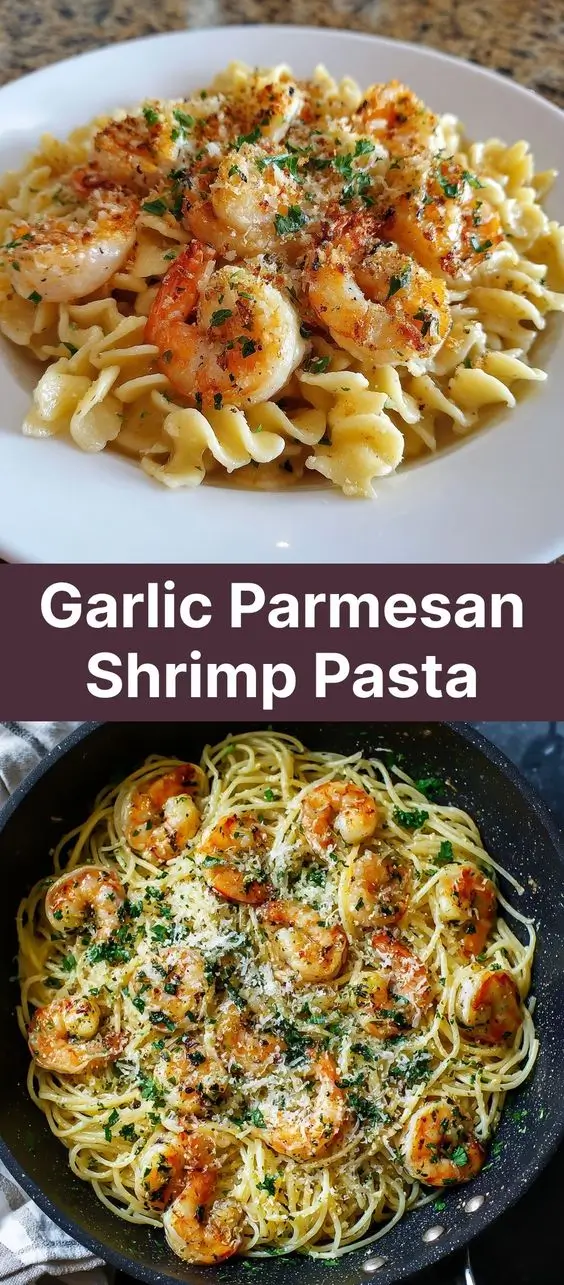
Garlic Parmesan Shrimp Pasta: A Creamy, Flavorful Delight
Indulge in the rich, savory taste of Garlic Parmesan Shrimp Pasta—a dish that combines succulent shrimp with al dente pasta, bathed in a creamy garlic and Parmesan sauce. This elegant yet easy-to-make meal is perfect for weeknight dinners or impressing guests at weekend gatherings. With its bold flavors, luxurious texture, and minimal prep time, it’s no wonder this recipe has become a staple in modern home cooking.
The History of Garlic Parmesan Shrimp Pasta
While pasta dishes have deep roots in Italian cuisine, Garlic Parmesan Shrimp Pasta is more of a contemporary American-Italian fusion creation. Traditional Italian cooking often features simple preparations—olive oil, garlic, seafood, and fresh herbs—but the addition of heavy cream and grated Parmesan to create a rich sauce reflects American culinary preferences for indulgent, creamy textures.
Shrimp scampi, a classic Italian-American dish made with garlic, butter, white wine, and lemon, likely served as inspiration. Over time, home cooks began experimenting by adding cream and cheese, transforming the light scampi into a more decadent version. The use of Parmesan cheese, especially aged Parmigiano-Reggiano, brought nutty depth and umami richness to the dish.
By the early 2000s, variations of creamy garlic shrimp pasta started appearing in food blogs, cookbooks, and restaurant menus across the United States. Its popularity soared due to its balance of protein, carbs, and flavor, making it ideal for both comfort food lovers and those seeking something slightly upscale without excessive effort.
Today, Garlic Parmesan Shrimp Pasta stands as a symbol of modern fusion cooking—honoring traditional elements while embracing innovation and convenience. It’s frequently adapted with ingredients like sun-dried tomatoes, spinach, or crushed red pepper, reflecting global influences and personal tastes.
Ingredients Breakdown: What Makes This Dish Shine?
The magic of Garlic Parmesan Shrimp Pasta lies in its carefully balanced ingredients, each contributing to the overall harmony of flavor, texture, and aroma. Let’s take a closer look at what goes into this delicious dish:
- Shrimp: Fresh or frozen medium-sized shrimp (31–40 count per pound) are ideal. Peeled and deveined, they cook quickly and absorb the sauce beautifully. Their natural sweetness pairs perfectly with garlic and cheese.
- Pasta: Fettuccine or linguine works best due to their ability to hold creamy sauces. However, penne, spaghetti, or even gluten-free pasta can be used based on preference.
- Garlic: The star of the show. Freshly minced garlic delivers a pungent, aromatic kick that mellows when sautéed in butter or oil.
- Butter & Olive Oil: A combination of both adds richness and prevents the butter from burning. Olive oil brings a fruity note, while butter contributes creaminess.
- Heavy Cream: Forms the base of the sauce, providing a velvety texture and helping emulsify the Parmesan cheese.
- Grated Parmesan Cheese: Use freshly grated Parmigiano-Reggiano for maximum flavor. Pre-grated versions often contain anti-caking agents that can make the sauce grainy.
- Chicken or Vegetable Broth: Adds depth and helps thin the sauce slightly, ensuring it coats every strand of pasta evenly.
- Lemon Juice: Brightens the dish, cutting through the richness and enhancing the shrimp’s freshness.
- Fresh Herbs: Parsley is most common, but basil or chives can add complexity. They provide color and a fresh finish.
- Salt & Black Pepper: Essential seasonings to enhance all other components.
- Optional Add-ins: Red pepper flakes (for heat), sun-dried tomatoes, spinach, mushrooms, or white wine for deglazing.
Step-by-Step Recipe: How to Make Perfect Garlic Parmesan Shrimp Pasta
Follow these detailed steps to create a restaurant-quality Garlic Parmesan Shrimp Pasta right in your kitchen. This recipe serves 4 and takes about 30 minutes from start to finish.
Ingredients
- 12 oz fettuccine or linguine
- 1 lb medium shrimp (peeled and deveined)
- 4 tbsp unsalted butter
- 2 tbsp olive oil
- 6 cloves garlic, minced
- 1 cup heavy cream
- 1 cup chicken or vegetable broth
- 1 cup freshly grated Parmesan cheese
- Juice of half a lemon (about 1–2 tbsp)
- ¼ cup chopped fresh parsley
- Salt and freshly ground black pepper to taste
- ½ tsp red pepper flakes (optional)
- 1 tbsp all-purpose flour (optional, for thickening)
Directions
- Cook the Pasta: Bring a large pot of salted water to a boil. Add the pasta and cook according to package instructions until al dente. Reserve ½ cup of pasta water before draining. Set aside.
- Prepare the Shrimp: Pat the shrimp dry with paper towels. Season lightly with salt and pepper. This helps them sear better and enhances flavor.
- Sauté the Garlic: In a large skillet over medium heat, combine butter and olive oil. Once the butter has melted and starts to foam slightly, add the minced garlic. Cook for 1–2 minutes, stirring constantly, until fragrant but not browned (to avoid bitterness).
- Cook the Shrimp: Increase the heat to medium-high. Add the shrimp in a single layer. Sear for 1–2 minutes per side until pink, opaque, and slightly caramelized. Remove the shrimp from the pan and set aside.
- Create the Sauce Base: Reduce heat to medium. If using flour for thickening, sprinkle it into the pan and stir for 30 seconds to form a roux. Gradually pour in the heavy cream and broth, whisking continuously to prevent lumps.
- Simmer the Sauce: Bring the mixture to a gentle simmer. Let it reduce slightly for 3–5 minutes until it begins to thicken. Stir occasionally to prevent sticking.
- Add Cheese: Lower the heat to low. Gradually stir in the grated Parmesan cheese, one handful at a time, allowing each addition to melt fully before adding more. Avoid high heat to prevent the sauce from breaking or becoming grainy.
- Finish with Lemon and Seasoning: Stir in the lemon juice, red pepper flakes (if using), and half of the chopped parsley. Taste and adjust seasoning with salt and pepper as needed.
- Combine Everything: Return the cooked shrimp to the skillet. Add the drained pasta and toss everything together thoroughly, adding reserved pasta water as needed (a few tablespoons at a time) to loosen the sauce and help it coat the noodles evenly.
- Serve Immediately: Divide among warm plates or bowls. Garnish with remaining parsley and an extra sprinkle of Parmesan. Serve with lemon wedges on the side for added brightness.
Pro Tips for Success
- Don’t Overcook the Shrimp: Shrimp cook very quickly—usually 2–3 minutes total. Overcooking leads to rubbery texture. Remove them from the heat just as they turn opaque.
- Use Freshly Grated Cheese: Pre-shredded cheese contains cellulose which doesn’t melt smoothly and can leave your sauce gritty.
- Control the Heat: Keep the temperature low when melting cheese into the cream to prevent separation. High heat causes proteins in dairy to curdle.
- Reserve Pasta Water: The starchy water helps bind the sauce to the pasta and improves consistency without diluting flavor.
- Bloom the Garlic: Cooking garlic in fat releases its essential oils and mellows its sharpness. Be careful not to burn it—burnt garlic turns bitter.
- Season in Layers: Season the shrimp, the sauce, and the final dish. Layered seasoning ensures balanced flavor throughout.
- Rest Before Serving: Let the dish sit for a minute after mixing—it allows the pasta to absorb some sauce and enhances overall cohesion.
Variations and Customizations
One of the greatest strengths of Garlic Parmesan Shrimp Pasta is its adaptability. Whether you’re catering to dietary needs, seasonal ingredients, or adventurous palates, here are several creative twists:
Vegetarian Version
Replace shrimp with sautéed mushrooms (like cremini or oyster), artichoke hearts, zucchini ribbons, or roasted bell peppers. You can also add baby spinach or kale during the last minute of cooking for a pop of color and nutrition.
Dairy-Free / Vegan Option
Substitute butter with vegan margarine or coconut oil. Use full-fat coconut milk instead of heavy cream. For “Parmesan,” blend cashews with nutritional yeast, garlic powder, and lemon juice to mimic the cheesy flavor.
Gluten-Free Adaptation
Use gluten-free pasta made from rice, corn, or quinoa. Ensure the broth and any optional flour substitute (like cornstarch or arrowroot) are also gluten-free.
Keto-Friendly Twist
Swap pasta for spiralized zucchini (zoodles), spaghetti squash, or shirataki noodles. Use a low-carb thickener like xanthan gum instead of flour if needed. Increase healthy fats with avocado slices or a drizzle of olive oil.
Mediterranean Style
Add sun-dried tomatoes, kalamata olives, capers, and crumbled feta. Finish with a touch of oregano for a Greek-inspired flair.
Cajun Kick
Season the shrimp with Cajun spice blend before cooking. Add diced bell peppers and onions to the skillet for a jambalaya-like twist. A splash of hot sauce at the end boosts heat.
Wine-Infused Elegance
After sautéing the garlic, deglaze the pan with ½ cup of dry white wine (such as Sauvignon Blanc or Pinot Grigio). Let it reduce by half before adding cream and broth. This adds complexity and acidity to the sauce.
Herb-Forward Version
Increase the amount of fresh herbs—try tarragon, dill, or chervil—for a more aromatic profile. Basil pairs especially well with tomato additions.
Health Considerations and Nutritional Value
Garlic Parmesan Shrimp Pasta can be part of a balanced diet when enjoyed in moderation and prepared with mindful ingredient choices. Here’s a breakdown of its nutritional aspects:
Nutritional Highlights (Per Serving, Approximate)
| Nutrient | Amount |
|---|---|
| Calories | 580–650 kcal |
| Protein | 30–35 g |
| Total Fat | 25–30 g |
| Saturated Fat | 12–15 g |
| Carbohydrates | 50–55 g |
| Fiber | 2–3 g |
| Sugar | 2–3 g |
| Sodium | 600–900 mg |
| Cholesterol | 180–200 mg |
Benefits
- High-Quality Protein: Shrimp is low in fat and rich in lean protein, supporting muscle maintenance and satiety.
- Rich in Selenium & Iodine: Shrimp provides essential minerals important for thyroid function and antioxidant defense.
- Omega-3 Fatty Acids: Though modest, shrimp contain heart-healthy fats that support brain and cardiovascular health.
- Calcium & Phosphorus: Parmesan cheese contributes bone-supporting nutrients.
- Allicin from Garlic: Known for its antimicrobial and anti-inflammatory properties, garlic may support immune health.
Considerations
- Saturated Fat Content: Heavy cream and butter contribute saturated fat. Those monitoring cholesterol should consider lighter alternatives like half-and-half or evaporated milk.
- Sodium Levels: Store-bought broth and Parmesan can be high in sodium. Opt for low-sodium versions and control added salt.
- Portion Control: Due to calorie density, stick to recommended serving sizes (about 1.5 cups per person).
- Shellfish Allergies: Shrimp is a common allergen. Always label dishes accordingly when serving others.
- Purine Content: Shellfish are moderately high in purines, which may affect individuals with gout. Consult a healthcare provider if concerned.
How to Lighten Up the Dish
- Use Greek yogurt or blended cottage cheese instead of some cream.
- Reduce cheese quantity slightly and boost flavor with garlic, lemon, and herbs.
- Add volume with non-starchy vegetables like broccoli, asparagus, or cherry tomatoes.
- Cook shrimp with less butter and blot excess oil after searing.
Frequently Asked Questions (FAQ)
Can I use frozen shrimp?
Yes! Frozen shrimp work perfectly. Thaw them in the refrigerator overnight or under cold running water. Pat dry before cooking to ensure proper searing.
Can I make this ahead of time?
It’s best served fresh, but you can prep components separately. Cook the pasta and store it with a drizzle of oil; keep sauce and shrimp refrigerated. Reheat gently on the stove, combining everything just before serving.
Why did my sauce break or become grainy?
This usually happens when the heat is too high when adding cheese or cream. Always lower the heat and stir constantly. If the sauce breaks, try whisking in a spoonful of cold butter or a splash of cold cream to bring it back together.
Can I freeze Garlic Parmesan Shrimp Pasta?
Not recommended. Dairy-based sauces tend to separate upon freezing and thawing. Shrimp also becomes tough when reheated after freezing. Enjoy leftovers within 2–3 days in the fridge.
What can I serve with this dish?
Pair with a crisp green salad, garlic bread, or steamed vegetables like green beans or asparagus. A chilled glass of white wine like Chardonnay or Pinot Grigio complements the flavors beautifully.
Is this dish spicy?
Not unless you add red pepper flakes or spicy seasoning. The default version is creamy and garlicky with a hint of lemon—mild and family-friendly.
Can I use pre-cooked shrimp?
You can, but raw shrimp yield better flavor and texture. If using cooked shrimp, add them at the very end just to warm through—overheating makes them rubbery.
What if I don’t have Parmesan?
Try Pecorino Romano (saltier and sharper), Asiago, or a vegetarian hard cheese alternative. Avoid mild cheeses like mozzarella—they won’t provide the same umami punch.
Can I make it in one pot?
Yes! There are one-pot versions where you cook the pasta directly in the sauce using slightly more broth. Just monitor closely to prevent sticking and adjust liquid as needed.
How do I reheat leftovers?
Reheat gently in a skillet over low heat with a splash of milk, broth, or water to revive the sauce. Microwaving can cause uneven heating and rubbery shrimp.
Summary
Garlic Parmesan Shrimp Pasta is a luxurious yet simple dish that blends plump shrimp, al dente pasta, and a creamy garlic-Parmesan sauce into a satisfying meal ready in under 30 minutes. Packed with flavor and adaptable to various diets, it’s a modern classic perfect for any occasion.