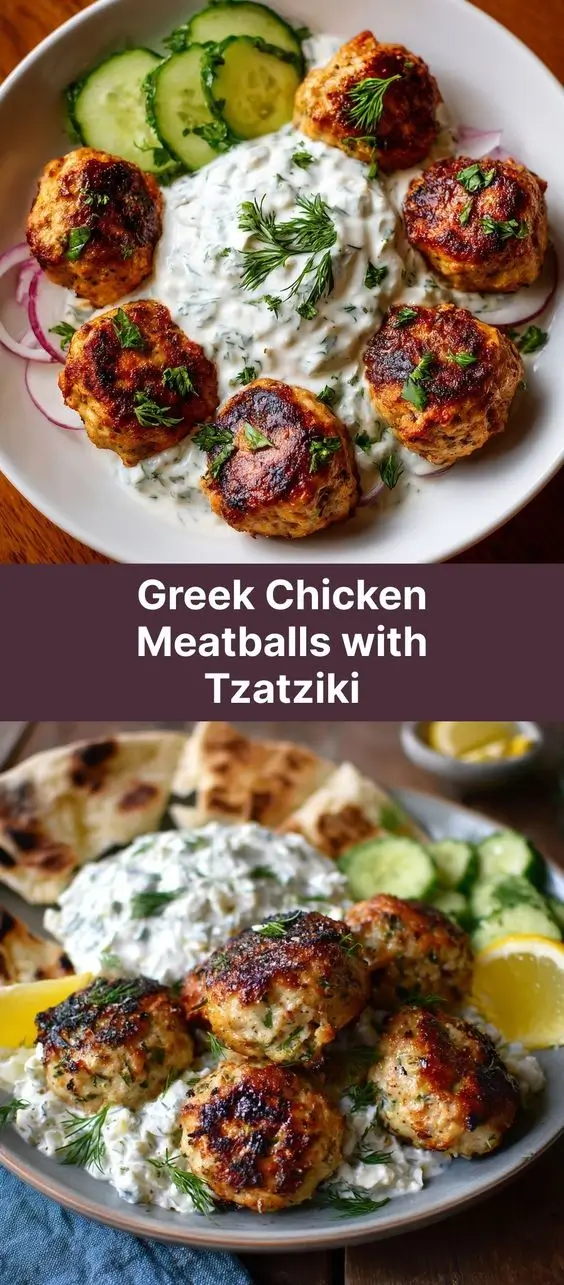
Greek Chicken Meatballs with Tzatziki: A Flavorful Mediterranean Delight
The History of Greek Chicken Meatballs
The tradition of meatballs spans cultures and centuries, but in Greece, they are known as keftedes (κεφτέδες), a beloved staple of Mediterranean cuisine. Originating from ancient times when leftover meats were mixed with herbs and grains to stretch meals, keftedes evolved into a refined dish celebrated across the Aegean islands and mainland Greece. Influenced by Middle Eastern kofta and Balkan culinary traditions, Greek meatballs often feature lamb or beef, but modern adaptations—like these chicken keftedes—reflect a lighter, healthier approach without sacrificing flavor.
Chicken-based keftedes have gained popularity in recent decades, especially among health-conscious eaters and those seeking leaner protein options. The use of ground chicken allows for a tender texture while absorbing the bold flavors of oregano, garlic, lemon, and fresh herbs typical of Greek cooking. Paired traditionally with tzatziki—a cooling yogurt-cucumber sauce—this dish embodies the essence of Mediterranean balance: savory, tangy, fresh, and aromatic.
Historically, tzatziki itself dates back to ancient Greece, where strained yogurt was combined with cucumbers and herbs as a refreshing accompaniment to grilled meats and pita bread. Over time, it became an iconic condiment throughout the Eastern Mediterranean and the Middle East. Together, Greek chicken meatballs and tzatziki represent not only a delicious meal but also a cultural fusion of taste, tradition, and wellness that continues to captivate palates worldwide.
Ingredients Breakdown: What Makes This Dish Shine
The magic of Greek chicken meatballs lies in the harmonious blend of simple yet vibrant ingredients that elevate humble ground chicken into a gourmet experience. Each component plays a vital role in building layers of flavor, moisture, and texture.
For the Chicken Meatballs:
- Ground Chicken (1 lb / 450g): Use a mix of white and dark meat for optimal juiciness. Pure breast meat can dry out during cooking, so combining thigh meat ensures tenderness.
- Fresh Breadcrumbs (½ cup): Made from day-old rustic bread, these help bind the mixture while adding lightness. Panko works too, though traditional recipes favor homemade crumbs.
- Grated Onion (¼ cup): Adds natural sweetness and moisture. Squeeze out excess liquid using a cheesecloth or paper towel to prevent soggy meatballs.
- Garlic (3 cloves, minced): Essential for depth and pungency. Fresh is best; avoid pre-minced varieties for superior taste.
- Fresh Parsley (¼ cup finely chopped): Brightens the dish with herbal freshness. Flat-leaf parsley is preferred over curly for its robust flavor.
- Dried Oregano (1 tsp): A hallmark of Greek seasoning, oregano brings earthy, slightly floral notes that define Mediterranean cuisine.
- Lemon Zest (from 1 lemon): Infuses citrus brightness without acidity. Only the outer yellow layer should be used—avoid the bitter white pith.
- Lemon Juice (1 tbsp): Enhances flavor and helps keep the meatballs moist. Also acts as a natural tenderizer.
- Extra Virgin Olive Oil (1 tbsp): Adds richness and aids in browning. Choose cold-pressed, high-quality oil for authentic taste.
- Egg (1 large): Acts as a binder to hold the ingredients together. For egg-free versions, flaxseed meal mixed with water can substitute.
- Salt (¾ tsp) and Black Pepper (½ tsp): Seasoning essentials. Adjust to taste, keeping in mind that feta (if added) contributes saltiness.
- Feta Cheese (optional, ⅓ cup crumbled): Adds creaminess and tang. Traditional in many regional variations, especially in island-style keftedes.
For the Tzatziki Sauce:
- Full-Fat Greek Yogurt (1 cup): Provides thickness and creaminess. Low-fat versions may result in a watery sauce.
- Cucumber (½ medium, peeled and grated): Must be seeded and drained thoroughly to avoid diluting the sauce. English cucumbers work well due to fewer seeds.
- Garlic (2 cloves, finely minced or pressed): Gives tzatziki its signature kick. Reduce if sensitive to raw garlic heat.
- Fresh Dill (1 tbsp chopped): Complements cucumber and adds a delicate herbaceous note. Mint can be added for extra freshness.
- Lemon Juice (1 tbsp): Balances richness with acidity.
- Olive Oil (1 tsp): Drizzled on top for gloss and flavor enhancement.
- Salt (¼ tsp) and Pepper (pinch): To season properly. Chill before serving to let flavors meld.
Step-by-Step Recipe: How to Make Perfect Greek Chicken Meatballs with Tzatziki
Preparing the Tzatziki (Best Made Ahead):
- Peel and halve the cucumber lengthwise. Scoop out the seeds with a spoon and grate the flesh using a box grater.
- Place the grated cucumber in a clean kitchen towel or cheesecloth and squeeze firmly to remove as much liquid as possible. This step is crucial for a thick, creamy tzatziki.
- In a medium bowl, combine the drained cucumber, Greek yogurt, minced garlic, chopped dill, lemon juice, olive oil, salt, and pepper.
- Mix until smooth and uniform. Cover with plastic wrap and refrigerate for at least 1 hour—or ideally overnight—for maximum flavor development.
Preparing the Chicken Meatballs:
- In a large mixing bowl, add the grated onion and sprinkle with a pinch of salt. Let sit for 5 minutes, then wrap in a clean cloth and squeeze out excess moisture.
- Add the ground chicken, fresh breadcrumbs, squeezed onion, minced garlic, chopped parsley, oregano, lemon zest, lemon juice, olive oil, egg, salt, pepper, and optional feta cheese.
- Using your hands, gently mix all ingredients just until combined. Do not overmix, as this can lead to tough meatballs.
- Cover the bowl and refrigerate the mixture for 20–30 minutes. Chilling firms up the mixture, making it easier to shape and helping the meatballs hold their form during cooking.
- Preheat oven to 400°F (200°C). Line a baking sheet with parchment paper or foil and lightly grease it with olive oil.
- With damp hands (to prevent sticking), roll the mixture into 1.5-inch balls—about the size of a golf ball. Place them evenly spaced on the baking sheet.
- Bake for 18–22 minutes, rotating the pan halfway through, until golden brown and internal temperature reaches 165°F (74°C).
- Alternatively, cook in a skillet: Heat 1–2 tablespoons of olive oil over medium heat and sear meatballs in batches for 3–4 minutes per side until cooked through. Drain on paper towels if desired.
Serving Suggestions:
- Serve hot meatballs over a bed of fluffy couscous, quinoa, or orzo pasta.
- Slide them into warm pita pockets with shredded lettuce, tomatoes, red onions, and a generous dollop of tzatziki for a handheld gyro-style meal.
- Arrange on a platter with grilled vegetables, olives, hummus, and pita chips for a Mediterranean mezze board.
- Garnish with extra chopped parsley, a drizzle of olive oil, and a wedge of lemon for presentation.
Tips for Success
- Keep Ingredients Cold Until Ready to Mix: Warm meat binds poorly and becomes greasy. Keep ground chicken chilled until mixing.
- Don’t Overmix: Overworking the meat leads to dense, rubbery meatballs. Mix just until ingredients are incorporated.
- Use a Cookie Scoop for Uniform Size: A small ice cream or cookie scoop ensures even cooking and professional appearance.
- Test One First: Pan-fry a small test meatball to check seasoning and adjust salt or spices before shaping the entire batch.
- Baking vs. Pan-Frying: Baking is healthier and hands-off; pan-frying gives a crispier exterior. Both methods work—choose based on preference.
- Avoid Crowding the Pan: Whether baking or frying, leave space between meatballs for proper air circulation and browning.
- Rest Before Serving: Let meatballs rest for 5 minutes after cooking to allow juices to redistribute.
- Double the Tzatziki: It keeps well for up to 5 days and pairs beautifully with grilled veggies, falafel, or as a dip for pita.
Variations and Customizations
This recipe is highly adaptable to dietary needs and flavor preferences. Here are some creative twists:
Dietary Adaptations:
- Gluten-Free: Replace breadcrumbs with gluten-free panko or crushed gluten-free crackers. Almond flour (¼ cup) also works as a low-carb alternative.
- Dairy-Free: Skip feta in the meatballs and use coconut yogurt (thick, unsweetened) for tzatziki. Add a splash of apple cider vinegar for tang.
- Keto/Low-Carb: Use almond flour instead of breadcrumbs and serve over zucchini noodles or cauliflower rice.
- Paleo: Omit breadcrumbs and egg; use mashed sweet potato or plantain as a binder. Use compliant dairy or skip cheese entirely.
Flavor Twists:
- Spicy Version: Add ½ tsp smoked paprika or a pinch of cayenne pepper to the meat mixture. Top tzatziki with a dash of hot sauce or harissa.
- Mediterranean Herb Blend: Add chopped mint or basil along with parsley for a more complex herbal profile.
- Lemon-Dill Focus: Double the lemon zest and add 1 tsp dried dill to both meatballs and sauce for a brighter finish.
- Smoked Chicken Option: Use smoked ground chicken or add ¼ tsp liquid smoke for a grilled effect without the grill.
- Stuffed Meatballs: Insert a small cube of feta or kalamata olive into the center of each meatball before baking for a surprise burst of flavor.
Cooking Methods:
- Grilled: Thread meatballs onto skewers and grill over medium heat for 8–10 minutes, turning frequently. Great for summer barbecues.
- Air Fryer: Cook at 375°F (190°C) for 12–15 minutes, shaking basket halfway. Results in crispy outsides with juicy centers.
- Slow Cooker: Brown first, then transfer to slow cooker with tomato sauce for a Greek-inspired “meatball soup” served with crusty bread.
Health Considerations and Nutritional Value
Greek chicken meatballs with tzatziki offer a nutritionally balanced meal rich in protein, healthy fats, and fresh vegetables—making them a smart choice for those pursuing heart-healthy, anti-inflammatory, or Mediterranean-style diets.
Nutritional Highlights (Per Serving, approx. 4 meatballs + 2 tbsp tzatziki):
- Calories: ~280 kcal
- Protein: 26g – Supports muscle repair and satiety.
- Fat: 16g – Mostly unsaturated from olive oil and chicken, beneficial for cardiovascular health.
- Saturated Fat: 4g – Moderate, especially if using lean chicken and limiting feta.
- Carbohydrates: 8g – Primarily from breadcrumbs and vegetables; easily reduced for low-carb diets.
- Fiber: 1g – Can be increased by serving with whole grains or roasted vegetables.
- Sodium: ~500mg – Adjustable by reducing added salt and choosing lower-sodium yogurt.
- Vitamin C: From lemon and parsley—supports immune function.
- Calcium & Probiotics: From Greek yogurt—promotes gut and bone health.
- Zinc and Iron: From chicken—important for metabolism and oxygen transport.
Health Benefits of Key Ingredients:
- Chicken: Lean source of complete protein, low in saturated fat compared to red meat.
- Olive Oil: Rich in monounsaturated fats and antioxidants like polyphenols, linked to reduced inflammation and improved cholesterol levels.
- Garlic: Contains allicin, which has antimicrobial and potential blood-pressure-lowering properties.
- Lemon: High in vitamin C and citric acid, aiding iron absorption and digestion.
- Yogurt: Full-fat Greek yogurt contains probiotics that support digestive health and microbiome balance.
- Cucumber: Hydrating and low-calorie, rich in silica for skin and joint health.
- Parsley: Often overlooked, it’s packed with vitamin K, vitamin A, and flavonoids.
Dietary Notes:
These meatballs align well with Weight Watchers, DASH, and flexitarian diets. They’re naturally lower in carbs than traditional beef meatballs and free from processed additives when made at home. However, individuals with lactose intolerance should opt for dairy-free tzatziki alternatives, and those managing sodium intake should monitor added salt and feta usage.
Ingredients
Greek Chicken Meatballs:
- 1 lb (450g) ground chicken (preferably mix of breast and thigh)
- ½ cup fresh breadcrumbs (or gluten-free substitute)
- ¼ cup grated onion, squeezed dry
- 3 cloves garlic, minced
- ¼ cup fresh parsley, finely chopped
- 1 tsp dried oregano
- Zest of 1 lemon
- 1 tbsp fresh lemon juice
- 1 large egg
- 1 tbsp extra virgin olive oil
- ¾ tsp salt
- ½ tsp black pepper
- ⅓ cup crumbled feta cheese (optional)
Tzatziki Sauce:
- 1 cup full-fat Greek yogurt
- ½ medium cucumber, peeled, seeded, and grated
- 2 cloves garlic, minced
- 1 tbsp fresh dill, chopped
- 1 tbsp lemon juice
- 1 tsp extra virgin olive oil
- ¼ tsp salt
- Pinch of black pepper
Directions
- Make the tzatziki: Grate cucumber, remove seeds, and squeeze out all liquid. In a bowl, mix cucumber with yogurt, garlic, dill, lemon juice, olive oil, salt, and pepper. Chill for at least 1 hour.
- Prepare meatball mixture: In a large bowl, combine ground chicken, breadcrumbs, onion, garlic, parsley, oregano, lemon zest, lemon juice, egg, olive oil, salt, pepper, and feta (if using). Mix gently with hands until just combined.
- Chill: Cover and refrigerate mixture for 20–30 minutes to firm up.
- Preheat oven: Set to 400°F (200°C). Line a baking sheet with parchment paper and lightly grease.
- Shape meatballs: With damp hands, roll mixture into 1.5-inch balls (makes about 20). Arrange on baking sheet.
- Bake: Roast for 18–22 minutes, flipping halfway, until golden and internal temperature reaches 165°F (74°C).
- Alternative stovetop method: Heat olive oil in a skillet over medium heat. Sear meatballs in batches for 3–4 minutes per side until fully cooked.
- Serve: Plate warm meatballs with tzatziki, sides of choice, and garnishes. Drizzle with extra olive oil and lemon if desired.
FAQ
Can I freeze Greek chicken meatballs?
Yes! Cooked meatballs freeze well for up to 3 months. Cool completely, place in an airtight container or freezer bag, and reheat in oven at 350°F (175°C) for 15–20 minutes. Raw mixture can also be shaped and frozen on a tray before transferring to a bag—cook from frozen, adding a few extra minutes.
Why are my meatballs falling apart?
Common causes include insufficient binder (egg or breadcrumbs), overmixing, or skipping the chilling step. Ensure you’re using enough breadcrumbs and don’t overwork the meat. Chilling helps proteins set and improves cohesion.
Can I make these ahead of time?
Absolutely. Prepare the raw meatballs up to 24 hours in advance and store covered in the fridge. Tzatziki tastes better the next day. Fully cooked meatballs can be reheated gently in sauce or oven.
Is tzatziki safe to leave out?
No. Due to dairy content, tzatziki should not sit at room temperature for more than 2 hours. Always refrigerate leftovers promptly.
Can I use turkey instead of chicken?
Yes, ground turkey is a great substitute with similar texture and flavor. Opt for dark meat turkey for juicier results.
How do I get crispier meatballs?
For extra browning, brush meatballs with olive oil before baking or finish under the broiler for 1–2 minutes. Pan-frying or air frying yields crispier exteriors than baking alone.
Are these kid-friendly?
Yes! Many children enjoy the mild, herby flavor. Serve in mini sizes with tzatziki for dipping—great finger food for parties or school lunches.
Summary
Juicy Greek chicken meatballs infused with lemon, garlic, and oregano, baked to perfection and served with cool, creamy tzatziki—a wholesome, flavorful dish rooted in Mediterranean tradition.
High in protein, low in carbs, and bursting with fresh ingredients, this recipe delivers restaurant-quality taste at home with easy customization for dietary needs.