Introduction
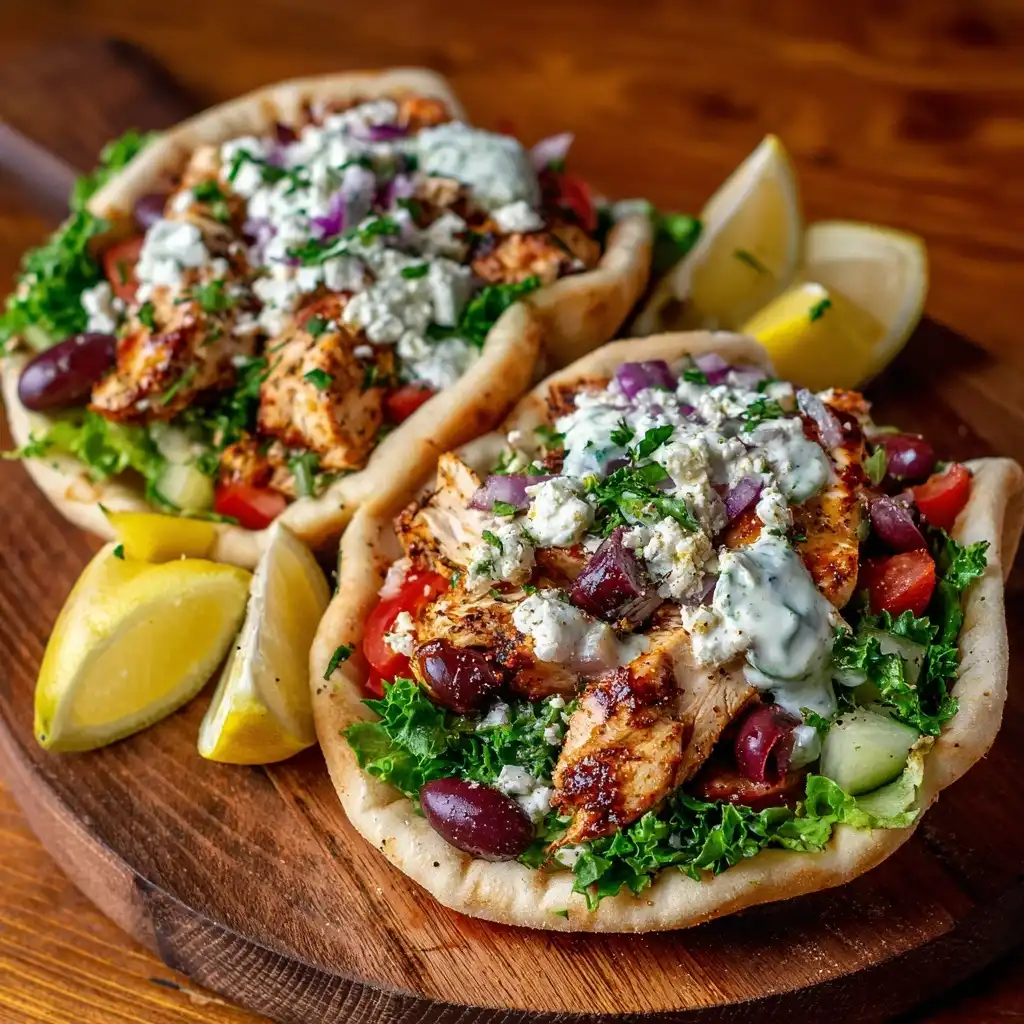
Greek Chicken Pita is a vibrant, nutrient-dense Mediterranean classic that marries tender, herb-infused grilled chicken with fresh vegetables, creamy tzatziki, and soft, warm pita bread. More than just a quick lunch or satisfying dinner option, it’s a culinary embodiment of Greek hospitality—simple in concept yet rich in flavor, texture, and tradition. Whether served as a handheld wrap at a sun-drenched seaside taverna or assembled at home for a weeknight meal, this dish delivers bold aromatics, bright acidity, and comforting warmth—all wrapped neatly in a pocket of pillowy pita. Its versatility, ease of preparation, and crowd-pleasing appeal have propelled it beyond regional borders into global kitchens, food trucks, meal-prep rotations, and even gourmet fast-casual menus across North America, Europe, and Australia.
The History
The roots of Greek Chicken Pita stretch back centuries—not as a singular, codified recipe, but as an evolution of ancient Greek foodways centered around grilled meats, flatbreads, and seasonal produce. While pita bread itself dates to at least 2500 BCE in the Fertile Crescent, its adoption in Greece coincided with trade routes linking Mesopotamia, Egypt, and the Aegean. By the Classical era (5th–4th century BCE), Greeks were baking unleavened and later leavened flatbreads—often cooked on hot stones or in clay ovens—and pairing them with roasted lamb, goat, and poultry seasoned simply with olive oil, lemon, garlic, and wild herbs like oregano and thyme.
The modern “chicken pita” as we know it emerged more recently—in the mid-to-late 20th century—alongside Greece’s tourism boom and the global rise of Mediterranean cuisine. As international travelers discovered the joys of souvlaki (skewered, grilled meat) and gyros (spit-roasted meat), chefs and home cooks alike began adapting these formats using more accessible, leaner proteins like chicken breast or thigh. The shift from traditional pork or lamb to chicken also aligned with growing health-consciousness and dietary preferences. Simultaneously, American and Canadian Greek immigrants popularized the pita wrap format in the 1970s–80s—replacing the rigid gyro platter with a portable, customizable, handheld alternative ideal for takeout and lunchboxes. Today, Greek Chicken Pita stands as both a tribute to ancestral cooking wisdom and a dynamic, living dish continuously reimagined across generations and geographies.
Ingredients Breakdown
Every exceptional Greek Chicken Pita begins with thoughtfully sourced, high-quality components. Below is a detailed, chef-level breakdown of each ingredient—including purpose, origin notes, substitutions, and pro tips:
For the Chicken Marinade:
- Chicken Breast or Thighs (1½ lbs / 680g): Boneless, skinless, cut into 1-inch strips or cubes. Thighs offer superior juiciness and richer flavor due to higher fat content; breasts yield a leaner, firmer texture. For authenticity, many Greek chefs prefer thighs—especially when grilling over charcoal or wood fire.
- Extra Virgin Olive Oil (⅓ cup / 80ml): A cornerstone of Greek gastronomy. Look for PDO-certified oils from Crete, Lesvos, or Peloponnese—fruity, peppery, and low-acid (<0.3%). Acts as a tenderizer, flavor carrier, and protective barrier during high-heat cooking.
- Fresh Lemon Juice (¼ cup / 60ml): From 1–2 organic lemons. Adds brightness, enzymatic tenderness (via citric acid), and balances richness. Bottled juice lacks volatile aromatic compounds and can impart off-notes.
- Garlic (4–5 large cloves, finely minced or pressed): Raw garlic provides pungent depth. For mellower flavor, roast whole cloves first. Avoid pre-minced jarred garlic—it oxidizes and tastes metallic.
- Dried Oregano (2 tsp, preferably Greek): Authentic Greek oregano (Origanum vulgare subsp. hirtum) is earthier, less sweet, and more floral than Mexican or Turkish varieties. Toast lightly before adding to awaken essential oils.
- Ground Cumin (½ tsp): A subtle, warm note often overlooked—but historically present in coastal Greek spice blends influenced by Levantine trade. Adds complexity without straying from tradition.
- Sweet Paprika (1 tsp): Hungarian or Spanish smoked paprika adds gentle sweetness and vibrant color. Avoid hot varieties unless intentionally spicing up the profile.
- Sea Salt (1½ tsp fine or flaky): Enhances natural flavors and aids protein denaturation. Use unrefined sea salt—iodized table salt can dull aromatics.
- Freshly Cracked Black Pepper (1 tsp): Preferably Tellicherry or Lampong peppercorns, ground just before mixing for maximum aromatic volatility.
For the Tzatziki Sauce:
- Full-Fat Greek Yogurt (1½ cups / 360g): Must be strained, thick, and tangy—not “light” or “low-fat,” which separate and lack body. Brands like Fage 5% or local artisanal varieties work best. Strain homemade yogurt overnight in cheesecloth if needed.
- Cucumber (1 medium English or Persian cucumber, ~1 cup grated & well-drained): Peeled, seeded, and squeezed *thoroughly* in a clean kitchen towel to remove excess water—critical for preventing soggy wraps.
- Fresh Dill (3 tbsp finely chopped): Preferably garden-grown or freshly purchased. Dried dill lacks the bright, grassy nuance essential to true tzatziki.
- Garlic (2 cloves, finely grated or microplaned): Raw for intensity; adjust to taste. Some traditional recipes use roasted garlic for subtlety.
- Lemon Juice (1 tbsp) + Extra Virgin Olive Oil (1 tsp): For acidity and silkiness. Optional: a pinch of ground nutmeg (a historic Byzantine addition) for warmth.
For Assembly:
- Pita Bread (4–6 pieces, pocket-style or pocketless “Greek-style” flatbread): Authentic pitas should puff into pockets when baked—look for brands labeled “stone-baked,” “oven-puffed,” or “no pocket needed” (for easier rolling). Whole wheat or sourdough-fermented options add fiber and depth. Warm gently in a dry skillet or toaster oven—never microwave, which makes them rubbery.
- Chopped Tomatoes (1 cup, ripe Roma or vine-ripened): Seeds and excess juice removed to prevent sogginess. A drizzle of olive oil and flaky salt enhances sweetness.
- Red Onion (½ medium, very thinly sliced): Soak in cold water with 1 tsp vinegar for 5 minutes to mellow sharpness and add crisp, rosy translucence.
- Crisp Romaine or Butter Lettuce (2 cups, chiffonade): Provides structural crunch and cooling contrast. Iceberg lacks flavor; spinach wilts too easily.
- Kalamata Olives (¼ cup, pitted and halved): Briny, fruity, and slightly winey—essential for umami balance. Avoid canned black olives (often bland and overly salty).
- Feta Cheese (¾ cup crumbled, preferably PDO-certified Greek feta made from sheep’s or sheep-goat milk): Salty, tangy, and creamy—not chalky or overly dry. Authentic feta is packed in brine; pat lightly with paper towel before using.
- Optional Garnishes: Fresh mint leaves, crumbled dried oregano, lemon zest, sumac (for tart, crimson pop), pickled red onions, or a light dusting of Aleppo pepper.
Step-by-Step Recipe
This meticulously tested method ensures juicy chicken, velvety tzatziki, and structurally sound wraps every time—optimized for home kitchens with standard equipment.
Step 1: Marinate the Chicken (Minimum 2 hours, ideally overnight)
- In a non-reactive bowl (glass, ceramic, or stainless steel), whisk together olive oil, lemon juice, minced garlic, oregano, cumin, paprika, salt, and pepper until fully emulsified.
- Add chicken pieces and toss thoroughly, ensuring every surface is coated. Cover and refrigerate for at least 2 hours—or up to 24 hours for deeper penetration. Do not exceed 48 hours: citrus will begin to “cook” the exterior, yielding mushy texture.
- Remove chicken from fridge 30 minutes before cooking to bring to cool room temperature—ensures even searing and prevents steaming.
Step 2: Prepare the Tzatziki (Can be made up to 3 days ahead)
- Grate peeled, seeded cucumber using the large holes of a box grater. Place in a clean linen or cotton kitchen towel and squeeze vigorously over the sink until no more liquid drips out (~1–2 minutes). Discard liquid.
- In a medium bowl, combine Greek yogurt, drained cucumber, finely chopped dill, grated garlic, lemon juice, olive oil, and a pinch of salt. Stir gently with a silicone spatula—do not overmix, which incorporates air and causes separation.
- Cover tightly and refrigerate for at least 1 hour to allow flavors to meld and texture to thicken. Stir once before serving.
Step 3: Cook the Chicken (Grill, Skillet, or Oven-Broiled)
- Grill Method (Preferred): Preheat gas or charcoal grill to medium-high (400–450°F / 200–230°C). Clean and oil grates. Thread chicken onto skewers (if using wooden, soak 30 min first) or place directly on grate. Grill 4–5 minutes per side, turning only once, until deeply marked, opaque throughout, and internal temp reaches 165°F (74°C). Rest 5 minutes before slicing against the grain.
- Skillet Method: Heat heavy-bottomed stainless steel or cast-iron skillet over medium-high heat until shimmering. Add 1 tbsp olive oil. Sear chicken in a single layer—do not overcrowd. Cook 4–5 min per side, resisting stirring until release occurs naturally. Transfer to cutting board; rest 5 minutes.
- Oven Broil Method: Preheat broiler on high with rack 4 inches from heating element. Line sheet pan with parchment. Arrange marinated chicken in single layer. Broil 6–8 minutes, flip, broil another 5–7 minutes until charred at edges and cooked through.
Step 4: Warm and Prep the Pitas
- Heat a dry cast-iron or nonstick skillet over medium-low heat. One at a time, warm each pita for 30–45 seconds per side—just until pliable and fragrant, with faint golden spots. Overheating causes cracking.
- Alternatively, wrap stacked pitas in damp (not dripping) paper towels and heat in a toaster oven at 300°F (150°C) for 2–3 minutes. Never steam or microwave.
- If using pocket pitas, gently open the flap with fingers or a butter knife—do not tear. For pocketless flatbreads, lay flat for wrap-style assembly.
Step 5: Assemble with Precision
- Lay warmed pita flat on a clean work surface. Spread 3–4 tbsp tzatziki evenly across center third, leaving 1-inch borders.
- Layer in order (for optimal structure and bite balance): lettuce base → sliced chicken → tomatoes → red onion → Kalamatas → feta → final drizzle of tzatziki or olive oil.
- Fold bottom edge up over filling, then fold left and right sides inward, and roll tightly from bottom to top—like a burrito—to enclose completely.
- Wrap snugly in parchment paper or foil (optional but recommended for portability and moisture control). Slice diagonally just before serving for elegant presentation.
Tips
- Marinade Science: Acid (lemon) + oil + salt work synergistically—salt draws moisture out initially, then allows marinade to penetrate as proteins relax. Garlic enzymes further tenderize. Never add dairy (like yogurt) to raw chicken marinades unless cooking immediately—the lactic acid accelerates breakdown.
- Chicken Texture Hack: Lightly pound thicker chicken pieces to ½-inch uniform thickness before marinating—ensures even cooking and maximizes surface area for flavor absorption.
- Tzatziki Consistency Secret: If sauce separates, stir in ½ tsp fresh lemon juice and ½ tsp cold water—then chill 15 minutes. Never add starches or stabilizers; authenticity relies on natural emulsion.
- Pita Integrity Tip: Brush warmed pita lightly with olive oil before filling—creates a subtle moisture barrier against wet ingredients.
- Make-Ahead Strategy: Marinate chicken and make tzatziki up to 3 days ahead. Cook chicken day-of or up to 2 days ahead—reheat gently in skillet with splash of lemon-water to retain juiciness. Assemble wraps within 1 hour of serving for peak texture.
- Grill Marks Matter: Rotate chicken 45° halfway through each side for professional diamond sear pattern—adds visual appeal and locks in juices.
- No-Sog Wrap Rule: Always drain tomatoes and cucumbers aggressively. Layer lettuce *first*—it acts as a natural absorbent liner between tzatziki and bread.
- Temperature Contrast: Serve tzatziki chilled, chicken warm (not hot), and pita just-warm—not scalding. This layered temperature experience defines the dish.
- Knife Discipline: Use a serrated knife for clean cuts—prevents squashing and maintains structural integrity of layered fillings.
- Leftover Magic: Repurpose extra chicken into Greek chicken salad (with lemon-herb vinaigrette), grain bowls, omelets, or stuffed grape leaves.
Variations and Customizations
Greek Chicken Pita is inherently adaptable—honoring tradition while embracing personal preference, dietary needs, and seasonal abundance. Here are 12 thoughtfully curated variations:
1. Mediterranean Quinoa Power Wrap
Substitute ¾ cup cooked tri-color quinoa for half the lettuce. Adds complete plant protein, fiber, and nutty chew. Toss quinoa with lemon zest, chopped parsley, and 1 tsp olive oil before layering.
2. Vegan “Faux Gyro” Version
Replace chicken with marinated, grilled king oyster mushrooms or tempeh “steaks.” Use dairy-free tzatziki (coconut yogurt + cucumber + dill + lemon) and vegan feta (almond- or tofu-based). Ensure pita is egg-free.
3. Keto/Low-Carb Adaptation
Omit pita entirely. Serve chicken, tzatziki, veggies, and feta over a bed of shredded romaine and cucumber ribbons—“deconstructed pita bowl.” Add avocado slices and hemp seeds for healthy fats.
4. Spiced Harissa Chicken
Add 1 tbsp authentic Tunisian harissa paste to marinade. Balance heat with extra yogurt in tzatziki and a sprinkle of cooling mint.
5. Lemon-Oregano Herb Crust
After marinating, press chicken into a blend of dried oregano, lemon zest, sesame seeds, and crushed pistachios before grilling—creates aromatic, crunchy crust.
6. Mezze-Inspired Deluxe
Add roasted red peppers, artichoke hearts, capers, and a spoonful of avgolemono-style lemon-egg drizzle (tempered with warm broth) for luxurious depth.
7. Breakfast Pita
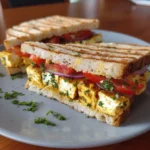
Swap chicken for lemon-herb scrambled eggs or feta-flecked Greek-style omelet. Include tomato, red onion, and tzatziki—but skip olives. Serve with orange segments on the side.
8. Grilled Halloumi Fusion
Add 2 oz grilled halloumi cheese—salty, squeaky, and grill-marked—alongside chicken. Its firm texture holds up beautifully in warm wraps.
9. Smoky Chipotle-Tzatziki
Blend 1 tsp chipotle in adobo into tzatziki for smoky-sweet complexity. Pair with lime-marinated chicken and cilantro instead of dill.
10. Gluten-Free Pita Alternative
Use certified GF Greek-style flatbreads (made with teff, sorghum, or almond flour) or large, pliable lettuce leaves (butter or iceberg) for “lettuce wraps.” Verify all sauces are GF-certified.
11. Air Fryer Express Version
Marinate chicken, then cook in preheated air fryer at 375°F (190°C) for 12–14 minutes, shaking basket halfway. Juicy, hands-off, and ready in under 20 minutes.
12. Dessert Pita Crossover
For fun: Fill warm pita with cinnamon-sugar labneh, grilled peaches, honey, crushed walnuts, and a dusting of cinnamon—“Greek baklava pita.” Not traditional—but deliciously inventive.
Health Considerations and Nutritional Value
A properly prepared Greek Chicken Pita is a nutritionist-approved powerhouse—balanced, satiating, and anti-inflammatory. Below is a comprehensive analysis based on one standard 10-inch pita (using 4 oz chicken breast, ¼ cup tzatziki, ½ cup veggies, 1 oz feta, 1 pita, and 1 tsp olive oil):
Nutrition Facts (Approximate per Serving):
- Calories: 485 kcal
- Protein: 38 g (supports muscle synthesis, satiety, and metabolic health)
- Total Fat: 24 g (75% monounsaturated—heart-healthy olive oil and avocado-like fats from olives/feta)
- Saturated Fat: 8 g (primarily from feta and yogurt—moderate, not excessive; contains beneficial CLA and butyrate)
- Carbohydrates: 32 g (mostly complex from whole-grain pita and fiber-rich veggies)
- Dietary Fiber: 5 g (20% DV—supports gut microbiome diversity and stable blood sugar)
- Sugar: 4 g (naturally occurring from tomatoes, lemon, and yogurt—no added sugars)
- Sodium: 620 mg (within WHO daily limit of 2,000 mg; lower if using low-salt feta and minimal added salt)
- Vitamin D: 15 IU (from fatty feta and yogurt)
- Calcium: 220 mg (17% DV—feta and yogurt are excellent sources)
- Potassium: 680 mg (14% DV—tomatoes, cucumber, and yogurt contribute significantly)
- Iron: 2.4 mg (13% DV—chicken thigh version offers more heme iron than breast)
- Antioxidants: High in polyphenols (oleocanthal from EVOO), lycopene (tomatoes), allicin (garlic), and flavonoids (oregano, lemon peel).
Dietary Accommodations & Notes:
- Gluten Sensitivity: Use certified gluten-free pita or lettuce wrap. Ensure soy sauce or marinade additives are GF.
- Lactose Intolerance: Full-fat Greek yogurt and aged feta contain minimal lactose (<2g/serving)—usually well-tolerated. For strict avoidance, choose lactose-free yogurt and vegan feta.
- Low-Sodium Diets: Rinse feta in cold water to reduce sodium by ~30%. Skip added salt in marinade; rely on lemon, herbs, and spices for flavor.
- Pregnancy/Nursing: Pasteurized yogurt and feta are safe. Avoid unpasteurized varieties. Chicken must reach 165°F internally.
- Diabetes-Friendly: Low glycemic load (GL ≈ 12). Pair with vinegar-based slaw to further slow glucose absorption.
- PCOS/Insulin Resistance: High protein + healthy fats + fiber combo improves insulin sensitivity. Prioritize thigh meat for zinc and B6 support.
- Heart Health: Rich in omega-9s (olive oil), potassium (blood pressure regulation), and nitrates (beet-free, but lemon and greens offer natural nitrates).
What Makes It Mediterannean-Diet Compliant?
This recipe ticks all 12 pillars of the evidence-based Mediterranean Diet Pyramid: abundant plant foods, olive oil as principal fat, moderate fish/poultry, fermented dairy (yogurt/feta), herbs/spices over salt, limited sweets, and emphasis on whole, minimally processed ingredients. Long-term adherence is associated with reduced risk of cardiovascular disease, type 2 diabetes, cognitive decline, and certain cancers—backed by landmark studies including PREDIMED and Lyon Diet Heart Study.
Ingredients
Makes 4 generous pitas (serves 4)
- 1½ lbs (680g) boneless, skinless chicken breast or thighs, cut into 1-inch strips
- ⅓ cup (80ml) extra virgin olive oil (preferably Greek PDO)
- ¼ cup (60ml) fresh lemon juice (2 medium lemons)
- 4–5 large garlic cloves, finely minced
- 2 tsp dried Greek oregano, lightly toasted
- ½ tsp ground cumin
- 1 tsp sweet paprika (Hungarian or Spanish)
- 1½ tsp fine sea salt
- 1 tsp freshly cracked black pepper
- 1½ cups (360g) full-fat plain Greek yogurt
- 1 medium English cucumber (about 1 cup grated and drained)
- 3 tbsp fresh dill, finely chopped
- 2 garlic cloves, finely grated
- 1 tbsp fresh lemon juice
- 1 tsp extra virgin olive oil (for tzatziki)
- 4–6 pocket or pocketless Greek-style pitas (6–8 inches)
- 1 cup ripe tomatoes, seeded and diced
- ½ medium red onion, very thinly sliced and soaked
- 2 cups romaine or butter lettuce, chiffonade
- ¼ cup Kalamata olives, pitted and halved
- ¾ cup crumbled authentic Greek feta (sheep’s or sheep-goat milk)
- Optional: lemon wedges, fresh mint, sumac, or chili flakes for garnish
Directions
- Marinate the chicken: In a glass or stainless bowl, whisk olive oil, lemon juice, minced garlic, oregano, cumin, paprika, salt, and pepper. Add chicken and toss to coat evenly. Cover and refrigerate for 2–24 hours.
- Make the tzatziki: Grate cucumber, then squeeze *very dry* in a clean towel. In a bowl, combine yogurt, drained cucumber, dill, grated garlic, lemon juice, and olive oil. Stir gently. Refrigerate ≥1 hour.
- Cook the chicken: Preheat grill, skillet, or broiler. Cook chicken 4–5 minutes per side until internal temperature reaches 165°F (74°C). Rest 5 minutes, then slice against the grain.
- Warm the pitas: Heat dry skillet over medium-low. Warm each pita 30–45 seconds per side until soft and fragrant. Keep covered with clean towel.
- Prep vegetables: Seed and dice tomatoes. Soak red onion in cold water + vinegar for 5 minutes, then drain. Wash and dry lettuce. Pit and halve olives. Crumble feta.
- Assemble: Lay pita flat. Spread 3–4 tbsp tz