Introduction
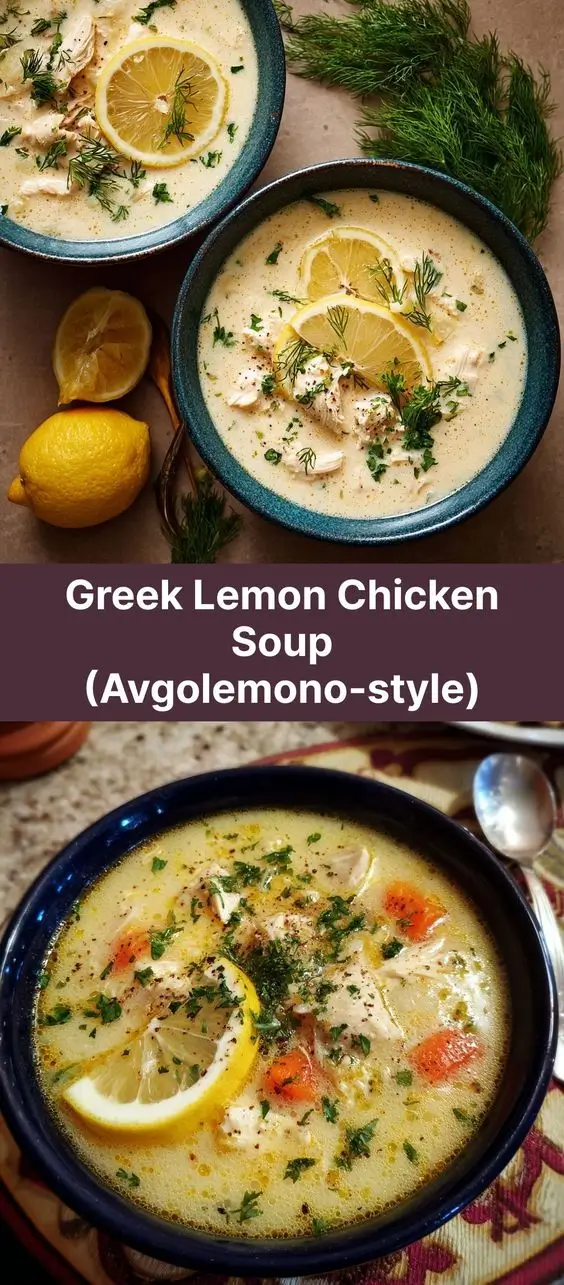
Greek Lemon Chicken Soup, known in Greece as Avgolemono (pronounced ah-vo-LEH-mo-no), is a beloved national dish that captures the essence of Greek home cooking—simple, elegant, and deeply comforting. Unlike typical brothy soups, Avgolemono stands out with its luxurious, creamy texture achieved not through dairy but through a remarkable emulsification of eggs and lemon juice into a rich chicken broth. This traditional soup combines bright citrus notes with tender pieces of chicken and plump rice or orzo, creating a harmonious balance of tangy, savory, and nourishing flavors. Whether served as a starter during festive meals or enjoyed as a restorative remedy during colder months, Avgolemono warms both body and soul.
Steeped in history and tradition, this soup reflects the resourcefulness of Greek culinary practices, where humble ingredients are transformed into something extraordinary. It’s often associated with hospitality, healing, and family gatherings, making it a staple across generations in Greek households and beyond. As global palates continue to embrace Mediterranean cuisine for its health benefits and vibrant taste, Avgolemono has gained international acclaim, finding its way into gourmet kitchens and cozy weeknight dinners alike. In this comprehensive guide, we will explore every facet of this iconic soup—from its historical roots and ingredient nuances to step-by-step preparation, variations, health insights, and expert tips for perfecting your own version at home.
The History
The origins of Avgolemono trace back centuries within the rich tapestry of Greek and broader Eastern Mediterranean culinary traditions. While pinpointing an exact date of origin is challenging due to the oral transmission of recipes in ancient times, food historians believe that egg-and-lemon sauces have been used in Greek cooking since at least the Byzantine Empire (circa 330–1453 AD). The term “avgolemono” itself comes from the Greek words “avgo” (αυγό), meaning egg, and “lemono” (λεμόνι), meaning lemon—aptly describing the sauce’s foundational components.
Avgolemono did not originate solely as a soup; rather, it began as a versatile sauce used to enrich stews, vegetable dishes, and grain-based preparations. Its use was especially prevalent among Sephardic Jews who settled in Greece after their expulsion from Spain in 1492. These communities brought culinary techniques involving egg-lemon emulsions, which seamlessly integrated into local Greek cuisine. Over time, this method evolved into a standalone soup, particularly when combined with chicken broth and grains like rice or orzo.
By the late 19th and early 20th centuries, Avgolemono soup had become a standard feature in Greek homes, valued not only for its delicious flavor but also for its perceived medicinal properties. Grandmothers would prepare it for sick family members, believing in its ability to soothe sore throats, boost immunity, and restore strength—claims now supported by modern nutrition science given its high protein and vitamin C content.
The soup also reflects Greece’s agricultural and economic realities throughout history. With limited access to dairy in certain regions, cooks developed ingenious ways to thicken and enrich soups without cream or milk. The combination of eggs and lemon provided a creamy consistency while enhancing digestibility and nutrient absorption. Today, Avgolemono remains a symbol of Greek ingenuity and cultural continuity, celebrated both within Greece and in diaspora communities around the world. It frequently appears on menus during religious holidays such as Easter and Christmas, as well as at weddings and baptisms, underscoring its role in life’s most meaningful moments.
Ingredients Breakdown
To create authentic Avgolemono soup, each ingredient plays a crucial role in building flavor, texture, and nutritional value. Let’s examine them in detail:
- Chicken (bone-in, skin-on preferred): Traditionally, a whole chicken or bone-in pieces like thighs and drumsticks are used to simmer into the broth. Bones contribute collagen and gelatin, adding body and richness to the soup. Skin adds additional fat and flavor, though it can be removed before serving for a leaner result.
- Water or low-sodium chicken broth: While some shortcut versions use store-bought broth, making your own from scratch ensures superior depth of flavor. Using filtered water allows better control over salt levels.
- Onion (yellow or white): A whole peeled onion is typically simmered with the chicken to add subtle sweetness and aromatic complexity. Some variations include carrots and celery for a mirepoix effect.
- Garlic: Fresh garlic cloves enhance the savory profile and offer antimicrobial benefits. They’re usually added toward the end of cooking to preserve their pungency.
- Bay leaves: One or two dried bay leaves infuse the broth with a delicate herbal note that complements the lemon without overpowering it.
- Parsley (fresh flat-leaf): Both stems (added during simmering) and leaves (chopped for garnish) are used. Parsley contributes freshness and visual appeal.
- Rice or orzo pasta: Long-grain white rice (like basmati or jasmine) or orzo (rice-shaped pasta) serves as the starch component, thickening the soup slightly and providing sustenance. Orzo is more common in southern Greece, while rice prevails in northern regions.
- Eggs (large, free-range preferred): The backbone of the avgolemono sauce. Eggs must be fresh to ensure proper emulsification and safety when tempered with hot liquid. Typically, 2–3 eggs are used depending on batch size.
- Lemons (freshly squeezed): Key to the soup’s signature tartness. Use unwaxed, organic lemons if possible. Juice is strained to remove pulp and seeds. Zest may be added for extra citrus aroma in some recipes.
- Salt and freshly ground black pepper: Seasoning agents adjusted to taste. Salt enhances all other flavors and should be added gradually, especially if using pre-seasoned broth.
- Olive oil (optional): A drizzle of extra virgin olive oil at the end elevates richness and adds a fruity finish characteristic of Mediterranean cuisine.
Each ingredient works synergistically: the broth provides umami depth, the grain adds heartiness, and the avgolemono emulsion delivers silkiness and brightness. No single component dominates—balance is key.
Step-by-Step Recipe
Follow this detailed process to make a classic, restaurant-quality Avgolemono soup at home. Patience and attention to technique will yield a velvety, perfectly balanced result.
- Prepare the Chicken Broth:
Place 1 whole chicken (about 3–4 lbs) or 6 bone-in, skin-on chicken pieces in a large stockpot. Add 10 cups of cold water, 1 peeled yellow onion (halved), 3–4 parsley stems, 2 bay leaves, and a few peppercorns. Bring to a gentle boil over medium-high heat, then reduce to a simmer. Skim off any foam or impurities that rise to the surface during the first 10 minutes. Partially cover and cook gently for 1 hour, or until the chicken is fully cooked and tender. - Remove and Shred the Chicken:
Using tongs, transfer the chicken to a cutting board. Let cool slightly, then remove and discard the skin and bones. Shred the meat into bite-sized pieces using forks or your fingers. Set aside. Strain the broth through a fine-mesh sieve into a clean pot, discarding the solids. Return the strained broth to low heat. - Cook the Grain:
Add 1 cup of long-grain white rice or orzo to the warm broth. Simmer uncovered for 20–25 minutes (for rice) or 8–10 minutes (for orzo), stirring occasionally, until the grain is tender and the soup has reduced slightly. Adjust water if needed to maintain desired consistency. - Temper the Eggs and Lemon Mixture (Avgolemono Emulsion):
In a medium bowl, whisk together 3 large eggs until smooth. Slowly add the juice of 2–3 medium lemons (approximately ½ to ¾ cup), whisking constantly to combine. This mixture must remain raw at this stage—do not cook yet. - Slowly Temper the Egg-Lemon Mix:
Ladle about 1 cup of the hot (but not boiling) broth into the egg-lemon mixture in a slow, steady stream, whisking continuously. This gradual addition raises the temperature of the eggs without scrambling them—a critical step known as tempering. - Emulsify Into the Soup:
Once tempered, slowly pour the egg-lemon mixture back into the main pot of soup, stirring constantly in one direction. Keep the heat at low or just below a simmer—never let the soup come to a boil after adding the avgolemono, as this will cause curdling. - Incorporate Chicken and Final Seasoning:
Stir in the reserved shredded chicken. Heat gently for 3–5 minutes until everything is warmed through. Taste and season with salt and freshly ground black pepper as needed. If desired, stir in 1 tablespoon of chopped fresh parsley and a drizzle of extra virgin olive oil. - Serve Immediately:
Ladle the soup into warmed bowls. Garnish with additional chopped parsley and a twist of lemon zest if desired. Serve hot, ideally with crusty bread or pita on the side.
This recipe yields approximately 6 servings and takes about 1 hour and 45 minutes from start to finish, including simmering time.
Tips
Perfecting Avgolemono requires precision and care. Follow these professional tips to avoid common pitfalls and elevate your soup:
- Never Boil After Adding the Avgolemono: High heat will cause the eggs to scramble. Always keep the soup below boiling point—ideally between 160°F and 180°F (71°C–82°C)—when incorporating the egg-lemon mixture.
- Use Fresh Ingredients: Freshly squeezed lemon juice makes a dramatic difference in brightness and quality. Bottled lemon juice often contains preservatives and lacks vibrancy.
- Whisk Constantly During Tempering: Continuous stirring prevents uneven heating and ensures a smooth, lump-free emulsion.
- Adjust Tartness Gradually: Start with less lemon juice and add more after tasting post-emulsification. You can always increase acidity, but you cannot remove it once added.
- Choose the Right Grain: Rice gives a lighter, more traditional feel; orzo creates a denser, almost risotto-like texture. Avoid quick-cooking rice or instant orzo, as they may disintegrate.
- Chill Leftovers Quickly: Because the soup contains raw eggs, refrigerate promptly (within 2 hours) and reheat very gently on the stove, never in the microwave, to prevent separation.
- Reserve Extra Chicken Broth: Have a little extra warm broth ready in case the soup thickens too much upon standing. Thin it out gradually for ideal consistency.
- Make Ahead Strategy: Prepare the broth and shred the chicken ahead of time. Store separately and complete the final steps just before serving to preserve texture.
- Double Batch Caution: When scaling up, do not double the eggs and lemon proportionally unless you have a very large pot and excellent temperature control. Instead, make multiple smaller batches of the emulsion.
- Acid Balance Tip: If the soup tastes too sharp, a tiny pinch of sugar or a bit more chicken can help round out the flavors.
Variations and Customizations
While traditional Avgolemono remains timeless, countless regional and personal adaptations exist, allowing home cooks to tailor the dish to dietary needs, preferences, and seasonal availability.
- Vegetarian Avgolemono: Replace chicken broth with a rich vegetable stock made from mushrooms, leeks, and kombu. Omit chicken and add chickpeas or white beans for protein. Ensure the stock is flavorful enough to stand up to the lemon.
- Vegan Challenge: True avgolemono relies on eggs, so a vegan version isn’t authentic—but you can mimic the creaminess using blended silken tofu, cashew cream, or aquafaba (chickpea brine) stabilized with cornstarch and lemon juice. Note: this changes the character significantly.
- Different Grains: Try pearl barley, farro, or even quinoa instead of rice or orzo for a nuttier texture and increased fiber. Adjust cooking times accordingly.
- Gluten-Free Option: Use certified gluten-free orzo or stick with rice. Be cautious with store-bought broths, which may contain hidden gluten.
- Seafood Avgolemono (Avgolemono me Psari): In coastal areas, fish or shellfish broth replaces chicken, and flaked cooked fish (like cod or halibut) is added. Known as “Psarosoupa Avgolemono,” this variation is especially popular on fasting days in Orthodox Christianity when meat is prohibited.
- Herb Variations: Beyond parsley, consider adding dill, mint, or chives for a fresher, grassier note. Dill pairs beautifully with fish-based versions.
- Spicy Kick: For a modern twist, add a pinch of red pepper flakes or a dash of harissa paste to introduce warmth without compromising authenticity.
- Creamier Texture: Some families blend part of the cooked rice into the broth before adding the avgolemono to enhance thickness naturally.
- Fasting-Friendly (Nistisima): During Lent, Orthodox Christians abstain from animal products. A version using wild greens, legumes, and vegetable broth is prepared, sometimes called “Hortosoupa Avgolemono.”
- Modern Fusion Ideas: Incorporate avgolemono sauce into grain bowls, drizzle over roasted vegetables, or use as a dressing base for cold salads—showcasing its versatility beyond soup.
Health Considerations and Nutritional Value
Avgolemono soup is not only delicious but also offers several health benefits rooted in its core ingredients and alignment with the Mediterranean diet—an eating pattern linked to reduced risk of heart disease, improved longevity, and better metabolic health.
Nutritional Highlights per Serving (approx. 1.5 cups, based on traditional recipe):
- Calories: ~220–250 kcal
- Protein: 20–25g (high-quality, complete protein from chicken and eggs)
- Fat: 8–10g (mostly unsaturated fats from chicken and optional olive oil)
- Carbohydrates: 15–20g (from rice/orzo, primarily complex carbs)
- Fiber: 1–2g (more if using whole grains)
- Vitamin C: 30–40mg (from lemon juice—nearly half the daily requirement)
- Vitamin B12: Rich source from chicken and eggs
- Folate, Iron, Selenium: Present in moderate amounts
- Collagen & Gelatin: From bone-in chicken simmering, supports joint and gut health
Health Benefits:
- Immune Support: High in vitamin C and zinc (from chicken), this soup helps combat colds and infections.
- Hydration and Electrolytes: Broth-based soups aid fluid retention and replenish sodium and potassium lost during illness.
- Digestive Comfort: Warm liquids soothe inflamed tissues, while gelatin may support gut lining integrity.
- Low in Added Sugar and Refined Carbs: Naturally sweetened by onions and balanced by acid—ideal for blood sugar management.
- Satiety and Weight Management: High protein and moderate fiber promote fullness, reducing overall calorie intake.
Considerations:
- Raw Eggs: The avgolemono mixture is not cooked above pasteurization temperatures, posing a minimal risk for immunocompromised individuals, pregnant women, or young children. To mitigate, use pasteurized eggs or gently heat the final soup to 160°F (71°C) for 15 seconds while stirring constantly.
- Sodium Content: Can vary widely based on broth and seasoning. Use low-sodium options and adjust salt to taste, especially for those managing hypertension.
- Allergens: Contains eggs, poultry, and potentially gluten (if using regular orzo). Always label accordingly for guests.
Overall, Avgolemono aligns with principles of clean eating, whole foods, and balanced nutrition—making it a smart choice for wellness-focused diets.
Ingredients
- 1 whole chicken (3–4 lbs) or 6 bone-in, skin-on chicken pieces
- 10 cups cold water (or low-sodium chicken broth for richer flavor)
- 1 large yellow onion, peeled and halved
- 4–5 sprigs fresh flat-leaf parsley (stems and leaves separated)
- 2 bay leaves
- 1 tsp whole black peppercorns
- 1 cup long-grain white rice OR orzo pasta
- 3 large eggs (preferably free-range, pasteurized if concerned)
- Juice of 2–3 medium lemons (about ½ to ¾ cup, freshly squeezed and strained)
- Salt, to taste
- Freshly ground black pepper, to taste
- 2 tbsp chopped fresh parsley (for garnish)
- Optional: 1 tbsp extra virgin olive oil (for finishing)
- Optional: lemon zest for garnish
Directions
- In a large stockpot, combine the chicken, water, onion, parsley stems, bay leaves, and peppercorns. Bring to a gentle boil over medium-high heat.
- Reduce heat to low, partially cover, and simmer for 1 hour, skimming foam as needed.
- Remove chicken and set aside to cool. Strain broth and return to clean pot.
- Add rice (or orzo) to the broth and simmer for 20–25 minutes (or 8–10 minutes for orzo) until tender.
- Shred chicken, discarding skin and bones. Set meat aside.
- In a bowl, whisk eggs until frothy. Gradually add lemon juice, whisking continuously.
- Ladle 1 cup of hot broth into the egg-lemon mixture, whisking constantly to temper.
- Slowly pour the tempered mixture back into the main pot, stirring nonstop over low heat.
- Do not boil. Cook gently for 3–5 minutes until slightly thickened.
- Stir in shredded chicken, heat through, then season with salt and pepper.
- Off heat, stir in chopped parsley and olive oil if using.
- Serve immediately, garnished with extra parsley and lemon zest.
FAQ
Q: Why did my Avgolemono soup curdle?
A: Curdling occurs when the soup boils after adding the egg-lemon mixture. Always keep the heat low and never allow it to reach a rolling boil. Stir constantly and use the tempering method properly.
Q: Can I make Avgolemono ahead of time?
A: Yes, but store components separately. Keep broth and chicken refrigerated, then complete the avgolemono emulsion just before serving for best texture.
Q: Can I freeze Avgolemono soup?
A: Not recommended. Freezing destabilizes the egg emulsion, leading to separation and graininess upon thawing. Best consumed fresh or stored in the fridge for up to 3 days.
Q: Is Avgolemono safe during pregnancy?
A: If using pasteurized eggs and ensuring the final temperature reaches at least 160°F (71°C), it should be safe. Otherwise, consult your healthcare provider.
Q: What can I substitute for rice or orzo?
A: Barley, farro, quinoa, or gluten-free pasta work, but adjust cooking times. Avoid instant grains.
Q: Can I use lime instead of lemon?
A: Lime alters the flavor profile significantly and is not traditional. Stick to lemon for authenticity.
Q: My soup is too thin/thick—how do I fix it?
A: Too thin? Simmer longer to reduce. Too thick? Add warm broth gradually until desired consistency.
Q: Can I add vegetables?
A: Yes! Carrots, celery, zucchini, or spinach can be added during the last 10 minutes of cooking for extra nutrition.
Summary (in two lines)
Greek Lemon Chicken Soup (Avgolemono-style) is a velvety, tangy, and nourishing dish that exemplifies the elegance of Mediterranean cuisine through its seamless fusion of chicken broth, egg, and lemon. Revered for its comforting texture and immune-boosting properties, it remains a cherished staple across generations and cultures.