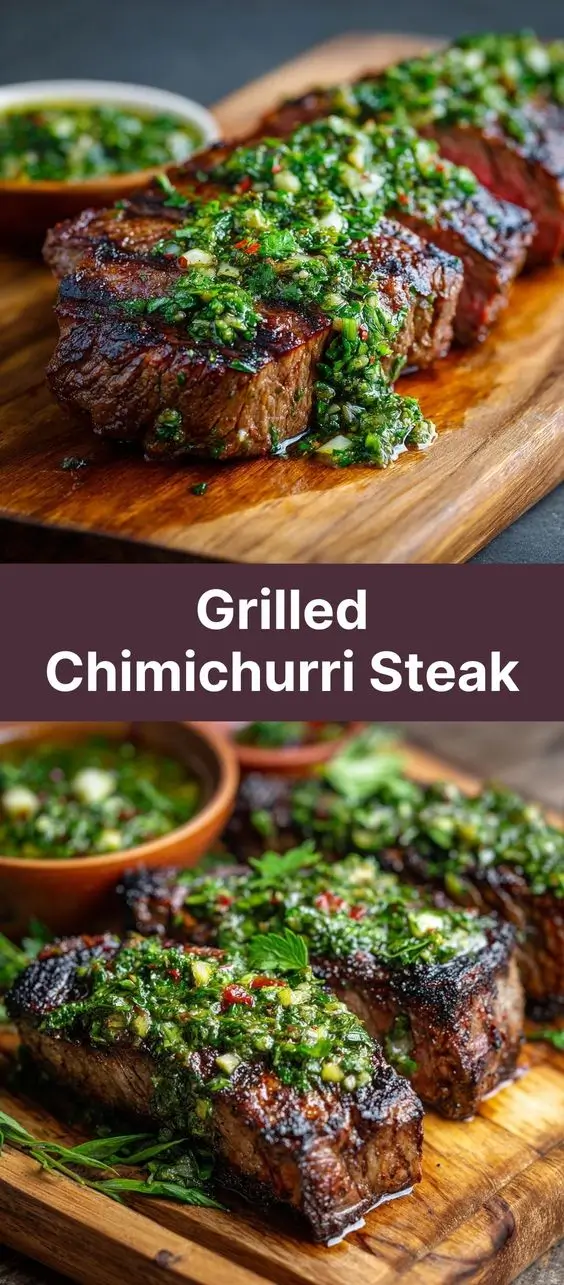
Grilled Chimichurri Steak: A Flavorful Argentinean Delight
There are few dishes that capture the essence of open-fire cooking and bold, herbaceous flavor quite like Grilled Chimichurri Steak. Originating from the vast pampas of Argentina and Uruguay, this dish brings together tender, juicy steak kissed by smoke and flame, then generously topped with a vibrant, tangy chimichurri sauce. Whether you’re hosting a summer barbecue or seeking a gourmet weeknight dinner, grilled chimichurri steak delivers an explosion of flavor in every bite. In this comprehensive guide, we’ll dive deep into the history, ingredients, techniques, health benefits, variations, and expert tips to help you master this South American classic at home.
The History of Chimichurri and Grilled Steak
The origins of chimichurri sauce remain somewhat mysterious, but most culinary historians agree it was born in the 19th century on the fertile grasslands of Argentina and Uruguay—regions renowned for their cattle ranching culture known as gauchos. These nomadic cowboys relied on simple, hearty meals cooked over open flames, and grilled beef became a staple. As for the sauce, one popular theory suggests the name “chimichurri” is a mangled version of the English phrase “give me curry,” possibly uttered by British soldiers or immigrants unfamiliar with local cuisine. However, since curry isn’t traditionally used in the recipe, this theory is more folklore than fact.
A more plausible explanation traces the word back to Basque or Galician roots, where similar herb-based condiments were common. Over time, local cooks in South America adapted these ideas using available ingredients like parsley, garlic, vinegar, and chili flakes, creating what we now know as chimichurri. The sauce served both as a flavor enhancer and a preservative for meat before refrigeration. Today, chimichurri is not only a national treasure in Argentina but has gained global acclaim for its bright, zesty profile that cuts through the richness of grilled meats.
Ingredients Breakdown: What Makes Chimichurri Special?
The magic of grilled chimichurri steak lies in the harmony between high-quality beef and the fresh, acidic punch of the sauce. Let’s break down each component:
For the Chimichurri Sauce:
- Fresh Parsley (Flat-Leaf): The backbone of the sauce, providing a clean, grassy freshness. Flat-leaf parsley has a stronger flavor than curly parsley and holds up better when chopped.
- Garlic: Raw garlic gives chimichurri its signature pungency. Use freshly minced for maximum aroma and bite.
- Red Wine Vinegar: Adds acidity that balances the fat in the steak and preserves the sauce. Some recipes use a mix of vinegar and olive oil for emulsification.
- Olive Oil (Extra Virgin): High-quality oil adds richness and helps carry the flavors. It also prevents the herbs from oxidizing too quickly.
- Red Pepper Flakes: Introduce mild heat and a touch of color. Adjust according to spice preference.
- Oregano (Dried): Earthy and slightly floral, dried oregano complements the parsley and garlic beautifully.
- Lemon Juice (Optional): Enhances brightness and adds another layer of acidity.
- Salt and Black Pepper: Essential seasonings to bring all elements together.
For the Steak:
- Steak Cut (e.g., Ribeye, Strip, Flank, or Skirt): Choose well-marbled cuts for flavor and tenderness. Grass-fed or dry-aged options elevate the taste further.
- Coarse Sea Salt: Enhances natural meat flavors and forms a delicious crust when grilled.
- Freshly Cracked Black Pepper: Adds warmth and complexity.
- Olive Oil (for coating): Helps seasonings adhere and promotes even browning.
Step-by-Step Recipe: How to Make Grilled Chimichurri Steak
Follow these detailed steps to achieve restaurant-quality results in your backyard or kitchen:
Step 1: Prepare the Chimichurri Sauce (Best Made Ahead)
- Gather 1 cup of fresh flat-leaf parsley, stems removed and leaves finely chopped.
- Mince 4–5 large garlic cloves (adjust to taste).
- In a medium bowl, combine the parsley, garlic, ½ teaspoon red pepper flakes, 1 teaspoon dried oregano, ½ teaspoon salt, and ¼ teaspoon black pepper.
- Add ⅓ cup red wine vinegar and the juice of half a lemon (about 1 tablespoon).
- Slowly whisk in ¾ cup extra virgin olive oil until emulsified.
- Cover and let the sauce rest at room temperature for 30 minutes or refrigerate for up to 2 days. Bring to room temperature before serving.
Step 2: Select and Prepare the Steak
- Choose steaks about 1 to 1.5 inches thick—ribeye, New York strip, flank, or skirt steak work exceptionally well.
- Remove the steak from the refrigerator 30–60 minutes before grilling to bring it to room temperature for even cooking.
- Pat the steak dry with paper towels to ensure a good sear.
- Season generously on both sides with coarse sea salt and freshly cracked black pepper.
- Lightly coat both sides with a thin layer of olive oil to help conduct heat and prevent sticking.
Step 3: Preheat and Clean the Grill
- Heat your grill (gas or charcoal) to high (450°F–500°F).
- Clean the grates thoroughly and oil them using tongs and a folded paper towel dipped in vegetable oil.
- Create two zones: a hot searing zone and a cooler area for indirect cooking if needed.
Step 4: Grill the Steak
- Place the steak directly over high heat.
- Sear for 4–5 minutes on the first side without moving to develop a flavorful crust.
- Flip and cook another 3–6 minutes depending on thickness and desired doneness:
- Rare: 120–125°F (about 3–4 minutes after flip)
- Medium Rare: 130–135°F (4–5 minutes)
- Medium: 140–145°F (5–6 minutes)
- For thicker cuts, move to indirect heat after searing to finish cooking without burning.
- Use a meat thermometer inserted sideways into the thickest part for accuracy.
Step 5: Rest and Serve
- Transfer the steak to a cutting board or plate and tent loosely with foil.
- Let rest for 8–10 minutes. This allows juices to redistribute, ensuring a moist, tender bite.
- If using flank or skirt steak, slice thinly against the grain at a 45-degree angle.
- Generously spoon chimichurri sauce over the top just before serving.
Tips for Perfect Grilled Chimichurri Steak Every Time
- Chop Ingredients Consistently: Uniform chopping ensures balanced texture and flavor distribution in each bite.
- Don’t Over-blend the Sauce: While some people use blenders, hand-chopping preserves texture and prevents bitterness from bruised herbs.
- Let the Sauce Marinate: Allowing chimichurri to sit for at least 30 minutes enhances flavor melding.
- Use Fresh Garlic: Bottled or powdered garlic lacks the aromatic punch essential to authentic chimichurri.
- Grill Over Direct Flame: High heat creates the Maillard reaction, producing complex, savory flavors.
- Avoid Frequent Flipping: Flip only once to allow proper crust formation.
- Rest the Meat: Skipping the rest leads to juice loss and drier meat.
- Serve Extra Sauce on the Side: Guests love dipping or drizzling more chimichurri for added zest.
- Try Wood Planks or Smoker Chips: Add hickory, mesquite, or cherry wood chunks for subtle smokiness.
- Double the Chimichurri: It keeps well and can be used on chicken, fish, roasted vegetables, or as a sandwich spread.
Variations and Customizations
While traditional chimichurri sticks to parsley, garlic, vinegar, and oil, modern interpretations offer exciting twists:
Green vs. Red Chimichurri
- Green: Classic version with parsley and cilantro (some Argentinians avoid cilantro, but others embrace it).
- Red: Includes tomato, roasted red peppers, or aji panca paste for a deeper, slightly sweet variation.
Herb Swaps
- Replace half the parsley with fresh oregano, mint, or basil for unique profiles.
- Cilantro lovers can add ¼ cup for a citrusy kick.
Dairy-Enhanced Chimichurri (Creamy Version)
- Mix in 2 tablespoons of Greek yogurt or mayonnaise for a creamier texture—ideal for dipping fries or spreading on sandwiches.
Steak Alternatives
- Chicken: Boneless thighs or breasts absorb the sauce beautifully.
- Pork: Grilled pork chops or tenderloin pair wonderfully.
- Seafood: Shrimp, salmon, or swordfish gain new life with chimichurri topping.
- Vegan Option: Use portobello mushrooms, grilled cauliflower steaks, or jackfruit “carnitas” as meat substitutes.
Marinated Steak Option
- For deeper flavor penetration, marinate flank or skirt steak in half the chimichurri sauce for 2–4 hours (not longer than 4 hours due to vinegar’s tenderizing effect).
- Discard used marinade; do not reuse unless boiled first.
Health Considerations and Nutritional Value
Grilled chimichurri steak can be part of a balanced diet when enjoyed in moderation. Here’s a breakdown of its nutritional components:
Nutritional Highlights (Per 6 oz Ribeye + ¼ cup Chimichurri):
- Calories: ~550–650 kcal
- Protein: ~45g (supports muscle repair and satiety)
- Fat: ~40g (mostly unsaturated from olive oil; contains beneficial monounsaturated fats)
- Saturated Fat: ~12–15g (moderate; consider leaner cuts like sirloin or flank to reduce)
- Carbohydrates: ~5g (primarily from herbs and minimal sugars)
- Sodium: ~600–800mg (can be reduced by adjusting salt in sauce and seasoning)
Health Benefits of Key Ingredients:
- Parsley: Rich in vitamin K, C, and antioxidants like flavonoids.
- Garlic: Contains allicin, known for anti-inflammatory and cardiovascular benefits.
- Olive Oil: Heart-healthy fat linked to reduced risk of heart disease.
- Vinegar: May aid digestion and help regulate blood sugar levels.
- Beef: Excellent source of iron (especially heme iron, which is easily absorbed), zinc, and B vitamins including B12.
Dietary Modifications:
- Keto-Friendly: Naturally low in carbs—perfect for ketogenic diets.
- Gluten-Free: Ensure no gluten-containing additives; naturally compliant.
- Low-Sodium Option: Reduce added salt and use lower-sodium vinegar.
- Heart-Healthy Version: Opt for leaner cuts (sirloin, filet mignon) and increase parsley-to-oil ratio.
Ingredients
For the Chimichurri Sauce:
- 1 cup fresh flat-leaf parsley, finely chopped
- 4–5 garlic cloves, minced
- ½ teaspoon red pepper flakes
- 1 teaspoon dried oregano
- ½ teaspoon sea salt
- ¼ teaspoon freshly ground black pepper
- ⅓ cup red wine vinegar
- 1 tablespoon fresh lemon juice
- ¾ cup extra virgin olive oil
For the Steak:
- 2 ribeye, strip, or flank steaks (6–8 oz each, 1–1.5 inches thick)
- 1 tablespoon coarse sea salt
- 1 teaspoon freshly cracked black pepper
- 1 tablespoon olive oil (for coating)
Directions
- In a mixing bowl, combine chopped parsley, minced garlic, red pepper flakes, oregano, salt, and black pepper.
- Add red wine vinegar and lemon juice. Whisk gently to combine.
- Slowly drizzle in olive oil while stirring continuously until the mixture becomes cohesive and slightly emulsified.
- Cover and let sit at room temperature for 30 minutes or refrigerate for later use (up to 5 days).
- Remove steaks from fridge and let come to room temperature (30–60 minutes).
- Pat steaks dry with paper towels. Season both sides liberally with coarse salt and black pepper.
- Brush lightly with olive oil.
- Preheat grill to high heat (450°F–500°F). Clean and oil grates.
- Place steaks on the hottest part of the grill. Sear for 4–5 minutes without moving.
- Flip and cook for another 3–6 minutes depending on desired doneness.
- Use a meat thermometer: remove at 125°F for rare (will rise to 130°F), 135°F for medium-rare, etc.
- Transfer to a plate, tent with foil, and rest for 8–10 minutes.
- Slice against the grain if using flank or skirt steak.
- Spoon generous amounts of chimichurri over the steak just before serving. Serve remaining sauce on the side.
FAQ
Can I make chimichurri ahead of time?
Yes! Chimichurri actually improves in flavor after sitting for several hours. Store in an airtight container in the refrigerator for up to 5 days. Bring to room temperature before serving for best flavor release.
Can I freeze chimichurri sauce?
You can freeze it in ice cube trays, then transfer to a freezer bag. Thaw overnight in the fridge. Note: texture may soften slightly upon thawing due to herb breakdown, but flavor remains excellent.
What cut of steak is best for chimichurri?
Flank, skirt, ribeye, and strip steaks are ideal due to their robust flavor and ability to absorb the sauce. Flank and skirt benefit from marinating and slicing thin.
Is chimichurri spicy?
Traditionally, it has mild heat from red pepper flakes. Adjust the amount to suit your taste, or omit entirely for a non-spicy version.
Can I use a food processor?
Yes, but pulse carefully to avoid turning it into a puree. Hand-chopping yields a more authentic texture.
How long should I rest the steak?
At least 8 minutes for thinner cuts, up to 15 minutes for thicker ones. Resting ensures juiciness.
Can I grill indoors?
Absolute! Use a cast-iron skillet or grill pan on high heat stovetop. Achieve similar sear and smoky notes.
Can I make chimichurri without garlic?
Garlic is central to the flavor, but if you’re sensitive, you can reduce it or use roasted garlic for a milder taste.
Why did my chimichurri turn brown?
Exposure to air causes oxidation. To preserve green color, press plastic wrap directly onto the surface when storing.
Can I add vinegar later if it’s too oily?
Yes, adjust the balance by adding a splash of vinegar or lemon juice to taste.
Summary
Grilled chimichurri steak is a celebration of fire, flavor, and freshness—featuring succulent beef crowned with a zesty, herb-packed sauce rooted in South American tradition. Easy to customize and impressive enough for guests, it’s a meal that satisfies carnivores and herb-lovers alike.