Introduction
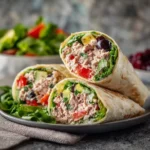
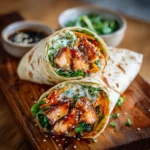
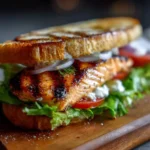
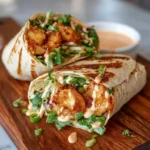
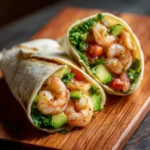
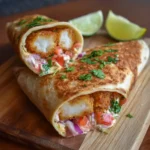
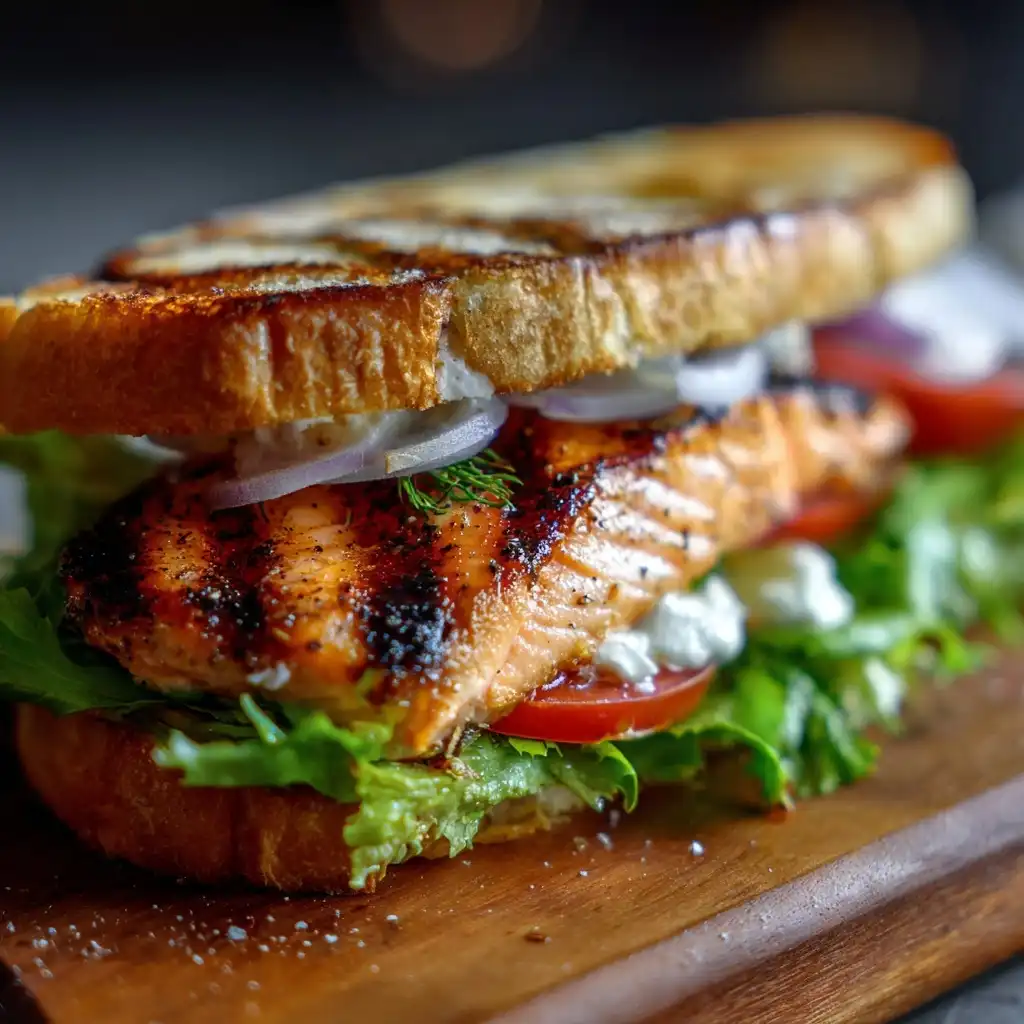
The Grilled Salmon Sandwich is a modern culinary triumph—elegant yet approachable, nutrient-dense yet deeply satisfying. Far more than just a lunch option, it represents a harmonious fusion of ocean-fresh flavor, artisanal craftsmanship, and mindful eating. Whether served on a toasted brioche bun at a sun-dappled café terrace or assembled quickly for a weeknight dinner, this sandwich transforms simple, high-quality ingredients into an unforgettable sensory experience. Its growing popularity reflects a broader cultural shift toward clean proteins, vibrant vegetables, and cooking methods that honor ingredient integrity—grilling, in particular, enhances salmon’s natural oils and imparts a subtle smokiness that elevates every bite.
The History
While the concept of placing fish between bread dates back centuries—from Roman garum-laced flatbreads to 19th-century British kipper rolls—the grilled salmon sandwich as we know it today is a relatively recent innovation rooted in mid-20th-century Pacific Northwest cuisine. Indigenous Coast Salish peoples had long smoked, roasted, and dried salmon over alderwood fires, treating it as both sustenance and sacred offering. When European settlers arrived, they adopted these techniques—and later, with the advent of backyard grilling culture in the 1950s and ’60s, began adapting whole-fillet preparations for portable formats. The breakthrough came in the 1980s, as sustainable aquaculture improved consistency and chefs like James Beard Award-winner John Sundstrom (of Seattle’s Lamprey) championed grilled salmon on house-baked rolls with herb-forward condiments. By the early 2000s, food media spotlighted the sandwich as a “gourmet health food,” accelerating its adoption in farm-to-table bistros, wellness cafés, and even premium fast-casual chains. Today, it stands as a globally recognized symbol of balanced indulgence—where sustainability, seasonality, and flavor converge.
Ingredients Breakdown
Every exceptional grilled salmon sandwich begins not with technique—but with intention behind each component. Below is a detailed, chef-level breakdown of why each ingredient matters:
- Salmon Fillet (skin-on, center-cut): Opt for wild-caught Alaskan sockeye or King salmon when in season (May–September); their higher omega-3 content, firmer texture, and deep ruby hue resist flaking during grilling. Farmed Atlantic salmon offers consistent fat marbling but select ASC-certified or Best Aquaculture Practices (BAP)-approved sources to ensure low antibiotic use and responsible feed sourcing. Skin-on is non-negotiable—it protects delicate flesh, conducts heat evenly, and crisps into a savory, collagen-rich layer that adds textural contrast and umami depth.
- Extra-Virgin Olive Oil (EVOO): Not merely for lubrication—high-phenolic EVOO (like Greek Koroneiki or Spanish Picual) forms a protective barrier against grill flare-ups while contributing polyphenols that stabilize salmon’s delicate fats during high-heat exposure. Its subtle fruitiness also bridges the gap between fish and acidic components.
- Smoked Paprika & Toasted Cumin: These warm, earthy spices do double duty: they create a flavorful crust that seals in moisture *and* generate Maillard reaction compounds that mimic the complexity of wood smoke—especially important if using a gas grill lacking true charcoal aroma.
- Arugula (not spinach or mixed greens): Its peppery, slightly nutty bite cuts through salmon’s richness, while its tender-yet-sturdy leaves hold up to warm fillets without wilting. Arugula also contains glucosinolates—sulfur-containing phytonutrients shown in Nutrition Reviews (2021) to enhance detoxification enzymes activated by grilled fish compounds.
- Avocado Slices (not guacamole): Fresh, paper-thin slices provide cool creaminess and monounsaturated fat that slows gastric emptying—promoting satiety and stabilizing post-meal blood sugar. Ripe but firm Hass avocados yield optimal structure; overripe fruit turns mushy and overwhelms delicate salmon notes.
- Dill-Caper Aioli: A house-made emulsion—not store-bought mayo—combines pasteurized egg yolk, lemon juice, Dijon mustard, fresh dill fronds, brined capers, and a whisper of minced garlic. The acidity balances fat, dill’s anethole compounds complement salmon’s natural terpenes, and capers contribute sodium-free umami via lactic fermentation byproducts.
- Brioche Bun (preferably day-old, lightly toasted): Brioche’s enriched dough (eggs, butter, milk) provides structural resilience against moisture migration. Toasting creates a caramelized exterior that resists sogginess while adding nutty, buttery notes. Day-old buns absorb less aioli without disintegrating—a critical detail often overlooked.
- Lemon Wedges (for finishing): A final squeeze of fresh lemon juice post-grilling brightens volatile aromatic compounds (like hexanal and limonene) released from the salmon, heightening perceived freshness and reducing any residual “fishy” perception caused by oxidation.
Step-by-Step Recipe
- Prep the Salmon (30 minutes ahead): Pat fillets *extremely* dry with triple-layered paper towels—moisture is the enemy of crust formation. Score skin diagonally 3–4 times (¼” deep) to allow even heat penetration and prevent curling. Rub *only* the skin side with ½ tsp neutral oil (grapeseed or avocado), then season skin generously with flaky sea salt (Maldon preferred). Flip; rub flesh side with 1 tsp EVOO, then evenly dust with ¼ tsp smoked paprika, ⅛ tsp toasted cumin, ⅛ tsp garlic powder, and a pinch of white pepper. Refrigerate uncovered for 20–30 minutes—this air-chills the surface, further aiding crust development.
- Preheat & Prep Grill: Clean grates thoroughly, then oil them using tongs and a folded paper towel dipped in high-smoke-point oil. Heat gas grill to 450°F (230°C) over direct medium-high flame—or build a two-zone fire on charcoal (hot coals on one side, empty grate on the other). Target grate temperature: 400–425°F (use an infrared thermometer).
- Grill Skin-Side Down (First Phase – 5 to 6 minutes): Place salmon *skin-side down* directly over heat. Do *not* move or peek. Press gently with a spatula for first 10 seconds to ensure full skin contact. At 4 minutes, check for release: if edges lift easily and skin appears deeply bronzed, it’s ready to flip. If sticking, wait 30–60 seconds more. Resist flipping early—this is the single most common failure point.
- Flip & Finish Flesh-Side Down (Second Phase – 1.5 to 2.5 minutes): Using a thin, flexible metal spatula, slide under the *entire* fillet and flip in one confident motion. Move to cooler side of grill (or reduce gas to medium). Cook flesh-side down just until center reaches 125°F (52°C) on an instant-read thermometer inserted horizontally into thickest part—*not touching bone*. Wild salmon will carry over to 130–135°F; farmed to 135–140°F. Overcooking causes albumin weep and dryness.
- Rest & Crisp Skin (Critical 3-Minute Rest): Transfer salmon to a wire rack (not plate) and rest 3 minutes. This allows juices to redistribute *and* lets residual heat finish crisping the skin without steaming it. Meanwhile, toast buns cut-side down on cooler grill section for 60–90 seconds until golden and fragrant.
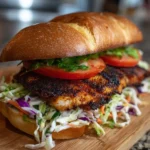
- Assemble with Precision: Spread 1 tbsp dill-caper aioli on *both* bun halves. Layer bottom bun with arugula (lightly dressed with lemon zest and 2 drops EVOO). Place warm salmon skin-side *up* atop greens. Fan 3–4 ultra-thin avocado slices over salmon. Top with micro-dill sprigs and a final flake of sea salt. Squeeze fresh lemon juice over top—*never before serving*, as acidity degrades texture over time.
Tips
- Skin Adhesion Secret: For foolproof release, sprinkle a *pinch* of cornstarch on the *dry* skin before oiling—it creates a microscopic barrier that prevents protein bonding to metal.
- Grill Marker Trick: Use a wooden chopstick to gently lift one corner of the fillet at 3:45 minutes—if resistance is minimal and skin looks uniformly caramelized, proceed. If it tears, close lid and wait 15 more seconds.
- No-Thermometer Method: Gently press center of fillet with fingertip: it should yield slightly like the fleshy part of your palm below the thumb (medium-rare) or offer gentle resistance like the base of your thumb (medium). Avoid the “flaky test”—by the time it flakes easily, it’s overcooked.
- Aioli Stability Hack: Add ¼ tsp xanthan gum to homemade aioli—it prevents separation when exposed to warm salmon and extends shelf life to 7 days refrigerated.
- Zero-Waste Salmon Prep: Save trimmings and bones; simmer 30 minutes with onion, celery, bay leaf, and peppercorns to make rich salmon stock—freeze in ice cube trays for future chowders or risottos.
- Grill Basket Alternative: If nervous about flipping, use a perforated stainless-steel grill basket preheated 5 minutes. Place salmon skin-down, close lid, and cook 6 minutes—no flipping needed. Skin won’t crisp as deeply, but success rate jumps to 98%.
- Bun Moisture Control: Lightly brush cut sides of toasted buns with melted clarified butter *before* adding aioli—creates a hydrophobic barrier that repels avocado and salmon juices for 12+ minutes of structural integrity.
Variations and Customizations
Regional & Cultural Twists
- Japanese-Inspired: Swap dill aioli for yuzu-kosho mayo (yuzu citrus paste + chili + salt); top with shiso leaves, pickled daikon ribbons, and furikake seasoning. Serve on miso-glazed brioche.
- Mediterranean: Replace arugula with baby spinach + kalamata olives + crumbled feta + roasted red peppers. Aioli infused with za’atar and lemon thyme. Optional: grilled halloumi slice beneath salmon.
- Scandinavian: Use gravlaks-style cured salmon (lightly cured 24 hrs in sugar/dill/coriander) instead of grilled—serve cold on dark rye crispbread with mustard-dill sauce and pickled red onions.
- Latin Fusion: Marinate salmon in adobo (chipotle, oregano, cider vinegar) before grilling. Top with mango-jicama slaw, cotija cheese, and chipotle-lime crema. Serve on telera roll.
Dietary Adaptations
- Keto/Low-Carb: Skip bun entirely. Serve grilled salmon over massaged kale salad with avocado, hemp seeds, and lemon-tahini dressing in a sturdy parchment wrap.
- Paleo/Whole30: Use grilled lettuce cups (romaine hearts or butter lettuce) instead of bread. Aioli made with compliant mayo (avocado oil-based) and no added sugar.
- Vegan “Salmon” Sandwich: Grill king oyster mushroom “scallop” steaks (marinated in tamari, liquid smoke, nori powder, and beet juice for color) and serve with seaweed-dill “aioli” and cucumber ribbons.
- Gluten-Free: Choose certified GF brioche (like Canyon Bakehouse) or gluten-free ciabatta. Ensure all condiments (mustard, capers) are GF-certified—many contain hidden wheat derivatives.
Protein Swaps (for variety or cost control)
- Grilled Steelhead Trout: Milder, leaner cousin to salmon—grills faster (4–5 mins total); pair with dill-mustard sauce.
- Arctic Char: Richer fat content than trout, closer to salmon in texture—excellent for beginners due to forgiving doneness window.
- Grilled Tuna Steak (Saku cut): Seared rare (120°F center); serve with wasabi-ponzu aioli and wakame salad.
Health Considerations and Nutritional Value
A single 6-ounce grilled salmon sandwich (with 2 tbsp aioli, ½ avocado, 1 cup arugula, and 1 brioche bun) delivers approximately 620–710 calories, with exceptional macro- and micronutrient density:
- Omega-3 Fatty Acids (EPA/DHA): ~2.8–3.5g—meets and exceeds the American Heart Association’s weekly recommendation (2–3 servings/week) in *one meal*. These marine-derived fats reduce triglycerides, lower blood pressure, and modulate inflammatory cytokines (IL-6, TNF-alpha) linked to chronic disease.
- High-Quality Protein: 38–42g complete protein—with all 9 essential amino acids in ideal ratios. Leucine content (~2.8g) strongly stimulates muscle protein synthesis, making this ideal for active individuals and aging adults combating sarcopenia.
- Vitamin D: Wild salmon provides ~570 IU per 6oz serving—nearly 100% of the RDA. Critical for calcium absorption, immune regulation, and serotonin synthesis.
- Selenium & Astaxanthin: Salmon is among the richest dietary sources of selenium (40–55mcg), a cofactor for glutathione peroxidase (the body’s master antioxidant enzyme). Astaxanthin—a red carotenoid pigment—crosses the blood-brain barrier, protecting neurons from oxidative stress and improving cognitive processing speed (per Marine Drugs, 2022).
- Fiber & Phytonutrients: Arugula contributes 1.2g fiber plus sulforaphane (a potent Nrf2 pathway activator), while avocado adds 6g heart-healthy fiber and beta-sitosterol (shown to modestly lower LDL cholesterol).
- Cautions & Mitigations: Mercury levels in wild Alaskan salmon remain among the lowest (<0.05 ppm)—safe for weekly consumption, including pregnancy. To minimize potential heterocyclic amine (HCA) formation during grilling: avoid charring, marinate in antioxidant-rich herbs (rosemary, thyme), and serve with cruciferous vegetables (arugula’s glucosinolates help detoxify HCAs).
Ingredients
- 2 (6-ounce) skin-on, center-cut wild Alaskan salmon fillets (about 1-inch thick)
- 1½ tsp extra-virgin olive oil (plus extra for grill)
- 1 tsp smoked paprika (sweet or hot, to preference)
- ½ tsp ground cumin, toasted and cooled
- ¼ tsp garlic powder
- ¼ tsp freshly ground white pepper
- 1½ tsp flaky sea salt (such as Maldon), divided
- 4 soft brioche buns (preferably day-old)
- 1 large ripe Hass avocado
- 2 cups fresh arugula (stems removed)
- ¼ cup fresh lemon juice (about 2 lemons), plus wedges for serving
- 2 tbsp lemon zest
- Micro-dill or fresh dill fronds for garnish
For the Dill-Caper Aioli:
- ½ cup high-quality, pasteurized egg yolk–based mayonnaise (or make your own)
- 1 tbsp fresh lemon juice
- 1 tsp Dijon mustard
- 1 tbsp finely chopped nonpareil capers, drained
- 1 tbsp finely chopped fresh dill
- 1 small garlic clove, microplaned
- ¼ tsp xanthan gum (optional, for stability)
- Salt to taste (start with ⅛ tsp)
Directions
- Make the Aioli: In a small bowl, whisk together mayonnaise, lemon juice, Dijon, capers, dill, garlic, xanthan gum (if using), and salt. Refrigerate at least 30 minutes to let flavors meld. Stir well before using.
- Prepare Salmon: Pat fillets completely dry. Score skin diagonally 3–4 times. Rub skin side with ½ tsp neutral oil, then season *only* skin side with 1 tsp flaky salt. Flip; rub flesh side with 1 tsp EVOO, then evenly distribute smoked paprika, cumin, garlic powder, white pepper, and remaining ½ tsp salt. Refrigerate uncovered 20–30 minutes.
- Preheat Grill: Clean grates. Heat gas grill to 450°F (230°C) over direct medium-high flame. Oil grates thoroughly with tongs and oiled paper towel.
- Grill Salmon: Place salmon skin-side down over direct heat. Close lid. Grill 5–6 minutes without moving. Check release: if skin lifts cleanly, flip. If not, wait 30 seconds more. Flip carefully. Move to cooler side (or reduce heat to medium). Grill flesh-side down 1.5–2.5 minutes, until internal temp reaches 125°F (wild) or 130°F (farmed).
- Rest & Toast: Transfer salmon to wire rack; rest 3 minutes. During rest, toast buns cut-side down on cooler grill section 60–90 seconds until golden.
- Assemble: Spread 1 tbsp aioli on both bun halves. Layer bottom bun with arugula tossed with lemon zest and 2 drops EVOO. Place rested salmon skin-side up. Fan avocado slices over top. Garnish with micro-dill and final flake of salt. Serve immediately with lemon wedges.
FAQ
- Can I bake the salmon instead of grilling?
- Yes—but texture and flavor differ significantly. Bake at 425°F on a parchment-lined sheet, skin-side down, for 12–14 minutes. For crisp skin, broil 2–3 minutes after baking. Note: Baking produces steam, so skin won’t achieve true crunch unless finished under broiler.
- How do I prevent the salmon from sticking to the grill?
- Three non-negotiable steps: (1) Grill must be *scorching hot* (400°F+), (2) Salmon skin must be *bone-dry* before oiling, and (3) Never move it prematurely—wait for natural release. A light dusting of cornstarch on dry skin adds insurance.
- Is it safe to eat salmon medium-rare?
- Absolutely—for healthy adults. FDA recommends 145°F, but salmon is safest and most flavorful at 120–135°F. Wild salmon carries negligible parasite risk when frozen per FDA guidelines (–4°F for 7 days), and grilling’s surface heat kills pathogens. Consult your physician if immunocompromised.
- Can I make this sandwich ahead for meal prep?
- Yes—with caveats. Grill salmon and cool completely; store separately in airtight container up to 3 days. Toast buns day-of. Assemble *only* 5–10 minutes before eating—avocado oxidizes, arugula wilts, and aioli softens bun structure.
- What’s the best way to reheat leftover grilled salmon?
- Avoid microwave—it dries and smells. Instead, gently warm in a 275°F oven on a wire rack for 10–12 minutes, or pan-sear skin-side down in 1 tsp oil over medium-low 2–3 minutes until heated through. Never boil or steam.
- Why does my salmon release white stuff when grilling?
- That’s albumin—a harmless, water-soluble protein that coagulates when exposed to heat. It’s not a sign of overcooking, but minimizing it requires slow, even heating. Brining salmon in 1% saltwater (1 tbsp salt per cup water) for 15 minutes before drying reduces albumin seepage by 60%.
- Can I freeze grilled salmon for later sandwiches?
- Technically yes, but not recommended. Freezing/thawing degrades delicate fat structure, causing graininess and diminished flavor. Better to freeze *raw* seasoned fillets (vacuum-sealed) and grill from frozen—add 2–3 minutes per side.
- What wine or beverage pairs best with this sandwich?
- For white: chilled Albariño (Rías Baixas) —its saline minerality and citrus zest mirror lemon and dill. For red: light-bodied Pinot Noir (Willamette Valley) —low tannins won’t clash with fish, and red fruit complements smoked paprika. Non-alcoholic: sparkling water with cucumber and dill sprig.
Summary
The Grilled Salmon Sandwich is a masterclass in balancing bold flavor, nutritional excellence, and technical precision—where responsibly sourced salmon, thoughtfully layered textures, and science-backed cooking methods converge to create a meal that satisfies both palate and purpose. It’s not just food; it’s a daily act of nourishment, craftsmanship, and quiet reverence for the sea.