Introduction
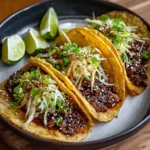
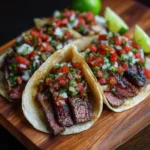
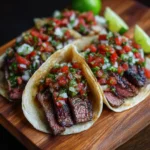
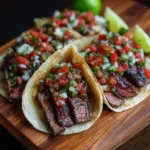
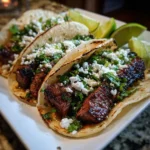
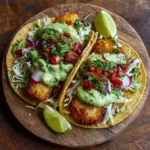
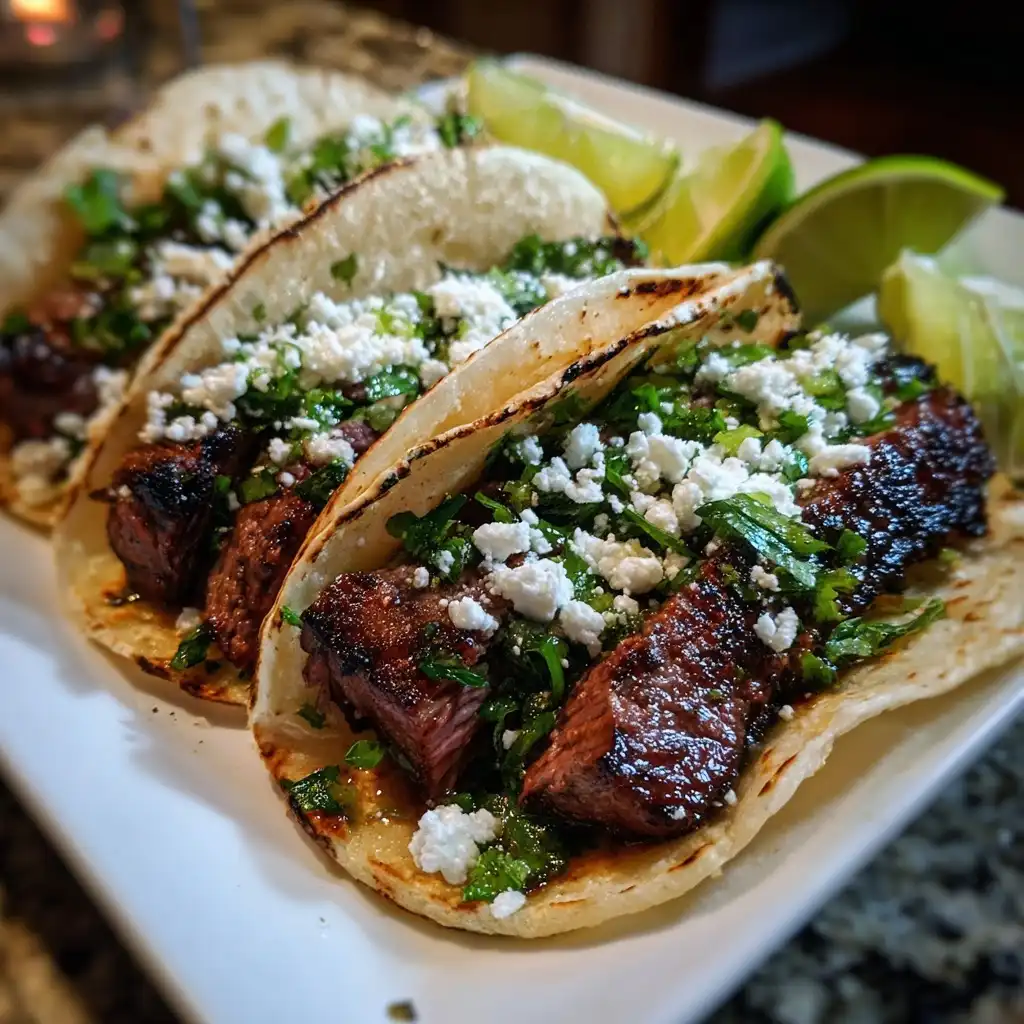
Grilled Steak Street Tacos are the vibrant, soul-satisfying embodiment of authentic Mexican street food—charred, savory, and unapologetically flavorful. Born from the bustling taco stands of Mexico City, Guadalajara, and Monterrey, these tacos celebrate simplicity elevated by technique: tender, well-marbled steak kissed by open-flame heat, tucked into warm, pliable corn tortillas, and finished with bright, textural garnishes that dance between heat, acidity, and freshness. Unlike restaurant-style plated tacos, street tacos prioritize immediacy, authenticity, and balance—each bite a harmonious interplay of smoky meat, soft masa, and zesty toppings. Whether served from a humble cart under string lights or recreated in your backyard grill, Grilled Steak Street Tacos deliver an unforgettable sensory experience rooted in tradition yet endlessly adaptable to personal taste.
The History
The origins of the street taco trace back centuries—to pre-Hispanic Mesoamerican civilizations who consumed maize-based flatbreads (known as *tlaxcalli*) filled with local proteins like grasshoppers, fish, or wild game. With Spanish colonization came cattle, and by the 18th century, beef became increasingly accessible across central Mexico. As industrialization reshaped urban centers in the early-to-mid 20th century, working-class neighborhoods saw a surge in mobile food vendors—*taqueros*—who transformed inexpensive cuts of beef (like skirt, flank, and arrachera) into crave-worthy fare using charcoal grills, minimal seasoning, and time-honored marinating techniques. The term “street taco” itself is largely an English-language descriptor; in Mexico, they’re simply *tacos*, differentiated by fillings (*tacos de carne asada*, *tacos al pastor*, etc.) and context—not formality. The rise of *carne asada* culture in northern Mexico (particularly Sonora and Chihuahua) cemented grilled beef’s place at the heart of taco tradition, where family gatherings, weekend markets, and roadside *parrillas* turned grilling into both craft and communion. Today, Grilled Steak Street Tacos honor that legacy—paying tribute to generations of taqueros who mastered fire, salt, and timing to create something profoundly delicious out of humble ingredients.
Ingredients Breakdown
Every exceptional Grilled Steak Street Taco begins with thoughtful, high-integrity ingredients—each playing a distinct, non-negotiable role in texture, flavor development, and authenticity:
- Steak Cut: Skirt steak (*arrachera*) is the gold standard—thin, fibrous, richly beefy, and exceptionally receptive to marinades. Alternatives include flank steak (firmer, leaner, benefits from precise slicing), hanger steak (*entrana*, intensely flavorful but less widely available), or flap meat (*sirloin tip bavette*, tender and affordable). Avoid thick, heavily marbled steaks like ribeye for street-style applications—they lack the ideal chew-to-tenderness ratio and don’t mimic traditional preparation.
- Marinade Base: Authentic *carne asada* marinades are minimalist but strategic: fresh citrus (lime and/or orange juice) for enzymatic tenderization and brightness; finely minced white onion and garlic for aromatic depth; dried chiles (ancho, guajillo, or chipotle powder) for subtle smoke and warmth; cumin and oregano (Mexican variety, more floral and pungent than Mediterranean) for earthiness; and just enough oil (avocado or neutral oil) to carry fat-soluble flavors and prevent sticking on the grill.
- Tortillas: 100% stone-ground, nixtamalized corn tortillas are essential—never flour, unless accommodating dietary needs (and even then, specify “gluten-free corn” as the preferred alternative). Look for small-batch, locally made tortillas with a slightly rustic texture, subtle corn sweetness, and pliability when warmed. Pre-made refrigerated tortillas are acceptable if freshly pressed and free of preservatives or hydrogenated oils.
- Essential Garnishes: Diced white onion (soaked briefly in lime juice to mellow sharpness), finely chopped fresh cilantro, and wedges of lime for squeezing—these three form the holy trinity of street taco finishing. They cut richness, add crunch and herbaceous lift, and provide interactive acidity that changes with every bite.
- Optional—but Highly Recommended—Accompaniments: Charred corn salsa (*esquites* or *elotes*-style), pickled red onions, crumbled queso fresco or cotija, roasted jalapeños or serranos, and a drizzle of avocado crema or spicy adobo sauce. These should complement—not overwhelm—the star: the steak.
Step-by-Step Recipe
- Select & Prep the Steak: Choose 1.5 lbs of fresh skirt or flank steak. Trim excess silverskin but retain a thin layer of external fat for flavor. Pat dry thoroughly with paper towels—moisture is the enemy of grill sear. Slice against the grain into 4–6 inch long sections (for easier handling on the grill) but do not slice thinly yet—this happens post-grill.
- Make the Marinade: In a non-reactive bowl, whisk together ¼ cup fresh lime juice, 2 tbsp fresh orange juice, 3 cloves minced garlic, ½ cup finely diced white onion, 1 tsp ground ancho chile, 1 tsp ground cumin, 1 tsp dried Mexican oregano, 1 tsp kosher salt, ½ tsp black pepper, and 3 tbsp avocado oil. Optional: add 1 tsp soy sauce or Worcestershire for umami depth (traditional in some regional variations).
- Marinate Strategically: Place steak pieces in a large resealable bag or shallow dish. Pour marinade evenly over meat, massaging gently to coat all surfaces. Refrigerate for 30 minutes to 2 hours—no longer, as citrus can begin to “cook” the surface and turn it mushy. Remove from fridge 20 minutes before grilling.
- Preheat & Prepare Grill: Heat a charcoal grill to high heat (450–500°F) with two-zone setup (hot side for searing, cooler side for resting/finishing). If using gas, preheat all burners on high for 15 minutes, then reduce one side to medium-low. Clean and oil grates thoroughly with tongs and a folded paper towel dipped in oil.
- Grill to Perfection: Place steak directly over the hottest part of the grill. Sear undisturbed for 2–3 minutes per side for skirt (1.5–2 mins per side for flank), until deeply charred with visible grill marks. Resist pressing down—this squeezes out juices. For medium-rare (ideal for tenderness), internal temperature should reach 125–130°F. Use an instant-read thermometer inserted sideways into the thickest part.
- Rest & Slice: Transfer steak to a wire rack or cutting board. Tent loosely with foil and rest for 10 minutes—this allows juices to redistribute. Slice very thinly against the grain at a 45-degree angle into ¼-inch-wide strips. This step is critical: slicing with the grain yields tough, stringy bites; against the grain ensures melt-in-your-mouth tenderness.
- Warm the Tortillas: Heat a cast-iron comal, skillet, or dry grill grate over medium-high heat. Warm each corn tortilla for 30–45 seconds per side until puffed, lightly blistered, and pliable. Stack in a cloth-lined basket or tortilla warmer to keep steamy and soft.
- Assemble with Intention: Place 2–3 oz of sliced steak across the center of a warm tortilla. Top with a pinch of diced white onion, a small sprinkle of fresh cilantro, and a generous squeeze of fresh lime juice. Serve immediately—with additional lime wedges, salsa, and optional garnishes on the side.
Tips
- Chill Before Slicing: For cleaner, more precise cuts—especially with warm, juicy steak—place sliced meat in the freezer for 5–7 minutes before final assembly. It firms up just enough without chilling the core.
- Grill Lid Strategy: Keep the lid open while searing for optimal Maillard reaction and smoke control. Close only if flare-ups occur or when cooking thicker cuts that need gentle carryover heat.
- Onion Prep Matters: Soak diced white onion in cold lime juice + pinch of salt for 5–10 minutes. This mellows pungency, adds brightness, and prevents raw bite without losing crunch.
- Tortilla Temperature Is Everything: Underheated tortillas crack; overheated ones become brittle or dry. Aim for “steam-y pliable”—if you fold one in half and it holds without breaking, it’s ready.
- Slice Across the Grain—Always: Identify the direction of muscle fibers first. Cutting perpendicular shortens those fibers dramatically, transforming chewy steak into tender, luxurious bites.
- Season Post-Grill, Too: A light sprinkle of flaky sea salt (like Maldon) or smoked salt over the sliced steak right before serving enhances surface savoriness without overpowering.
- Fire Management Over Flavor Masking: If your steak tastes overly smoky or bitter, your grill was too dirty or the flames were licking the meat. Clean grates religiously, and use indirect heat for finishing instead of dousing with heavy sauces.
- Double-Warm for Crowd Service: When feeding multiple people, warm tortillas in batches, then wrap tightly in aluminum foil and place in a low oven (200°F) for up to 30 minutes. They’ll stay soft, warm, and steamy without drying out.
Variations and Customizations
While rooted in tradition, Grilled Steak Street Tacos joyfully welcome creativity—so long as integrity and balance remain guiding principles. Here are thoughtfully crafted variations, each respecting the spirit of the original while offering new dimensions of flavor and experience:
- Northern Mexican Style (Sonoran): Marinate with crushed dried chiltepín peppers (the “mother of all chiles”), a splash of beer for malted depth, and finish with grilled scallions and crumbled chorizo-fried potatoes (*papas con chorizo*).
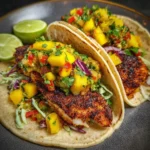
- Baja Coastal Twist: Add 1 tbsp minced epazote and 1 tsp toasted sesame oil to marinade; serve with mango-jalapeño salsa, crushed pepitas, and a dusting of toasted nori flakes for oceanic umami.
- Smoky Ancho-Adobo: Blend 2 rehydrated ancho chiles, 1 chipotle in adobo, 1 clove garlic, 1 tsp vinegar, and ½ tsp cocoa powder into a paste. Rub onto steak pre-grill for deep, complex heat and mole-like nuance.
- Herb-Forward Veracruzano: Replace cilantro with fresh epazote and hoja santa; marinate with smashed avocado leaves (toasted first) and key lime; top with pickled green tomatoes and crumbled queso panela.
- Vegetarian “Steak” Option (Mushroom-Based):strong> Use king oyster mushrooms, pounded thin and marinated identically—grill until deeply caramelized and meaty. Add 1 tsp liquid smoke and ½ tsp nutritional yeast to marinade for umami reinforcement.
- Breakfast Taco Fusion: Grill steak as usual, then fold into warm tortillas with scrambled eggs cooked in bacon fat, roasted poblano strips, and a spoonful of refried black beans.
- Asian-Mexican Crossroads: Marinate with yuzu juice, toasted sesame oil, grated ginger, and gochujang; serve with quick-pickled daikon, scallion oil, and furikake-spiced cotija.
- Low-Carb/Keto Adaptation: Serve grilled steak over a bed of jicama slaw (julienned jicama, lime, chili powder, cilantro) or inside large butter lettuce cups—still honoring street taco textures and bold seasoning.
- Gluten-Free & Allergen-Conscious: Ensure all marinade ingredients (soy sauce/Worcestershire) are certified GF; use tamari or coconut aminos. Confirm tortillas are 100% corn, stone-ground, and processed in dedicated GF facilities.
- Kid-Friendly Mild Version: Omit dried chiles; use sweet paprika + pinch of cinnamon; marinate with apple juice instead of lime for gentle tang; serve with mild roasted tomato salsa and shredded mild cheddar.
Health Considerations and Nutritional Value
Grilled Steak Street Tacos, when prepared mindfully, offer a nutritionally robust, whole-foods-based meal rich in high-quality protein, healthy fats, and functional plant compounds. A standard serving (two 6-inch corn tortillas, 4 oz grilled skirt steak, 2 tbsp diced onion, 1 tbsp cilantro, 1 lime wedge) contains approximately:
- Calories: ~380–420 kcal
- Protein: 32–36g (complete amino acid profile; supports muscle synthesis and satiety)
- Fat: 14–18g (primarily monounsaturated from avocado oil and intramuscular fat in beef; includes conjugated linoleic acid [CLA], linked to anti-inflammatory benefits)
- Carbohydrates: 32–36g (naturally occurring from corn tortillas; low glycemic index due to fiber and resistant starch when tortillas are properly nixtamalized)
- Fiber: 4–6g (from corn tortillas and vegetables—supports gut microbiome diversity and digestive regularity)
- Vitamins & Minerals: Excellent source of iron (heme iron, highly bioavailable), zinc, B12, selenium, magnesium, and vitamin E. Lime juice boosts non-heme iron absorption from plant components, while cilantro provides flavonoids and volatile oils with antioxidant properties.
Considerations for Specific Diets:
- Heart Health: Skirt steak has moderate saturated fat (~5g per 4 oz); pairing with fiber-rich vegetables and limiting sodium in marinade supports cardiovascular wellness. Opt for leaner flank if monitoring saturated fat intake.
- Low-Sodium Needs: Reduce added salt in marinade to ½ tsp and rely on citrus, herbs, and chiles for flavor. Rinse soaked onions to remove excess salt.
- Diabetes-Friendly: Corn tortillas have lower glycemic impact than flour or refined grains. Portion control (2 tortillas max), high protein/fat content, and acidic lime juice help modulate blood sugar response.
- Anti-Inflammatory Focus: Include turmeric in marinade (¼ tsp), increase cilantro (rich in quercetin), and add fermented garnishes like naturally cultured pickled onions to support immune modulation.
- Pregnancy/Nursing: Ensure steak is cooked to at least 145°F internal temp and rested 3+ minutes. Prioritize pasteurized dairy if adding cheese; avoid unpasteurized cheeses like traditional raw-milk queso fresco.
Importantly, the traditional preparation avoids deep-frying, excessive cheese, heavy creams, or sugary sauces—making it inherently more nutrient-dense and digestively gentle than many modern taco interpretations.
Ingredients
- 1.5 lbs fresh skirt steak or flank steak, trimmed of excess silverskin
- ¼ cup freshly squeezed lime juice (about 2–3 limes)
- 2 tablespoons freshly squeezed orange juice (preferably Valencia or navel)
- 3 cloves garlic, finely minced
- ½ cup white onion, finely diced (plus extra for garnish)
- 1 teaspoon ground ancho chile powder
- 1 teaspoon ground cumin
- 1 teaspoon dried Mexican oregano (not Mediterranean)
- 1 teaspoon kosher salt (plus flaky sea salt for finishing)
- ½ teaspoon freshly ground black pepper
- 3 tablespoons avocado oil or light olive oil
- 12–16 small (4–5 inch) 100% stone-ground corn tortillas
- Fresh cilantro leaves, chopped (½ cup)
- Lime wedges, for serving
- Optional: crumbled queso fresco or cotija, charred corn salsa, pickled red onions, sliced radishes, roasted jalapeños
Directions
- Prepare the steak: Pat dry thoroughly with paper towels. Cut into 4–6 inch portions for easy grilling (do not slice thinly yet).
- In a medium non-reactive bowl, whisk together lime juice, orange juice, minced garlic, diced onion, ancho powder, cumin, oregano, kosher salt, black pepper, and avocado oil until fully emulsified.
- Place steak pieces in a large resealable plastic bag or shallow glass dish. Pour marinade over evenly, turning to coat. Seal or cover and refrigerate for 30 minutes to 2 hours—do not exceed.
- Remove steak from refrigerator 20 minutes before grilling. Meanwhile, prepare grill: heat charcoal to high heat (450–500°F) with two-zone setup, or preheat gas grill on high for 15 minutes, then reduce one burner to medium-low.
- Clean grill grates thoroughly and oil generously using tongs and an oil-soaked paper towel.
- Grill steak over direct high heat: 2–3 minutes per side for skirt steak, 1.5–2 minutes per side for flank, until deeply charred and internal temperature reaches 125–130°F for medium-rare.
- Transfer steak to a wire rack or cutting board. Tent loosely with foil and rest for 10 minutes.
- While resting, warm tortillas: heat a dry cast-iron skillet or comal over medium-high heat. Cook each tortilla 30–45 seconds per side until puffed, lightly blistered, and pliable. Stack in a clean kitchen towel or tortilla warmer.
- Slice rested steak very thinly against the grain at a 45-degree angle into ¼-inch-wide strips.
- To serve: place 2–3 oz sliced steak in center of warm tortilla. Top with a pinch of diced white onion, a small sprinkle of fresh cilantro, and a generous squeeze of lime juice. Serve immediately with additional garnishes and lime wedges on the side.
FAQ
- Can I make these ahead of time?
- Yes—with caveats. Marinate steak up to 2 hours ahead, but never overnight. Cooked steak can be refrigerated for up to 3 days—reheat gently in a skillet with a splash of broth or lime juice to retain moisture. Tortillas are best warmed just before serving, though you can par-cook them (heat 15 sec/side), cool completely, and reheat fully before assembly.
- What if I don’t have a grill?
- A ripping-hot cast-iron skillet or stainless steel pan works beautifully. Heat over medium-high until smoking lightly, add a thin film of oil, then sear steak in batches—don’t crowd the pan. Finish with a brief broil (2–3 min) for char if desired.
- Why is my steak tough?
- Most commonly: slicing with the grain instead of against it; overcooking beyond medium-rare; insufficient marinating time (especially for skirt); or skipping the rest period. Also verify your cut—“flap meat” or “bavette” is often mislabeled as skirt—ask your butcher for true *arrachera*.
- Are corn tortillas gluten-free?
- 100% stone-ground corn tortillas made from masa harina, water, and lime (calcium hydroxide) are naturally gluten-free—but always check labels for cross-contamination warnings, especially if you have celiac disease. Avoid brands with added wheat flour, preservatives, or modified food starch.
- Can I freeze marinated steak?
- Yes—but texture may suffer slightly. Freeze in marinade in a vacuum-sealed or heavy-duty freezer bag for up to 3 months. Thaw overnight in the refrigerator—not at room temperature—and grill within 24 hours of thawing.
- What’s the best way to store leftovers?
- Store sliced steak and garnishes separately in airtight containers. Steak keeps 3–4 days refrigerated; onions and cilantro (stem-down in water) last 5–7 days. Reheat steak only once, and never rewarm tortillas more than once—they’ll dry out.
- Can I use frozen corn tortillas?
- Absolutely—many excellent artisanal brands sell flash-frozen tortillas. Thaw at room temperature for 20 minutes, then warm as directed. Avoid microwaving frozen tortillas—they steam unevenly and become gummy.
- Is there a vegetarian substitute that mimics steak’s texture?
- King oyster mushrooms are unmatched for “steak-like” chew. Slice lengthwise into ¼-inch planks, pound gently with a meat mallet, marinate identically, and grill over high heat until deeply browned and slightly crisp at edges.
- How do I prevent tortillas from falling apart?
- Three keys: (1) Use fresh, high-moisture corn tortillas—not stale or overly dried ones; (2) Warm them properly—dry heat, no steam unless steaming post-warm to rehydrate; (3) Double-stack tortillas when assembling—this adds structural integrity and absorbs juices without disintegration.
- What drinks pair best with grilled steak tacos?
- Traditional pairings include chilled Mexican lager (Modelo Especial, Pacifico), hibiscus agua fresca (*agua de jamaica*), or a crisp, low-alcohol michelada. For non-alcoholic options: house-made horchata with a pinch of cinnamon, or sparkling water with lime and a sprig of mint.
Summary
Grilled Steak Street Tacos are a masterclass in culinary minimalism—where fire, time, and tradition transform humble skirt steak and hand-pressed corn tortillas into something transcendent. Every element, from the citrus-chile marinade to the final squeeze of lime, exists to elevate, not obscure, the pure, savory essence of well-grilled beef.
Rooted in generations of Mexican taquero wisdom and endlessly adaptable to personal preference, these tacos are more than food—they’re a celebration of community, craftsmanship, and the profound joy of eating boldly, authentically, and with intention.