Introduction
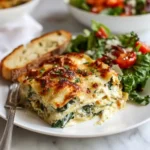
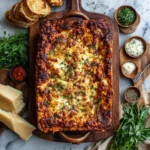
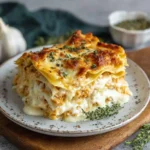
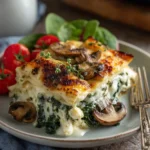
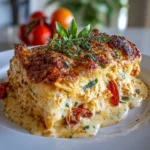
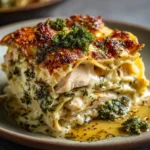
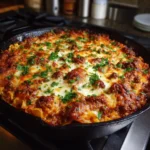
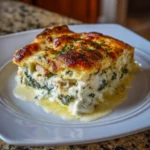
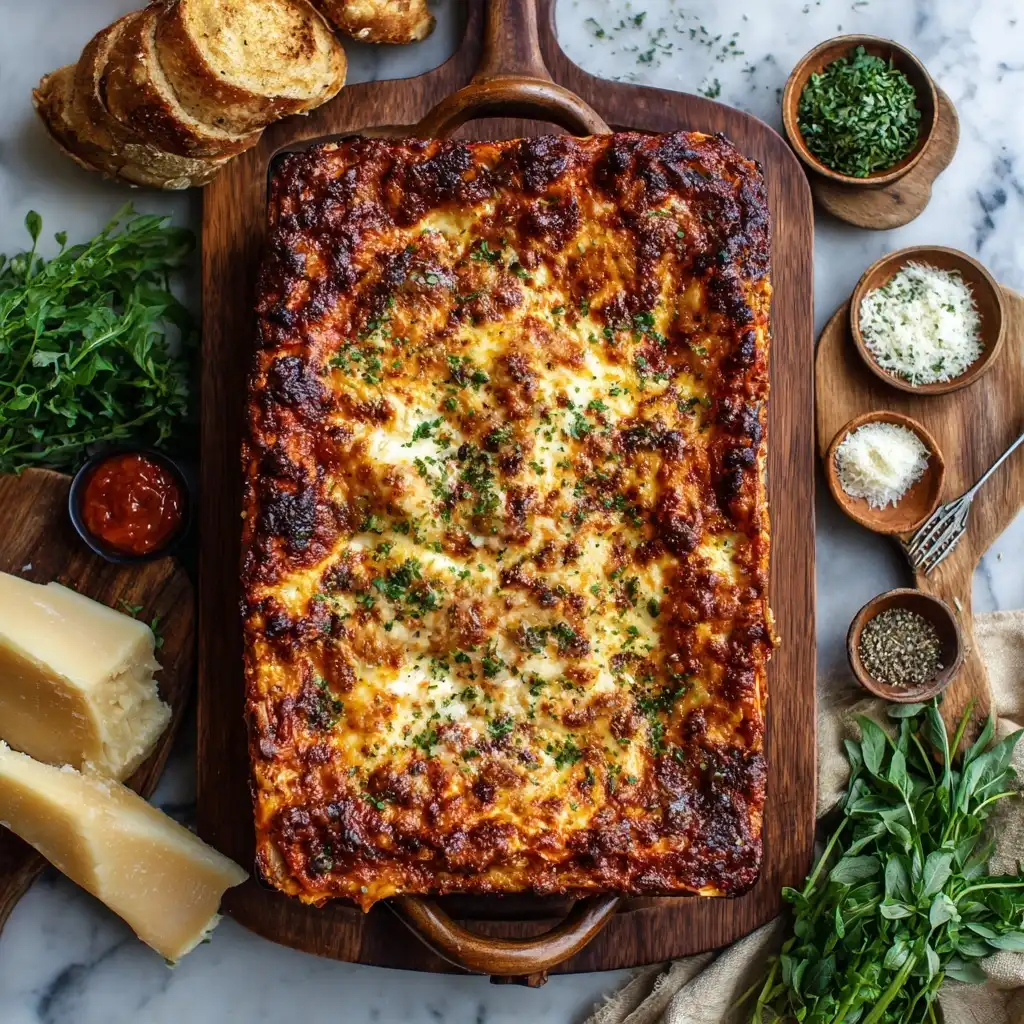
Hearty Vegetable Bolognese Lasagna is a modern, soul-warming reinterpretation of the classic Italian comfort dish—elevated with layers of rich, slow-simmered vegetable-forward ragù, tender oven-baked lasagna noodles, creamy ricotta and mozzarella cheeses, and a whisper of fresh herbs. Far from a mere “meatless substitute,” this version stands proudly on its own: deeply savory, umami-rich, texturally dynamic, and nutritionally robust. It bridges tradition and innovation—honoring the time-honored techniques of Emilia-Romagna while embracing seasonal produce, plant-based depth, and mindful cooking. Whether served at a Sunday family dinner, a holiday gathering, or as meal-prep magic for busy weekdays, this lasagna delivers comfort without compromise—satisfying vegetarians, flexitarians, and even devoted carnivores alike.
The History
The origins of lasagna trace back over 700 years—to 13th-century Italy, where early versions appeared in the medieval cookbook Liber de Coquina, featuring layered pasta sheets with grated cheese and spices. The iconic Bolognese ragù (ragù alla bolognese) emerged in the late 18th century in Bologna, traditionally a slow-cooked, meat-centric sauce of ground beef and/or pork, soffritto (onion, carrot, celery), tomato paste, wine, milk, and broth—simmered for hours to develop profound depth. Authentic Italian culinary authorities like the Accademia Italiana della Cucina codified its preparation in 1982, emphasizing balance, tenderness, and restraint (no garlic, no herbs beyond occasional bay leaf or nutmeg). Yet, as global palates evolved and sustainability, health, and ethical eating gained prominence, chefs and home cooks began reimagining the ragù—not by omission, but by *substitution with intention*. Rooted in Italy’s long tradition of cucina povera (peasant cooking), where vegetables, legumes, and grains formed the backbone of nourishing meals, the vegetable Bolognese movement honors that legacy. Think of eggplant caponata in Sicily, lentil ragù in Umbria, or mushroom-and-walnut “meats” in Tuscany. This Hearty Vegetable Bolognese Lasagna doesn’t erase history—it expands it: a respectful, flavorful evolution that speaks to today’s kitchens while preserving the soul of slow food, layering, and shared abundance.
Ingredients Breakdown
Every component in this lasagna serves a distinct sensory and structural purpose—no ingredient is an afterthought. Here’s why each matters:
- Extra-Virgin Olive Oil: Not just for sautéing—its peppery finish and polyphenols add complexity and act as a flavor carrier. Use a high-quality, cold-pressed oil added both at the beginning (for cooking) and at the end (a drizzle before baking for aroma).
- Soffritto Trio (Onion, Carrot, Celery): The aromatic foundation. Finely diced and slowly sweated—not browned—to release natural sugars and build a sweet, savory base. Organic or heirloom varieties enhance depth.
- Cremini & Shiitake Mushrooms: Provide intense umami, meaty texture, and natural glutamates. Creminis offer earthiness; shiitakes contribute a smoky, almost bacon-like richness when sautéed until deeply caramelized.
- Grated Zucchini & Eggplant: Grated (not diced) for seamless integration—zucchini adds moisture and subtle sweetness; eggplant contributes body, creaminess when roasted first, and absorbs flavors like a sponge. Salting and draining eggplant removes bitterness and prevents sogginess.
- Red Lentils: The secret binder and protein powerhouse. They break down during simmering into a velvety, thickening matrix—mimicking the mouthfeel of slow-cooked ground meat without graininess. Rich in iron, fiber, and folate.
- Tomato Foundation (San Marzano Crushed Tomatoes + Paste + Dry Red Wine): San Marzano DOP tomatoes bring bright acidity and low seed content; double-concentrated tomato paste (cooked until brick-red) adds caramelized sweetness and deep color; dry red wine (like Chianti or Sangiovese) deglazes, lifts flavors, and contributes tannic structure that mellows beautifully.
- Herbs & Aromatics (Fresh Rosemary, Thyme, Bay Leaf, Nutmeg): Rosemary and thyme echo traditional Bolognese notes—earthy and resinous—while bay leaf infuses gentle warmth. A pinch of freshly grated nutmeg (not pre-ground) lends a haunting, warming nuance that balances acidity—a hallmark of authentic ragù.
- Plant-Based Milk (Unsweetened Cashew or Oat): Replaces traditional dairy milk to tenderize proteins (in lentils/vegetables) and round out acidity—adds subtle creaminess without overpowering.
- Lasagna Noodles (No-Boil or Oven-Ready): Engineered to absorb liquid directly in the oven. Key tip: Ensure your sauce has sufficient moisture (not too thick) so noodles fully hydrate. For artisanal depth, use bronze-die extruded, slow-dried durum wheat noodles—they hold sauce better and have superior bite.
- Ricotta Cheese (Whole-Milk, Part-Skim, or Wholly Plant-Based Alternative): Provides creamy contrast, mild tang, and delicate structure. Opt for high-quality, minimally processed ricotta—drained well to prevent pooling. Vegan option: cashew-ricotta infused with lemon zest, nutritional yeast, and garlic powder.
- Mozzarella (Fresh Mozzarella di Bufala or Low-Moisture Shredded): Buffala offers luxurious melt and milky sweetness; low-moisture provides superior browning and stretch. A blend of both yields optimal texture.
- Parmigiano-Reggiano (Aged 24+ Months): Non-negotiable. Its crystalline crunch, nutty-savory depth, and umami punch elevate every bite. Grate it fresh—it melts differently and tastes exponentially brighter than pre-grated.
- Fresh Basil & Flat-Leaf Parsley: Added post-bake for brightness, herbal lift, and visual appeal—cutting through richness with volatile oils that would vanish under heat.
Step-by-Step Recipe
- Prep & Pre-Roast Eggplant (45 min ahead): Peel and grate 1 large globe eggplant (approx. 1 lb). Place in a colander, toss with 1 tsp kosher salt, and let drain 20 minutes. Rinse thoroughly, squeeze dry with clean towels. Toss with 1 tbsp olive oil and roast on parchment-lined sheet at 425°F (220°C) for 20–25 min until golden and shrunken. Cool completely—this step eliminates water, concentrates flavor, and ensures no mushiness in final layers.
- Build the Soffritto Base: In a heavy-bottomed Dutch oven or large saucepan, heat 3 tbsp olive oil over medium-low. Add 1 finely diced yellow onion, 1 large grated carrot, and 2 stalks finely diced celery. Sweat gently—stirring every 2–3 min—for 12–15 minutes until translucent and fragrant, but not browned. Lower heat if needed.
- Develop Umami Layers: Increase heat to medium. Add 8 oz cremini mushrooms (wiped clean, finely chopped), 4 oz shiitakes (stems removed, caps thinly sliced). Cook 8–10 minutes until deeply browned and moisture evaporates. Stir in 2 tbsp tomato paste; cook 4 minutes, stirring constantly, until paste darkens to brick-red and smells sweet and toasted.
- Incorporate Vegetables & Lentils: Stir in grated zucchini (1 medium, ~1 cup, squeezed dry), roasted eggplant, and ½ cup dried red lentils. Toast 2 minutes. Pour in ½ cup dry red wine; scrape bottom to lift fond. Simmer 3–4 minutes until alcohol cooks off.
- Simmer the Ragù: Add 28 oz San Marzano crushed tomatoes, 1 cup low-sodium vegetable broth, ¼ cup unsweetened cashew milk, 1 tsp minced fresh rosemary, 1 tsp minced fresh thyme, 2 bay leaves, and a generous pinch of freshly grated nutmeg. Bring to a gentle bubble, then reduce heat to lowest setting. Partially cover and simmer for 1 hour 15 minutes, stirring every 15 minutes. Skim foam if needed. Remove bay leaves. Season with sea salt and black pepper—taste and adjust: it should be deeply savory, balanced (not acidic), and thick enough to mound on a spoon but still fluid.
- Prepare Cheese Layer: In a bowl, combine 16 oz whole-milk ricotta, 1 large egg (or flax egg for vegan), ½ cup grated Parmigiano-Reggiano, ¼ cup chopped fresh parsley, zest of 1 lemon, ½ tsp sea salt, and a crack of black pepper. Mix until smooth and airy—do not overmix.
- Assemble with Precision: Preheat oven to 375°F (190°C). Lightly grease a 9×13-inch deep ceramic or stainless steel baking dish. Spread 1 cup ragù evenly across bottom. Lay 4 no-boil lasagna noodles (slightly overlapping if needed). Top with ⅓ of ricotta mixture (dollop and spread gently), then 1½ cups ragù, then ⅓ of mozzarella (shredded or torn). Repeat layers twice more (noodles → ricotta → ragù → mozzarella), ending with a final noodle layer. Top with remaining ragù (reserve ~½ cup), then remaining mozzarella, and a generous ½ cup grated Parmigiano-Reggiano. Drizzle with 1 tbsp olive oil.
- Bake with Steam Control: Cover tightly with parchment-lined aluminum foil (parchment prevents cheese sticking). Bake 25 minutes. Remove foil. Bake uncovered 20–25 minutes until top is golden, bubbly, and edges are deeply caramelized. Let rest 35–40 minutes—this is non-negotiable for clean slicing and sauce setting.
- Finish & Serve: Just before serving, scatter generously with torn fresh basil and additional parsley. Optional: a final microplane of Parmigiano-Reggiano and a swirl of high-quality olive oil.
Tips
- Resting Is Ritual: Cutting too soon causes structural collapse and sauce runoff. Resting allows starches to set, cheeses to re-emulsify, and layers to harmonize. Set a timer—it transforms texture.
- Sauce Consistency Check: Your ragù should coat the back of a wooden spoon and hold a clear line when you run your finger through it. Too thin? Simmer uncovered 5–10 min. Too thick? Stir in 1–2 tbsp broth or wine.
- Noodle Hydration Hack: If using no-boil noodles and your sauce seems dry, brush noodles lightly with warm broth before layering—or add ¼ cup extra liquid to ragù before assembly.
- Layering Order Matters: Always start and end with sauce—not cheese—to prevent sticking and ensure even moisture distribution. Never place ricotta directly on dry noodles.
- Cheese Temperature: Use room-temperature ricotta and mozzarella. Cold cheese cools the dish unevenly and resists melting smoothly.
- Oven Thermometer Essential: Most home ovens run hot or cold. An oven thermometer ensures precise temperature—critical for even baking and avoiding burnt tops or undercooked centers.
- Make-Ahead Magic: Assemble up to 24 hours ahead; refrigerate covered. Add 5–10 minutes to covered bake time. Or freeze unbaked (up to 3 months)—thaw overnight in fridge before baking.
- Reheating Without Sogginess: Individual slices: 350°F oven, covered with foil, 15–20 min. Avoid microwave—it makes noodles gummy. For full pan: add 2 tbsp broth or water, cover tightly, bake 25 min covered, 10 min uncovered.
- Texture Contrast Boost: For gourmet flair, top with toasted pine nuts or walnuts and a sprinkle of lemon zest just before serving.
- Wine Pairing Wisdom: Serve alongside the same red wine used in cooking—or choose a lighter-bodied, high-acid red like Barbera d’Asti to cut richness and complement vegetables.
Variations and Customizations
This recipe is a canvas—not a cage. Adapt thoughtfully based on season, preference, or pantry:
- Seasonal Swaps: In summer: swap zucchini for grilled summer squash and add halved cherry tomatoes in last 15 minutes of ragù. In fall: replace eggplant with roasted delicata squash and stir in ¼ cup cooked chestnuts. In winter: use shredded Brussels sprouts (sautéed first) and add 1 tsp smoked paprika to ragù.
- Protein-Powered: Add ½ cup cooked brown lentils or crumbled tempeh (marinated in tamari + maple + liquid smoke) with mushrooms. For non-veg: fold in ½ cup finely chopped pancetta with soffritto.
- Gluten-Free: Use certified GF oven-ready lasagna noodles (Tinkyada or Barilla) and ensure all broth/wine are GF-certified. Thicken ragù with 1 tsp GF cornstarch slurry if needed.
- Dairy-Free/Vegan: Replace ricotta with cashew-ricotta (1 cup soaked cashews + ¼ cup water + 2 tbsp lemon juice + 2 tbsp nutritional yeast + 1 tsp white miso + salt); use vegan mozzarella shreds (Miyoko’s or Violife) and vegan Parmesan (Homemade: ½ cup raw cashews + 2 tbsp nutritional yeast + ½ tsp garlic powder + ¼ tsp salt).
- Low-Carb/Keto: Replace noodles with thinly sliced zucchini or eggplant “sheets” (salted, pressed, and roasted until pliable). Reduce lentils to ¼ cup and add 2 tbsp almond flour to ragù for thickening.
- Spice It Up: Add ¼ tsp crushed red pepper flakes with soffritto, or stir in 1 tbsp harissa paste with tomato paste for North African warmth.
- Herb Garden Twist: Swap rosemary/thyme for 2 tbsp chopped fresh oregano and marjoram—especially lovely with Mediterranean vegetables like artichokes and olives (add ⅓ cup pitted kalamata olives to ragù).
- Umami Bomb Upgrade: Stir in 1 tbsp white miso paste or 2 tsp soy sauce (reduced sodium) into ragù during last 10 minutes of simmering for deeper savoriness.
- Breakfast Lasagna: Add ¼ cup chopped sun-dried tomatoes and 2 tbsp chopped fresh spinach to ricotta layer; top with fried eggs before serving.
- Mini Individual Lasagnas: Layer in ramekins or muffin tins—reduce bake time to 20–25 min covered, 10 min uncovered. Perfect for portion control or elegant dinner parties.
Health Considerations and Nutritional Value
This Hearty Vegetable Bolognese Lasagna is intentionally formulated to deliver exceptional macro- and micronutrient density without sacrificing indulgence. Per standard serving (1/12 of recipe, approx. 1.5 cups):
- Calories: ~420–460 kcal — balanced between complex carbs (whole-grain noodles optional), plant-based protein, and heart-healthy fats.
- Protein: 22–26g — primarily from lentils (18g protein/cup, cooked), ricotta (14g/cup), and Parmigiano-Reggiano (10g/¼ cup). Complete amino acid profile achieved via lentil + dairy synergy.
- Fiber: 12–15g — 50%+ of daily value. From lentils (15g/cup), vegetables (zucchini, eggplant, mushrooms), and whole-wheat noodles (if substituted). Supports gut microbiome diversity and satiety.
- Healthy Fats: 18–22g — predominantly monounsaturated (olive oil, avocado oil option) and conjugated linoleic acid (CLA) from grass-fed dairy options. Zero trans fats; minimal saturated fat (<7g) when using part-skim ricotta and moderate cheese.
- Vitamins & Minerals: Exceptionally high in Vitamin A (from carrots, spinach if added), Vitamin C (zucchini, tomatoes), Folate (lentils, spinach), Potassium (eggplant, tomatoes), Iron (lentils + vitamin C for absorption), and Calcium (ricotta, Parmigiano-Reggiano). Naturally rich in antioxidants: lycopene (tomatoes), ergothioneine (mushrooms), nasunin (eggplant skin).
- Glycemic Impact: Low-to-moderate GI — lentils and vegetables slow carbohydrate absorption; pairing with healthy fats and protein further stabilizes blood sugar.
- Dietary Accommodations: Easily adaptable for vegetarian, vegan (with substitutions), gluten-free, dairy-free, nut-free (omit cashew milk/ricotta), low-FODMAP (use garlic-infused oil, omit onion/carrot, use chives), and Mediterranean diet-compliant.
- Reduced Sodium Note: Using low-sodium broth, no-salt-added tomatoes, and controlling added salt keeps sodium at ~480mg/serving — well below FDA’s 2,300mg daily limit. Flavor relies on herbs, umami, and roasting—not salt.
- Anti-Inflammatory Profile: Rich in polyphenols (olive oil, tomatoes, herbs), beta-glucans (mushrooms), and omega-3 precursors (walnuts in variations) — clinically associated with reduced systemic inflammation.
- Heart Health Highlight: The combination of soluble fiber (lentils), potassium (vegetables), and oleic acid (olive oil) supports healthy blood pressure, cholesterol metabolism, and endothelial function — endorsed by the American Heart Association’s dietary guidelines.
Ingredients
- 3 tbsp extra-virgin olive oil, plus 1 tbsp for finishing
- 1 large yellow onion, finely diced
- 1 large carrot, grated
- 2 celery stalks, finely diced
- 8 oz cremini mushrooms, finely chopped
- 4 oz shiitake mushrooms, stems discarded, caps thinly sliced
- 2 tbsp double-concentrated tomato paste
- 1 medium zucchini (~1 cup grated), squeezed dry
- 1 large globe eggplant (~1 lb), peeled, grated, salted, drained, and roasted
- ½ cup dried red lentils, rinsed
- ½ cup dry red wine (Chianti or Sangiovese)
- 28 oz can San Marzano crushed tomatoes (DOP preferred)
- 1 cup low-sodium vegetable broth
- ¼ cup unsweetened cashew or oat milk
- 1 tsp fresh rosemary, finely minced
- 1 tsp fresh thyme, finely minced
- 2 bay leaves
- Generous pinch freshly grated nutmeg
- Kosher salt and freshly ground black pepper, to taste
- 12 no-boil lasagna noodles (regular or whole-wheat)
- 16 oz whole-milk ricotta cheese, well-drained
- 1 large egg (or 1 flax egg: 1 tbsp ground flax + 2.5 tbsp water, rested 5 min)
- ¾ cup grated Parmigiano-Reggiano, plus extra for topping
- ¼ cup fresh flat-leaf parsley, finely chopped
- Zest of 1 lemon
- 16 oz fresh mozzarella, torn or low-moisture, shredded (about 2 cups)
- ¼ cup fresh basil leaves, torn (for garnish)
Directions
- Prep Eggplant: Grate eggplant into a colander, toss with 1 tsp kosher salt, and let drain 20 minutes. Rinse well, squeeze firmly in clean kitchen towels until very dry. Toss with 1 tbsp olive oil and roast on parchment-lined sheet at 425°F (220°C) for 20–25 minutes, stirring once, until golden and shrunken. Cool completely.
- Sauté Soffritto: In a heavy 6-qt Dutch oven, heat 3 tbsp olive oil over medium-low. Add onion, carrot, and celery. Sweat gently 12–15 minutes until soft and fragrant—do not brown. Stir often.
- Build Umami Base: Increase heat to medium. Add cremini and shiitake mushrooms. Cook 8–10 minutes until deeply browned and moisture evaporates. Stir in tomato paste; cook 4 minutes, stirring constantly, until brick-red and fragrant.
- Toast Lentils & Veggies: Stir in grated zucchini, roasted eggplant, and red lentils. Toast 2 minutes. Pour in wine; scrape pot. Simmer 3–4 minutes until alcohol evaporates.
- Simmer Ragù: Add crushed tomatoes, broth, cashew milk, rosemary, thyme, bay leaves, and nutmeg. Bring to gentle bubble, then reduce heat to lowest setting. Partially cover and simmer 1 hour 15 minutes, stirring every 15 minutes. Discard bay leaves. Season with salt and pepper. Sauce should be thick but spoonable.
- Make Ricotta Layer: In bowl, combine ricotta, egg (or flax egg), ½ cup Parmigiano-Reggiano, parsley, lemon zest, ½ tsp salt, and pepper. Mix until smooth—do not overwork.
- Assemble: Preheat oven to 375°F (190°C). Grease 9×13-inch baking dish. Spread 1 cup ragù on bottom. Layer 4 noodles. Spread ⅓ ricotta mixture (dollop then gently spread). Top with 1½ cups ragù, then ⅓ mozzarella. Repeat twice. Top with final 4 noodles, remaining ragù (reserve ½ cup), remaining mozzarella, and ½ cup Parmigiano-Reggiano. Drizzle with 1 tbsp olive oil.
- Bake: Cover tightly with parchment-lined foil. Bake 25 minutes. Remove foil. Bake uncovered 20–25 minutes until golden, bubbling, and edges caramelized.
- Rest & Serve: Let rest 35–40 minutes. Garnish with basil, parsley, extra Parmigiano-Reggiano, and olive oil drizzle.
FAQ
- Can I make this entirely ahead?
- Absolutely. Assemble up to 24 hours in advance; refrigerate covered. Add 5–10 minutes to covered bake time. For longer storage: cool completely, wrap tightly, and freeze up to 3 months. Thaw overnight in refrigerator before baking.
- Why no garlic?
- Traditional Bolognese excludes garlic to preserve the delicate balance of soffritto sweetness and herbaceous notes. Garlic can dominate—especially when roasted. If you love garlic, add 1 minced clove with the soffritto—but know it shifts the flavor profile toward rustic Italian-American.
- My lasagna turned out watery. What went wrong?
- Most commonly: insufficient draining of zucchini/eggplant, under-roasted eggplant, or sauce too thin before assembly. Always squeeze grated veggies dry, roast eggplant until deeply concentrated, and simmer ragù until it coats the spoon thickly. Also verify noodles are truly “no-boil”—some generic brands require pre-cooking.
- Can I use regular lasagna noodles instead of no-boil?
- Yes—but they must be fully cooked al dente (1–2 minutes less than package directs), rinsed in cold water, and patted dry. Overcooked noodles turn to mush. No-boil noodles are strongly recommended for foolproof hydration control.
- Is there a way to boost protein without meat?
- Yes! Add ½ cup cooked green or black lentils with mushrooms, or stir in ¼ cup hemp hearts or nutritional yeast into the ricotta layer. For chew, include ⅓ cup crumbled tempeh or textured vegetable protein (TVP) rehydrated in mushroom broth.
- How do I store leftovers?
- Cool completely. Store covered in refrigerator up to 5 days. Freeze portions in airtight containers up to 3 months. Reheat covered in 350°F oven with 1 tbsp water or broth until steaming hot (15–20 min).
- What’s the best cheese substitute for vegans?
- For ricotta: blend 1 cup soaked raw cashews + ¼ cup water + 2 tbsp lemon juice + 2 tbsp nutritional yeast + 1 tsp white miso + ½ tsp salt until ultra-smooth. For mozzarella: Miyoko