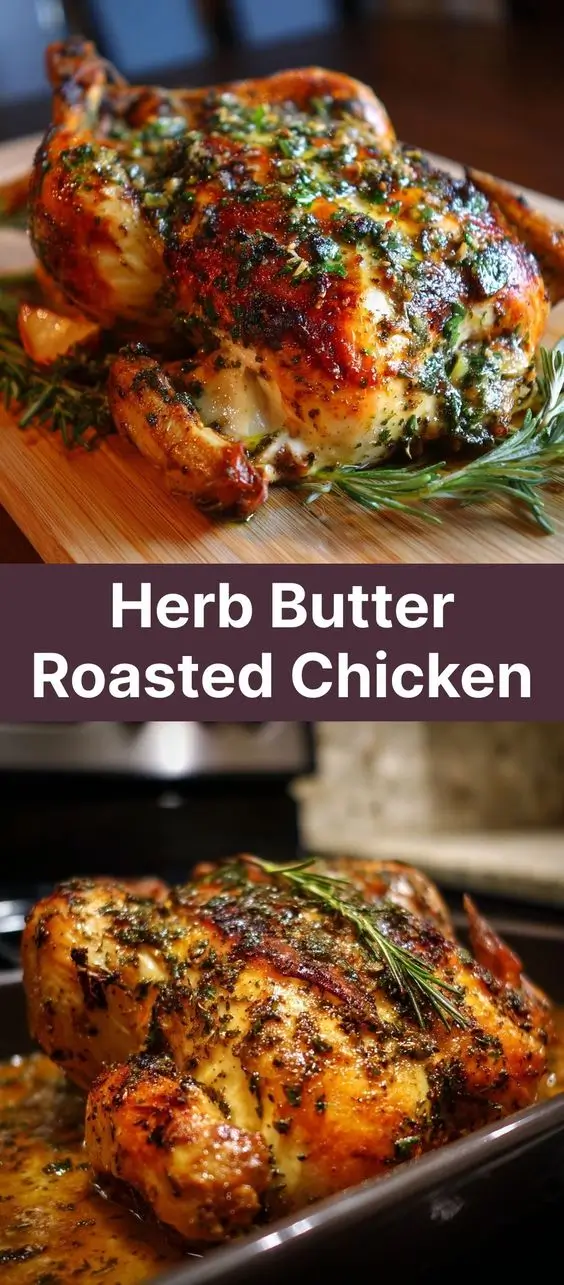
Herb Butter Roasted Chicken: A Flavorful, Juicy Classic for Any Occasion
There’s something undeniably comforting about a perfectly roasted chicken—golden, crackling skin, tender juicy meat, and the intoxicating aroma of herbs and butter wafting through the kitchen. Herb Butter Roasted Chicken is more than just a meal; it’s a celebration of simple ingredients transformed into culinary magic. Whether you’re cooking for a family dinner, hosting guests, or simply treating yourself, this dish delivers elegance with minimal effort. In this comprehensive guide, we’ll explore the rich history behind roasted chicken, break down every ingredient, walk you through foolproof steps, offer expert tips, and even dive into health considerations—all so you can master this timeless recipe with confidence.
The History of Roasted Chicken
Roasting chicken has been a staple cooking method across cultures for thousands of years. Evidence from ancient civilizations—including the Romans, Greeks, and Persians—shows that chickens were prized not only for their eggs but also as a source of protein often reserved for special occasions. The practice of roasting poultry over open flames or in wood-fired ovens dates back to at least 500 BCE. In medieval Europe, roasted fowl was a symbol of wealth and hospitality, often served at banquets with elaborate herb blends and wine-based sauces.
By the 18th century, the French perfected the art of roasting chicken with butter and fresh herbs—a technique that would become foundational in classical French cuisine. The iconic “Poulet Rôti” became synonymous with home cooking excellence, inspiring chefs around the world. In America, roasted chicken gained popularity in the early 20th century as refrigeration made fresh poultry more accessible. Today, herb butter roasted chicken stands as a beloved fusion of rustic tradition and modern flavor profiles, combining European techniques with global influences.
Ingredients Breakdown: Why Each One Matters
The beauty of herb butter roasted chicken lies in its simplicity, but each ingredient plays a crucial role in building layers of flavor, moisture, and texture. Let’s examine them one by one:
- Whole Chicken (3.5–4.5 lbs / 1.6–2 kg): Opt for a high-quality, air-chilled chicken if possible. A bird in this weight range ensures even cooking without drying out. Organic or free-range chickens often have better texture and flavor.
- Salted Butter (½ cup / 115g), softened: Butter is the vehicle for flavor and moisture. Salted butter enhances taste, but unsalted can be used if you prefer to control sodium levels. Softened butter spreads easily under the skin.
- Fresh Herbs (¼ cup total): A mix of rosemary, thyme, parsley, and sage offers complexity—rosemary brings piney depth, thyme adds earthiness, parsley gives freshness, and sage contributes warmth. Fresh herbs are essential; dried ones won’t deliver the same vibrancy.
- Garlic (4–5 cloves), minced: Garlic infuses the meat with aromatic pungency. When roasted, it mellows beautifully and blends into the butter.
- Lemon (1 large), zested and halved: Lemon zest adds bright citrus notes to the butter, while the juice and halves inside the cavity help keep the chicken moist and add subtle acidity.
- Kosher Salt (1½–2 tsp): Kosher salt adheres well and seasons deeply. It draws moisture initially but then helps form a flavorful crust.
- Freshly Ground Black Pepper (1 tsp): Adds gentle heat and complements the herbs and garlic.
- Olive Oil (1 tbsp): Brushed on the skin to promote browning and crispiness.
- Shallot or Onion (1 medium), quartered (optional): Placed in the cavity or roasting pan to enhance aroma and make flavorful pan drippings for gravy.
- Chicken Stock or White Wine (½ cup, optional): Added to the pan to prevent burning and create a rich base for sauce.
Step-by-Step Recipe: How to Make Perfect Herb Butter Roasted Chicken
Follow these detailed steps for a foolproof, restaurant-quality result every time.
Step 1: Prepare the Chicken
Remove the chicken from its packaging and take out the giblets (if included). Rinse the bird briefly under cold water and pat it *very* dry with paper towels—inside and out. Drying is critical for crispy skin. Place it breast-side up on a cutting board or roasting rack set over a tray.
Step 2: Make the Herb Butter
In a medium bowl, combine the softened butter, minced garlic, lemon zest, chopped fresh herbs, salt, and pepper. Mix thoroughly until well blended. Taste a tiny amount (remember it contains raw garlic) to adjust seasoning if needed.
Step 3: Loosen the Skin and Apply Butter
Using your fingers, gently slide under the skin of the chicken breasts and thighs, being careful not to tear it. Work slowly to separate the skin from the meat, creating pockets. Take spoonfuls of the herb butter and massage it directly onto the meat beneath the skin. This ensures the flavor penetrates where it matters most.
Step 4: Season the Cavity and Stuff
Season the inside of the chicken with a little extra salt and pepper. Stuff the cavity with the halved lemon, garlic cloves, and quartered shallot or onion. This aromatizes the meat from within and adds subtle fragrance.
Step 5: Truss the Chicken (Optional)
Tie the legs together with kitchen twine and tuck the wing tips under the body. Trussing promotes even cooking and a beautiful presentation. If you don’t have twine, skip this step—the chicken will still roast well.
Step 6: Preheat Oven and Prepare Pan
Preheat your oven to 425°F (220°C). Place a roasting pan or oven-safe skillet in the oven while it heats. A hot pan jumpstarts browning. Alternatively, place a wire rack inside the roasting pan to elevate the chicken for better air circulation.
Step 7: Oil and Position the Chicken
Remove the hot pan from the oven. Carefully place the chicken breast-side up on the rack or directly in the pan. Brush the outside with olive oil and sprinkle lightly with additional salt and pepper.
Step 8: Roast the Chicken
Place the chicken in the oven and immediately reduce the temperature to 400°F (200°C). Roast for 1 hour to 1 hour 15 minutes, depending on size. Baste with pan juices halfway through. For extra crisp skin, you can broil for the last 3–5 minutes, watching closely to avoid burning.
Step 9: Check for Doneness
The chicken is done when a meat thermometer inserted into the thickest part of the thigh (without touching bone) reads 165°F (74°C). The juices should run clear when pierced. If not ready, continue roasting in 10-minute increments.
Step 10: Rest Before Carving
Remove the chicken from the oven and tent loosely with foil. Let it rest for 15–20 minutes. This allows juices to redistribute, ensuring moist meat when carved.
Step 11: Carve and Serve
Transfer the chicken to a serving platter. Remove twine if used. Carve by separating legs, wings, and breasts, slicing the breast meat against the grain. Serve with pan drippings drizzled on top.
Expert Tips for the Best Herb Butter Roasted Chicken
- Dry the Skin Thoroughly: Moisture is the enemy of crisp skin. Pat the chicken completely dry before applying butter and oil.
- Use Room-Temperature Butter: Cold butter won’t spread easily and may tear the skin. Let it sit out for 30–60 minutes beforehand.
- Don’t Skip the Rest: Cutting into the chicken too soon releases precious juices, leading to drier meat.
- Raise the Bird: Cooking on a rack prevents steaming and promotes even browning all around.
- Rotate the Pan: Ovens have hot spots. Rotate the pan halfway through for even color.
- Save the Drippings: Use the flavorful fat and juices to make gravy, roast vegetables, or toss with potatoes.
- Try Dry Brining (Optional): For deeper seasoning and juicier meat, salt the chicken and refrigerate uncovered for 12–24 hours before roasting.
- Use a Thermometer: Guessing leads to overcooking. Invest in an instant-read thermometer for perfect results.
Variations and Customizations
Herb butter roasted chicken is incredibly versatile. Here are some creative twists to keep it exciting:
- Spiced Herb Butter: Add smoked paprika, cayenne, or curry powder to the butter for a bolder profile.
- Citrus Variations: Swap lemon for orange, lime, or grapefruit for a different citrus note.
- Dijon-Herb Butter: Mix in 1–2 tablespoons of Dijon mustard for tang and depth.
- Garlic Confit Butter: Replace raw garlic with soft, caramelized garlic confit for a milder, sweeter taste.
- Mediterranean Style: Use oregano, marjoram, and lemon zest with olives and tomatoes in the pan.
- Asian Fusion: Infuse butter with ginger, lemongrass, soy sauce, and cilantro. Serve with jasmine rice.
- Truffle Butter Upgrade: Stir in a teaspoon of truffle oil or shaved black truffle for a luxurious touch.
- Stuffed Chicken: Create a breadcrumb and herb stuffing mixed with sautéed mushrooms and spinach, but cook separately for food safety.
- Half-Chicken Option: Roast just a chicken breast or leg quarter for smaller portions—adjust time accordingly.
- Smoked Paprika & Honey Glaze: Brush with a honey-paprika mixture during the last 15 minutes for a sweet-smoky finish.
Health Considerations and Nutritional Value
While herb butter roasted chicken is indulgent, it can be part of a balanced diet when enjoyed in moderation. Here’s a breakdown per 4-ounce (113g) serving of roasted chicken breast (skin included):
- Calories: ~280–320 kcal
- Protein: ~26–30g (excellent source)
- Fat: ~20–24g (mostly unsaturated from olive oil and chicken; saturated from butter)
- Sodium: ~400–600mg (varies based on salt used)
- Cholesterol: ~85mg
Health Notes:
- Chicken is rich in high-quality protein, supporting muscle growth and repair.
- Contains essential nutrients like niacin (B3), selenium, phosphorus, and vitamin B6.
- To reduce fat, remove the skin before eating or use less butter and increase herbs and citrus.
- Pair with roasted vegetables, quinoa, or a green salad to boost fiber and micronutrients.
- For lower sodium: use unsalted butter and reduce added salt, relying on herbs and citrus for flavor.
- Avoid charring or over-browning to minimize potentially harmful compounds formed at very high heat.
Ingredients
- 1 whole chicken (3.5–4.5 lbs / 1.6–2 kg)
- ½ cup (115g) salted butter, softened
- ¼ cup fresh herbs (a mix of rosemary, thyme, parsley, sage), finely chopped
- 4–5 garlic cloves, minced
- 1 large lemon – zested and halved
- 1½–2 teaspoons kosher salt (adjust to taste)
- 1 teaspoon freshly ground black pepper
- 1 tablespoon olive oil
- 1 shallot or small onion, quartered (optional)
- ½ cup chicken stock or white wine (optional, for pan)
Directions
- Premise the chicken: Remove giblets, rinse, and pat dry thoroughly with paper towels.
- In a bowl, blend softened butter, garlic, lemon zest, herbs, salt, and pepper.
- Gently loosen the skin over the breasts and thighs. Spread herb butter underneath, massaging it onto the meat.
- Season the cavity with salt and pepper. Stuff with lemon halves, garlic, and shallot.
- (Optional) Truss the chicken with kitchen twine.
- Preheat oven to 425°F (220°C). Place roasting pan or rack inside to heat up.
- Remove hot pan, place chicken on rack or in pan. Brush with olive oil and season skin.
- Put chicken in oven, reduce heat to 400°F (200°C). Roast 60–75 minutes.
- Baste with pan juices halfway through. Add stock or wine to pan if using.
- Check doneness: Thigh should read 165°F (74°C); juices run clear.
- Remove from oven, tent with foil, and rest 15–20 minutes.
- Carve and serve warm with pan juices.
FAQ
Q: Can I use frozen chicken?
A: It’s best to thaw the chicken completely in the refrigerator (24–48 hours) before roasting. Cooking from frozen leads to uneven results and potential food safety risks.
Q: Can I make this ahead of time?
A: You can prepare the herb butter and stuff the chicken (without roasting) up to 24 hours in advance. Keep it covered in the fridge. Bring to room temperature for 30 minutes before roasting.
Q: What do I do with leftover chicken?
A: Leftovers are gold! Use in soups, salads, sandwiches, enchiladas, fried rice, or chicken pot pie. Store in airtight containers for up to 3–4 days.
Q: Why is my chicken skin soggy?
A: Likely causes: not drying the chicken well, skipping the oil brush, roasting at too low a temperature, or covering it during cooking. Ensure the skin is dry and the oven is hot enough.
Q: Can I roast vegetables with the chicken?
A: Absolutely! Add carrots, potatoes, onions, and Brussels sprouts to the pan around the chicken during the last 45–60 minutes of roasting. Toss in pan drippings for incredible flavor.
Q: Is it safe to eat pink chicken near the bones?
A: Yes, sometimes darker meat near bones can appear slightly pink even when fully cooked (due to myoglobin). Always rely on internal temperature (165°F) rather than color.
Q: Can I use dried herbs instead of fresh?
A: Fresh herbs are strongly recommended for brightness. If substituting, use one-third the amount of dried (e.g., 1 tbsp dried instead of 3 tbsp fresh), but expect a less vibrant flavor.
Q: How do I store and reheat leftovers?
A: Cool quickly and refrigerate within 2 hours. Reheat in oven at 350°F (covered with foil) or microwave in short bursts. Add a splash of broth to retain moisture.
Summary
Herb Butter Roasted Chicken is a timeless, flavorful dish that combines succulent meat, crispy skin, and aromatic herbs in perfect harmony. Easy to customize and impressive for any occasion, it’s a must-have recipe for every home cook.