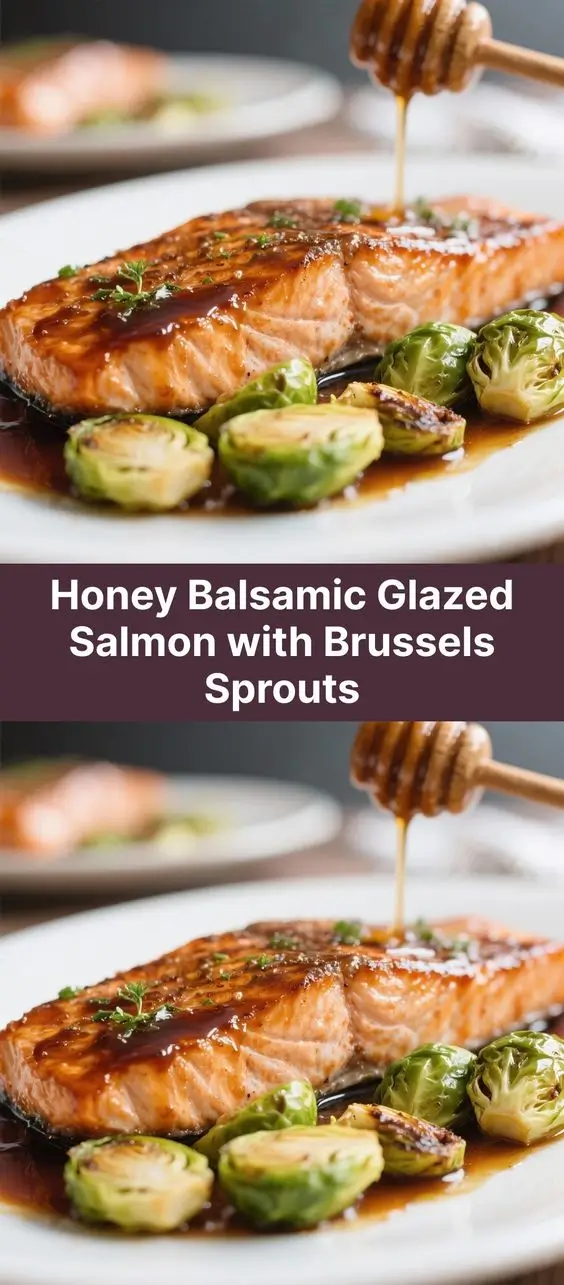
Honey Balsamic Glazed Salmon with Brussels Sprouts: A Gourmet Meal in Under 30 Minutes
Looking for a healthy, flavorful, and easy-to-make dinner that impresses both the palate and the eye? Honey Balsamic Glazed Salmon with Roasted Brussels Sprouts is your answer. This dish combines the rich, buttery texture of wild-caught salmon with the earthy, slightly nutty taste of caramelized Brussels sprouts, all brought together by a sweet-and-tangy honey balsamic glaze. Whether you’re cooking for yourself, your family, or hosting a small dinner party, this recipe delivers restaurant-quality elegance without requiring advanced culinary skills.
The History Behind the Dish
The combination of salmon and vegetables on a single sheet pan has roots in modern American cuisine, particularly within the farm-to-table movement that gained momentum in the early 2000s. However, the individual components have much deeper historical roots. Salmon has long been a dietary staple among Indigenous peoples of the Pacific Northwest and Northern Europe, where it was traditionally smoked, grilled over open fires, or preserved through salting. Brussels sprouts, named after the Belgian capital, were cultivated as early as the 13th century in the Low Countries and became popular across Europe due to their hardiness during winter months.
The use of balsamic vinegar in cooking dates back to medieval Italy, specifically Modena, where artisans aged grape must in wooden barrels to create a thick, syrupy condiment. While traditional balsamic vinegar required years of aging, modern commercial versions allowed home cooks to access its rich flavor profile more readily. The pairing of honey with balsamic vinegar emerged in the late 20th century as part of a broader trend toward balancing sweet and acidic elements in savory dishes—think honey mustard chicken or raspberry vinaigrette salads. The fusion of these ingredients into a glaze for salmon represents a convergence of ancient traditions and contemporary culinary innovation.
Ingredients Breakdown: What Goes Into This Dish?
This recipe celebrates simplicity and quality. Each ingredient plays a vital role in building layers of flavor, texture, and nutrition. Here’s a detailed look at what goes into making this dish so special:
- Salmon Fillets (skin-on): Opt for wild-caught salmon when possible. It has a richer flavor and firmer texture than farmed salmon, with higher levels of heart-healthy omega-3 fatty acids. Skin-on fillets help protect the delicate flesh during roasting and can crisp up beautifully if seared properly.
- Brussels Sprouts: Fresh sprouts are essential. Look for compact, bright green heads without yellowing or loose outer leaves. They provide fiber, vitamins C and K, and antioxidants like kaempferol.
- Balsamic Vinegar: Choose a high-quality, aged balsamic for depth of flavor. Avoid artificially colored or overly sweetened versions. The acidity cuts through the richness of the salmon and enhances the natural sweetness of roasted vegetables.
- Honey: Raw, unfiltered honey adds floral notes and helps form a glossy glaze that caramelizes slightly in the oven. Its natural sugars also promote browning on the surface of the salmon.
- Olive Oil: Extra virgin olive oil brings monounsaturated fats and a fruity aroma. It coats the Brussels sprouts evenly, ensuring they roast rather than steam in the oven.
- Garlic (freshly minced): Adds pungency and complexity. When roasted, garlic mellows into a sweet, savory base note.
- Dijon Mustard: A small amount introduces tanginess and emulsifies the glaze, helping it cling to the salmon. It also complements the balsamic-honey duo perfectly.
- Lemon Juice: Brightens the entire dish and balances the sweetness of the glaze. Zest can be added for extra citrus fragrance.
- Salt and Black Pepper: Essential seasonings that enhance all other flavors. Use flaky sea salt for finishing if desired.
- Optional Additions: Fresh thyme or rosemary for herbal notes; red pepper flakes for heat; toasted pine nuts or slivered almonds for crunch.
Step-by-Step Recipe: How to Make Honey Balsamic Glazed Salmon with Brussels Sprouts
This one-pan wonder is designed for efficiency and maximum flavor. Follow these steps carefully for perfect results every time.
Preparation Time: 10 minutes | Cooking Time: 20–25 minutes | Total Time: ~35 minutes | Servings: 4
Ingredients
- 4 (6-ounce) skin-on salmon fillets, center-cut
- 1 pound fresh Brussels sprouts, trimmed and halved
- 3 tablespoons extra virgin olive oil
- ½ teaspoon kosher salt (plus more to taste)
- ¼ teaspoon freshly ground black pepper
- ⅓ cup balsamic vinegar
- 3 tablespoons raw honey
- 1 tablespoon Dijon mustard
- 1 tablespoon fresh lemon juice
- 3 cloves garlic, minced
- 1 teaspoon lemon zest (optional)
- Fresh thyme or parsley, chopped (for garnish)
Directions
- Preheat the Oven: Set your oven to 400°F (200°C). Line a large rimmed baking sheet with parchment paper or foil for easy cleanup.
- Prepare the Brussels Sprouts: Trim the stem ends of the Brussels sprouts and remove any discolored outer leaves. Cut each sprout in half from top to bottom. Place them in a large bowl.
- Season the Vegetables: Drizzle the Brussels sprouts with 2 tablespoons of olive oil. Add ¼ teaspoon salt and a pinch of black pepper. Toss well until evenly coated. Spread them out in a single layer on one side of the prepared baking sheet, cut-side down if possible to encourage caramelization.
- Roast the Sprouts: Place the baking sheet in the preheated oven and roast the Brussels sprouts for 10 minutes. This head start ensures they become tender and golden while the salmon finishes cooking.
- Make the Glaze: While the sprouts roast, prepare the glaze. In a small saucepan over medium heat, combine balsamic vinegar, honey, Dijon mustard, lemon juice, and minced garlic. Bring to a gentle simmer, stirring frequently. Reduce heat to low and let the mixture cook for 4–5 minutes until it thickens slightly and coats the back of a spoon. Remove from heat and set aside. (Alternatively, whisk all glaze ingredients together without heating for a lighter version.)
- Prepare the Salmon: Pat the salmon fillets dry with paper towels—this helps the glaze adhere and promotes better browning. Season both sides lightly with salt and pepper. After the Brussels sprouts have roasted for 10 minutes, remove the tray from the oven and push the sprouts to one side.
- Arrange the Salmon: Place the salmon fillets skin-side down on the empty side of the baking sheet, leaving space between each piece for even air circulation.
- Glaze the Salmon: Brush about two-thirds of the warm honey balsamic glaze generously over the top of each salmon fillet, covering the surface completely but avoiding excessive pooling around the edges.
- Finish Roasting: Return the baking sheet to the oven and continue roasting for 12–15 minutes, depending on the thickness of the fillets. The salmon is done when it reaches an internal temperature of 125–130°F (52–54°C) and flakes easily with a fork. The center should still be slightly translucent but not raw.
- Optional Broil (For Extra Caramelization): If you prefer a deeper glaze color, switch the oven to broil for the final 1–2 minutes. Watch closely to prevent burning.
- Rest and Garnish: Remove the salmon and Brussels sprouts from the oven. Let the salmon rest for 3–5 minutes—this allows juices to redistribute. Drizzle with remaining glaze, sprinkle with lemon zest (if using), and garnish with chopped fresh herbs like parsley or thyme.
- Serve Immediately: Plate each portion with two salmon fillets per person (if serving two) or divide accordingly. Serve alongside the roasted Brussels sprouts directly from the pan for a rustic presentation.
Pro Tips for Success
- Uniform Cutting: Cut Brussels sprouts to similar sizes so they cook evenly. Smaller halves will caramelize faster, while larger ones may stay too firm.
- Dry Salmon = Better Texture: Moisture is the enemy of browning. Always pat salmon dry before seasoning and glazing.
- Don’t Overcrowd the Pan: Ensure there’s at least ½ inch of space between salmon fillets and sprouts. Crowding leads to steaming instead of roasting.
- Use a Rimmed Baking Sheet: Prevents drips and contains the glaze, which can bubble and spill during roasting.
- Check Doneness Early: Ovens vary. Start checking salmon at 10 minutes to avoid overcooking. Remember, carryover cooking continues after removal from the oven.
- Reserve Some Glaze: Never pour unused glaze back into the original container if it’s touched raw fish. Instead, reserve some before applying to salmon for drizzling later.
- Crispy Skin Option: For crispy skin, skip the oven method and pan-sear the salmon skin-side down first in a hot skillet with oil over medium-high heat for 5–6 minutes, then transfer to the oven with the sprouts for finishing.
Variations and Customizations
This recipe is highly adaptable to different tastes, dietary needs, and seasonal availability. Try these creative twists:
- Maple Balsamic Version: Replace honey with pure maple syrup for a vegan-friendly option with deeper autumnal tones.
- Asian-Inspired Twist: Swap balsamic for reduced-sodium soy sauce or tamari, add grated ginger and a splash of rice vinegar. Use honey or brown sugar as the sweetener.
- Herb-Crusted Salmon: Mix chopped fresh dill, parsley, or tarragon into the glaze for a garden-fresh flavor boost.
- Add Other Veggies: Include sliced carrots, cherry tomatoes, zucchini, or red onions on the sheet pan. Adjust roasting times accordingly.
- Citrus Variations: Substitute orange juice and zest for lemon for a sweeter, juicier glaze profile.
- Spicy Kick: Add ¼–½ teaspoon crushed red pepper flakes or a dash of sriracha to the glaze for heat lovers.
- Low-Sugar Option: Reduce honey to 1 tablespoon and use a sugar-free balsamic glaze or substitute with monk fruit sweetener blended with apple cider vinegar.
- Sheet Pan Alternatives: Cook in an air fryer: roast sprouts at 370°F for 10 minutes, then add salmon and glaze, cooking another 8–10 minutes.
Health Considerations and Nutritional Value
This dish shines not only in flavor but also in nutritional excellence. Here’s how it supports a balanced diet:
Nutrient Profile (Per Serving – Approximate Values)
| Nutrient | Amount | % Daily Value* |
|---|---|---|
| Calories | 420 kcal | |
| Protein | 34 g | 68% |
| Total Fat | 26 g | 33% |
| Saturated Fat | 4.5 g | 23% |
| Omega-3 Fatty Acids | 2.2 g | — |
| Carbohydrates | 16 g | 5% |
| Fiber | 4 g | 14% |
| Sugars | 10 g (naturally occurring) | |
| Vitamin C | 100 mg | 110% |
| Vitamin K | 180 mcg | 150% |
| Selenium | 45 mcg | 82% |
| Potassium | 950 mg | 20% |
*Percent Daily Values based on a 2,000-calorie diet.
Health Benefits
- Heart Health: Omega-3 fatty acids in salmon reduce inflammation, lower triglycerides, and support cardiovascular function.
- Immune Support: High vitamin C content from Brussels sprouts boosts immune response and collagen production.
- Bone Strength: Vitamin K is crucial for bone mineralization and blood clotting regulation.
- Digestive Wellness: Fiber from Brussels sprouts promotes gut health and regularity.
- Antioxidant Powerhouse: Both salmon and Brussels sprouts contain compounds that combat oxidative stress—glutathione in sprouts and astaxanthin in salmon (responsible for its pink hue).
- Balanced Macronutrients: This meal offers a near-perfect balance of protein, healthy fats, and complex carbohydrates, making it ideal for sustained energy and satiety.
Dietary Considerations
- Keto-Friendly? With modifications (reduce honey to 1 tbsp or substitute with erythritol-based syrup), this dish fits well within a ketogenic framework due to high fat and moderate protein.
- Paleo/Whole30: Use compliant honey (for Whole30+, not strict Whole30) and ensure Dijon mustard is free from added sugars or preservatives.
- Gluten-Free: Naturally gluten-free, provided all ingredients (especially mustard) are certified GF.
- Pescatarian: Ideal for pescatarians seeking nutrient-dense seafood meals.
- Allergies: Contains fish. Substitutes include trout or Arctic char. For nut allergies, avoid optional pine nuts.
Frequently Asked Questions (FAQ)
Can I make this ahead of time?
You can prep ingredients up to a day in advance: trim and halve Brussels sprouts, store in an airtight container; mix glaze and refrigerate. However, assemble and bake just before serving for best texture. Reheated salmon may dry out, though gentle warming in a 275°F oven covered with foil can help preserve moisture.
Can I use frozen Brussels sprouts?
Fresh is strongly recommended. Frozen sprouts release excess water and tend to become mushy when roasted. If absolutely necessary, thaw completely, pat dry, and increase roasting time slightly—but expect less crispness.
Is wild salmon worth the extra cost?
Yes. Wild salmon typically has fewer contaminants, a superior omega-3 to omega-6 ratio, and a more robust flavor. Farmed salmon can be acceptable if labeled “responsibly farmed” (e.g., ASC-certified), but often contains higher levels of PCBs and antibiotics.
How do I know when salmon is cooked?
Look for opaque flesh that flakes easily with a fork. Insert a thermometer into the thickest part: 125°F for medium-rare, 130–135°F for medium. Avoid cooking beyond 140°F, which results in dryness.
Can I grill this instead?
Absolutely! Grill salmon over medium heat (about 375°F) skin-side down for 6–8 minutes, flip carefully, brush with glaze, and cook 3–4 more minutes. Toss sprouts in oil and grill in a perforated pan or foil packet.
What sides go well with this dish?
While this is a complete meal, consider adding quinoa, wild rice, or mashed sweet potatoes for extra carbs. A simple arugula salad with shaved Parmesan and lemon vinaigrette complements the richness beautifully.
Can I freeze leftovers?
Freezing cooked salmon is not ideal—it tends to become grainy upon thawing. If needed, freeze within 2 hours of cooking in an airtight container for up to 1 month. Thaw slowly in the refrigerator and reheat gently. Roasted sprouts don’t freeze well either.
Why did my glaze burn?
Honey and sugar-rich glazes caramelize quickly. To prevent burning: (1) Avoid broiling too long; (2) Apply glaze during the last 10–12 minutes of cooking; (3) Cover edges with foil if browning too fast.
Summary
Honey Balsamic Glazed Salmon with Roasted Brussels Sprouts is a harmonious blend of sweet, tangy, and savory flavors, delivering a nutritious, visually appealing meal ready in under 30 minutes. Perfect for weeknights, date nights, or wholesome meal prep.