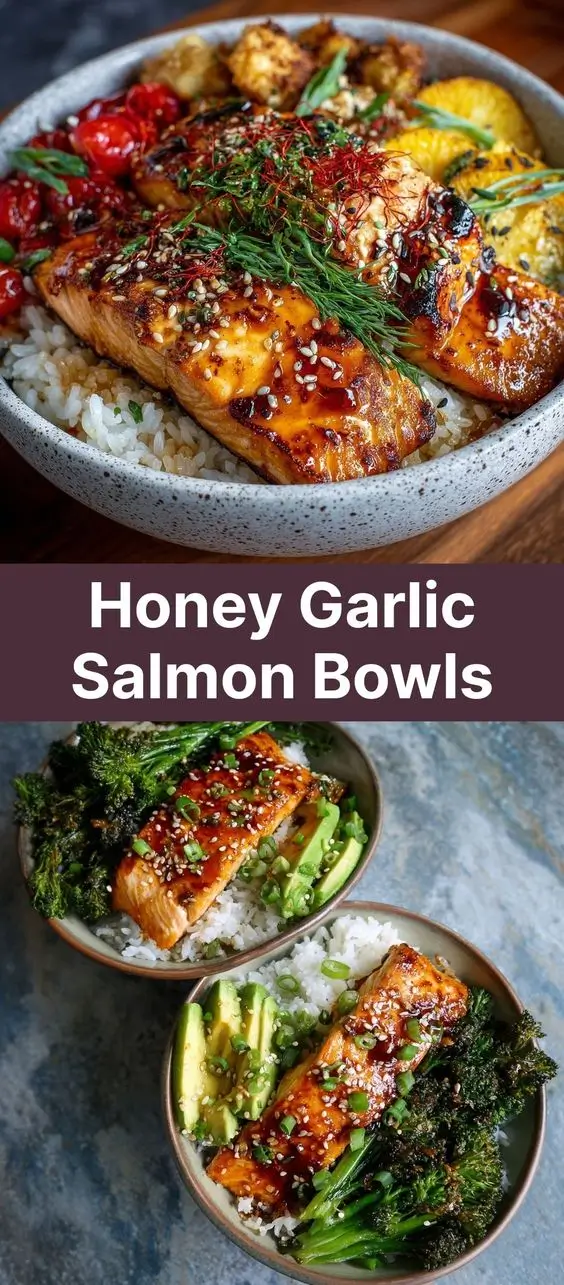
Honey Garlic Salmon Bowls: A Flavorful, Healthy Meal You Can’t Resist
The History of Honey Garlic Salmon Bowls
The Honey Garlic Salmon Bowl is a modern culinary creation born from the fusion of Asian-inspired flavors and Western health-conscious eating trends. While salmon has long been a staple in Nordic, Pacific Northwest, and Japanese cuisines, the combination of honey and garlic as a glaze traces its roots to Chinese-American cooking, particularly dishes like honey garlic chicken or spare ribs. These sweet-savory sauces became popular in North American households during the 1980s and 1990s for their bold flavor and ease of preparation.
As meal prep culture surged in the 2010s and bowls—grain-based meals with protein, vegetables, and sauce—gained popularity, chefs and home cooks alike began applying these beloved glazes to heart-healthy proteins like salmon. The result? The Honey Garlic Salmon Bowl: a nutrient-dense, visually appealing dish that balances omega-3 fatty acids, complex carbohydrates, and vibrant vegetables. It’s now a favorite among fitness enthusiasts, busy professionals, and foodies who crave gourmet taste without spending hours in the kitchen.
This dish also reflects broader shifts in dietary preferences—toward clean eating, anti-inflammatory ingredients, and global flavors—all wrapped into one satisfying plate. From Instagram-worthy lunch photos to weekly meal preps, the Honey Garlic Salmon Bowl has cemented its place in contemporary healthy cuisine.
Ingredients Breakdown: What Makes This Bowl So Delicious?
The magic of the Honey Garlic Salmon Bowl lies not just in its taste but in the synergy of high-quality, functional ingredients. Each component contributes texture, nutrition, and flavor complexity.
- Salmon Fillets: Rich in omega-3 fatty acids (EPA and DHA), high-quality protein, vitamin D, and selenium. Opt for wild-caught salmon when possible for lower contaminants and superior nutrient profile.
- Honey: Acts as a natural sweetener and glaze thickener. Raw honey adds subtle floral notes and contains antioxidants and trace enzymes. It caramelizes beautifully under heat, creating a glossy finish on the salmon.
- Garlic: Freshly minced garlic delivers pungency and depth. Known for its antimicrobial properties and cardiovascular benefits, garlic becomes sweeter and mellower when cooked.
- Soy Sauce (or Tamari): Provides umami and saltiness. Use low-sodium soy sauce to control salt levels, or tamari for a gluten-free alternative. Coconut aminos are another option for those avoiding soy entirely.
- Rice Vinegar: Adds brightness and balances the sweetness of honey. Its mild acidity enhances the overall flavor without overpowering.
- Sesame Oil: A small amount imparts a nutty aroma characteristic of Asian cuisine. Use toasted sesame oil for maximum flavor impact.
- Ginger: Fresh grated ginger brings warmth and zing, aiding digestion and adding a spicy kick that complements garlic.
- Red Pepper Flakes: Optional, but recommended for a touch of heat. Capsaicin in chili flakes may boost metabolism slightly.
- Green Onions and Sesame Seeds: For garnish—adds color, crunch, and visual appeal.
- Base Grains: Brown rice, white rice, quinoa, or cauliflower rice. Quinoa offers complete protein; brown rice provides fiber; cauliflower rice keeps it low-carb.
- Vegetables: Steamed broccoli, sautéed bell peppers, shredded carrots, snap peas, or roasted sweet potatoes add volume, fiber, vitamins, and texture contrast.
Step-by-Step Recipe: How to Make Perfect Honey Garlic Salmon Bowls
Follow this detailed guide to create restaurant-quality Honey Garlic Salmon Bowls at home—with juicy, flaky salmon and a sticky, flavorful glaze every time.
Ingredients (Serves 4)
- 4 (6 oz) skin-on salmon fillets, center-cut
- ⅓ cup honey (preferably raw)
- ¼ cup low-sodium soy sauce (or tamari)
- 3 tablespoons rice vinegar
- 3 cloves garlic, finely minced
- 1 tablespoon fresh ginger, grated
- 1 teaspoon toasted sesame oil
- ½ teaspoon red pepper flakes (adjust to taste)
- 1 tablespoon olive oil (for cooking)
- 1 cup uncooked brown rice (or your preferred grain)
- 2 cups water or broth (for cooking rice)
- 2 cups broccoli florets
- 1 red bell pepper, thinly sliced
- 1 large carrot, julienned or shredded
- 4 green onions, sliced
- 1 tablespoon sesame seeds
Directions
- Prepare the Grain Base: Rinse the brown rice under cold water. In a medium pot, combine rice and water (or broth). Bring to a boil, then reduce heat to low, cover, and simmer for 35–40 minutes until tender and water is absorbed. Remove from heat and let sit covered for 10 minutes. Fluff with a fork. (If using quinoa or instant rice, follow package instructions.)
- Make the Honey Garlic Sauce: While the rice cooks, prepare the sauce. In a small saucepan, combine honey, soy sauce, rice vinegar, minced garlic, grated ginger, sesame oil, and red pepper flakes. Stir over medium heat until the mixture comes to a gentle simmer. Let it cook for 5–7 minutes, stirring frequently, until slightly thickened and syrupy. Remove from heat and set aside. This step intensifies flavor and ensures the glaze will stick perfectly to the salmon.
- Prep the Vegetables: Steam broccoli for 4–5 minutes until bright green and tender-crisp. Alternatively, sauté in a bit of olive oil with a splash of water. Sauté bell peppers for 3–4 minutes until softened but still crunchy. Keep vegetables warm or set aside.
- Cook the Salmon: Pat salmon fillets dry with paper towels—this helps achieve better searing. Season lightly with salt and pepper on both sides. Heat olive oil in a large non-stick or cast-iron skillet over medium-high heat. Place salmon skin-side down (if skin-on) and cook for 5–6 minutes until the skin is crispy and golden. Flip carefully and cook for another 3–4 minutes, depending on thickness, until internal temperature reaches 125°F–130°F (medium-rare to medium). Avoid overcooking to preserve moisture.
- Glaze the Salmon: Reduce heat to low. Pour about half of the prepared honey garlic sauce over the salmon in the pan. Spoon the sauce continuously over the fillets for 1–2 minutes to coat them evenly and allow the glaze to caramelize slightly without burning.
- Assemble the Bowls: Divide the cooked grain among four bowls. Arrange steamed or sautéed vegetables next to or around the rice. Place a glazed salmon fillet in each bowl, skin-side up if crispy. Drizzle additional sauce over the top or serve on the side. Garnish generously with sliced green onions and a sprinkle of toasted sesame seeds.
- Serve Immediately: Enjoy while warm for the best texture and flavor harmony.
Pro Tips for the Best Honey Garlic Salmon Bowls
- Don’t Overcook the Salmon: Salmon continues to cook slightly after removal from heat due to residual warmth. Pull it off the pan just before it reaches desired doneness (about 125°F for medium).
- Use Fresh Garlic and Ginger: Pre-minced or powdered versions lack the vibrant punch of freshly grated ingredients.
- Thicken the Glaze Properly: Simmering the sauce reduces excess liquid and concentrates flavors. If too thin, let it reduce longer; if too thick, add a splash of water or broth.
- Skin-On vs. Skin-Off: Cooking salmon skin-down first creates a crisp barrier that protects the flesh and locks in juices. Leave skin on unless you plan to remove it after cooking.
- Meal Prep Friendly: Cook everything in advance and store components separately in airtight containers for up to 3 days. Reheat gently—especially salmon—to avoid drying out.
- Double the Sauce: Extra sauce can be stored in a jar in the fridge for up to 2 weeks and used on chicken, tofu, stir-fries, or as a dipping sauce.
- Non-Stick Pan is Key: Prevent sticking by ensuring the pan is hot before adding oil and fish. Don’t move the salmon once placed—let it sear undisturbed.
- Basting Boost: For extra richness, baste the salmon with butter during the last minute of cooking (add 1 tbsp butter to the pan and spoon over fillets).
Variations and Customizations: Make It Your Own
The beauty of the Honey Garlic Salmon Bowl is its versatility. Here are creative ways to adapt it based on dietary needs, flavor preferences, or seasonal availability.
Dietary Adjustments
- Keto/Low-Carb: Swap grains for cauliflower rice, zucchini noodles, or a bed of massaged kale. Ensure honey is used sparingly or replaced with a keto-friendly sweetener like monk fruit syrup (though results may vary in caramelization).
- Gluten-Free: Use tamari or coconut aminos instead of regular soy sauce. Verify all other ingredients (e.g., sauces, broths) are certified GF.
- Paleo: Replace honey with pure maple syrup (technically debated in paleo circles) or omit sweeteners altogether. Use coconut aminos and serve over roasted sweet potatoes or plantains.
- Vegan Option: Substitute salmon with baked tofu or tempeh. Press tofu well, marinate in the honey garlic sauce (use maple syrup instead of honey), then bake or pan-sear until golden.
Flavor Twists
- Lime Zest Addition: Add lime juice and zest to the glaze for a citrusy twist that cuts through richness.
- Spicy Version: Increase red pepper flakes or add sriracha, gochujang, or a dash of chili crisp to the sauce.
- Teriyaki-Inspired: Add 1 tsp cornstarch to the sauce while simmering to thicken it further, mimicking classic teriyaki consistency.
- Citrus-Ginger Glaze: Replace half the honey with orange marmalade and increase ginger for a bright, zesty profile.
- Herb-Infused: Stir chopped cilantro, Thai basil, or mint into the finished bowl for freshness.
Toppings & Texture Enhancers
- Avocado slices or guacamole for creaminess
- Toasted nuts (cashews, almonds) or seeds (pumpkin, sunflower) for crunch
- Pickled red onions or kimchi for tang and probiotics
- A drizzle of sriracha mayo or tahini for richness
- Furikake seasoning for an umami-packed Japanese flair
Health Considerations and Nutritional Value
The Honey Garlic Salmon Bowl isn’t just delicious—it’s a powerhouse of balanced nutrition when prepared thoughtfully.
Nutrition Per Serving (Approximate, with brown rice and standard veggies)
- Calories: ~550–650 kcal
- Protein: 35–40g (excellent source)
- Fat: 20–25g (mostly heart-healthy unsaturated fats from salmon and sesame oil)
- Carbohydrates: 55–65g (complex carbs from whole grains and fiber-rich veggies)
- Fiber: 6–8g
- Sugar: 18–22g (primarily from honey and natural vegetable sugars)
- Sodium: 600–800mg (can be reduced by using low-sodium soy sauce and limiting added salt)
Key Health Benefits
- Omega-3 Fatty Acids: Support brain function, reduce inflammation, and promote heart health. Regular salmon consumption is linked to lower risk of stroke and depression.
- High-Quality Protein: Essential for muscle repair, satiety, and metabolic health. Keeps you full longer, aiding weight management.
- Antioxidant-Rich Ingredients: Garlic, ginger, and colorful vegetables contain compounds that combat oxidative stress.
- Balanced Macronutrients: Combines lean protein, complex carbs, and healthy fats—ideal for sustained energy and blood sugar stability.
- Gut-Friendly Veggies: Fiber supports digestive health and feeds beneficial gut microbiota.
Things to Watch Out For
- Sugar Content: Honey adds natural sugar. Diabetics or those on low-sugar diets should moderate portion size or use alternatives like monk fruit syrup.
- Sodium Levels: Soy sauce is high in sodium. Opt for low-sodium versions and avoid adding extra salt.
- Mercury in Fish: Salmon is generally low in mercury compared to tuna or swordfish, making it safe for most people, including pregnant women (2–3 servings per week recommended by FDA).
- Allergens: Contains fish, soy (unless substituted), and sesame. Always label accordingly for guests with allergies.
Frequently Asked Questions (FAQ)
Can I bake the salmon instead of pan-searing?
Yes! Preheat oven to 400°F (200°C). Place salmon on a parchment-lined baking sheet. Brush with oil, season, and bake for 12–15 minutes. During the last 5 minutes, brush with glaze and return to oven to caramelize. Baking yields a more uniform cook but less crisp skin.
How do I store leftovers?
Store components separately in airtight containers in the refrigerator for up to 3 days. Reheat rice and veggies gently in the microwave with a splash of water. Reheat salmon on low heat in a skillet or microwave in short bursts to prevent drying.
Can I freeze honey garlic salmon?
Yes, though texture may degrade slightly. Freeze cooked salmon (without fresh garnishes) in a single layer, then transfer to freezer bags. Thaw overnight in the fridge and reheat gently. The glaze holds up well in the freezer for up to 2 months.
Is this recipe kid-friendly?
Absolutely! Many children enjoy the sweet-savory flavor. You can reduce garlic or spice levels and cut salmon into smaller pieces. Serve with fun toppings like corn or diced avocado to make it more appealing.
What can I use instead of honey?
Maple syrup is the closest substitute in flavor and consistency. Agave nectar works too but is more processed. For vegan options, ensure the replacement is plant-based. Note: flavor and caramelization may vary.
Why did my glaze burn?
Honey burns easily due to its high sugar content. Always simmer the sauce gently and never leave it unattended. When glazing salmon, lower the heat and baste quickly to avoid charring.
Can I use frozen salmon?
Yes, but thaw it completely in the refrigerator overnight before cooking. Cooking frozen salmon may lead to uneven texture and excess moisture.
How do I know when salmon is done?
Look for opaque flesh that flakes easily with a fork. Insert a thermometer into the thickest part—if it reads 125°F–130°F, it’s perfect. Overcooked salmon turns dry and chalky.
Summary
The Honey Garlic Salmon Bowl is a harmonious blend of sweet, savory, and umami flavors built on a foundation of nutritious ingredients—wild salmon, whole grains, and colorful vegetables. With its easy preparation, meal-prep potential, and endless customization options, it’s a go-to recipe for anyone seeking a wholesome, gourmet-style meal in under 40 minutes.