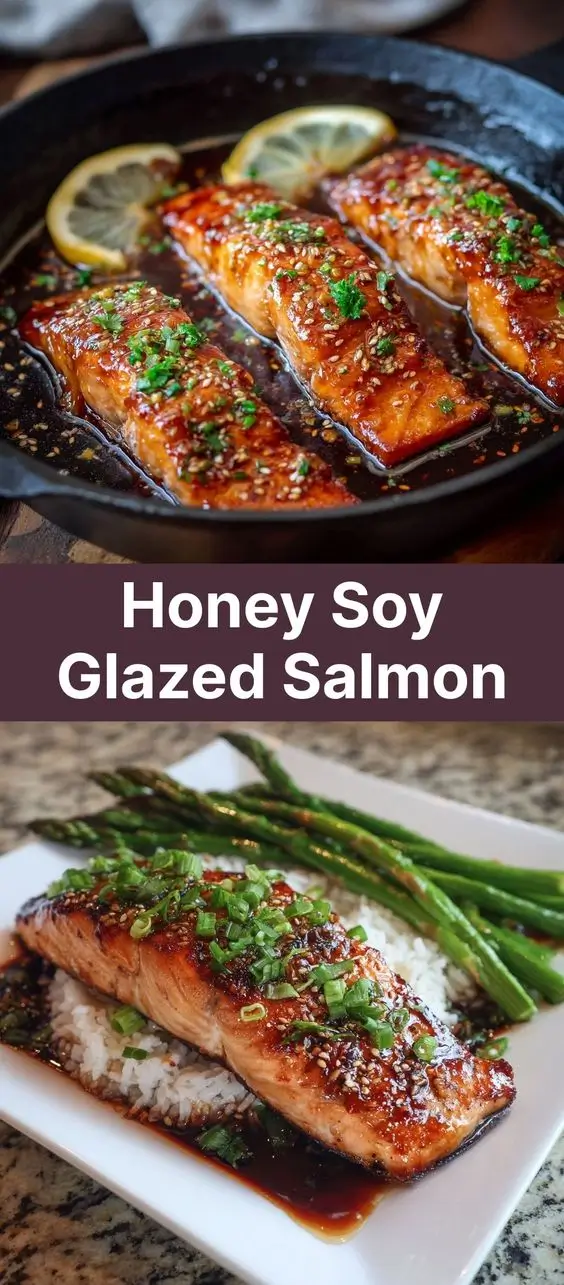
Honey Soy Glazed Salmon: A Flavorful and Healthy Delight
The History of Honey Soy Glazed Salmon
The fusion of honey and soy in cooking has deep roots in both Asian and Western culinary traditions. While salmon is native to the North Atlantic and Pacific oceans, its preparation with sweet and savory glazes became popular in the 20th century as global cuisines began to blend. The combination of soy sauce—originating in China over 2,500 years ago—and honey—a natural sweetener used since ancient times—creates a harmonious balance that enhances the rich, fatty texture of salmon.
Though not a traditional dish in any single culture, honey soy glazed salmon emerged as a staple in modern home cooking during the late 1900s, especially in North America. It gained popularity due to its simplicity, quick preparation time, and gourmet taste. Restaurants began featuring it on menus as a healthy yet indulgent entrée, and food bloggers helped spread its fame across the internet. Today, it’s a go-to recipe for weeknight dinners, dinner parties, and meal prep enthusiasts alike, appreciated for its versatility and nutrient-rich profile.
Ingredients Breakdown
The magic of honey soy glazed salmon lies in the synergy of its ingredients. Each component contributes not just to flavor but also to texture, color, and nutritional value.
- Salmon Fillets: Fresh or thawed wild-caught salmon is preferred for its superior flavor and higher omega-3 content. The natural oils in salmon help carry the glaze and keep the fish moist during cooking.
- Soy Sauce: Use low-sodium soy sauce to control salt levels. It provides umami depth and a savory backbone to the dish. Tamari or coconut aminos can be substituted for gluten-free or soy-free diets.
- Honey: Raw, unfiltered honey adds sweetness and helps create a glossy, caramelized finish when baked or broiled. It also acts as a natural tenderizer.
- Fresh Garlic: Minced garlic brings aromatic intensity and antibacterial properties. It enhances the savory notes and complements the richness of the salmon.
- Fresh Ginger: Grated ginger adds a bright, slightly spicy zing that cuts through the richness of the fish and balances the sweetness of the honey.
- Rice Vinegar: This mild acid brightens the glaze, balancing the sweetness and saltiness while helping to emulsify the sauce.
- Sesame Oil: Just a drizzle adds a nutty aroma and depth. Toasted sesame oil is more potent, so use sparingly.
- Green Onions (Scallions): Sliced thinly, they add freshness, color, and a mild onion flavor perfect for garnish.
- Red Pepper Flakes (optional): For those who enjoy heat, a pinch adds a subtle kick without overpowering the dish.
Step-by-Step Recipe
- Preheat the Oven: Set your oven to 400°F (200°C). Line a baking sheet with parchment paper or aluminum foil for easy cleanup. Lightly grease the surface with olive oil or non-stick spray to prevent sticking.
- Prepare the Salmon: Pat the salmon fillets dry with paper towels. This ensures the skin crisps up and the glaze adheres properly. Place them skin-side down on the prepared baking sheet.
- Make the Glaze: In a small bowl, whisk together ¼ cup honey, 3 tablespoons low-sodium soy sauce, 2 tablespoons rice vinegar, 1 tablespoon sesame oil, 2 cloves minced garlic, 1 tablespoon grated fresh ginger, and a pinch of red pepper flakes (if using). Stir until fully combined and smooth.
- Apply the Glaze: Brush about half of the glaze evenly over the top and sides of each salmon fillet. Reserve the remaining glaze for basting during cooking.
- Bake the Salmon: Place the baking sheet in the preheated oven and bake for 10 minutes. After 10 minutes, carefully remove the pan and brush the salmon with the remaining glaze. Return to the oven and bake for an additional 5–8 minutes, depending on the thickness of the fillets.
- Check for Doneness: The salmon is done when it reaches an internal temperature of 145°F (63°C) and flakes easily with a fork. The center should be opaque pink, not translucent.
- Garnish and Serve: Remove from the oven and let rest for 2–3 minutes. Sprinkle with sliced green onions and optional sesame seeds. Serve immediately with steamed rice, quinoa, or roasted vegetables.
Tips for Perfect Honey Soy Glazed Salmon
- Choose Skin-On Fillets: The skin helps protect the delicate flesh during cooking and can become crispy if seared or broiled at the end.
- Don’t Overcook: Salmon continues to cook slightly after being removed from the oven. Pull it out just before it looks completely done to avoid dryness.
- Baste Midway: Applying the second layer of glaze halfway through cooking creates a richer flavor and a beautiful caramelized crust.
- Use Fresh Ingredients: Fresh garlic and ginger make a noticeable difference compared to powdered versions. Their vibrant flavors elevate the entire dish.
- Broil for Extra Caramelization: For a deeper glaze and slight char, switch the oven to broil for the last 1–2 minutes. Watch closely to prevent burning.
- Rest Before Serving: Letting the salmon sit for a few minutes allows the juices to redistribute, resulting in a moister bite.
Variations and Customizations
Honey soy glazed salmon is incredibly adaptable. Whether you’re catering to dietary restrictions, flavor preferences, or seasonal ingredients, here are some delicious twists:
- Lemon Twist: Add 1–2 tablespoons of fresh lemon juice and a teaspoon of lemon zest to the glaze for a citrusy brightness.
- Orange-Ginger Variation: Replace half the honey with orange marmalade and increase ginger for a tangy, spicy alternative.
- Spicy Sriracha Glaze: Mix in 1–2 teaspoons of sriracha or chili garlic sauce for a fiery kick.
- Teriyaki Style: Thicken the glaze by simmering it in a saucepan with 1 teaspoon of cornstarch mixed with water. Use this thicker sauce for brushing and drizzling.
- Pineapple Infusion: Add 2 tablespoons of pineapple juice to the glaze for a tropical flair that pairs beautifully with the sweetness of honey.
- Herb-Infused: Stir in chopped fresh cilantro, basil, or dill after cooking for an aromatic finish.
- Grilled Version: Instead of baking, grill the salmon over medium heat. Oil the grates well and cook for 4–5 minutes per side, basting frequently.
- Paleo & Whole30 Friendly: Substitute honey with date syrup or omit sweeteners altogether, using coconut aminos and extra fruit juice for sweetness.
- Sheet Pan Dinner: Arrange salmon alongside cut vegetables like broccoli, bell peppers, and carrots. Toss veggies in olive oil and roast together for a complete meal.
Health Considerations and Nutritional Value
Honey soy glazed salmon isn’t just delicious—it’s packed with nutrients essential for heart health, brain function, and overall wellness.
Nutritional Highlights (per 6-ounce serving):
- Calories: Approximately 380–420 kcal
- Protein: ~35–40g – supports muscle repair and satiety
- Omega-3 Fatty Acids: ~3,000–4,000mg – crucial for reducing inflammation and supporting cognitive health
- Fat: ~20–25g (mostly healthy unsaturated fats)
- Carbohydrates: ~15–20g (primarily from honey and natural sugars)
- Sodium: ~600–800mg (lower if using low-sodium soy sauce)
- Vitamins & Minerals: Rich in vitamin D, vitamin B12, selenium, and potassium
Health Benefits:
- Heart Health: Omega-3s help lower triglycerides and reduce the risk of cardiovascular disease.
- Brain Function: Regular consumption of fatty fish like salmon is linked to improved memory and reduced risk of neurodegenerative diseases.
- Anti-Inflammatory Properties: Both salmon and ginger contain compounds that help combat chronic inflammation.
- Balanced Energy: The protein-fat-carbohydrate ratio provides sustained energy without blood sugar spikes (especially when paired with fiber-rich sides).
Considerations:
- Sodium Content: Soy sauce is naturally high in sodium. Opt for reduced-sodium versions or dilute with water if needed, especially for individuals with hypertension.
- Sugar Content: Honey adds natural sugars. Diabetics or those on low-sugar diets should moderate portion sizes or use sugar-free substitutes like monk fruit syrup (though taste will vary).
- Mercury Levels: Salmon is generally low in mercury compared to other fish like tuna or swordfish, making it safe for regular consumption, including during pregnancy.
- Sustainability: Choose wild-caught Alaskan salmon or responsibly farmed options certified by organizations like MSC (Marine Stewardship Council) to support environmental conservation.
Ingredients
- 4 salmon fillets (about 6 oz each), skin-on
- ¼ cup honey (raw preferred)
- 3 tbsp low-sodium soy sauce (or tamari for gluten-free)
- 2 tbsp rice vinegar
- 1 tbsp toasted sesame oil
- 2 cloves garlic, minced
- 1 tbsp fresh ginger, grated
- Pinch of red pepper flakes (optional)
- 2 green onions, sliced
- Sesame seeds for garnish (optional)
- Olive oil or cooking spray (for pan)
Directions
- Preheat oven to 400°F (200°C). Line a baking sheet with parchment paper or foil and lightly grease it.
- Dry the salmon fillets thoroughly with paper towels and place them skin-side down on the baking sheet.
- In a small bowl, combine honey, soy sauce, rice vinegar, sesame oil, minced garlic, grated ginger, and red pepper flakes. Whisk until smooth.
- Brush half of the glaze evenly over the salmon fillets, covering the top and sides.
- Bake for 10 minutes, then remove from the oven and brush with the remaining glaze.
- Return to the oven and bake for another 5–8 minutes, until the salmon is flaky and reaches 145°F internally.
- Remove from oven, let rest for 2–3 minutes, then garnish with green onions and sesame seeds.
- Serve warm with rice, noodles, or a fresh salad.
FAQ
Q: Can I use frozen salmon?
A: Yes, but ensure it’s fully thawed and patted dry before cooking. Cooking frozen salmon may result in uneven texture and excess moisture.
Q: How do I store leftovers?
A: Store cooled salmon in an airtight container in the refrigerator for up to 3 days. Reheat gently in the oven or air fryer to preserve texture—avoid microwaving if possible.
Q: Can I make the glaze ahead of time?
A: Absolutely! The glaze can be prepared and stored in a sealed jar in the refrigerator for up to one week. Shake or stir before using.
Q: Is this recipe suitable for meal prep?
A: Yes! Bake multiple fillets and pair with grains and veggies for ready-to-eat lunches. Assemble without sauce if freezing, and add glaze when reheating.
Q: Can I air fry this salmon?
A: Definitely. Air fry at 375°F for 8–10 minutes, flipping halfway and basting with glaze. Adjust time based on thickness.
Q: What sides go well with honey soy glazed salmon?
A: Steamed jasmine rice, quinoa, stir-fried bok choy, roasted asparagus, edamame, cucumber salad, or kimchi all complement the flavors beautifully.
Q: Why is my glaze too thin or not caramelizing?
A: Ensure your oven is fully preheated and avoid overcrowding the pan. For a thicker glaze, simmer it on the stove with a cornstarch slurry (1 tsp cornstarch + 1 tbsp water) until it coats the back of a spoon.
Summary
Honey soy glazed salmon combines the rich, buttery texture of salmon with a sweet-savory glaze made from simple, wholesome ingredients, creating a restaurant-quality dish in under 30 minutes. Packed with protein, omega-3s, and bold flavors, it’s a nutritious and versatile meal perfect for any occasion.