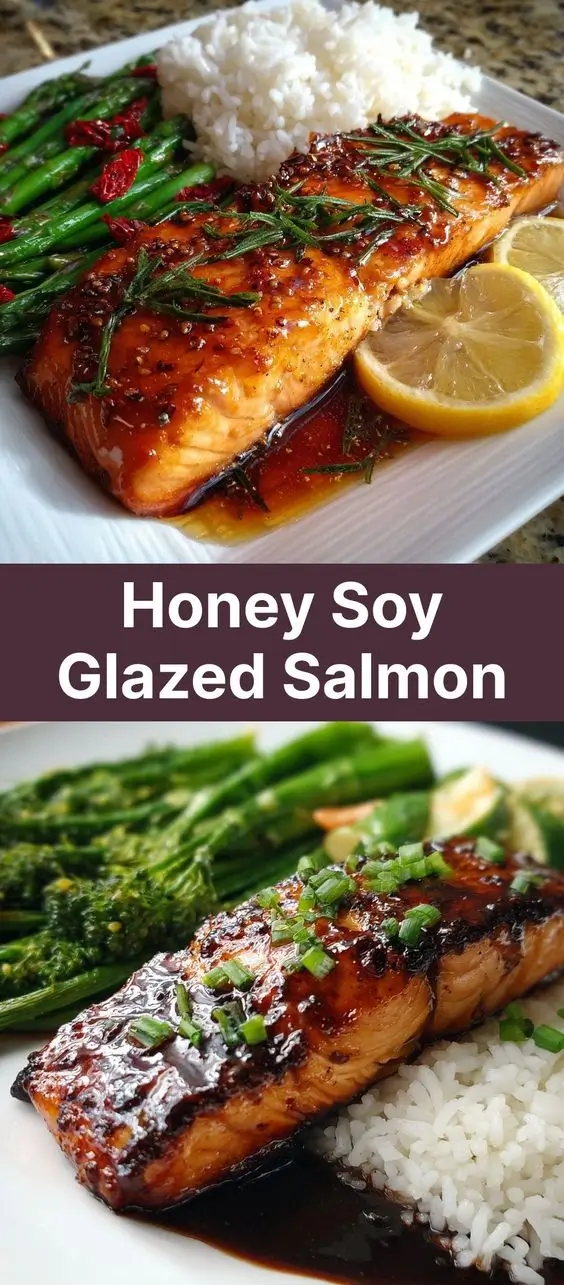
Honey Soy Glazed Salmon: A Perfect Balance of Sweet and Savory
The honey soy glazed salmon is a culinary masterpiece that brings together the rich, buttery texture of salmon with a glossy, flavorful glaze made from honey and soy sauce. This dish has become a favorite in home kitchens and upscale restaurants alike due to its elegant presentation, simple preparation, and bold taste. Whether you’re cooking for a weeknight dinner or hosting a special gathering, this recipe delivers both nutrition and gourmet appeal in every bite.
The History of Honey Soy Glazed Salmon
While salmon has long been a staple in Nordic, Native American, and East Asian cuisines, the combination of honey and soy sauce as a glaze finds its roots primarily in Japanese and Chinese cooking traditions. The use of soy sauce dates back over 2,000 years in China, where it was developed as a method of fermenting soybeans to preserve flavor. Honey, one of the oldest natural sweeteners known to humankind, has been used across civilizations—from ancient Egypt to Greece—for both culinary and medicinal purposes.
The fusion of Eastern and Western flavors gained popularity during the 20th century, especially as global trade expanded ingredient availability and palates became more adventurous. The honey soy glaze emerged as a beloved marinade and finishing sauce in pan-Asian and fusion cuisine, particularly in North America during the 1980s and 1990s. Chefs began applying this sweet-savory mixture to proteins like chicken, pork, and especially salmon, which pairs beautifully with umami-rich sauces.
Today, honey soy glazed salmon stands as a symbol of modern comfort food—healthy, quick to prepare, and deeply satisfying. It reflects a harmonious blend of cultural influences and showcases how traditional ingredients can be reimagined into globally cherished dishes.
Ingredients Breakdown: What Makes This Dish Shine?
The magic of honey soy glazed salmon lies not only in its simplicity but also in the quality and synergy of its ingredients. Each component plays a crucial role in building layers of flavor, texture, and aroma. Let’s dive deeper into what goes into this dish:
- Salmon Fillets: Fresh, wild-caught or sustainably farmed salmon is ideal. Look for fillets with vibrant orange-pink flesh, firm texture, and minimal odor. The high fat content (especially omega-3 fatty acids) ensures moistness and richness when cooked.
- Soy Sauce: Provides saltiness and deep umami flavor. Use reduced-sodium soy sauce if you’re watching your salt intake, or tamari for a gluten-free alternative. Avoid “light” soy sauce thinking it’s lower in sodium—it often isn’t; instead, it refers to color and flavor intensity.
- Honey: Adds natural sweetness and helps create a beautiful caramelized crust on the salmon. Raw, unfiltered honey offers more complex floral notes compared to processed varieties.
- Fresh Garlic: Minced garlic brings pungency and depth. When sautéed gently in the glaze, it mellows into a warm, aromatic base.
- Ginger: Freshly grated ginger contributes a zesty, slightly spicy kick that balances the sweetness of honey. It also aids digestion and adds an authentic Asian flair.
- Rice Vinegar: A touch of acidity brightens the entire dish, cutting through the richness of the salmon and enhancing other flavors.
- Sesame Oil: Just a drizzle adds nutty aroma and complexity. Use toasted sesame oil for maximum fragrance, but sparingly—it’s potent!
- Green Onions: Used as garnish, they add freshness, color contrast, and a mild oniony crunch.
- Red Pepper Flakes (optional): For those who enjoy heat, a pinch adds subtle spiciness without overpowering the dish.
Optional additions include mirin (sweet rice wine), lime juice, pineapple juice (for extra sweetness and tenderizing effect), or even a splash of bourbon for a smoky twist.
Step-by-Step Recipe: How to Make Honey Soy Glazed Salmon
Follow these detailed steps to achieve perfectly cooked, restaurant-quality honey soy glazed salmon right in your own kitchen.
Preparation Time:
15 minutes | Cooking Time: 12–18 minutes | Total Time: ~30 minutes | Servings: 4
Ingredients
- 4 salmon fillets (about 6 oz each, skin-on or skinless)
- ¼ cup low-sodium soy sauce
- ¼ cup honey (preferably raw)
- 2 tablespoons rice vinegar
- 1 tablespoon toasted sesame oil
- 3 cloves garlic, minced
- 1 tablespoon fresh ginger, grated
- 1 teaspoon red pepper flakes (optional)
- 2 green onions, sliced (for garnish)
- 1 tablespoon olive oil (for searing)
- 1 tablespoon water or broth (to thin glaze if needed)
- ½ teaspoon black pepper
Directions
- Prepare the Salmon: Pat the salmon fillets dry with paper towels. This step is essential for achieving a good sear and preventing steaming. Season lightly with black pepper on both sides. Set aside.
- Make the Glaze: In a small saucepan, combine soy sauce, honey, rice vinegar, sesame oil, minced garlic, grated ginger, and red pepper flakes (if using). Stir over medium heat until the mixture comes to a gentle simmer. Reduce heat to low and let it cook for 5–7 minutes, stirring occasionally, until slightly thickened and syrupy. If the glaze becomes too thick, add a tablespoon of water or broth to reach desired consistency. Remove from heat and set aside.
- Pan-Seared Method (Recommended): Heat olive oil in a large non-stick or cast-iron skillet over medium-high heat. Once hot (you should see slight smoke), place salmon fillets skin-side down (if skin-on) in the pan. Press gently with a spatula for first 10 seconds to ensure even contact. Sear undisturbed for 4–5 minutes until the skin is crispy and golden brown.
- Flip and Glaze: Carefully flip the salmon using a wide spatula. Brush generously with the prepared honey soy glaze on the top surface. Reduce heat to medium-low, cover the skillet loosely with foil or a splatter guard, and cook for another 3–5 minutes depending on thickness. The internal temperature should reach 125°F–130°F (52°C–54°C) for medium doneness. Salmon will continue to cook slightly after removal from heat.
- Baking Option: Preheat oven to 400°F (200°C). Place salmon on a parchment-lined baking sheet. Brush both sides with oil and season. Bake for 8 minutes, then brush liberally with glaze and return to oven for another 4–6 minutes until flaky and opaque.
- Broiling Finish (Optional): For a deeper glaze caramelization, transfer the pan to the broiler for 1–2 minutes after glazing. Watch closely to prevent burning.
- Rest and Serve: Let the salmon rest for 2–3 minutes before serving. Drizzle with additional warm glaze and sprinkle with sliced green onions.
Serving Suggestions:
Pair with steamed jasmine rice, quinoa, roasted vegetables (like asparagus, broccoli, or bok choy), or a crisp cucumber salad. A side of kimchi or pickled daikon radish adds tangy contrast.
Tips for the Best Honey Soy Glazed Salmon
- Don’t Overcook the Salmon: Salmon is best when slightly translucent in the center. It continues to cook off the heat due to residual warmth—a phenomenon called carryover cooking.
- Use Fresh Ginger and Garlic: Bottled or powdered versions lack the brightness and punch of freshly grated ingredients.
- Control the Heat: High heat burns honey quickly. Keep the flame moderate when searing glazed salmon to avoid bitterness.
- Double the Glaze: If you love extra sauce for drizzling or dipping, increase the glaze ingredients by 50%. Store leftovers in a jar in the fridge for up to 2 weeks—great for stir-fries or meat glazes.
- Skin-On vs. Skin-Off: Cooking skin-on helps protect the delicate flesh and creates a crispy, flavorful layer. To remove skin after cooking, slide a spatula between skin and flesh—it should peel away easily.
- Room Temperature Start: Let refrigerated salmon sit at room temp for 10–15 minutes before cooking for more even results.
- Glaze Thickness: Simmer the sauce until it coats the back of a spoon. Too thin, and it won’t cling; too thick, and it may burn.
- Non-Stick Skillet: Essential for easy flipping and preserving the integrity of the glaze and fish.
Variations and Customizations
One of the greatest strengths of this recipe is its versatility. Here are some creative twists to keep your meals exciting:
- Lemon or Lime Zest: Add citrus zest to the glaze for a refreshing, bright note.
- Pineapple Juice Addition: Replace half the honey with pineapple juice for tropical sweetness and natural enzymes that tenderize the fish.
- Teriyaki Style: Add 1 tablespoon of mirin and reduce honey slightly for a classic teriyaki variation.
- Spicy Version: Increase red pepper flakes or add sriracha or gochujang paste (Korean chili paste) for a fiery kick.
- Orange-Glazed Salmon: Substitute part of the honey with orange marmalade or fresh orange juice for a citrus-honey profile.
- Maple Soy Glaze: Swap honey with pure maple syrup for a fall-inspired flavor and vegan-friendly option (use agave if avoiding honey entirely).
- Herb-Infused: Stir chopped cilantro, basil, or dill into the glaze just before serving.
- Oven-Baked with Veggies: Arrange salmon on a sheet pan with bell peppers, zucchini, and onions. Toss veggies in olive oil and soy sauce, then roast together for a complete one-pan meal.
- Grilled Salmon: Perfect for summer! Grill over medium indirect heat, brushing with glaze during the last few minutes to prevent flare-ups.
- Meal Prep Friendly: Cook and glaze salmon ahead of time. Store in airtight containers in the fridge for up to 3 days. Reheat gently in the oven or air fryer to maintain texture.
Health Considerations and Nutritional Value
Honey soy glazed salmon isn’t just delicious—it’s packed with nutrients that support overall health. Let’s break down the benefits and considerations:
Nutritional Highlights (per serving, approx. 6 oz fillet with glaze):
- Calories: ~380–420 kcal
- Protein: ~35–40g – supports muscle repair and satiety
- Fat: ~20–25g – mostly heart-healthy unsaturated fats, including omega-3s
- Omega-3 Fatty Acids: ~2,000–3,000 mg – reduces inflammation, supports brain and cardiovascular health
- Sodium: ~600–800mg (depending on soy sauce used) – moderate; opt for low-sodium version if concerned
- Carbohydrates: ~15–20g – primarily from honey, offering natural sugars with trace antioxidants
- Vitamins & Minerals: Rich in Vitamin D, B12, selenium, potassium, and phosphorus
Health Benefits:
- Heart Health: Omega-3s help lower triglycerides and reduce risk of heart disease.
- Brain Function: DHA, a type of omega-3 found abundantly in salmon, supports cognitive development and may reduce risk of neurodegenerative diseases.
- Anti-Inflammatory Properties: Both salmon and raw honey contain compounds that combat chronic inflammation.
- Immune Support: Selenium and zinc in salmon boost immune function; raw honey has antimicrobial properties.
- Bone Health: High levels of vitamin D and phosphorus aid calcium absorption and bone strength.
Dietary Considerations:
- Keto-Friendly? Yes—with modifications. Reduce honey to 1 tbsp and use a sugar-free substitute like monk fruit syrup. Monitor total carbs (~8–10g net).
- Diabetic-Friendly? Moderate caution. Honey causes blood sugar spikes. Use sparingly or replace with low-glycemic sweeteners like erythritol blend. Pair with fiber-rich sides like cauliflower rice or leafy greens.
- Gluten-Free? Only if using gluten-free soy sauce (tamari) or coconut aminos.
- Pescatarian/Vegan Note: Salmon makes this dish pescatarian-approved. No direct vegan substitute retains the same texture, but tofu or tempeh can be used for a plant-based version (adjust cooking time).
- Allergies: Contains fish and soy. Avoid if allergic. Sesame oil may trigger nut allergies in sensitive individuals.
Sustainability Tip:
Choose salmon labeled “wild-caught Alaskan” or certified by organizations like MSC (Marine Stewardship Council) to support sustainable fishing practices and minimize environmental impact.
Frequently Asked Questions (FAQ)
Can I make honey soy glazed salmon ahead of time?
Yes! You can prepare the glaze up to 5 days in advance and store it in the refrigerator. Assemble and cook the salmon just before serving for best texture. Cooked salmon can be stored for up to 3 days and reheated gently.
Can I freeze honey soy glazed salmon?
Yes, though texture may soften slightly upon thawing. Freeze in an airtight container for up to 2 months. Thaw overnight in the fridge and reheat in the oven at 300°F until warmed through.
Why did my glaze burn?
Honey has a low smoke point and burns easily under high heat. Always apply the glaze during the final minutes of cooking and keep the temperature moderate. If grilling or broiling, watch constantly.
Is canned salmon suitable for this recipe?
Not ideal. Canned salmon lacks the firm structure needed for glazing and searing. It works better in patties or salads. Use fresh or frozen-thawed fillets for this dish.
Can I use frozen salmon?
Absolutely. Thaw fillets slowly in the refrigerator overnight. Never cook frozen salmon directly unless following specific instructions—uneven cooking may occur.
What sides go well with honey soy glazed salmon?
Excellent pairings include coconut rice, stir-fried vegetables, soba noodles, edamame, avocado slices, seaweed salad, or a simple arugula salad with sesame dressing.
How do I know when salmon is done cooking?
Look for opacity—salmon changes from translucent to opaque pink. Gently press the top; it should flake with a fork but still feel slightly springy. Use a thermometer: 125°F–130°F (52°C–54°C) for medium-rare to medium.
Can I make this recipe without honey?
Yes. Substitute with maple syrup, agave nectar, or brown sugar dissolved in water. For zero added sugar, try a monk fruit syrup blend, though flavor will differ slightly.
Can I use this glaze on other proteins?
Definitely! This glaze works wonderfully on chicken thighs, shrimp, tofu, scallops, pork chops, or even roasted Brussels sprouts.
Is this recipe kid-friendly?
Yes! Most children enjoy the sweet-savory flavor. Adjust spice levels (skip red pepper flakes) and cut into smaller pieces for younger eaters.
Summary
Honey soy glazed salmon combines succulent, omega-3-rich salmon with a glossy, balanced sauce of soy, honey, garlic, and ginger for a nutritious, flavorful dish that’s easy to make and endlessly customizable. Whether pan-seared, baked, or grilled, this recipe delivers gourmet taste with minimal effort—perfect for busy weeknights or impressive weekend dinners.