Introduction
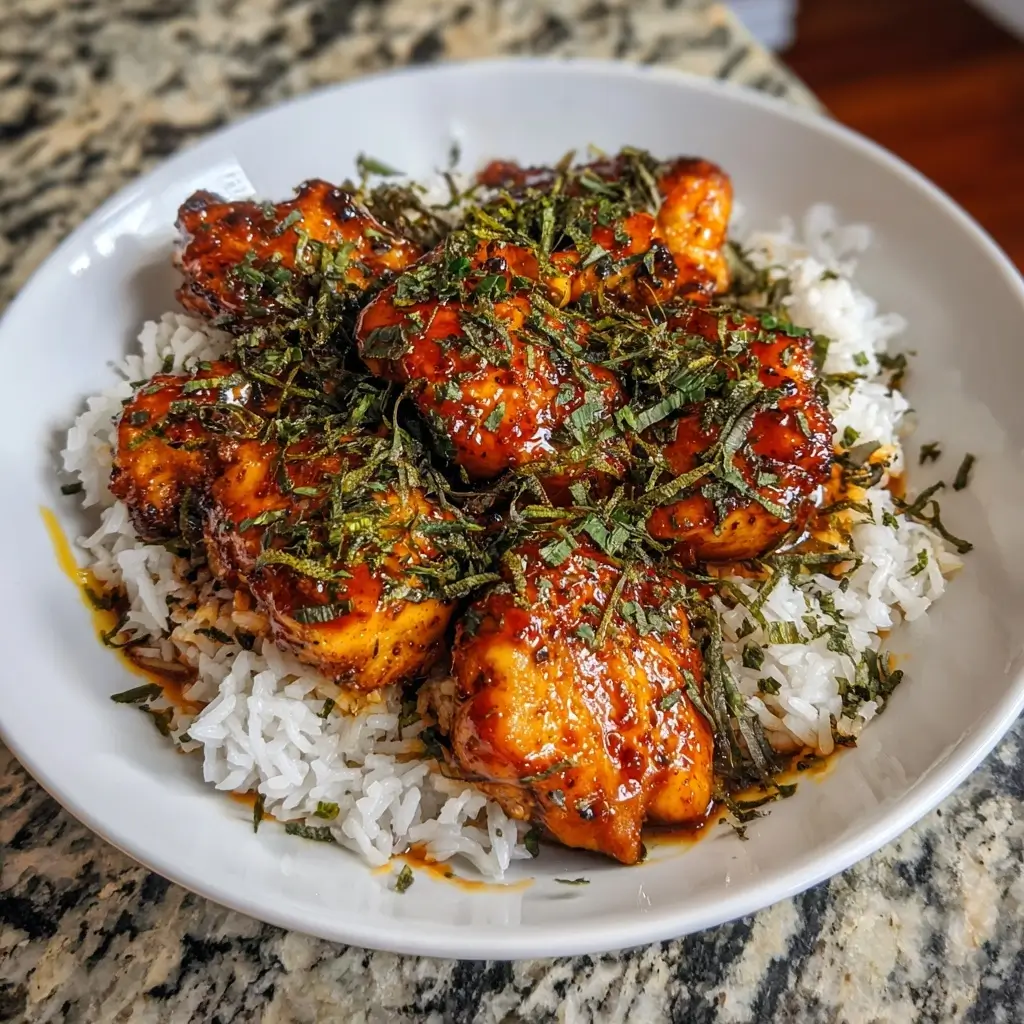
Honey Sriracha Chicken is a vibrant, globally inspired dish that masterfully balances sweet, spicy, tangy, and savory notes in every bite. Its irresistible glaze—crafted from the bold heat of Sriracha chili sauce and the rich, floral depth of pure honey—clings luxuriously to tender, juicy chicken, creating a restaurant-quality experience that’s surprisingly simple to recreate at home. Whether served over steamed jasmine rice, tucked into warm tortillas, tossed with crisp romaine for a deconstructed salad, or skewered as an appetizer for your next gathering, this dish delivers bold flavor without complexity. Its widespread popularity across food blogs, TikTok kitchens, and even upscale gastropubs speaks to its universal appeal: it satisfies cravings for heat *and* comfort simultaneously, making it a beloved staple for weeknight dinners, meal prep, entertaining, and everything in between.
The History
While no single documented “invention” exists, Honey Sriracha Chicken emerged organically from the culinary crossroads of late 20th- and early 21st-century American food culture. Its roots lie in the broader fusion movement that embraced Asian-inspired flavors—particularly Thai, Korean, and Vietnamese—within accessible, approachable American home cooking. Sriracha itself, originally a Vietnamese condiment (Sriracha là ớt) popularized globally by California-based Huy Fong Foods (founded in 1980), became a pantry essential for its bright, garlicky heat. Honey, a timeless natural sweetener, provided the perfect counterpoint. The marriage of these two ingredients gained traction in the early 2000s through food magazines like *Bon Appétit* and *Food & Wine*, then exploded on social media platforms like Pinterest and Instagram around 2012–2014, where its photogenic glossy finish and easy prep made it highly shareable. Chefs and home cooks alike began applying the glaze to everything from roasted Brussels sprouts to salmon—and chicken, with its mild flavor and ideal protein texture, quickly became the undisputed star. Today, it’s considered a modern classic—a testament to how simple, well-balanced ingredient pairings can transcend trends and become enduring favorites.
Ingredients Breakdown
Understanding each component is key to mastering this dish—not just for replication, but for intelligent customization:
- Chicken: Boneless, skinless chicken breasts or thighs are most common. Breasts yield lean, firm texture; thighs offer superior tenderness, juiciness, and richer flavor due to higher fat content—especially important when grilling or broiling. For maximum surface area and faster, more even cooking, slice breasts or thighs into 1-inch strips or 1.5-inch cubes. Uniformity is non-negotiable for consistent doneness.
- Sriracha Sauce: The cornerstone of heat and umami. Authentic Huy Fong Sriracha (the rooster brand) is recommended for its balanced garlic-forward profile and moderate, lingering heat (Scoville rating ~2,200). Avoid generic “sriracha-style” sauces with excessive sugar or artificial flavors—they lack depth. Note: Heat level varies by batch and personal tolerance; start with the base amount and adjust.
- Honey: Use raw, unfiltered honey for complex floral notes and superior glazing ability. Clover honey is mild and versatile; orange blossom or wildflower adds nuanced aroma. Avoid processed, ultra-light “clover” honeys with added corn syrup—they burn easily and lack character. For vegan versions, high-quality agave nectar or maple syrup (reduce slightly as they’re thinner) work well, though maple imparts distinct earthiness.
- Garlic & Ginger: Freshly minced or grated is mandatory. Pre-minced jarred garlic lacks pungency and can taste metallic; powdered ginger lacks the bright, citrusy zing essential for cutting richness. These aromatics provide the foundational savory-sweet-spicy bridge.
- Soy Sauce: Low-sodium soy sauce is preferred to control salt levels, especially when serving with salty sides (like soy-marinated edamame) or adding finishing sesame oil. Tamari is an excellent gluten-free alternative; coconut aminos offer a milder, slightly sweeter, soy-free option.
- Rice Vinegar: Adds crucial brightness and acidity to balance sweetness and cut through fat. Unseasoned rice vinegar is ideal; avoid seasoned versions (which contain added sugar and salt) unless you adjust other ingredients accordingly. Apple cider vinegar is a functional substitute but introduces a fruitier note.
- Neutral Oil: Avocado, grapeseed, or refined peanut oil withstand high-heat cooking without smoking. Olive oil (especially extra virgin) has a low smoke point and strong flavor that clashes; reserve it for finishing drizzles only.
- Optional Enhancers: A pinch of red pepper flakes amplifies heat without altering flavor; toasted sesame oil (added *off-heat*) deepens nuttiness; lime juice (freshly squeezed, added at the end) lifts the entire profile with vibrant acidity; finely chopped green onions and toasted sesame seeds provide textural contrast and visual appeal.
Step-by-Step Recipe
- Prep the Chicken: Pat chicken pieces *extremely dry* with paper towels—this ensures optimal searing and prevents steaming. Place in a large bowl or resealable bag.
- Make the Marinade/Glaze Base: In a small bowl, whisk together Sriracha, honey, soy sauce, rice vinegar, minced garlic, grated ginger, and optional red pepper flakes until smooth and emulsified. Taste and adjust: too sweet? Add a splash more vinegar or lime. Too mild? Add Sriracha or flakes. Too salty? A tiny bit more honey. Set aside 2 tablespoons for basting; reserve the rest for final glazing.
- Marinate (Optional but Recommended): Pour ¾ of the marinade over chicken. Toss thoroughly to coat. Cover and refrigerate for *at least 15 minutes* (for quick flavor infusion) or up to *2 hours* (for deeper penetration). *Do not marinate longer than 2 hours*—the acidity in vinegar can begin to break down the chicken’s texture, making it mushy.
- Preheat & Prep Cooking Surface: Heat 1–2 tablespoons neutral oil in a heavy-bottomed skillet (cast iron or stainless steel preferred) or wok over medium-high heat until shimmering. Alternatively, preheat grill or broiler to high.
- Sear the Chicken: Remove chicken from marinade, letting excess drip off (reserve marinade). Place chicken in a single layer in the hot pan—do not overcrowd (cook in batches if needed). Sear undisturbed for 3–4 minutes per side (for strips) or 5–6 minutes per side (for larger pieces), until deeply golden brown and nearly cooked through (internal temp ~155°F/68°C). Transfer to a clean plate; tent loosely with foil.
- Reduce the Glaze: Pour reserved marinade (including any from the bowl) into the same hot pan. Bring to a vigorous simmer over medium heat. Cook, stirring frequently, for 3–5 minutes until thickened to a glossy, syrupy consistency that coats the back of a spoon. Watch closely—it burns easily! If it thickens too fast, reduce heat slightly; if too thin, simmer 1–2 minutes longer.
- Glaze & Finish: Return chicken and any accumulated juices to the pan. Reduce heat to low. Gently toss or flip chicken to coat evenly in the reduced glaze for 1–2 minutes, allowing the sauce to caramelize slightly and cling beautifully. Avoid boiling vigorously, which can make the sauce stringy.
- Rest & Serve: Remove from heat. Let rest for 2–3 minutes—this allows juices to redistribute, ensuring maximum tenderness. Garnish generously with sliced green onions and toasted sesame seeds. Serve immediately while gloriously glossy and warm.
Tips
- Dry Chicken is Non-Negotiable: Moisture is the enemy of sear. Patting chicken bone-dry creates the Maillard reaction—the chemical process responsible for that crave-worthy caramelized crust and deep flavor.
- Control the Heat: Medium-high heat is ideal for searing; too high causes burning before cooking through; too low steams instead of sears. Adjust based on your stove and pan—listen for a steady sizzle, not violent spattering.
- Don’t Skip the Reduction: Raw marinade contains raw garlic and potential bacteria from chicken contact. Simmering it kills pathogens *and* concentrates flavor, transforming it into a luxurious, cohesive glaze. Never serve uncooked marinade.
- Low & Slow for Glazing: Once chicken returns to the pan, keep heat low. High heat will cause the sugar in honey to scorch instantly, turning your beautiful glaze bitter and blackened.
- Resist Overcooking: Chicken continues to cook slightly while resting. Pull it from the pan at 155–160°F (68–71°C); carryover cooking will bring it to the safe 165°F (74°C).
- Toast Your Sesame Seeds: Lightly toast sesame seeds in a dry pan over medium-low heat for 1–2 minutes until fragrant and golden. This unlocks their nutty oils and prevents blandness.
- Acid is Your Friend: A final squeeze of fresh lime juice *just before serving* adds a bright, refreshing lift that cuts the richness and makes the dish taste incredibly fresh and balanced.
- Double the Glaze for Leftovers: Make extra glaze (without marinating chicken in it) and store separately. Reheat gently and toss with leftover chicken for a quick, flavorful lunch.
Variations and Customizations
This recipe is a brilliant canvas for creativity—adapt it to your taste, dietary needs, or what’s in your pantry:
- Protein Swaps: Substitute chicken with shrimp (cook 2–3 min per side), firm tofu (pressed & pan-fried), tempeh (marinated & baked), salmon fillets (skin-on, seared skin-side down first), or even roasted cauliflower florets (tossed in glaze last 5 minutes).
- Cooking Method Variations:
- Grill/BBQ: Skewer marinated chicken for kebabs. Grill over medium heat, basting with reserved glaze during the last 3–4 minutes.
- Bake: Arrange marinated chicken on a parchment-lined baking sheet. Bake at 400°F (200°C) for 18–22 minutes until cooked. Broil 2–3 minutes to caramelize glaze.
- Air Fryer: Cook marinated chicken at 375°F (190°C) for 12–15 minutes, shaking basket halfway. Toss with reduced glaze in the last 2 minutes.
- Slow Cooker: Combine chicken and *all* marinade (no reduction step needed). Cook on LOW 4–5 hours. Thicken sauce separately and stir in before serving.
- Flavor Twists:
- Ginger-Intensive: Double the fresh ginger and add 1 tsp grated lemon zest to the glaze.
- Smoky Depth: Add ½ tsp smoked paprika or a few drops of liquid smoke to the marinade.
- Herbal Brightness: Stir 1 tbsp chopped fresh cilantro or Thai basil into the finished dish.
- Fruity Sweetness: Replace 1 tbsp honey with mango puree or pineapple juice for tropical notes.
- Dietary Adaptations:
- Lower Sugar: Use monk fruit-sweetened honey alternative or reduce honey by 1 tbsp, adding 1 tsp apple butter for body.
- Gluten-Free: Ensure soy sauce is certified GF (tamari or coconut aminos).
- Vegan: Use tofu/tempeh, agave/maple syrup, and tamari; omit fish sauce if used elsewhere.
- Keto/Low-Carb: Replace honey with 2–3 tbsp granulated erythritol or allulose + 1 tsp xanthan gum to mimic viscosity; increase Sriracha slightly for balance.
- Serving Style Innovations:
- Bowls: Layer over brown rice, quinoa, or cauliflower rice with shredded carrots, cucumber ribbons, pickled radishes, and crushed peanuts.
- Tacos: Warm corn tortillas, fill with chicken, top with avocado crema, pickled red onions, and microgreens.
- Pizza: Use as a topping on naan or flatbread with mozzarella, red onion, and cilantro.
- Salad: Toss warm chicken with mixed greens, mandarin oranges, crispy wonton strips, and a light sesame-ginger vinaigrette.
Health Considerations and Nutritional Value
Honey Sriracha Chicken offers notable nutritional benefits when prepared mindfully, though awareness of its components supports balanced eating:
- Protein Powerhouse: Chicken breast provides ~26g high-quality, complete protein per 3-oz serving—essential for muscle repair, satiety, and metabolic health. Thighs offer additional B-vitamins (B6, B12, niacin) and zinc.
- Functional Ingredients: Garlic and ginger possess well-documented anti-inflammatory, antioxidant, and immune-supportive properties. Sriracha’s capsaicin may modestly boost metabolism and offer pain-relieving effects.
- Honey Nuance: While still a source of natural sugars (~17g per tbsp), raw honey contains enzymes, antioxidants (like flavonoids), and trace minerals absent in refined sugar. Its glycemic index (GI ~58) is lower than table sugar (GI ~65), leading to a slower blood sugar rise—especially beneficial when paired with protein and fiber-rich sides.
- Considerations: The primary nutritional consideration is added sugar from honey. A standard ¼ cup glaze contains ~30g sugar. To mitigate: use less honey, opt for lower-sugar alternatives (as noted in variations), and always pair with high-fiber vegetables (broccoli, bell peppers, snap peas) and whole grains to slow glucose absorption and enhance nutrient density.
- Sodium Awareness: Soy sauce contributes sodium. Using low-sodium soy sauce reduces sodium by ~40% versus regular. Rinsing canned beans or using unsalted nuts in accompaniments further controls intake.
- Portion Perspective: A balanced plate should be ~½ non-starchy vegetables, ¼ lean protein, and ¼ complex carbohydrate. This dish shines as the protein centerpiece within that framework.
- Notable Absences: Naturally free of dairy, nuts (unless added as garnish), and gluten (with proper soy sauce)—making it adaptable for many common dietary restrictions.
Ingredients
- 1.5 lbs boneless, skinless chicken breasts or thighs, cut into 1-inch strips or 1.5-inch cubes
- ⅓ cup authentic Sriracha sauce (e.g., Huy Fong)
- ¼ cup pure, raw honey (or maple syrup/agave for vegan)
- 3 tbsp low-sodium soy sauce (or tamari for GF)
- 1 tbsp unseasoned rice vinegar
- 2 cloves garlic, finely minced (about 1 tbsp)
- 1 tbsp fresh ginger, peeled and finely grated (about 1 tsp)
- 1 tbsp neutral cooking oil (avocado, grapeseed, or refined peanut)
- Optional: ¼ tsp red pepper flakes (for extra heat)
- For Garnish: 2 green onions, thinly sliced; 1 tbsp sesame seeds, toasted
- Finishing Touch (Highly Recommended): 1 tsp fresh lime juice
Directions
- Pat chicken pieces *very dry* with paper towels. Place in a large bowl or resealable plastic bag.
- In a small bowl, whisk together Sriracha, honey, soy sauce, rice vinegar, minced garlic, grated ginger, and red pepper flakes (if using) until completely smooth and emulsified.
- Pour ¾ of the mixture over the chicken. Toss well to coat. Cover and refrigerate for 15 minutes to 2 hours.
- Heat oil in a large skillet, wok, or grill pan over medium-high heat until shimmering.
- Remove chicken from marinade, letting excess drip off (reserve marinade). Add chicken to the hot pan in a single layer. Cook undisturbed for 3–4 minutes, then flip and cook another 3–4 minutes, or until golden brown and nearly cooked through (155–160°F internal temp). Transfer to a plate; tent with foil.
- Pour reserved marinade into the same hot pan. Bring to a simmer over medium heat. Cook, stirring frequently, for 3–5 minutes until thickened to a glossy, syrupy consistency.
- Return chicken and any juices to the pan. Reduce heat to low. Gently toss to coat for 1–2 minutes, allowing glaze to adhere and caramelize slightly.
- Remove from heat. Stir in fresh lime juice. Garnish generously with green onions and toasted sesame seeds.
- Serve immediately with steamed rice, noodles, or your favorite grain and vegetable sides.
FAQ
- Can I make this ahead of time?
- Absolutely! Marinate chicken up to 2 hours ahead. Cooked chicken (glazed or unglazed) stores perfectly in an airtight container in the refrigerator for up to 4 days. Reheat gently in a skillet with a splash of water or broth to prevent drying out, or microwave covered at 50% power. Freeze unglazed cooked chicken for up to 3 months; thaw overnight and glaze fresh before serving.
- Why did my glaze burn or become clumpy?
- Burning occurs from too-high heat during reduction or glazing. Clumping happens when honey overheats rapidly or the glaze isn’t stirred constantly. Always reduce over medium heat, stir continuously, and lower heat if bubbles become aggressive. If it starts to seize, remove from heat, whisk in 1 tsp warm water, and return gently.
- Is there a substitute for Sriracha if I can’t find it?
- Yes. Try sambal oelek (more rustic, less garlicky), gochujang (Korean chili paste—use half the amount, add 1 tsp rice vinegar and 1 tsp honey to balance), or a mix of hot sauce (like Frank’s RedHot) + 1 minced garlic clove + ¼ tsp sugar. Avoid ketchup-based sauces—they lack the necessary acidity and depth.
- Can I use frozen chicken?
- For best results, thaw chicken completely in the refrigerator overnight. If pressed for time, use the cold-water method (submerge sealed chicken in cold water, changing water every 30 minutes) — never cook from frozen, as it leads to uneven cooking and poor glaze adhesion.
- How do I make it spicier or milder?
- For milder: Reduce Sriracha by half and add 1 tsp extra honey or a splash of pineapple juice. For spicier: Add more Sriracha, include ½ tsp cayenne, or stir in 1 finely minced serrano or jalapeño (seeds removed for less heat) into the glaze.
- What sides pair best with Honey Sriracha Chicken?
- Steamed jasmine or brown rice absorbs the glaze beautifully. Also excellent: soba noodles, quinoa, roasted sweet potatoes, grilled asparagus, stir-fried bok choy, crunchy cucumber salad, or a simple kale and edamame slaw. A cooling element like Greek yogurt dip or avocado slices balances the heat.
- Can I double the recipe?
- Yes, but avoid overcrowding the pan. Cook in batches, keeping cooked chicken warm in a low oven (200°F), and reduce the glaze in the same pan between batches. Doubling the marinade/glaze works seamlessly.
- Is the dish safe for kids?
- Yes—with adjustment. Reduce Sriracha to 1–2 tbsp and increase honey slightly. Serve with plenty of rice or noodles to dilute heat. Many children love the sweet-tangy profile once the intense heat is dialed back.
Summary
Honey Sriracha Chicken is a harmonious, restaurant-worthy dish built on the dynamic interplay of fiery Sriracha, floral honey, pungent fresh aromatics, and umami-rich soy—transforming humble chicken into a glossy, addictive centerpiece bursting with sweet, spicy, savory, and tangy layers.
Effortlessly adaptable for dietary needs, cooking methods, and flavor preferences, it delivers maximum impact with minimal technique—proving that extraordinary flavor doesn’t require complexity, just thoughtful balance and quality ingredients.