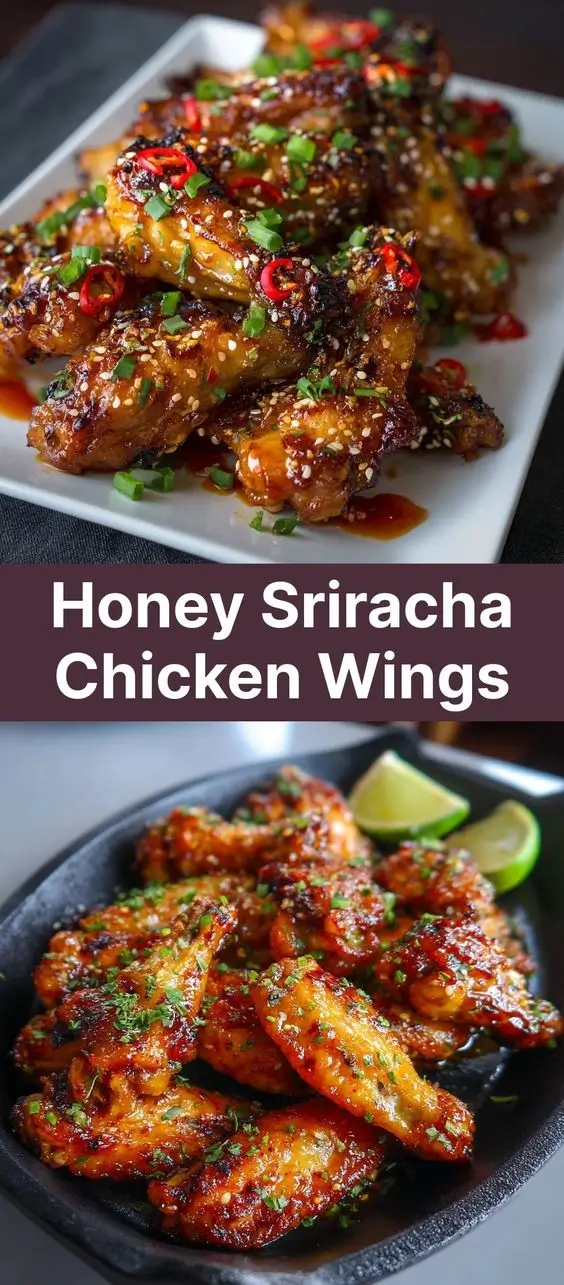
Honey Sriracha Chicken Wings: A Sweet, Spicy, and Irresistible Delight
There’s something undeniably satisfying about biting into a perfectly cooked chicken wing—crispy on the outside, tender on the inside, and coated in a bold, flavorful glaze. Among the many flavor profiles that have taken the culinary world by storm, Honey Sriracha Chicken Wings stand out as a modern classic. This harmonious blend of sweet honey and fiery sriracha creates a taste experience that dances between heat and sweetness, making it an ideal appetizer for game days, backyard barbecues, holiday gatherings, or even a cozy night in. Whether you’re a seasoned chef or a beginner in the kitchen, these wings are simple to prepare, incredibly delicious, and guaranteed to impress.
The History Behind the Flavor Fusion
The story of Honey Sriracha Chicken Wings is one rooted in culinary evolution and cultural fusion. While fried chicken wings trace their origins back to Buffalo, New York—the birthplace of the famous Buffalo wings in the 1960s—sweet and spicy variations began gaining popularity in the late 1990s and early 2000s as global flavors infiltrated American cuisine.
Sriracha sauce, a bright red chili garlic condiment originating from Vietnam, was introduced to the U.S. market by David Tran of Huy Fong Foods in the 1980s. Its unique balance of heat, tang, and subtle sweetness quickly made it a pantry staple. Meanwhile, honey has been used for centuries across cultures not only as a natural sweetener but also for its ability to caramelize and enhance savory dishes.
Chefs and home cooks alike began experimenting with combining sriracha and honey as a glaze for proteins, particularly chicken wings. The result? A flavor profile that’s bold, balanced, and addictive. Today, Honey Sriracha Chicken Wings are featured on menus at trendy gastropubs, sports bars, and food festivals, symbolizing the perfect marriage of Eastern spice and Western comfort food.
Ingredients Breakdown: What Makes These Wings So Good?
The magic of Honey Sriracha Chicken Wings lies in the quality and synergy of its ingredients. Each component plays a vital role in building layers of flavor, texture, and aroma. Here’s a detailed look at what goes into this mouthwatering dish:
- Chicken Wings (3–4 lbs): Use whole wings cut into flats and drumettes, or buy them pre-cut. Look for fresh, skin-on wings—they crisp up beautifully during cooking.
- Baking Powder (1 tbsp, optional): A secret weapon for ultra-crispy skin when baking. It helps draw moisture to the surface and promotes browning without altering flavor.
- Salt and Black Pepper: Essential seasonings that enhance overall taste.
- Vegetable Oil or Olive Oil (1–2 tbsp): Helps the seasoning stick and encourages even crisping.
- Honey (½ cup): Raw or pure honey works best. It provides sweetness, shine, and a slight floral note. Avoid honey substitutes for authentic flavor.
- Sriracha Sauce (⅓ to ½ cup): Adjust based on your heat preference. Huy Fong’s rooster-branded sriracha is recommended for its consistent flavor.
- Soy Sauce (2 tbsp): Adds umami depth and saltiness. For a gluten-free version, use tamari.
- Rice Vinegar or Apple Cider Vinegar (1 tbsp): Balances the sweetness with acidity and brightens the glaze.
- Garlic (3 cloves, minced): Freshly minced garlic delivers aromatic punch.
- Fresh Ginger (1 tsp, grated): Adds warmth and complexity to the sauce.
- Butter (2 tbsp): Enriches the glaze, giving it a silky texture and rich mouthfeel.
- Green Onions (for garnish): Sliced thinly for color and freshness.
- Sesame Seeds (optional): For nutty crunch and visual appeal.
Step-by-Step Recipe: How to Make Perfect Honey Sriracha Chicken Wings
Follow this foolproof guide to create restaurant-quality Honey Sriracha Chicken Wings right in your own kitchen. Whether you prefer baking, air frying, or deep frying, we’ve got you covered.
Preparation (15 minutes + optional marinating time)
- Prep the Wings: Pat the chicken wings completely dry with paper towels. This is crucial for achieving crispy skin. Place them in a large mixing bowl.
- Season: Add 1 tablespoon baking powder (if using), 1 teaspoon salt, ½ teaspoon black pepper, and 1 tablespoon oil. Toss thoroughly until every piece is evenly coated.
- Chill (Optional but Recommended): Place the seasoned wings on a wire rack set over a baking sheet and refrigerate uncovered for 1–12 hours. This dries the skin further, enhancing crispiness.
Cooking Methods (Choose One)
Option 1: Oven-Baked (Healthier, Crispy Results)
- Preheat oven to 425°F (220°C). Line a baking sheet with foil and place a wire rack on top. Lightly grease the rack.
- Arrange wings in a single layer on the rack. Bake for 45–50 minutes, flipping halfway through, until golden brown and internal temperature reaches 165°F (74°C).
Option 2: Air Fryer (Fast & Extra Crispy)
- Preheat air fryer to 400°F (200°C).
- Cook wings in batches in a single layer. Air fry for 22–25 minutes, flipping halfway, until crispy and fully cooked.
Option 3: Deep Fried (Classic Crispiness)
- Heat vegetable oil to 375°F (190°C) in a deep fryer or heavy pot.
- Fry wings in batches for 10–12 minutes until golden and cooked through. Drain on a wire rack or paper towels.
Make the Honey Sriracha Glaze (10 minutes)
- In a medium saucepan over medium heat, melt butter. Add minced garlic and grated ginger; sauté for 1 minute until fragrant.
- Stir in honey, sriracha, soy sauce, and vinegar. Bring to a gentle simmer and cook for 4–5 minutes, stirring frequently, until slightly thickened.
- Remove from heat. The glaze will continue to thicken as it cools.
Toss and Serve
- Transfer cooked wings to a large bowl. Pour the warm glaze over them and toss gently until evenly coated.
- Plate immediately and garnish with sliced green onions and sesame seeds.
Pro Tips for the Best Honey Sriracha Chicken Wings
- Dry the Skin Thoroughly: Moisture is the enemy of crispiness. Always pat wings dry before seasoning.
- Use a Wire Rack: Elevating wings during baking or air frying allows hot air to circulate, ensuring even browning on all sides.
- Don’t Skip the Baking Powder: Though controversial, food scientists confirm that aluminum-free baking powder enhances browning without imparting flavor when used in small amounts.
- Adjust Heat Levels: Start with ⅓ cup sriracha and add more to taste. You can always increase the spice, but you can’t take it away!
- Double the Glaze: If you love extra saucy wings, make a larger batch of glaze. Store leftovers in a jar in the fridge for up to two weeks.
- Let Wings Rest Before Tossing: If frying, let wings rest for 5 minutes before tossing in sauce to prevent sogginess.
- Serve Immediately: These wings are best enjoyed fresh. Reheating may soften the crust.
Variations and Customizations
One of the greatest strengths of Honey Sriracha Chicken Wings is their versatility. Feel free to experiment with different twists to suit your palate or dietary needs:
- Spicier Version: Add ½ teaspoon crushed red pepper flakes or a dash of cayenne pepper to the glaze. You can also stir in a teaspoon of gochujang (Korean chili paste) for deeper heat.
- Sweeter Twist: Mix in 1 tablespoon of brown sugar or maple syrup for added richness and caramelization.
- Lime Zest Boost: Add 1 teaspoon of fresh lime zest to the glaze for a citrusy pop that cuts through the sweetness.
- Garlic Lover’s Edition: Roast 5–6 garlic cloves and mash them into the glaze for intense, mellow garlic flavor.
- Gluten-Free: Use tamari instead of soy sauce and ensure your sriracha is gluten-free (many brands are).
- Keto-Friendly: Replace honey with a keto-approved sweetener like monk fruit syrup or allulose. Note: texture and shine may vary.
- Smoky Variation: Add ½ teaspoon smoked paprika or a few drops of liquid smoke to the glaze for a barbecue-inspired twist.
- Pineapple Infusion: Stir in 2 tablespoons of pineapple juice into the glaze for a tropical flair that pairs wonderfully with the heat.
- Vegan Option: Use cauliflower florets or vegan “wings” and follow the same preparation method. The glaze remains unchanged.
Health Considerations and Nutritional Value
While Honey Sriracha Chicken Wings are undeniably indulgent, they can be part of a balanced diet when enjoyed in moderation. Here’s a nutritional breakdown per serving (approximately 6–8 wings, depending on size):
| Nutrient | Amount (Approximate) |
|---|---|
| Calories | 380–450 |
| Protein | 25–30g |
| Total Fat | 20–25g |
| Saturated Fat | 6–8g |
| Carbohydrates | 25–30g |
| Sugars | 20–25g (mostly from honey) |
| Sodium | 800–1000mg (varies with soy sauce and sriracha) |
Health Notes:
- High in Protein: Chicken wings are a good source of lean protein, essential for muscle repair and satiety.
- Watch Sodium Intake: Both soy sauce and sriracha are high in sodium. Use low-sodium versions if you’re monitoring blood pressure.
- Natural Sweetener: Honey contains antioxidants and has antimicrobial properties, but it’s still a form of sugar—moderation is key.
- Spice Benefits: Capsaicin in sriracha may boost metabolism and provide anti-inflammatory effects.
- Cooking Method Matters: Baked or air-fried wings are significantly lower in fat than deep-fried versions.
Full Ingredient List
- 3–4 pounds chicken wings, split and tips removed
- 1 tablespoon baking powder (aluminum-free, optional)
- 1 teaspoon kosher salt
- ½ teaspoon freshly ground black pepper
- 1–2 tablespoons vegetable oil or olive oil
- ½ cup honey (preferably raw)
- ⅓ to ½ cup sriracha sauce (adjust to taste)
- 2 tablespoons soy sauce (or tamari for gluten-free)
- 1 tablespoon rice vinegar or apple cider vinegar
- 3 cloves garlic, minced
- 1 teaspoon fresh ginger, grated
- 2 tablespoons unsalted butter
- 2 green onions, sliced
- 1 teaspoon sesame seeds (optional)
Detailed Directions
- Pat chicken wings dry with paper towels. Place in a large bowl.
- Add baking powder (if using), salt, pepper, and oil. Toss until evenly coated.
- Arrange wings on a wire rack over a baking sheet. Refrigerate uncovered for 1–12 hours for maximum crispiness (optional).
- To Bake: Preheat oven to 425°F. Bake on the rack for 45–50 minutes, flipping halfway, until golden and cooked through.
- To Air Fry: Cook at 400°F for 22–25 minutes, shaking or flipping halfway.
- To Deep Fry: Heat oil to 375°F and fry in batches for 10–12 minutes. Drain on a rack.
- While wings cook, make the glaze: Melt butter in a saucepan. Sauté garlic and ginger for 1 minute.
- Add honey, sriracha, soy sauce, and vinegar. Simmer 4–5 minutes until thickened. Remove from heat.
- Transfer cooked wings to a large bowl. Pour glaze over and toss gently to coat.
- Serve immediately, garnished with green onions and sesame seeds.
FAQ (Frequently Asked Questions)
Q: Can I make Honey Sriracha Chicken Wings ahead of time?
A: Yes! You can cook the wings ahead of time and store them in the fridge. Reheat in the oven or air fryer before tossing in the fresh glaze.
Q: How do I keep the wings crispy after saucing?
A: Toss the wings in the glaze just before serving. If you need to hold them, keep the components separate until ready to eat.
Q: Can I freeze these wings?
A: Cooked unsauced wings freeze well for up to 3 months. Thaw and reheat before glazing.
Q: Is there a substitute for sriracha?
A: You can use another chili garlic sauce or a mix of hot sauce and minced garlic, though the flavor won’t be identical.
Q: Why use baking powder on chicken wings?
A: Baking powder raises the skin’s pH, helping it dehydrate and crisp faster. It does not make the wings taste soapy when used correctly.
Q: Can I use frozen wings?
A: Yes, but thaw completely and pat very dry before seasoning. Frozen wings release more moisture, which can hinder crispiness.
Q: Are these wings dairy-free?
A: Yes, as long as you use a dairy-free butter substitute or omit the butter entirely (though it adds richness).
Summary
Honey Sriracha Chicken Wings combine the perfect balance of sweet, spicy, and savory flavors, resulting in a crowd-pleasing dish that’s easy to make and endlessly customizable. Whether baked, air-fried, or deep-fried, these sticky, crispy wings deliver bold taste in every bite.
Ideal for parties, snacks, or weeknight dinners, this recipe brings together simple ingredients and gourmet results—proving that sometimes, the best flavors come from the simplest combinations.