Introduction
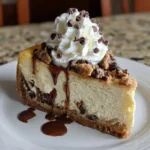
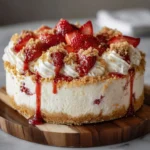
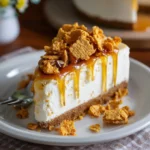
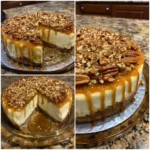
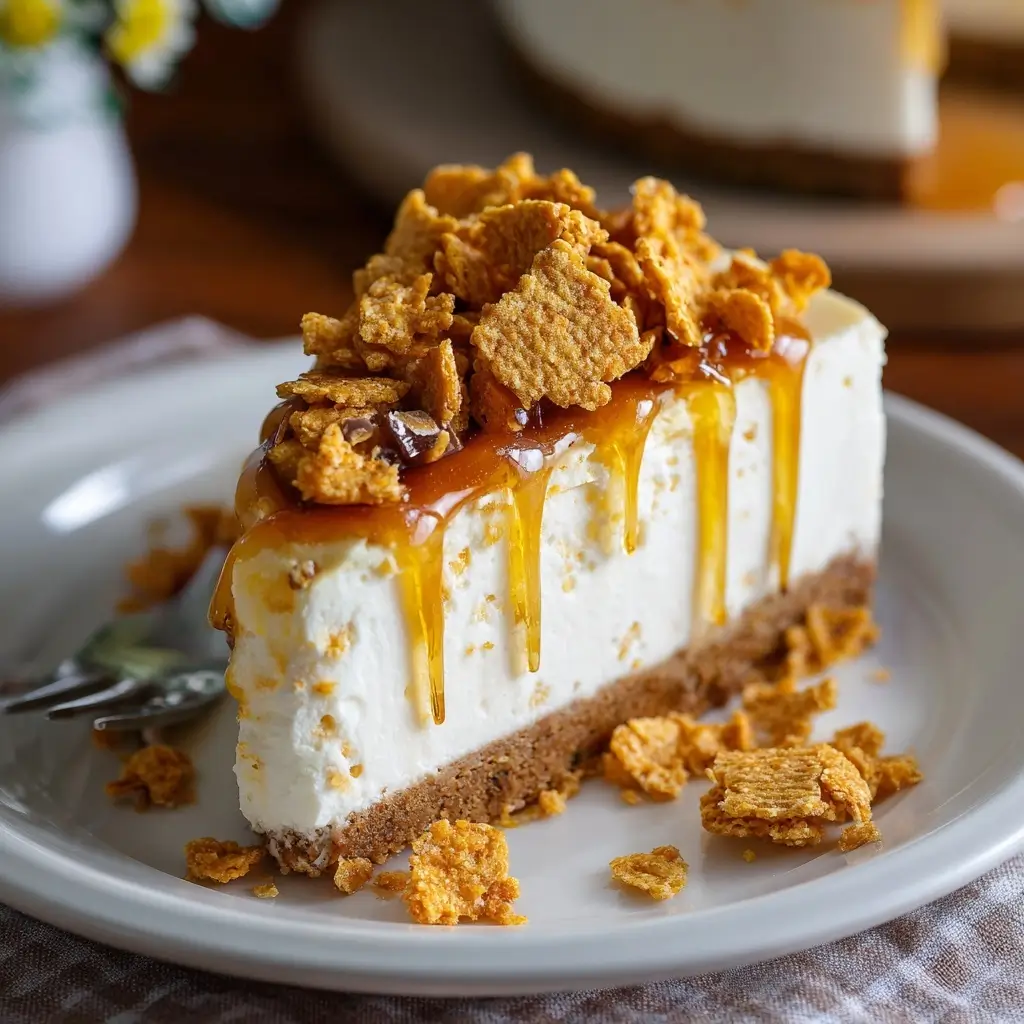
Welcome to the ultimate indulgence: Honeycomb Crunch Cheesecake — a luxurious fusion of creamy, velvety New York–style cheesecake and the electrifying, shatteringly crisp magic of homemade honeycomb toffee (also known as cinder toffee or sponge toffee). This isn’t just a dessert—it’s a multisensory experience. From the first visual impression of golden-brown honeycomb shards artfully scattered across a flawlessly smooth, ivory-colored cheesecake surface, to the audible *snap-crunch* as your fork breaks through the brittle candy layer, followed by the cool, dense richness of the cheesecake beneath, every bite delivers contrast, balance, and unforgettable texture interplay. Whether served at a celebratory dinner, a holiday gathering, or simply as a weekend treat for yourself, this Honeycomb Crunch Cheesecake elevates classic cheesecake into something truly spectacular—elegant yet approachable, nostalgic yet innovative, decadent yet surprisingly nuanced.
The History
The story of Honeycomb Crunch Cheesecake is one of delightful culinary convergence—spanning centuries, continents, and confectionery traditions. Cheesecake itself traces its origins back over 2,000 years to ancient Greece, where early versions made with fresh cheese, honey, and wheat were served to athletes at the first Olympic Games in 776 BCE. The Romans later adopted and refined it, spreading cheesecake across their empire. Modern American-style baked cheesecake—with its rich, dense, oven-baked structure—evolved in the late 19th and early 20th centuries, notably popularized by Arnold Reuben in New York City around 1920 and later perfected by chefs at iconic institutions like the Carnegie Deli and Junior’s Restaurant.
Honeycomb toffee, meanwhile, has equally storied roots. Though often associated with British and Australian confectionery (where it appears in favorites like Violet Crumble and Crunchie bars), its earliest documented recipes appear in 18th-century English cookbooks under names like “cinder toffee” and “hokey pokey.” Its signature airy, porous structure forms when baking soda reacts with hot sugar syrup, releasing carbon dioxide bubbles that instantly solidify upon cooling—a brilliant example of food chemistry in action. The marriage of these two icons—creamy, tangy cheesecake and effervescent, caramelized honeycomb—gained traction in the 2010s among pastry chefs and food bloggers seeking bold textural contrasts. It surged in popularity on platforms like Instagram and Pinterest not only for its photogenic appeal but also for its deeply satisfying sensory duality: the calm richness versus the joyful chaos of crunch. Today, Honeycomb Crunch Cheesecake stands as a beloved modern classic—a testament to how tradition and innovation can melt—and crack—perfectly together.
Ingredients Breakdown
Understanding each component is key to mastering this showstopping dessert. Below is a detailed, function-forward breakdown—not just *what* goes in, but *why* it matters:
- Graham Cracker Crust Base: Finely crushed graham crackers provide structure, subtle sweetness, and a gentle molasses-nutmeg warmth. Melted unsalted butter binds the crumbs and adds richness, while granulated sugar enhances browning and flavor depth. A pinch of fine sea salt balances sweetness and heightens all other flavors.
- Cream Cheese (Full-Fat, Block Style): The cornerstone of texture and tang. Use high-quality, full-fat brick-style cream cheese—never low-fat, spreadable, or whipped varieties. It must be softened to room temperature (65–70°F) to ensure smooth incorporation without lumps or excess air. Cold cream cheese leads to curdling; overheated or overly soft cheese can cause greasiness.
- Sour Cream & Heavy Cream: Sour cream contributes acidity, moisture, and a slight tang that cuts through richness, while also promoting tenderness. Heavy cream (36–40% fat) adds luxurious silkiness and helps create the signature dense-yet-velvety crumb. Together, they prevent the cheesecake from becoming chalky or dry.
- Granulated Sugar: Provides sweetness and structure. It dissolves into the batter to stabilize proteins and aid in smooth emulsification. Too little yields blandness; too much can interfere with setting and intensify browning.
- Eggs (Large, Room Temperature): Act as both binder and leavener. Their proteins coagulate during baking to set the cake, while yolks contribute fat and emulsifying lecithin for creaminess. Eggs must be added one at a time and fully incorporated before adding the next—this prevents overmixing and ensures even distribution.
- Vanilla Extract (Pure, Not Imitation): Enhances aromatic complexity and rounds out dairy notes. A splash of vanilla bean paste or scraped seeds adds visual speckling and deeper floral-custard nuance.
- Sea Salt (Fine, Uniodized): A critical “flavor amplifier.” Even ¼ tsp deepens sweetness, sharpens acidity, and unifies the entire profile—without tasting salty.
- Homemade Honeycomb Toffee: Made from granulated sugar, light corn syrup (for controlled crystallization), honey (for floral depth and chew resistance), water, and baking soda (the essential leavening agent). The precise timing of the baking soda addition—once the syrup reaches hard crack stage (300–310°F)—triggers rapid CO₂ release, creating the iconic porous, golden-brown matrix. Cooling completely before breaking ensures maximum snap.
- Optional Garnishes: Whipped crème fraîche or lightly sweetened sour cream for brightness; flaky Maldon sea salt for savory contrast; edible gold leaf for elegance; toasted hazelnuts or candied orange zest for aromatic variation.
Step-by-Step Recipe
- Prepare the Crust (Day Before or Morning Of): Preheat oven to 350°F (175°C). Pulse 1 ½ cups graham cracker crumbs (about 10 full sheets), ¼ cup granulated sugar, and ¼ tsp fine sea salt in a food processor until uniform. Add 6 tbsp melted unsalted butter and pulse until mixture resembles wet sand. Press firmly and evenly into the bottom and 1 inch up the sides of a 9-inch springform pan using the back of a measuring cup or flat-bottomed glass. Bake for 10 minutes until fragrant and lightly golden. Cool completely on a wire rack—do not refrigerate yet.
- Make the Honeycomb Toffee (Can Be Done Up to 5 Days Ahead): Line a large rimmed baking sheet with parchment paper—do not grease. In a heavy-bottomed 3-quart saucepan, combine 1 cup granulated sugar, ¼ cup light corn syrup, ¼ cup honey, and ¼ cup water. Stir gently to moisten sugar, then cover and bring to a simmer over medium heat for 3 minutes to dissolve crystals. Uncover, clip on a candy thermometer, and cook—without stirring—until mixture reaches 300°F (hard crack stage), about 8–12 minutes. Meanwhile, whisk 1 tsp baking soda with 1 tsp warm water until frothy. When syrup hits 300°F, immediately remove from heat and quickly whisk in baking soda mixture—mixture will foam violently and triple in volume. Pour onto prepared sheet, tilting gently to spread thinly. Cool completely at room temperature (≈1 hour), then break into irregular ½–1-inch shards. Store in an airtight container at room temperature.
- Prepare the Cheesecake Batter: Lower oven to 325°F (163°C). Wrap the *outside* of the cooled springform pan tightly with two overlapping layers of heavy-duty aluminum foil—this prevents water seepage during the water bath. In a large bowl, beat 24 oz (three 8-oz blocks) full-fat cream cheese with an electric mixer on medium-low until completely smooth and lump-free (≈2 minutes). Scrape down bowl thoroughly. Add 1 cup granulated sugar and beat 2 minutes more until glossy and airy. Add 1 cup full-fat sour cream and ½ cup heavy cream; beat 1 minute until homogenous. Add 1 tsp pure vanilla extract and ½ tsp fine sea salt; beat 30 seconds. Add eggs one at a time, beating on low just until yolk disappears (≈15 seconds per egg). Scrape bowl after each addition. Do *not* overmix—batter should be thick, smooth, and pourable, with no streaks or air bubbles.
- Bake Using the Water Bath Method: Place the foil-wrapped springform pan inside a larger roasting pan. Carefully pour the batter into the crust. Gently tap pan on counter 3 times to release air pockets. Place roasting pan on center oven rack. Pour boiling water into the roasting pan until it reaches halfway up the sides of the springform pan (≈1–1 ½ inches deep). Bake for 1 hour 15 minutes—edges should be set with a 3-inch wobble in the center. Turn off oven, crack door open 1 inch with a wooden spoon, and let cheesecake cool inside for 1 hour. Remove from water bath, run a thin knife around inner edge to loosen, then cool completely at room temperature (≈2 hours).
- Chill and Set Overnight: Refrigerate uncovered for *at least 12 hours*, preferably 16–24 hours. This slow, cold set is non-negotiable for clean slices, optimal texture, and full flavor development.
- Finish and Serve: Run warm knife around edge again. Release springform collar. Transfer cheesecake to serving plate. Generously scatter 1–1 ½ cups honeycomb shards over top, pressing gently so some adhere. Optional: dollop with ¼ cup lightly sweetened crème fraîche and a tiny pinch of flaky salt. Slice with a hot, dry knife wiped between cuts.
Tips
- Temperature Is Everything: All dairy ingredients—cream cheese, sour cream, heavy cream, eggs, and even butter for the crust—must be at true room temperature (65–70°F). Take them out 2–3 hours ahead. Cold ingredients cause lumps, curdling, and uneven mixing.
- Scrape Religiously: Use a flexible silicone spatula to scrape the bowl, beater, and sides of the pan after *every single step*. Missed cream cheese or egg leads to inconsistent texture and potential cracking.
- No-Stir Sugar Syrup: Once sugar mixture begins simmering, never stir—it encourages recrystallization and grainy honeycomb. If crystals form on the side of the pan, brush them down with a wet pastry brush.
- Thermometer Accuracy Matters: Calibrate your candy thermometer in boiling water (should read 212°F at sea level) before starting honeycomb. An inaccurate reading means failed toffee—either too soft or burnt.
- Water Bath Integrity: Foil wrap must be *tight, seamless, and double-layered*. Any leak ruins the cheesecake. Test by filling foil-wrapped pan with water before adding batter—if it holds, you’re safe.
- Patience in Cooling: Skipping the 1-hour oven cooldown invites thermal shock and dramatic cracking. Don’t rush it—even if it feels agonizing.
- Chill Time Is Non-Negotiable: Under-chilled cheesecake will slump, smear, and lack structural integrity. Overnight chilling allows proteins to fully relax and fats to re-solidify for perfect sliceability.
- Knife Technique: For flawless slices: dip a long, thin, non-serrated knife in very hot water, wipe dry, cut, then repeat. Never saw—press straight down.
- Honeycomb Storage Tip: Keep shards in an airtight container with a silica gel packet (or a small piece of parchment-wrapped rice) to absorb ambient moisture and preserve crunch for up to 5 days.
- Crust Reinforcement: For ultra-sturdy base, pre-bake crust 12 minutes instead of 10—and chill it for 20 minutes before adding batter. This prevents sogginess from the moist filling.
Variations and Customizations
This recipe is a stunning canvas—easily adapted for dietary needs, seasonal inspiration, or creative flair:
- Gluten-Free: Substitute gluten-free graham crackers or digestive biscuits (certified GF) for the crust. Ensure corn syrup and baking soda are GF-certified.
- Reduced-Sugar: Replace ¼ cup granulated sugar in batter with 2 tbsp monk fruit–erythritol blend (like Lakanto Golden); keep honey in honeycomb unchanged for proper reaction. Note: texture may be slightly denser.
- Lemon-Honeycomb: Add 2 tbsp finely grated lemon zest + 1 tbsp fresh lemon juice to batter with vanilla. Pair with honeycomb made with orange blossom honey for citrus harmony.
- Dark Chocolate Swirl: Melt 4 oz 70% dark chocolate with 1 tbsp coconut oil. After pouring batter, drizzle chocolate over top and drag a toothpick through in figure-eights before baking.
- Maple-Honeycomb: Replace honey in toffee with Grade B maple syrup for deeper, smokier caramel notes. Sprinkle finished cake with candied pecans.
- Earl Grey Infusion: Steep 2 Earl Grey tea bags in warm heavy cream for 10 minutes, strain, then use infused cream in batter. Top with bergamot-infused honeycomb.
- Stout-Infused: Reduce ½ cup Guinness or oatmeal stout to 2 tbsp syrup; cool, then stir into batter with vanilla. Pairs beautifully with coffee-rubbed honeycomb.
- No-Bake Version: Replace baked batter with no-bake filling: whip 24 oz cream cheese + 1 cup powdered sugar + 1 tsp vanilla + 1 cup cold heavy cream to stiff peaks. Fold in ½ cup crushed honeycomb. Chill 8 hours. Less stable but quicker.
- Mini Mason Jar Edition: Layer crust, no-bake filling, and honeycomb in 8-oz mason jars. Refrigerate 6+ hours. Perfect for parties or gifts.
- Vegan Adaptation: Use almond-macadamia “cream cheese” (soaked nuts + lemon + nutritional yeast), coconut cream, and agar-based honeycomb (using brown rice syrup + sodium bicarbonate + apple cider vinegar for acid activation).
Health Considerations and Nutritional Value
While Honeycomb Crunch Cheesecake is undeniably a celebration dessert—not intended for daily consumption—it’s valuable to understand its nutritional composition and mindful enjoyment strategies. Per standard slice (1/12 of recipe, approx. 220g), estimates are: Calories: 580–620 kcal | Total Fat: 42–46g (26–29g saturated) | Carbohydrates: 46–49g (40–43g sugars) | Protein: 8–10g | Sodium: 290–330mg.
Key Considerations:
- Sugar Density: Both the crust and honeycomb contain concentrated sugars. The honeycomb alone contributes ~25g added sugar per slice. Opt for raw honey and reduce granulated sugar in crust by 1 tbsp if desired.
- Saturated Fat Source: Primarily from full-fat dairy. While recent research nuances saturated fat’s role in heart health, moderation remains prudent—especially for those with familial hypercholesterolemia or existing cardiovascular conditions.
- Calcium & Protein Benefits: Provides ~15% DV calcium and 10g high-quality dairy protein per slice—supportive of bone and muscle health when consumed within balanced patterns.
- No Artificial Additives: This homemade version avoids preservatives, hydrogenated oils, artificial colors, or high-fructose corn syrup found in many commercial desserts—making it cleaner, though still energy-dense.
- Mindful Enjoyment Tips: Serve smaller portions (1/16 instead of 1/12); pair with antioxidant-rich berries; enjoy after a fiber- and protein-rich meal to moderate glycemic response; savor slowly—its complexity rewards attention, reducing likelihood of overconsumption.
- Allergen Notes: Contains dairy (milk, cream, cheese), eggs, wheat (in graham crackers), and honey (not for infants <12 months). Tree nuts can be added via garnish—clearly label if serving guests.
Remember: Nutrition is contextual. One slice fits beautifully within a varied, whole-foods-based diet—it’s the frequency, portion size, and overall dietary pattern that determine impact.
Ingredients
For the Graham Cracker Crust:
- 1 ½ cups (150g) graham cracker crumbs (about 10 full 2.5”x2.5” squares)
- ¼ cup (50g) granulated sugar
- ¼ tsp fine sea salt
- 6 tbsp (85g) unsalted butter, melted
For the Honeycomb Toffee:
- 1 cup (200g) granulated sugar
- ¼ cup (60ml) light corn syrup
- ¼ cup (60ml) mild-flavored honey (e.g., clover or acacia)
- ¼ cup (60ml) water
- 1 tsp baking soda
- 1 tsp warm water (for dissolving baking soda)
For the Cheesecake Filling:
- 24 oz (680g) full-fat brick-style cream cheese, room temperature
- 1 cup (200g) granulated sugar
- 1 cup (240g) full-fat sour cream, room temperature
- ½ cup (120ml) heavy cream (36–40% fat), room temperature
- 1 tsp pure vanilla extract
- ½ tsp fine sea salt
- 4 large eggs, room temperature
For Garnish (Optional but Recommended):
- ¼ cup (60g) lightly sweetened crème fraîche or sour cream
- Flaky sea salt (e.g., Maldon), for finishing
- Additional honeycomb shards, for extra crunch
Directions
- Preheat oven to 350°F (175°C). Pulse graham crackers in food processor until fine crumbs form. Add sugar and salt; pulse to combine. Pour in melted butter and pulse until mixture resembles wet sand. Press firmly into bottom and 1 inch up sides of 9-inch springform pan. Bake 10 minutes until golden and fragrant. Cool completely on wire rack.
- Line a large rimmed baking sheet with parchment paper. In heavy-bottomed 3-quart saucepan, combine sugar, corn syrup, honey, and water. Stir gently to moisten sugar. Cover and bring to simmer over medium heat for 3 minutes. Uncover, attach candy thermometer, and cook—without stirring—until mixture reaches 300°F (149°C), 8–12 minutes. Meanwhile, whisk baking soda with 1 tsp warm water until frothy.
- When syrup hits 300°F, immediately remove from heat and quickly whisk in baking soda mixture. Foam will rise dramatically—work swiftly. Pour onto parchment-lined sheet and tilt gently to spread. Cool completely (≈1 hour). Break into shards; store in airtight container.
- Reduce oven to 325°F (163°C). Wrap outside of cooled springform pan with two layers heavy-duty foil. In large bowl, beat cream cheese on medium-low until smooth (2 min). Add sugar; beat 2 min until glossy. Add sour cream and heavy cream; beat 1 min. Add vanilla and salt; beat 30 sec. Add eggs one at a time, beating just until incorporated (15 sec each). Scrape bowl thoroughly after each step.
- Place foil-wrapped pan in large roasting pan. Pour batter into crust. Tap pan sharply on counter 3 times. Place roasting pan on center oven rack. Carefully pour boiling water into roasting pan until halfway up springform sides. Bake 1 hour 15 minutes—center should jiggle like set Jell-O. Turn off oven, crack door open 1”, and cool 1 hour.
- Remove from water bath. Run thin knife around edge. Cool completely at room temperature (2 hours). Refrigerate uncovered 16–24 hours.
- To serve: Run warm knife around edge. Release collar. Transfer to plate. Top generously with honeycomb shards. Optional: add dollops of crème fraîche and flaky salt. Slice with hot, dry knife.
FAQ
- Why does my honeycomb turn out chewy instead of crunchy?
- Chewiness usually results from undercooking—the syrup didn’t reach true hard crack stage (300–310°F). Alternatively, humidity or improper storage (exposure to air/moisture) causes absorption. Always use a calibrated thermometer and store in airtight container with desiccant.
- Can I make this without a water bath?
- You can—but it’s strongly discouraged. Without the humid, gentle heat of the water bath, the cheesecake is far more likely to crack, dry out, or bake unevenly. If determined, lower oven temp to 300°F and extend bake time by 15–20 minutes—but expect higher risk of surface fissures.
- My cheesecake cracked on top. Can I fix it?
- Absolutely! Cracks are purely cosmetic. Generously cover with honeycomb shards—they’ll hide cracks *and* add crunch. Or pipe crème fraîche rosettes over imperfections. Texture remains unaffected.
- Can I freeze Honeycomb Crunch Cheesecake?
- Yes—unfrosted, well-wrapped. Freeze whole or sliced (place parchment between slices). Thaw overnight in fridge, then bring to cool room temperature 30 minutes before serving. Honeycomb is best added *after* thawing to preserve crunch.
- What if I don’t have corn syrup?
- Corn syrup prevents sugar crystallization—critical for smooth honeycomb. Substitutes include glucose syrup or 1 tbsp lemon juice + 1 tbsp light corn syrup (acid helps invert sugar). Avoid honey-only or maple-only versions—they often crystallize or burn.
- Can I use low-fat cream cheese?
- No. Low-fat or whipped cream cheeses contain stabilizers, gums, and excess water that disrupt emulsion, cause weeping, and yield a rubbery, unstable texture. Full-fat block cream cheese is essential.
- How do I prevent the crust from sticking to the pan?
- Ensure foil wrap is tight and double-layered. Also, lightly grease the *bottom* of the springform pan *before* wrapping in foil—then line with parchment round cut to fit perfectly. This creates a foolproof release system.
- Is there a way to make honeycomb less sweet?
- Not significantly—sugar is structurally necessary. However, using darker, more robust honeys (e.g., buckwheat) or adding ¼ tsp flaky salt *to the syrup* before baking soda can balance perceived sweetness.
- Can I prepare components ahead?
- Yes! Crust can be baked and stored airtight 3 days ahead. Honeycomb keeps crisp 5 days at room temp. Batter can be mixed (except eggs) and refrigerated 8 hours; add eggs just before baking. Fully baked & chilled cheesecake freezes beautifully for 2 months.
- Why does my cheesecake taste eggy?
- Overmixing after adding eggs incorporates too much air, causing sulfur compounds to develop during baking. Always mix eggs on lowest speed, stop as soon as combined, and avoid overbeating. Also ensure eggs are truly room temperature—not warm.
Summary
Honeycomb Crunch Cheesecake is a masterclass in contrast—silky, tangy, oven-baked New York style meets explosively crisp, golden-brown, handmade honeycomb toffee—crafted with precision, patience, and respect for both tradition and texture science.
With its make-ahead flexibility, endless customization options, and showstopping presence, it transforms any occasion into a moment of pure, resonant delight—where every snap, swirl, and slice tells a story of balance, craftsmanship, and joyful indulgence.