Introduction
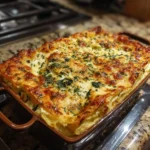
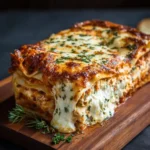
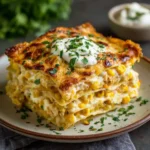
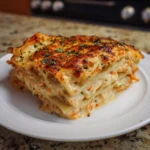
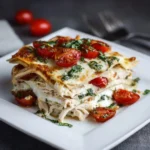
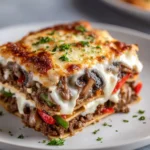
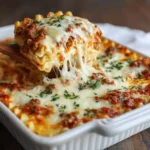
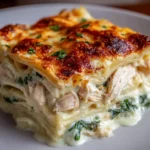
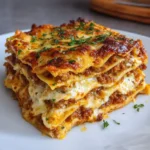
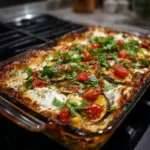
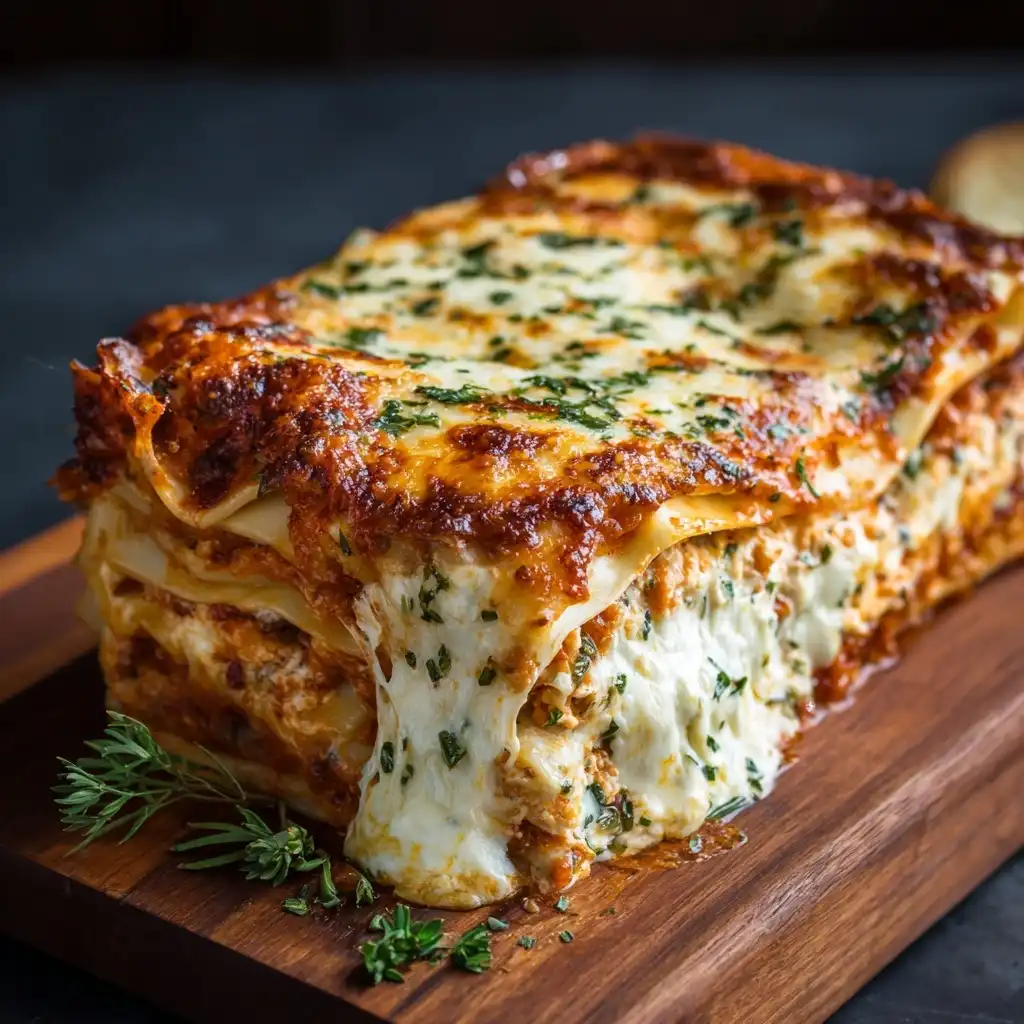
Italian Herb Ricotta Lasagna is a soul-warming, aromatic twist on the beloved Italian classic—elevated with a vibrant blend of fresh and dried herbs, creamy house-seasoned ricotta, and layers of tender pasta, rich tomato sauce, and melted mozzarella. Unlike traditional versions that rely heavily on meat or béchamel, this rendition celebrates the bright, earthy, and subtly floral notes of Italian herbs—rosemary, oregano, basil, thyme, marjoram, and parsley—harmonizing with the mild sweetness of ricotta and the umami depth of aged Parmigiano-Reggiano. It’s a lasagna designed for both everyday comfort and special occasions: elegant enough for Sunday dinner with guests, yet approachable enough for weeknight cooking with thoughtful shortcuts. Whether you’re a seasoned home cook or new to layered pasta bakes, this recipe balances authenticity with accessibility—honoring time-honored techniques while embracing modern flexibility in ingredients, timing, and dietary preferences.
The History
Lasagna’s origins trace back over 800 years—to 13th-century England, where a dish called “losenge” appeared in the medieval cookbook The Forme of Cury, featuring layered pasta sheets with spiced sauces. However, the form we recognize today—baked, cheese-enriched, and herb-forward—evolved in Renaissance-era Italy, particularly in Emilia-Romagna and Campania. Early versions used flour-and-water dough sheets layered with grated cheese (often ricotta or ricotta salata), spinach, and herbs—reflecting the region’s agrarian abundance and monastic culinary traditions. The iconic tomato-based red sauce didn’t enter the repertoire until after tomatoes were introduced from the Americas in the 16th century—and even then, widespread adoption took centuries due to initial skepticism about their safety. By the late 1800s, “lasagne al forno” had become a fixture in Italian family kitchens, especially during holidays like Christmas Eve and Easter. The ricotta layer emerged as a regional hallmark—most notably in Southern Italy and among Italian-American communities—where it replaced heavier béchamel or added luxurious creaminess alongside eggs and cheese. The intentional incorporation of *Italian herbs* as a defining flavor pillar, rather than just background seasoning, gained momentum in the mid-to-late 20th century, influenced by the Slow Food movement, renewed interest in regional Italian terroir, and American chefs spotlighting herb gardens and farm-to-table freshness. Today, Italian Herb Ricotta Lasagna stands as a bridge between heritage and innovation—a testament to how deeply flavor, memory, and botanical tradition are woven into every bite.
Ingredients Breakdown
Every component in this lasagna plays a deliberate role—not just in taste, but in texture, moisture balance, structural integrity, and aromatic complexity. Below is an in-depth exploration of each ingredient category:
Pasta Sheets
- No-boil lasagna noodles: Engineered to absorb liquid directly in the oven, eliminating pre-cooking. Their precise starch content ensures even softening without mushiness—especially critical when paired with the relatively low-moisture ricotta filling. Look for brands made with durum wheat semolina for optimal chew and layer separation.
- Alternative: Fresh pasta sheets (½ mm thick): Offer superior tenderness and silkiness. Must be layered with slightly more sauce to compensate for higher water absorption. Ideal for artisanal or celebratory preparations.
- Gluten-free option: Brown rice or lentil-based no-boil noodles work well—but require 5–10 minutes extra baking time and benefit from a light pre-soak in warm milk to hydrate starches.
Ricotta Base
- Whole-milk ricotta (2 cups, drained): The heart of the dish. Must be well-drained (overnight in cheesecloth over a bowl) to prevent watery layers. Whole-milk provides fat-soluble richness that carries herb oils and binds seamlessly with egg.
- Egg (1 large): Acts as a binder and leavening agent—helping the ricotta layer puff slightly and set firmly without cracking.
- Grated Parmigiano-Reggiano (¾ cup, finely grated): Adds nutty umami, saltiness, and granular structure. Authentic DOP-certified Parmigiano is non-negotiable for depth; avoid pre-grated “Parmesan” with anti-caking agents.
- Freshly ground black pepper & sea salt: Enhance herbal brightness and balance dairy sweetness. Salt also helps draw out residual moisture from ricotta during mixing.
Herb Ensemble (The Signature Element)
- Fresh basil (¼ cup, chiffonade): Sweet, peppery, and anise-tinged—adds lift and vibrancy. Added at the end of mixing to preserve volatile oils.
- Fresh flat-leaf parsley (¼ cup, finely chopped): Earthy, grassy, and clean—provides chlorophyll-rich contrast and visual freshness.
- Fresh oregano (1 tbsp, leaves only): Robust, camphorous, and slightly bitter—anchors the herb profile with Mediterranean character.
- Dried rosemary (1 tsp, finely crumbled): Piney and resinous—intensifies during baking, lending backbone and warmth. Must be crushed to release oils.
- Dried marjoram (1 tsp): Delicate cousin to oregano—floral, citrusy, and honeyed—softens rosemary’s intensity.
- Dried thyme (½ tsp, leaves only): Earthy, lemony, and subtly minty—blends seamlessly, adding aromatic complexity without dominance.
- Optional enhancement: Lemon zest (from ½ lemon): Brightens all herbs and cuts through ricotta’s richness—highly recommended for balance.
Tomato Sauce
- San Marzano DOP crushed tomatoes (28 oz can): Low-acid, sweet, velvety, and seedless—ideal base. Never substitute with generic “tomato sauce” or paste-heavy blends.
- Extra-virgin olive oil (3 tbsp): Used for sautéing aromatics and finishing—preferably a medium-fruity, peppery Tuscan or Sicilian oil.
- Yellow onion (1 small, finely diced): Sweetness builds foundation; slow-sautéed until translucent (not browned) to avoid bitterness.
- Garlic (4 cloves, minced): Added in final minute of sauté—prevents burning and preserves pungency.
- Tomato paste (2 tbsp): Concentrated umami and deep red color—cooked 2 minutes with onions to caramelize and mellow acidity.
- Dry red wine (½ cup Chianti or Sangiovese): Deglazes pan, adds tannic structure, and evaporates fully—leaving only aromatic complexity.
- Bay leaf (1), fennel seeds (½ tsp, lightly crushed), and pinch of red pepper flakes: Traditional Italian “soffritto” enhancements—add subtle licorice warmth and gentle heat.
- Simmer time: Minimum 45 minutes uncovered—reduces water, concentrates flavor, and melds herbs into the matrix.
Cheese Topping & Layering
- Mozzarella di bufala or low-moisture mozzarella (2 cups, shredded): Provides stretch, golden blistering, and milky sweetness. Bufala adds luxury; low-moisture offers reliable melt and browning.
- Ricotta salata (¼ cup, crumbled): Salty, firm, and tangy—sprinkled over top layer before baking for textural contrast and briny punctuation.
- Fresh basil leaves (for garnish): Added post-bake for aromatic pop and visual appeal.
Step-by-Step Recipe
This method prioritizes precision, patience, and layered intentionality—from mise en place to resting. Total hands-on time: ~75 minutes. Active baking: 55 minutes. Resting: 25 minutes (non-negotiable).
Step 1: Prepare the Tomato Sauce (Start First — 50 minutes)
- Heat olive oil in a heavy-bottomed Dutch oven over medium-low heat. Add diced onion and a pinch of salt. Sauté gently for 10 minutes until soft and translucent—do not brown.
- Add minced garlic and cook 1 minute until fragrant.
- Stir in tomato paste and cook 2 minutes, stirring constantly, until it darkens slightly and coats the onions.
- Pour in red wine, scraping up browned bits. Simmer 3 minutes until alcohol evaporates.
- Add crushed San Marzano tomatoes, bay leaf, fennel seeds, red pepper flakes, and ½ tsp black pepper. Bring to a gentle simmer.
- Reduce heat to low. Partially cover and simmer uncovered for 45 minutes, stirring every 10 minutes. Sauce should thicken to coat the back of a spoon—no pooling liquid. Discard bay leaf. Cool slightly (15 minutes) before using.
Step 2: Drain & Prep Ricotta (Do While Sauce Simmers — 15 minutes active + overnight passive)
- If not pre-drained: Line a fine-mesh sieve with 3 layers of cheesecloth. Place over a bowl. Add ricotta, cover with remaining cloth, and refrigerate overnight (or at least 8 hours). Discard whey.
- In a large bowl, combine drained ricotta, egg, grated Parmigiano-Reggiano, salt, and black pepper. Whisk vigorously for 2 minutes until smooth and slightly airy.
- Gently fold in ALL fresh herbs (basil, parsley, oregano) and lemon zest.
- Finally, fold in dried herbs (rosemary, marjoram, thyme)—crumbling them between fingers as you add. Cover and refrigerate 30 minutes to let flavors marry.
Step 3: Assemble the Lasagna (20 minutes)
- Preheat oven to 375°F (190°C). Grease a 9×13-inch glass or ceramic baking dish (not metal—metal conducts heat too aggressively) with olive oil or butter.
- Spoon 1 cup of cooled tomato sauce into the bottom of the dish. Spread evenly with an offset spatula.
- Layer 4 no-boil noodles side-by-side (slight overlap OK). Press gently to submerge in sauce.
- Spread ⅓ of ricotta mixture (about 1¾ cups) evenly over noodles. Dollop 1 cup sauce over ricotta. Smooth gently—do not stir.
- Repeat: Noodles → ricotta → sauce → (2nd layer).
- Third layer: Noodles → remaining ricotta → remaining sauce (reserve ½ cup for final top layer).
- Final noodle layer: 4 noodles. Press down. Pour reserved ½ cup sauce over top. Smooth.
- Sprinkle evenly with shredded mozzarella and crumbled ricotta salata.
Step 4: Bake with Precision (55 minutes)
- Cover tightly with aluminum foil (tent slightly to prevent cheese sticking). Bake 35 minutes.
- Remove foil. Rotate dish 180°. Bake uncovered 15–20 minutes until edges bubble vigorously, top is golden and blistered in spots, and internal temperature reads 165°F (74°C) at center.
- If top browns too quickly, loosely tent with foil again for final 5 minutes.
Step 5: Rest — The Most Critical Step (25 minutes minimum)
- Remove from oven. Place on a wire rack. Let rest—undisturbed—at room temperature for full 25 minutes. This allows starches to set, cheeses to re-emulsify, and layers to cohere. Cutting too soon = soupy, separated slices.
- Just before serving, garnish with additional fresh basil leaves and a drizzle of high-quality olive oil.
Tips
- Drain ricotta religiously: Even “dry” ricotta holds excess whey. Skipping this step guarantees a watery, collapsed lasagna. Overnight in cheesecloth is gold standard.
- Use room-temperature ricotta mixture: Cold ricotta won’t spread evenly and may tear noodles. Remove from fridge 30 minutes before assembling.
- Don’t skip the wine in sauce: It’s not for alcohol—it’s for acidity, fruit, and tannin structure that balances tomato’s natural sharpness.
- Undercook the sauce slightly: It will continue reducing in the oven. If sauce looks thick before assembly, stir in 2 tbsp water or broth.
- Press noodles gently: Ensures full contact with sauce for hydration and prevents dry pockets.
- Rotate the dish: Ovens have hot spots. Rotating at foil-removal stage ensures even browning.
- Resting is non-negotiable: 25 minutes is minimum. For best slice integrity, wait 35–40 minutes. The flavors deepen significantly during rest.
- For crisper edges: After removing foil, run a thin knife around perimeter to loosen—then return to oven uncovered for last 5 minutes.
- Make-ahead magic: Fully assemble (unbaked) up to 24 hours ahead. Refrigerate covered. Add 10 minutes to covered bake time.
- Freeze smart: Freeze unbaked, tightly wrapped in foil + freezer bag, up to 3 months. Thaw overnight in fridge, then bake as directed (add 15 minutes covered).
Variations and Customizations
This recipe is a canvas—designed to adapt gracefully to seasons, pantries, and palates—without sacrificing its herbal soul.
Vegetarian & Vegan Adaptations
- Spinach & Herb Ricotta: Fold 10 oz thawed, squeezed-dry chopped spinach into ricotta mixture. Adds iron, color, and earthy sweetness.
- Roasted Vegetable Lasagna: Layer 2 cups roasted zucchini, eggplant, bell peppers, and red onion between ricotta and sauce layers. Toss veggies in herb-infused oil before roasting.
- Vegan Version: Substitute cashew ricotta (soaked raw cashews + lemon juice + nutritional yeast + herbs + garlic), lentil-walnut “meat” sauce, and vegan mozzarella shreds. Use gluten-free noodles.
Protein Enrichments
- Italian Sausage Lasagna: Brown 1 lb mild Italian sausage with fennel seeds and onion; drain fat. Stir into tomato sauce during last 10 minutes of simmer.
- Chicken & Herb Lasagna: Shred 2 cups rotisserie chicken. Mix half into ricotta, layer remaining into sauce. Add ¼ tsp poultry seasoning to herbs.
- Seafood Twist (Naples-Inspired): Fold 1 cup cooked, chopped clams or shrimp into ricotta. Use white wine in sauce instead of red; add 1 tsp saffron threads infused in 2 tbsp warm broth.
Herb & Regional Twists
- Ligurian Pesto Swirl: Swirl ¼ cup basil pesto into ricotta before layering. Top with pine nuts.
- Sicilian Almond & Mint: Replace marjoram with 1 tbsp toasted slivered almonds and 1 tsp fresh mint. Garnish with orange zest.
- Tuscan Rosemary-Garlic: Double rosemary, add 2 extra minced garlic cloves to ricotta, and finish with roasted garlic confit.
- Calabrian Heat: Add 1 tbsp Calabrian chile paste to ricotta and 1 tsp to sauce. Garnish with chili oil.
Texture & Presentation Upgrades
- Crumb Topping: Mix ½ cup panko, 2 tbsp melted butter, 2 tbsp grated Parmigiano, and 1 tsp dried oregano. Sprinkle over cheese before final uncovered bake.
- Individual Ramekins: Assemble in 6 oz oven-safe ramekins. Bake 30–35 minutes covered, 10 uncovered. Perfect for portion control or gifting.
- Deconstructed “Lasagna Cups”: Layer sauce, ricotta, noodles (cut into strips), and cheese in mason jars. Bake 40 minutes. Serve chilled or room temp.
Health Considerations and Nutritional Value
A 1-serving portion (1/12th of 9×13 dish, approx. 1.5″ x 4″) contains approximately:
- Calories: 385 kcal
- Protein: 22 g (excellent source—ricotta, mozzarella, Parmigiano)
- Fat: 21 g (mostly unsaturated from olive oil and dairy; 11 g saturated)
- Carbohydrates: 26 g (10 g from noodles, 4 g fiber from herbs/tomatoes)
- Sodium: 520 mg (moderate—reduced by omitting added salt in ricotta and using low-sodium tomato product)
- Vitamins & Minerals: Rich in calcium (45% DV), vitamin A (28% DV from tomatoes/basil), vitamin K (35% DV from herbs), and antioxidants (lycopene, rosmarinic acid, apigenin).
Health Highlights:
- Herbs as Functional Foods: Rosemary contains carnosic acid (neuroprotective); oregano has potent antimicrobial thymol; basil delivers eugenol (anti-inflammatory); parsley is exceptionally high in vitamin K and apiol (supports detox pathways).
- Dairy Benefits: Ricotta provides whey protein (fast-absorbing, muscle-supportive) and conjugated linoleic acid (CLA), linked to metabolic health. Fermented cheeses like Parmigiano aid digestion via probiotic enzymes.
- Tomato Power: San Marzano tomatoes offer 3x more lycopene than standard varieties—bioavailability boosted by olive oil’s fats.
- Considerations: Naturally gluten-containing (use certified GF noodles if needed); moderate sodium—control via low-salt cheese choices and no-added-salt tomato products; lactose-sensitive? Ricotta and aged cheeses are very low-lactose.
- Heart-Healthy Swap: Replace half the ricotta with whipped silken tofu + lemon juice + nutritional yeast for reduced saturated fat and added plant protein.
Ingredients
Makes 12 servings
- 1 (16 oz) box no-boil lasagna noodles (or 12 fresh pasta sheets, ~3×12 inches)
- 2 (15 oz) containers whole-milk ricotta cheese (drained overnight—see Tips)
- 1 large egg
- 1 cup finely grated Parmigiano-Reggiano cheese (DOP preferred)
- 1 tsp fine sea salt, plus more to taste
- 1 tsp freshly ground black pepper
- ¼ cup fresh basil leaves, chiffonade
- ¼ cup fresh flat-leaf parsley, finely chopped
- 1 tbsp fresh oregano leaves, finely chopped
- 1 tsp dried rosemary, finely crumbled
- 1 tsp dried marjoram
- ½ tsp dried thyme leaves
- Zest of ½ lemon
- 2 (28 oz) cans San Marzano DOP crushed tomatoes
- 3 tbsp extra-virgin olive oil, plus more for greasing
- 1 small yellow onion, finely diced
- 4 garlic cloves, minced
- 2 tbsp tomato paste
- ½ cup dry red wine (Chianti or Sangiovese)
- 1 bay leaf
- ½ tsp fennel seeds, lightly crushed
- Pinch red pepper flakes
- 2 cups shredded low-moisture mozzarella cheese
- ¼ cup ricotta salata, crumbled
- Additional fresh basil leaves and olive oil for garnish
Directions
- Prepare the Sauce: In a heavy Dutch oven over medium-low heat, warm olive oil. Add onion and a pinch of salt; sauté 10 minutes until soft. Add garlic; cook 1 minute. Stir in tomato paste; cook 2 minutes. Pour in wine; simmer 3 minutes. Add crushed tomatoes, bay leaf, fennel seeds, red pepper flakes, and ½ tsp black pepper. Simmer uncovered 45 minutes, stirring every 10 minutes, until thickened. Discard bay leaf. Cool 15 minutes.
- Prepare Ricotta Filling: In a large bowl, whisk drained ricotta, egg, Parmigiano, salt, and pepper until smooth (2 min). Gently fold in fresh herbs and lemon zest. Fold in dried herbs. Refrigerate 30 minutes.
- Preheat & Prep Dish: Preheat oven to 375°F (190°C). Grease a 9×13-inch baking dish with olive oil.
- Assemble: Spread 1 cup sauce in dish. Layer 4 noodles. Spread ⅓ ricotta (1¾ cups). Dollop 1 cup sauce. Repeat twice. Top with final 4 noodles, remaining sauce (½ cup), mozzarella, and ricotta salata.
- Bake Covered: Cover tightly with foil. Bake 35 minutes.
- Bake Uncovered: Remove foil, rotate dish. Bake 15–20 minutes until bubbling and golden.
- Rest: Let stand 25 minutes before cutting. Garnish with basil and olive oil.
FAQ
- Can I use cottage cheese instead of ricotta?
- Yes—but texture and flavor differ significantly. Blend 2 cups low-fat cottage cheese with ¼ cup cream cheese, 1 tbsp lemon juice, and a pinch of nutmeg until smooth. Drain 30 minutes. Expect a lighter, tangier result.
- Why does my ricotta layer separate or weep?
- Nearly always due to insufficient draining. Even “dry” ricotta releases whey when heated. Overnight cheesecloth drainage is essential. Also ensure sauce is fully cooled before layering—heat triggers curdling.
- Can I make this gluten-free?
- Absolutely. Use certified GF no-boil noodles (brown rice or quinoa-based). Increase covered bake time by 10–12 minutes. Test doneness with a toothpick—it should slide easily through noodles with no resistance.
- How do I prevent soggy bottom layers?
- Three keys: (1) Drain ricotta thoroughly, (2) Use thick, reduced sauce—not thin “pasta sauce,” (3) Start with a generous, even base layer of sauce (1 cup minimum) and press first noodles down to saturate.
- Can I prepare this the day before?
- Yes! Assemble completely (unbaked), cover tightly with plastic wrap + foil, and refrigerate up to 24 hours. Remove plastic, replace foil, and bake—adding 10 minutes to covered time.
- What wine pairs best with this lasagna?
- A medium-bodied, high-acid Italian red complements the herbs and tomatoes beautifully: Chianti Classico, Barbera d’Asti, or Montepulciano d’Abruzzo. For white lovers, try a crisp Vermentino or barrel-aged Pinot Grigio.
- How long does leftover