Introduction
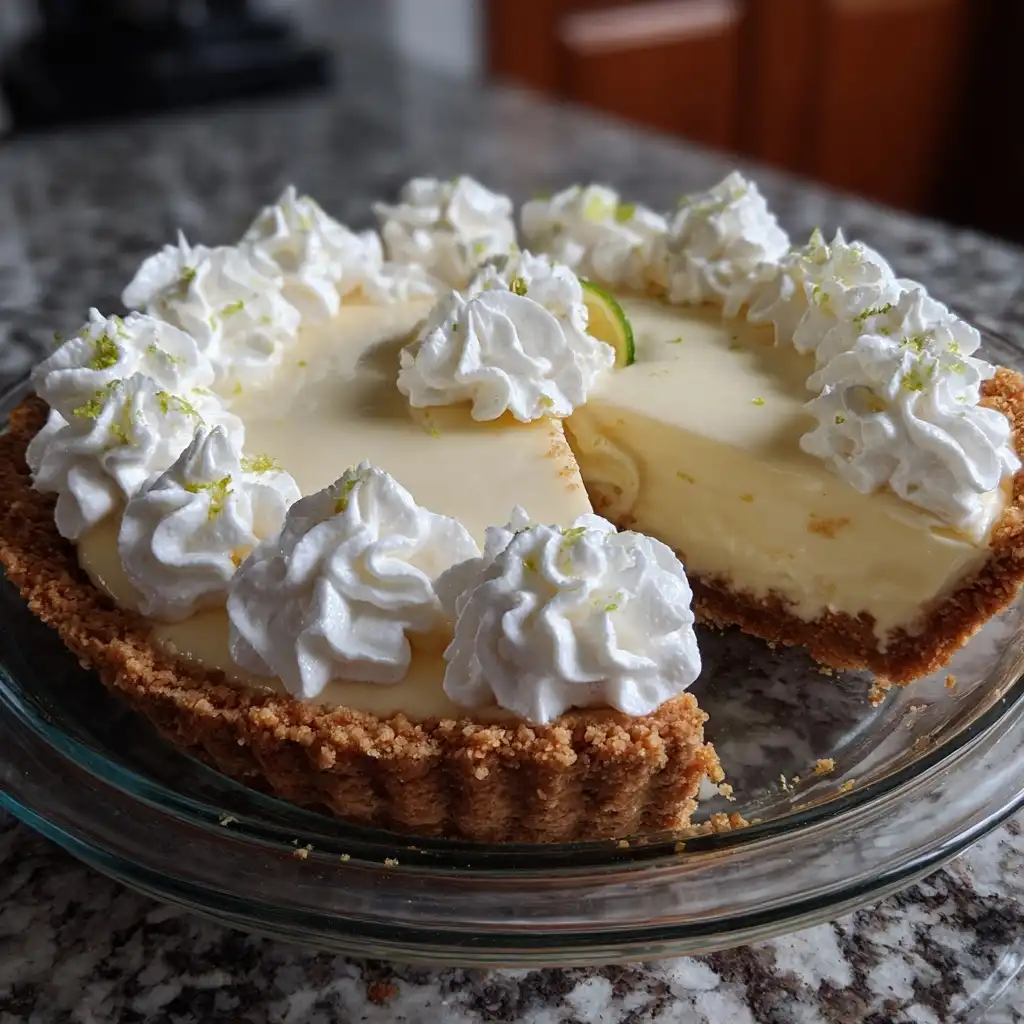
Key Lime Pie is more than just a dessert—it’s a sun-drenched slice of Florida Keys heritage, a zesty, creamy, and refreshingly tart confection that evokes salt-kissed breezes, turquoise waters, and the tangy perfume of tropical citrus. Revered for its vibrant acidity, velvety texture, and deceptively simple construction, this iconic American pie has transcended regional roots to become a beloved staple in bakeries, fine-dining menus, and home kitchens across the globe. Unlike conventional lime pies made with generic Persian limes, authentic Key Lime Pie relies exclusively on the small, aromatic, yellow-tinged Citrus aurantiifolia native to the Florida Keys—whose uniquely high acidity, floral undertones, and golden juice yield an unparalleled depth of flavor impossible to replicate with substitutes. Whether served chilled atop a graham cracker crust or adorned with clouds of whipped cream and lime zest, Key Lime Pie delivers a perfect balance of sweet, sour, and rich—a timeless dessert that feels both indulgent and invigorating.
The History
The origins of Key Lime Pie are steeped in folklore, practicality, and the resourceful ingenuity of early Florida Keys residents. While no single “inventor” is documented, the pie emerged organically in the late 19th and early 20th centuries among sponge fishermen, sailors, and homesteaders who lived in remote island communities where refrigeration was nonexistent and fresh dairy spoiled rapidly. Key limes—introduced to the region by Spanish explorers and later cultivated by Bahamian immigrants—grew prolifically in the Keys’ sandy, alkaline soil. Their intense acidity acted as a natural preservative, enabling cooks to “cook” egg yolks without heat through acid coagulation—a technique borrowed from Latin American leche quemada and Caribbean lime curd traditions. Early versions likely consisted of condensed milk (a shelf-stable innovation patented by Gail Borden in 1856), egg yolks, and freshly squeezed Key lime juice poured into a rudimentary crumb crust—often made from crushed crackers or biscuits—and left to set at room temperature. The first known printed recipe appeared in 1931 in the Key West Citizen, attributed to a local chef at the famed Blondie’s Restaurant. By the 1940s, it had been adopted by the Borden Company as a promotional item for Eagle Brand Sweetened Condensed Milk, cementing its national reputation. In 1987, the Florida Legislature officially designated Key Lime Pie as the state’s “official pie”—a symbolic nod to its cultural resonance and economic impact on tourism and agriculture. Today, despite challenges posed by citrus greening disease threatening native Key lime groves, artisanal growers and culinary historians continue to champion heirloom varieties and traditional methods, ensuring the pie remains a living artifact of Floridian identity.
Ingredients Breakdown
Every element in an authentic Key Lime Pie plays a precise, non-negotiable role—not only for flavor but for chemical functionality and structural integrity:
- Key Limes (freshly squeezed juice and zest): Approximately 20–24 small, yellow-green Key limes yield ~½ cup (120 ml) of juice and 1–2 tsp of finely grated zest. Their low pH (~2.0–2.4) triggers protein denaturation in egg yolks, thickening the filling naturally; their volatile oils (limonene, β-pinene) impart bright, floral, slightly bitter top notes absent in Persian limes. Bottled juice is discouraged—it lacks enzymatic freshness and often contains preservatives that inhibit proper setting.
- Sweetened Condensed Milk: One 14-oz (397 g) can provides sweetness, richness, viscosity, and lactose-driven tenderness. Its concentrated milk proteins and reduced water content allow acid-induced thickening without curdling. Substitutes like evaporated milk + sugar or coconut condensed milk alter pH balance and fat structure, risking graininess or weeping.
- Egg Yolks (large, pasteurized if serving to vulnerable populations): Typically 4 large yolks—rich in lecithin and lipoproteins—act as emulsifiers, binding fat and water while contributing to silkiness and golden hue. Whole eggs introduce excess water and albumin, which may cause rubberiness or shrinkage during chilling.
- Graham Cracker Crust: 1 ½ cups (150 g) finely crushed graham crackers (about 12 full sheets), 6 tbsp (85 g) unsalted butter (melted), and ¼ cup (50 g) granulated sugar. The crust must be pre-baked (“blind baked”) at 375°F (190°C) for 8–10 minutes to prevent sogginess and develop nutty caramelization. Honey or cinnamon graham variants add complexity but may overpower delicate lime notes.
- Optional Enhancements: A pinch of sea salt (0.25 g) heightens all flavors; 1 tsp pure vanilla extract (added after mixing) rounds acidity; 1 tbsp cold unsalted butter (whisked in post-cooking) adds gloss and mouthfeel. Whipped cream topping should be stabilized with 1 tsp powdered sugar and ½ tsp cornstarch per cup to resist melting.
Step-by-Step Recipe
- Prepare the Crust: Preheat oven to 375°F (190°C). In a food processor or zip-top bag, crush graham crackers into fine, sand-like crumbs. Transfer to a bowl; stir in sugar and melted butter until evenly moistened and clumping when pinched. Press firmly and evenly into a 9-inch (23 cm) standard pie plate, covering bottom and up the sides to a ¼-inch (6 mm) thickness. Use the bottom of a measuring cup for compaction. Bake for 8–10 minutes until fragrant and lightly golden. Cool completely on a wire rack—minimum 30 minutes—before filling.
- Extract Lime Juice & Zest: Roll Key limes firmly on the countertop to soften membranes. Cut in half crosswise and juice using a hand reamer or citrus press—avoid blenders or electric juicers, which aerosolize bitter pith oils. Strain juice through a fine-mesh sieve to remove pulp and seeds. Finely grate zest from 4–6 limes using a microplane, avoiding white pith.
- Mix Filling: In a large stainless-steel or glass bowl (never aluminum, which reacts with acid), whisk condensed milk until smooth. Add egg yolks one at a time, whisking vigorously for 30 seconds after each addition until fully emulsified and pale yellow. Gradually stream in lime juice while whisking constantly—do not overmix once incorporated. Fold in zest and optional salt/vanilla. Mixture should be thick, glossy, and pourable—not foamy or separated.
- Fill & Bake (Optional Low-Heat Method): Pour filling into cooled crust, smoothing surface with an offset spatula. For classic no-bake texture: refrigerate uncovered for at least 4 hours—or preferably overnight (12+ hours)—to allow full acid-thickening and flavor melding. For a firmer, custard-like set: bake at 350°F (175°C) for 15–18 minutes until edges are set but center jiggles slightly like Jell-O. Cool at room temperature 1 hour, then chill 4+ hours.
- Chill & Serve: Cover pie loosely with plastic wrap (touching surface to prevent condensation film). Refrigerate minimum 4 hours, ideally 12–24 hours. Before serving, run a warm knife under hot water, dry thoroughly, and cut clean slices. Top with freshly whipped cream, extra lime zest, and a thin lime wheel.
Tips
- Temperature Matters: All ingredients—especially condensed milk and egg yolks—should be at cool room temperature (65–70°F / 18–21°C) before mixing. Cold yolks can cause the condensed milk to seize; overheated lime juice may scramble eggs.
- Avoid Overmixing: Whisk filling just until homogeneous. Excessive agitation incorporates air, leading to bubbles, cracking, or a fragile, foam-like texture upon chilling.
- Acid Balance Testing: If your Key limes taste unusually mild, add juice incrementally—taste mixture after each tablespoon. Ideal filling should make your mouth pucker but not ache; adjust with ½ tsp additional zest if lacking brightness.
- Crust Protection Trick: Brush cooled, pre-baked crust with a thin layer of melted white chocolate or apricot jam before adding filling. This creates a moisture barrier preventing “soggy bottom” syndrome.
- Chill Time is Non-Negotiable: Under-chilled pie will weep liquid, slide off the fork, and lack cohesive bite. Overnight chilling allows slow protein cross-linking for ideal spoonable firmness.
- Cutting Precision: Use a long, thin-bladed knife dipped in hot water and wiped dry between every slice. This prevents dragging and preserves clean edges.
- Storage Wisdom: Store covered in refrigerator up to 5 days. Do not freeze whole pie—the crust becomes leathery and filling separates. Freeze unbaked crust or lime curd separately for future use.
Variations and Customizations
While purists defend the minimalist original, creative adaptations have flourished—each preserving the essential lime-curd architecture while introducing new dimensions:
- No-Bake Vegan Key Lime Pie: Substitute condensed milk with coconut milk-based condensed milk (simmer 2 cans full-fat coconut milk + ¾ cup coconut sugar 45–60 mins until reduced by ⅓); replace yolks with 2 tbsp cornstarch + 2 tbsp cold coconut milk slurry; use vegan graham crackers and coconut oil in crust.
- Coconut Key Lime Pie: Add ½ cup toasted shredded coconut to crust; fold ⅓ cup unsweetened shredded coconut into filling; garnish with coconut curls and lime zest.
- Key Lime Cheesecake Swirl: Prepare classic filling, then swirl in ½ cup full-fat cream cheese mixture (cream cheese, 2 tbsp sugar, 1 egg yolk, 1 tsp lemon juice) using a chopstick for marbled effect.
- Herbal Infusion: Steep 1 tbsp fresh mint or basil leaves in warm condensed milk for 20 minutes, strain, then proceed. Adds aromatic nuance without masking lime.
- Spiced Variation: Add ¼ tsp freshly grated nutmeg or cardamom to crust; dust finished pie with candied ginger or black lava salt.
- Mini Tart Format: Press crust into lined muffin tin cups; fill with 1½ tbsp filling per cup; bake 12–14 minutes or chill 3 hours. Perfect for parties and portion control.
- Deconstructed Key Lime Parfait: Layer lime curd, crumbled graham cracker, coconut cream, and macerated berries in glasses. Serves 8–10 with elegant presentation.
- Burnt Sugar Crust: Replace 2 tbsp granulated sugar in crust with dark brown sugar + 1 tsp molasses for deeper caramel notes that complement lime’s acidity.
Health Considerations and Nutritional Value
A standard slice (1/8 of a 9-inch pie, ~150 g) contains approximately 320–360 calories, 14–16 g fat (8–10 g saturated), 42–48 g carbohydrates (34–38 g sugars), and 5–6 g protein. Though not a health food, Key Lime Pie offers nuanced nutritional attributes worth contextualizing:
- Vitamin C Powerhouse: One serving delivers ~25–30 mg vitamin C (33–40% DV), supporting collagen synthesis, iron absorption, and antioxidant defense—particularly valuable given citrus’ bioavailability exceeds synthetic ascorbic acid.
- Calcium & Phosphorus Synergy: Condensed milk contributes ~180 mg calcium (18% DV) and 150 mg phosphorus—essential for bone mineralization and ATP energy metabolism.
- Healthy Fats (in moderation): Butter provides butyric acid (linked to gut health) and fat-soluble vitamins A/D/E/K; graham crackers offer small amounts of whole-grain fiber if using honey-wheat variants.
- Low Sodium Profile: Naturally low in sodium (<150 mg/slice), making it suitable for hypertensive diets when consumed mindfully.
- Considerations: High added sugar content warrants portion awareness, especially for diabetics (glycemic load ~22). Those with lactose intolerance may tolerate condensed milk better than fluid milk due to reduced lactose concentration and pre-digestion during heating—but individual tolerance varies. Egg yolk cholesterol (~185 mg/slice) remains within daily guidelines for most adults (<300 mg), though those with familial hypercholesterolemia should consult providers.
- Functional Ingredient Notes: Lime polyphenols (hesperidin, naringenin) exhibit anti-inflammatory and vasoprotective properties in vitro; graham cracker fiber supports satiety and microbiome diversity when paired with probiotic-rich toppings like Greek yogurt.
Ingredients
- 1 ½ cups (150 g) graham cracker crumbs (about 12 full sheets)
- 6 tablespoons (85 g) unsalted butter, melted
- ¼ cup (50 g) granulated sugar
- Pinch of fine sea salt
- 1 (14 oz / 397 g) can sweetened condensed milk
- 4 large egg yolks, at room temperature
- ½ cup (120 ml) freshly squeezed Key lime juice (from ~20–24 limes)
- 1–2 teaspoons finely grated Key lime zest (from 4–6 limes)
- ¼ teaspoon pure vanilla extract (optional but recommended)
- Whipped cream and extra lime zest for garnish
Directions
- Preheat oven to 375°F (190°C). In a medium bowl, combine graham cracker crumbs, melted butter, sugar, and salt. Mix until evenly moistened and clumping together. Press mixture firmly into a 9-inch pie plate, covering bottom and sides evenly. Bake for 8–10 minutes until fragrant and lightly golden. Cool completely on a wire rack—minimum 30 minutes.
- While crust cools, juice Key limes and strain through a fine-mesh sieve. Grate zest from several limes, avoiding bitter white pith.
- In a large bowl, whisk sweetened condensed milk until smooth. Add egg yolks one at a time, whisking vigorously for 30 seconds after each addition until fully combined and pale.
- Gradually add lime juice while whisking continuously. Fold in lime zest and vanilla. Do not overmix—stop once uniform and glossy.
- Pour filling into cooled crust. Smooth surface gently with an offset spatula.
- Refrigerate uncovered for at least 4 hours—but ideally 12–24 hours—for optimal texture and flavor development.
- Before serving, run a warm knife under hot water, dry thoroughly, and cut clean slices. Garnish each serving with a dollop of freshly whipped cream and a sprinkle of lime zest.
FAQ
- Can I use regular Persian limes instead of Key limes?
- Technically yes—but the result won’t be authentic. Persian limes are larger, greener, less acidic (pH ~3.0), and lack the floral esters and aromatic complexity of Key limes. The pie will taste flatter, milder, and more vegetal. If substitution is unavoidable, add 1 tsp lemon juice and increase zest by 50% to approximate brightness.
- Why does my pie weep or release liquid?
- Weeping occurs when acid destabilizes protein networks too aggressively—usually from overmixing, using cold ingredients, insufficient chilling time, or excessive lime juice. Ensure all components are at room temperature, mix minimally, and chill ≥12 hours. Avoid freezing.
- Can I make this ahead for a party?
- Absolutely—and it’s recommended. Key Lime Pie improves significantly after 24 hours as flavors harmonize and texture firms. Prepare up to 3 days ahead; keep tightly covered in the refrigerator. Add whipped cream no more than 2 hours before serving.
- Is there a way to reduce the sugar without ruining texture?
- Reducing sugar in the filling compromises both sweetness balance and condensed milk’s functional role. Instead, try reducing crust sugar by 1 tbsp or using lower-sugar graham crackers. For diabetic-friendly options, explore monk fruit-sweetened condensed milk alternatives—but expect variation in thickening behavior and browning.
- My crust is soggy. What went wrong?
- Sogginess stems from inadequate pre-baking, skipping the cooling step, or pouring warm filling into a warm crust. Always blind-bake until dry and golden, cool completely, and ensure filling is at room temperature before pouring. A chocolate or jam barrier helps immensely.
- How do I know when the pie is properly set?
- Properly chilled pie should hold its shape when sliced, offer gentle resistance to a spoon, and release cleanly from the plate. The surface should be matte—not shiny or wet—and the interior creamy, not runny or rubbery. If center jiggles excessively after 12 hours, it likely needs more chill time or was undermixed.
- Can I use bottled Key lime juice?
- Not for authenticity or reliability. Commercial bottled juice is often pasteurized, filtered, and preserved with sodium benzoate—which inhibits acid-thickening and introduces off-flavors. It also lacks volatile citrus oils critical for aroma. Reserve bottled juice only for emergencies—and add extra zest to compensate.
- What’s the best way to store leftovers?
- Cover tightly with plastic wrap pressed directly onto the surface (to prevent drying and odor absorption) and refrigerate up to 5 days. Do not store near strong-smelling foods like onions or fish. For longer preservation, freeze crust separately or freeze lime curd (without crust) for up to 3 months—thaw overnight in fridge before reassembling.
Summary
Key Lime Pie is a masterclass in minimalist alchemy—where just four core ingredients transform through acid-driven chemistry into a luxuriously tart, silken, and nostalgically evocative dessert rooted in Florida Keys resilience and resourcefulness.
Its enduring appeal lies not in complexity, but in the uncompromising quality of its components: the floral intensity of genuine Key lime juice, the unctuous richness of sweetened condensed milk, the emulsifying elegance of egg yolks, and the toasty sweetness of a perfectly balanced graham cracker crust—all unified by time, temperature, and tradition.