Introduction
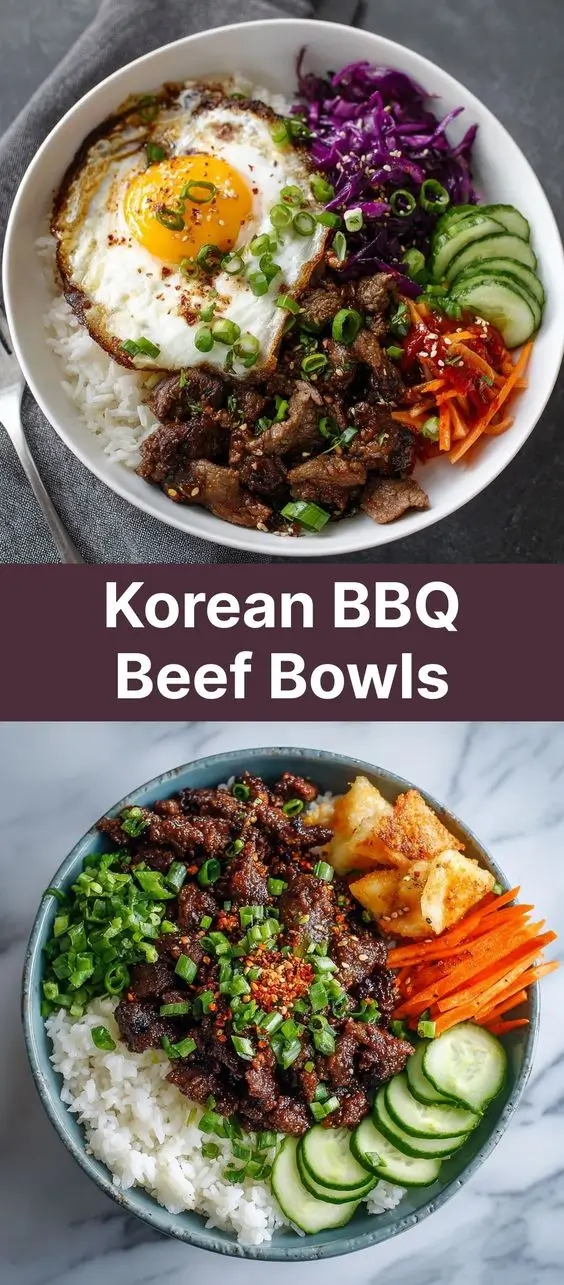
Welcome to the world of Korean BBQ Beef Bowls—a sizzling, savory, and satisfying dish that brings the bold, umami-rich flavors of Korean street food straight to your dinner table. Whether you’re a seasoned fan of Korean cuisine or trying it for the first time, these bowls offer the perfect harmony of sweet, spicy, tangy, and salty elements wrapped in a comforting bowl of fluffy rice and crisp vegetables. Packed with marinated grilled beef, vibrant toppings, and a touch of heat, this meal is not only delicious but also incredibly versatile, making it ideal for weeknight dinners, meal prep, or weekend entertaining.
What sets Korean BBQ Beef Bowls apart is their balance of texture and flavor. The tender, caramelized beef pairs beautifully with cool, crunchy slaw, soft steamed rice, and a drizzle of spicy gochujang sauce. These bowls are inspired by classic Korean dishes like Bulgogi (fire meat) and Bibimbap (mixed rice), blending traditional techniques with modern convenience. With just one skillet and a few simple ingredients, you can create a restaurant-quality meal that’s as visually stunning as it is tasty.
The History
Korean BBQ has deep roots in Korea’s culinary heritage, dating back centuries. Originally, grilled meats were reserved for special occasions and royal banquets. Over time, grilling over open flames became a popular method of cooking across all social classes. The term “BBQ” in Korea doesn’t refer to American-style barbecue but rather to various methods of grilling marinated meats at the table—known as gogi gui. Among the most beloved of these is Bulgogi, which translates to “fire meat” and traditionally features thin slices of beef marinated in soy sauce, sugar, sesame oil, garlic, and pear juice to tenderize the meat.
Bulgogi gained international fame during the 20th century, especially after the Korean War, when increased access to beef and urbanization led to the rise of Korean BBQ restaurants. Today, cities around the world boast authentic Korean BBQ spots where diners grill their own meats at the table. The concept of the “Korean BBQ Bowl” emerged more recently as a fusion adaptation—ideal for those who want the complex flavors of Korean grilling without the need for tabletop equipment. By deconstructing the experience into a nourishing grain bowl format, home cooks can enjoy the essence of Korean BBQ in a quick, accessible, and portable way.
This evolution reflects broader trends in global cuisine: the desire for bold flavors, healthy yet indulgent meals, and culturally inspired dishes that are easy to customize. Korean BBQ Beef Bowls honor tradition while embracing modern lifestyles, making them a staple in kitchens from Seoul to San Francisco.
Ingredients Breakdown
The magic of Korean BBQ Beef Bowls lies in its layered ingredients, each contributing to the overall taste, texture, and aroma. Let’s break down every component:
- Beef (Ribeye, Sirloin, or Flank Steak): Thinly sliced beef ensures quick cooking and maximum absorption of the marinade. Ribeye offers rich marbling and tenderness, while flank steak provides a chewier, more robust bite. For best results, partially freeze the beef before slicing to achieve paper-thin cuts.
- Soy Sauce (or Tamari for Gluten-Free): The base of the marinade, providing saltiness and depth. Low-sodium soy sauce allows better control over salt levels.
- Brown Sugar or Honey: Adds sweetness that balances the salt and helps caramelize the beef during searing. Brown sugar adds molasses notes, while honey imparts floral undertones.
- Sesame Oil: A fragrant oil used sparingly to enhance nuttiness. Always use toasted sesame oil for maximum flavor.
- Rice Vinegar or Apple Cider Vinegar: Introduces brightness and acidity to cut through richness.
- Fresh Garlic and Ginger: Essential aromatics. Minced or grated, they bring pungency and warmth to the marinade.
- Sriracha or Gochujang Paste: For heat. Sriracha is tangy and accessible; gochujang is fermented chili paste with deeper umami and complexity.
- Green Onions: Used both in the marinade and as a fresh garnish, adding color and mild onion flavor.
- Toasted Sesame Seeds: Sprinkled on top for crunch and nutty finish.
- Cooked White or Brown Rice: Serves as the base. Short-grain white rice is traditional, but brown rice adds fiber and a nuttier profile.
- Vegetables (Carrots, Cucumber, Spinach, Bean Sprouts): Often blanched or pickled, these add freshness and contrast. Julienned carrots and cucumbers contribute crunch, while sautéed spinach or blanched bean sprouts echo Bibimbap traditions.
- Kimchi: Fermented cabbage that adds spice, tang, and probiotics. Store-bought or homemade works well.
- Fried or Poached Egg: A runny yolk acts as a natural sauce when broken over the bowl.
- Gochujang Mayo (Optional): A creamy drizzle made by mixing gochujang with mayonnaise and a touch of honey or lime juice.
Each ingredient plays a role in building the signature flavor profile—sweet, salty, spicy, sour, and umami—all present in harmonious balance.
Step-by-Step Recipe
Here’s how to make authentic-tasting Korean BBQ Beef Bowls from scratch:
- Prepare the Marinade: In a medium bowl, whisk together 1/4 cup soy sauce, 3 tablespoons brown sugar, 2 tablespoons sesame oil, 2 tablespoons rice vinegar, 2 teaspoons sriracha (or 1 tablespoon gochujang), 4 minced garlic cloves, 1 tablespoon grated fresh ginger, and 3 sliced green onions. Stir until the sugar dissolves completely.
- Slice and Marinate the Beef: Slice 1.5 lbs of ribeye or sirloin into thin strips (about 1/8 inch thick). Place in a resealable bag or shallow dish and pour the marinade over the beef. Toss to coat evenly. Marinate for at least 30 minutes at room temperature or up to 24 hours in the refrigerator for deeper flavor.
- Cook the Rice: While the beef marinates, cook 2 cups of jasmine or short-grain rice according to package instructions. Fluff with a fork and keep warm.
- Prep the Vegetables:
- Julienned carrots and cucumber: Toss with a pinch of salt and rice vinegar for a quick pickle.
- Blanch spinach or bean sprouts in boiling water for 30 seconds, then shock in ice water. Drain and season lightly with sesame oil, soy sauce, and sesame seeds.
- Thinly slice additional green onions and kimchi for topping.
- Cook the Beef: Heat 1 tablespoon of neutral oil (like vegetable or avocado oil) in a large skillet or cast-iron pan over high heat. Once smoking hot, add the marinated beef in a single layer (work in batches to avoid steaming). Sear for 2–3 minutes per side until deeply caramelized and cooked through. Do not stir too frequently to allow browning. Remove and set aside.
- Reduce the Marinade (Optional): Pour any leftover marinade into the same pan and simmer for 2–3 minutes until slightly thickened. This creates a glossy glaze to drizzle over the bowls.
- Prepare Eggs (Optional): Fry eggs sunny-side up or poach them for a soft yolk center.
- Assemble the Bowls: In each serving bowl, place a generous scoop of rice. Arrange the beef, vegetables, kimchi, and egg attractively. Drizzle with reduced marinade or gochujang mayo. Garnish with extra green onions and sesame seeds.
- Serve Immediately: Enjoy while hot, mixing everything together just before eating to blend flavors and textures.
Tips
- Freeze the Beef Slightly Before Slicing: This makes it much easier to cut thin, even slices—key for tender, quick-cooking beef.
- Don’t Overcrowd the Pan: Cooking the beef in batches prevents steaming and ensures proper sear and caramelization.
- Use Fresh Garlic and Ginger: Avoid pre-minced versions for the most vibrant flavor.
- Add Fruit for Natural Tenderizing: Korean recipes often include grated Asian pear or pineapple juice in the marinade. These contain enzymes that break down proteins, making the beef incredibly tender. Try adding 2 tablespoons of pureed pear or pineapple to the marinade.
- Toast Your Sesame Seeds: Lightly toast sesame seeds in a dry pan until golden for enhanced aroma and crunch.
- Let the Marinade Shine: Don’t discard leftover marinade—boil it for safety and use it as a sauce.
- Meal Prep Friendly: Cook everything in advance and store components separately in airtight containers for up to 4 days. Reheat beef and rice before assembling.
- Budget-Friendly Swap: Use ground beef instead of sliced steak. Cook like taco meat and season with the same marinade—this version is faster and cheaper, known as “fake Bulgogi.”
- Grill Option: For authentic smokiness, grill the marinated beef over charcoal or gas flame.
- Keep It Low-Sodium: Use low-sodium soy sauce and reduce added sugar if watching sodium intake.
Variations and Customizations
Korean BBQ Beef Bowls are highly adaptable. Here are some creative twists:
- Protein Variations:
- Chicken Bulgogi: Substitute thinly sliced chicken thighs. Marinate the same way and cook until no longer pink.
- Pork Bulgogi: Use pork shoulder or belly for a richer alternative.
- Tofu or Mushrooms: For a vegetarian version, use pressed firm tofu or portobello mushrooms. Marinate and pan-sear until crispy.
- Grain Alternatives:
- Quinoa, cauliflower rice, soba noodles, or forbidden black rice can replace white rice for different textures and nutritional profiles.
- Low-Carb/Keto Version:
- Serve over cauliflower rice or a bed of mixed greens. Replace sugar in the marinade with monk fruit sweetener or erythritol.
- Spice Level Adjustments:
- Mild: Omit sriracha and gochujang; use smoked paprika for color without heat.
- Extra Spicy: Add sliced fresh red chilies, doubanjiang, or extra gochujang.
- Global Fusion Twists:
- Taco-Inspired: Serve in lettuce wraps with avocado and corn salsa.
- Hawaiian Style: Add grilled pineapple chunks and teriyaki flair.
- Mexican-Korean Fusion: Top with cilantro, lime crema, and tortilla strips.
- Seasonal Additions:
- Spring: Add radishes, snap peas, and microgreens.
- Summer: Include mango, avocado, and fresh herbs like mint.
- Fall/Winter: Roast broccoli or sweet potatoes and add them warm.
- Kids’ Version:
- Omit spicy elements, increase sweetness slightly, and serve with cheese or mild veggies.
Health Considerations and Nutritional Value
Korean BBQ Beef Bowls can be a nutritious, balanced meal when prepared thoughtfully:
- Protein: Beef is rich in high-quality protein, iron, zinc, and B vitamins (especially B12), supporting muscle growth and energy metabolism.
- Healthy Fats: Sesame oil contains heart-healthy monounsaturated fats and antioxidants like sesamol.
- Vegetables: Carrots provide beta-carotene, cucumbers offer hydration, spinach delivers folate and iron, and kimchi contributes probiotics for gut health.
- Carbohydrates: Rice supplies energy. Opt for brown rice or quinoa to increase fiber and lower glycemic impact.
- Sodium Awareness: Traditional soy sauce and gochujang are high in sodium. To reduce salt, use reduced-sodium soy sauce, limit added salt, and balance with potassium-rich vegetables.
- Sugar Content: The marinade includes sweeteners. Use less sugar or substitute with natural alternatives if managing blood sugar.
- Portion Control: While flavorful, the beef and sauce can be calorie-dense. Stick to recommended portions—about 4–6 oz of beef per bowl.
- Allergens: Contains soy, sesame, and gluten (unless tamari is used). Safe for dairy-free diets unless using mayo-based sauces.
Average Nutrition Per Serving (with 6 oz beef, 1 cup white rice, vegetables, egg, and sauce):
- Calories: ~650–750
- Protein: ~35–40g
- Fat: ~20–25g
- Carbohydrates: ~80–90g
- Fiber: ~5–7g
- Sodium: ~900–1200mg (adjustable)
For weight management or specific dietary goals, adjust ingredients accordingly—such as increasing veggie volume and reducing rice or beef portion size.
Ingredients
- 1.5 lbs ribeye, sirloin, or flank steak, thinly sliced
- 1/4 cup soy sauce (or tamari for gluten-free)
- 3 tbsp brown sugar (or honey/maple syrup)
- 2 tbsp toasted sesame oil
- 2 tbsp rice vinegar (or apple cider vinegar)
- 2 tsp sriracha (optional) OR 1 tbsp gochujang paste
- 4 cloves garlic, minced
- 1 tbsp fresh ginger, grated
- 6 green onions, sliced (divided)
- 2 cups cooked white or brown rice
- 1 medium carrot, julienned
- 1/2 cucumber, julienned
- 2 cups fresh spinach or bean sprouts, blanched
- 1/2 cup kimchi
- 4 large eggs (optional)
- 1 tbsp neutral oil (for cooking)
- 1 tbsp sesame seeds, toasted
- (Optional) 1/4 cup mayonnaise + 1 tbsp gochujang + 1 tsp honey (for gochujang mayo)
Directions
- In a bowl, combine soy sauce, brown sugar, sesame oil, rice vinegar, sriracha (or gochujang), garlic, ginger, and half the green onions. Whisk until smooth.
- Add sliced beef to the marinade, toss to coat, and refrigerate for at least 30 minutes or up to 24 hours.
- Cook rice according to instructions. Set aside.
- Prepare vegetables: julienne carrots and cucumber, blanch spinach or sprouts, and slice remaining green onions.
- Heat oil in a large skillet over high heat. Add marinated beef in batches, searing 2–3 minutes per side until caramelized. Remove and set aside.
- Pour leftover marinade into the hot pan and simmer 2–3 minutes to thicken into a glaze.
- If using eggs, fry or poach them now.
- Assemble bowls: rice base, topped with beef, vegetables, kimchi, egg, and a drizzle of reduced marinade or gochujang mayo.
- Garnish with green onions and sesame seeds. Serve immediately.
FAQ
Can I make Korean BBQ Beef Bowls ahead of time?
Yes! Marinate the beef up to 24 hours in advance. Cook the rice and prep vegetables 1–2 days ahead. Store components separately and assemble when ready to eat.
Can I freeze the marinated beef?
Absolutely. Freeze the beef in the marinade in a sealed bag for up to 3 months. Thaw overnight in the fridge before cooking.
Is gochujang necessary?
While not mandatory, gochujang adds authentic depth and heat. If unavailable, use sriracha plus a bit of miso or tomato paste for umami.
How do I prevent the beef from becoming tough?
Slice thinly against the grain, don’t overcook, and marinate with tenderizing agents like pear or pineapple juice.
Are these bowls gluten-free?
Only if using tamari instead of soy sauce and ensuring all other ingredients (like gochujang) are certified gluten-free.
Can I use frozen vegetables?
Fresh is best for texture, but thawed and drained frozen spinach works in a pinch.
What can I substitute for beef?
Chicken, pork, tofu, tempeh, mushrooms, or even jackfruit work well with the same marinade.
Why is my sauce too salty?
Balance with extra sugar, a splash of vinegar, or dilute with water. Next time, use low-sodium soy sauce.
Can I cook this in a slow cooker?
Yes—combine marinated beef and sauce, cook on low for 4–6 hours, then serve over rice with fresh toppings.
How spicy are these bowls?
Adjustable! Start mild and let individuals add heat with extra gochujang or chili flakes.
Summary (in two lines)
Korean BBQ Beef Bowls deliver an explosion of sweet, spicy, and savory flavors in a convenient, customizable format perfect for busy lives. Packed with marinated beef, fresh vegetables, and aromatic seasonings over fluffy rice, they’re a modern homage to Korea’s rich grilling traditions.