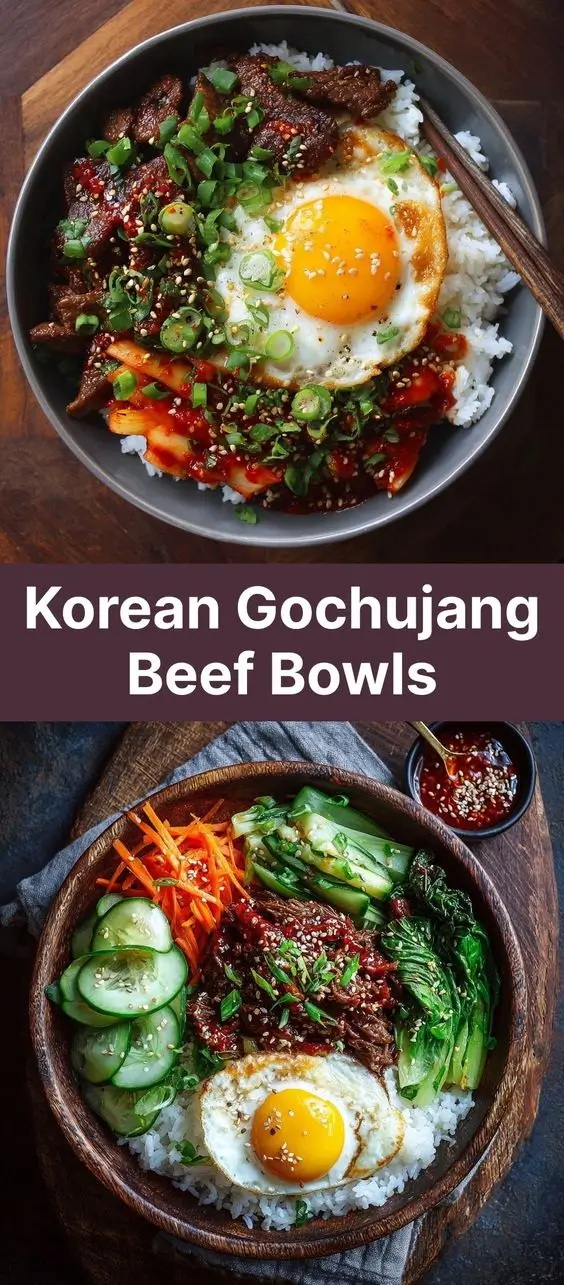
Korean Gochujang Beef Bowls: A Flavor-Packed Culinary Adventure
The History of Korean Gochujang Beef Bowls
While the modern “Korean Gochujang Beef Bowl” as served in homes and restaurants around the world today is a relatively recent fusion creation, its roots run deep through centuries of Korean culinary tradition. At the heart of this dish lies gochujang, a fermented red chili paste that has been a staple in Korean pantries since at least the 18th century during the Joseon Dynasty. Made from glutinous rice, fermented soybeans, and red chili powder, gochujang was traditionally prepared in large earthenware pots called jangdok and aged under the sun to develop its complex umami-sweet-heat profile.
Beef itself wasn’t always a common ingredient in traditional Korean cuisine due to agricultural reliance on oxen for farming and Buddhist influences that discouraged meat consumption. However, with the gradual lifting of restrictions and the introduction of more accessible livestock in later periods, beef began appearing in royal court dishes and eventually spread to the broader population. Dishes like bulgogi (fire meat) and galbi (grilled ribs) emerged, showcasing thinly sliced or marinated beef cooked over fire.
The combination of beef with gochujang evolved into what we now recognize as soegogi-chungjangbap—beef and gochujang rice bowls—popularized in urban Korea during the late 20th century. As Korean food gained international popularity in the 2000s and 2010s, chefs and home cooks abroad began simplifying and adapting these flavors into quick weeknight meals, leading to the rise of the “Gochujang Beef Bowl.” This version typically features tender strips of beef stir-fried in a bold gochujang-based sauce, served over steamed rice with fresh vegetables, embodying the perfect balance of sweet, spicy, savory, and tangy notes.
Ingredients Breakdown: Building Layers of Flavor
The magic of Korean Gochujang Beef Bowls lies in its harmonious blend of ingredients, each contributing depth, texture, and complexity. Let’s explore them one by one:
- Gochujang (고추장): The star of the show. This thick, fermented chili paste delivers heat, sweetness, and deep umami. Look for authentic Korean brands like Chung Jung One or Sunchang for the best flavor. It contains chili powder, rice syrup, fermented soybean powder, and salt.
- Beef: Traditionally, ribeye or sirloin is used due to their tenderness and marbling. For quicker cooking, flank steak or even ground beef can be substituted. Thinly slicing against the grain ensures maximum tenderness.
- Soy Sauce: Adds saltiness and enhances browning via the Maillard reaction. Use low-sodium soy sauce if you prefer better control over salt levels.
- Brown Sugar or Honey: Balances the spiciness of gochujang with natural sweetness. Some recipes use maple syrup for a subtle earthy note.
- Rice Vinegar or Apple Cider Vinegar: Provides brightness and cuts through the richness of the sauce, adding necessary acidity.
- Garlic and Ginger: Freshly minced garlic and grated ginger are non-negotiable—they form the aromatic foundation of the marinade and sauce.
- Sesame Oil: Used both in the sauce and as a finishing touch, it imparts a nutty aroma that’s quintessentially Korean.
- Green Onions: Add freshness and color, used both during cooking and as garnish.
- Rice: Short-grain white rice (like jasmine or sushi rice) is ideal for absorbing the rich sauce. Brown rice or quinoa can be used for a healthier twist.
- Vegetables (optional but recommended): Bok choy, spinach, carrots, bell peppers, mushrooms, or snap peas add crunch, nutrients, and visual appeal when sautéed or pickled.
- Toasted Sesame Seeds: A finishing touch that adds texture and reinforces the nutty flavor profile.
- Kimchi: Often served on the side or on top, kimchi introduces probiotics and a sharp, fermented contrast that elevates the entire bowl.
Step-by-Step Recipe: How to Make Korean Gochujang Beef Bowls
Follow this detailed guide to create restaurant-quality Gochujang Beef Bowls in your own kitchen. Serves 4.
Ingredients
- 1.5 lbs (680g) ribeye or sirloin steak, thinly sliced against the grain
- ½ cup water or beef broth
- ¼ cup gochujang paste (adjust for spice preference)
- 3 tbsp soy sauce (low-sodium preferred)
- 2 tbsp brown sugar or honey
- 1 tbsp rice vinegar
- 1 tbsp sesame oil (divided)
- 4 cloves garlic, minced
- 1 tbsp fresh ginger, grated
- 3 green onions, sliced (whites and greens separated)
- 2 cups cooked white rice (jasmine or short-grain preferred)
- 1 tbsp vegetable oil (for searing)
- 1 tsp toasted sesame seeds (for garnish)
- Optional toppings: kimchi, sautéed spinach, pickled radish, soft-boiled egg, nori flakes
Directions
- Prepare the Sauce: In a medium bowl, whisk together gochujang, soy sauce, brown sugar, rice vinegar, ¼ cup water or broth, minced garlic, grated ginger, the white parts of green onions, and ½ tablespoon sesame oil. Set aside. Taste and adjust—add more sugar for sweetness, vinegar for tang, or water to thin if too thick.
- Slice the Beef: Place the beef in the freezer for 15–20 minutes to firm up, making it easier to slice thinly. Cut into ¼-inch strips against the grain to ensure tenderness.
- Cook the Beef: Heat a large skillet or wok over high heat. Add vegetable oil and swirl to coat. Once shimmering, add the beef in a single layer (work in batches if needed to avoid overcrowding). Sear for 1–2 minutes per side until browned but not fully cooked through. Remove and set aside.
- Build the Sauce Base: Reduce heat to medium. In the same pan, add the remaining ½ tablespoon sesame oil. Pour in the prepared sauce mixture and simmer for 2–3 minutes, stirring constantly, until slightly thickened and fragrant.
- Combine Beef and Sauce: Return the seared beef (along with any juices) to the pan. Stir well to coat every piece. Cook for another 2–3 minutes until the beef is fully cooked and the sauce clings beautifully to the meat. Add extra broth or water if the sauce becomes too thick.
- Finish with Greens: Toss in the green parts of the sliced green onions and cook for an additional 30 seconds to 1 minute until wilted but still vibrant.
- Assemble the Bowls: Divide warm rice among four bowls. Spoon the gochujang beef generously over the rice. Garnish with toasted sesame seeds, extra green onions, and optional toppings like kimchi, a soft-boiled egg, or pickled vegetables.
- Serve Immediately: Enjoy hot while the sauce is glossy and the rice is fluffy. Pair with a crisp cucumber salad or Korean-style slaw for a complete meal.
Pro Tips for the Best Gochujang Beef Bowls
- Slice Against the Grain: This breaks up muscle fibers, making each bite more tender. Always look for the direction of the muscle lines and cut perpendicular to them.
- Don’t Overcook the Beef: Since it’s thinly sliced, beef cooks quickly. Overcooking leads to toughness. Aim for medium doneness for optimal texture.
- Bloom the Gochujang: Cooking the sauce briefly before adding the beef helps mellow the raw edge of the chili paste and deepens its flavor.
- Marinate for Extra Flavor (Optional): For deeper penetration, marinate the beef in half the sauce for 20–30 minutes before cooking. Discard any leftover marinade that touched raw meat unless boiled first.
- Use Fresh Aromatics: Avoid powdered garlic or ginger. Freshly grated ginger and minced garlic make a noticeable difference in aroma and taste.
- Control the Heat: Gochujang varies in spiciness. Start with less and add more after tasting. You can also mix in a little miso paste or tomato paste to tone down heat while maintaining depth.
- Double the Sauce: If you love extra saucy bowls (and want leftovers), double the sauce ingredients and store extra in the fridge for up to a week.
Variations and Customizations
This recipe is incredibly versatile—perfect for dietary needs, pantry limitations, or creative twists. Here are some popular variations:
- Vegetarian/Vegan Version: Replace beef with tofu (extra-firm, pressed and cubed), tempeh, or mushrooms (shiitake or oyster work well). Use maple syrup instead of honey and ensure gochujang is vegan (some contain fish derivatives—check labels).
- Gluten-Free Option: Substitute soy sauce with tamari or coconut aminos. Confirm your gochujang brand is gluten-free (many are, but not all).
- Low-Carb/Keto Adaptation: Serve over cauliflower rice or shirataki noodles. Reduce or omit sugar and use a keto-friendly sweetener like erythritol or monk fruit blend.
- Spice Level Adjustments: For mild flavor, dilute gochujang with a bit of peanut butter or hoisin sauce. For extra heat, add gochugaru (Korean chili flakes) or a dash of sriracha.
- One-Pan Meal: Add sliced bell peppers, onions, and broccoli directly to the pan after searing the beef. Stir-fry for 3–4 minutes until crisp-tender before adding the sauce.
- Bowl Bar Concept: Prepare components separately and let everyone build their own bowls. Offer choices like different proteins (chicken, pork, shrimp), grains, veggies, and toppings such as avocado, cilantro, crushed peanuts, or lime wedges.
- Premium Upgrade: Use wagyu beef for unparalleled marbling and melt-in-your-mouth texture. Finish with a drizzle of truffle oil or yuzu kosho for gourmet flair.
Health Considerations and Nutritional Value
When balanced properly, Korean Gochujang Beef Bowls can be a nutritious and satisfying meal. Let’s break down the health aspects:
Nutritional Highlights (per serving, approximate):
- Calories: ~550–650 kcal
- Protein: 30–35g (excellent source from beef)
- Fat: 20–25g (mostly unsaturated from oils and lean beef)
- Carbohydrates: 60–70g (primarily from rice and sugar in sauce)
- Sodium: 900–1200mg (can be reduced with low-sodium soy sauce and less gochujang)
- Fiber: 2–4g (increases significantly with added vegetables)
Health Benefits:
- Gochujang’s Fermentation: Contains beneficial probiotics that support gut health. Fermented foods may improve digestion and boost immunity.
- Antioxidants: Chili peppers in gochujang provide capsaicin, known for anti-inflammatory and metabolism-boosting properties.
- Iron and B Vitamins: Beef is rich in heme iron (easily absorbed) and vitamin B12, crucial for energy production and neurological function.
- Healthy Fats: Sesame oil contains sesamin and sesamolin, lignans with antioxidant effects.
Considerations:
- Sodium Content: Gochujang and soy sauce are high in sodium. Those with hypertension should moderate portions or opt for reduced-sodium versions.
- Sugar Levels: The sauce contains added sugar. Diabetics or those managing blood sugar should reduce sweeteners or use alternatives.
- Saturated Fat: Depending on the cut of beef, saturated fat may be higher. Choose leaner cuts like sirloin or round for lower fat content.
- Allergens: Contains soy, gluten (unless substituted), and sesame. Always check labels for hidden allergens in store-bought gochujang.
Frequently Asked Questions (FAQ)
- Can I make Gochujang Beef Bowls ahead of time?
- Absolutely! The sauce can be made up to 5 days in advance and stored in the fridge. Cooked beef and sauce keep well for 3–4 days. Reheat gently on the stove with a splash of water to loosen the sauce.
- Where can I buy gochujang?
- You’ll find gochujang in the international aisle of most supermarkets, especially near Asian ingredients. Korean grocery stores offer the widest selection. Online retailers like Amazon or Hmart.com also carry authentic brands.
- Is gochujang the same as sriracha or sambal?
- No. While all are spicy, gochujang is thicker, sweeter, fermented, and more complex. Sriracha is garlicky and vinegary; sambal is oily and sharply hot. They are not direct substitutes.
- Can I freeze this dish?
- Yes, though texture may change slightly upon thawing. Freeze in airtight containers for up to 3 months. Thaw overnight in the fridge and reheat slowly.
- What can I use instead of beef?
- Chicken, pork, shrimp, tofu, mushrooms, or even jackfruit work well. Adjust cooking times accordingly.
- Why is my sauce too thick or too thin?
- If too thick, stir in warm water or broth 1 tablespoon at a time. If too thin, simmer longer to reduce or add a cornstarch slurry (1 tsp cornstarch + 1 tbsp water).
- How spicy is gochujang?
- Mild to medium heat—around 1,000–4,000 Scoville units. Much milder than habanero but spicier than paprika. Heat builds gradually.
- Can I use gochujang in other dishes?
- Definitely! Try it in marinades, soups (like kimchi stew), dressings, roasted vegetables, or even as a glaze for salmon or chicken wings.
Summary
Korean Gochujang Beef Bowls deliver a symphony of spicy, sweet, savory, and umami flavors in a quick, wholesome meal that’s deeply rooted in centuries-old fermentation traditions yet perfectly suited for modern lifestyles.
With customizable ingredients, easy preparation, and endless variations, this dish bridges cultural authenticity and global accessibility—one delicious bite at a time.