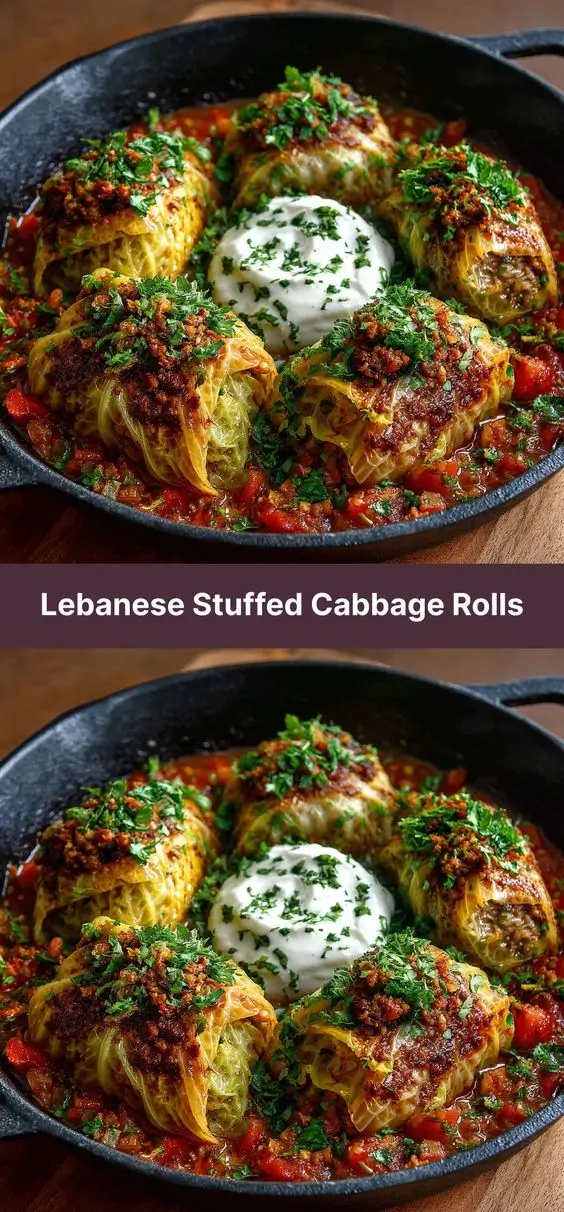
Lebanese Stuffed Cabbage Rolls: A Timeless Delight
Introduction
Lebanese stuffed cabbage rolls, known locally as “Yebra” or sometimes referred to in the broader Middle Eastern context as “Dolma”, are a beloved traditional dish that embodies the heart and soul of Lebanese home cooking. These delicate rolls, made from tender cabbage leaves wrapped around a savory mixture of rice, herbs, and often meat, are simmered slowly in a tangy tomato broth until bursting with flavor. Yebra is more than just a meal—it’s an expression of hospitality, family, and heritage. Whether served at festive gatherings, religious holidays like Easter and Ramadan, or enjoyed during cozy winter evenings, these aromatic rolls have graced Lebanese tables for generations. Their complex layers of taste—earthy, herbaceous, slightly sour, and deeply comforting—make them a culinary treasure worth mastering.
The History
The origins of stuffed cabbage rolls stretch far beyond Lebanon, tracing back through centuries of Ottoman influence across the Balkans, the Middle East, and the Caucasus. However, the Lebanese version has evolved into its own distinct form, shaped by local ingredients, agricultural practices, and cultural traditions. In Lebanon, the practice of stuffing vegetables—known collectively as Dolma (from the Turkish word meaning “to fill”)—has been part of the culinary fabric since ancient times. While grape leaves are perhaps the most famous vessel for stuffing in Lebanon, cabbage was traditionally used when grape leaves were out of season or unavailable, particularly in mountainous regions where cabbage thrives in cooler climates.
Historically, Yebra was prepared during communal cooking events, where women would gather to roll dozens of cabbage parcels together, turning food preparation into a social ritual. The dish also reflects resourcefulness—using preserved or seasonal produce and stretching modest amounts of meat with rice and herbs to feed large families. Over time, regional variations emerged within Lebanon itself: coastal areas might incorporate more lemon and fresh herbs, while inland villages may use lamb and richer broths. Today, Yebra remains a symbol of cultural continuity, connecting modern Lebanese families with their ancestors through every bite.
Ingredients Breakdown
The magic of Lebanese stuffed cabbage rolls lies in the harmony of simple, high-quality ingredients. Each component plays a crucial role in building the dish’s signature flavor profile:
- Cabbage Leaves: Green or Savoy cabbage is typically used. The outer leaves should be pliable enough to wrap without tearing. Blanching them briefly in hot water makes them easier to handle.
- Ground Meat: Traditionally, lean lamb is preferred for its rich, gamey flavor, though a mix of lamb and beef is common. For lighter versions, ground chicken or turkey can be substituted, and vegetarian options omit meat entirely.
- Rice: Short-grain rice such as Egyptian or Arborio is ideal because it holds its shape and absorbs flavors well during slow cooking. Some cooks use cracked wheat (burghul) for a different texture.
- Onion: Finely chopped yellow or white onion adds sweetness and depth when sautéed into the filling.
- Fresh Herbs: Parsley and mint are essential—parsley provides freshness, while mint gives a cool, aromatic lift that cuts through the richness of the meat.
- Spices: Allspice is the star spice in Yebra, lending warmth and complexity. Cinnamon, black pepper, and sometimes a pinch of nutmeg or cloves are added for balance.
- Lemon Juice: Freshly squeezed lemon juice both in the filling and the cooking liquid imparts brightness and helps tenderize the cabbage.
- Tomato Base: Crushed tomatoes, tomato paste, or even homemade tomato sauce create a tangy, slightly sweet braising liquid.
- Olive Oil: High-quality extra virgin olive oil is used generously for sautéing and enriching the sauce.
- Garlic: Minced garlic enhances the savory backbone of the dish.
- Salt & Pepper: To taste, essential for seasoning each layer.
- Water or Stock: Used to braise the rolls gently until fully cooked.
Step-by-Step Recipe
Yields: 6–8 servings
Prep Time: 45 minutes
Cook Time: 1 hour 30 minutes
Ingredients
- 1 large head green cabbage (about 2–2.5 lbs)
- 1 lb (450g) ground lamb or beef (or combination)
- 1 cup short-grain rice (uncooked)
- 1 medium onion, finely grated or minced
- 1 cup fresh parsley, finely chopped
- ¼ cup fresh mint, finely chopped
- 2 tsp ground allspice
- ½ tsp ground cinnamon
- 1 tsp salt (adjust to taste)
- ½ tsp black pepper
- 3 tbsp lemon juice (plus more for water bath)
- 3 tbsp olive oil (plus extra for pot)
- 2 cloves garlic, minced
- 1 can (14 oz) crushed tomatoes
- 1 tbsp tomato paste
- 4 cups water or broth
- 1 lemon, sliced (optional, for garnish)
Directions
- Prepare the Cabbage Leaves: Fill a large pot with water and bring to a boil. Carefully cut out the core of the cabbage so you can remove the leaves more easily. Submerge the whole cabbage head in boiling water for 2–3 minutes, then begin peeling off the softened outer leaves. Continue blanching in batches until you have 18–20 large, flexible leaves. Trim the thick vein from the bottom of each leaf to make rolling easier. Set aside in cold water to prevent drying.
- Make the Filling: In a large bowl, combine ground meat, uncooked rice, grated onion, parsley, mint, allspice, cinnamon, salt, pepper, lemon juice, and 2 tablespoons of olive oil. Mix thoroughly using your hands until all ingredients are evenly distributed. Let the mixture rest for 10–15 minutes to allow flavors to meld.
- Roll the Cabbage: Lay a cabbage leaf flat on a clean surface, rib side up. Place about 2–3 tablespoons of filling near the base of the leaf (depending on size). Fold the sides inward over the filling, then roll upward tightly, like a cigar. Place seam-side down in a heavy-bottomed pot or Dutch oven. Repeat with remaining leaves, arranging rolls snugly in concentric circles to prevent unrolling during cooking.
- Layer and Season: Once all rolls are placed, pour a mixture of 1 cup water and 1 tablespoon lemon juice over them to keep them moist. You may add a few slices of lemon on top for additional aroma.
- Prepare the Sauce: In a separate bowl, mix crushed tomatoes, tomato paste, minced garlic, 2 tablespoons olive oil, and 3 cups water. Stir well and season lightly with salt and pepper. Pour this sauce carefully over the arranged rolls, ensuring they are covered but not submerged completely.
- Braise the Rolls: Place a heatproof plate or inverted saucer on top of the rolls to weigh them down and prevent unraveling. Cover the pot with a tight-fitting lid. Bring to a gentle simmer over medium heat, then reduce to low. Cook for 1 hour to 1 hour 30 minutes, checking occasionally to ensure there’s enough liquid (add warm water if needed).
- Check for Doneness: The rolls are ready when the rice is tender, the meat is fully cooked, and the cabbage is soft. Carefully remove a roll and slice it open to test. If rice is still firm, continue cooking in 10-minute increments.
- Rest and Serve: Turn off the heat and let the rolls sit, covered, for 15 minutes before serving. This allows the flavors to settle and the sauce to thicken slightly.
Tips
- Choose the Right Cabbage: Look for a cabbage with large, supple leaves. Avoid ones that are overly tight or dry, which may crack when rolled.
- Don’t Skip the Blanching: Parboiling the leaves makes them pliable and prevents tearing. Adding a splash of lemon juice to the blanching water helps preserve color and adds subtle flavor.
- Keep Rolls Tight: Roll firmly but not too tightly—rice expands during cooking, so overly tight rolls may burst.
- Use a Plate to Weigh Down: Prevents the rolls from floating or unrolling during simmering, ensuring even cooking.
- Low and Slow Cooking: Gentle heat ensures the meat cooks evenly and the rice absorbs the flavorful broth without burning.
- Let It Rest: Like many braised dishes, resting improves texture and flavor integration.
- Freeze for Later: Uncooked or cooked rolls freeze beautifully. Thaw overnight in the fridge before reheating gently on the stove.
- Reheat Gently: Add a splash of water or broth when reheating to restore moisture.
Variations and Customizations
One of the beauties of Lebanese stuffed cabbage rolls is their adaptability. Families often have their own unique twist based on region, season, or dietary preferences:
- Vegetarian/Vegan Yebra: Omit the meat and increase the rice or add lentils, chickpeas, or mushrooms for heartiness. Use vegetable broth and ensure no animal products are used.
- Grape Leaf Version: While technically a different dish (Warak Enab), the same filling can be used with brined grape leaves for a springtime variation.
- Chicken or Turkey Filling: A leaner alternative that suits health-conscious diets while maintaining flavor.
- Pine Nuts or Almonds: Toasted pine nuts can be mixed into the filling for a luxurious crunch and nutty depth.
- Add Dried Fruits: Some Levantine variations include currants or raisins for a sweet contrast.
- Herb Variations: Add dill, cilantro, or green onions for a fresher profile.
- Spice Adjustments: Increase allspice for a warmer taste, or add chili flakes for heat.
- Dairy-Free Yogurt Sauce: Serve with a side of garlicky tahini sauce instead of traditional yogurt for a vegan-friendly accompaniment.
- Tomato-Free Version: Use a broth-based poaching liquid with lemon and herbs for those avoiding nightshades.
- Baked Option: After assembling in a casserole dish, bake covered at 350°F (175°C) for 1 hour 15 minutes.
Health Considerations and Nutritional Value
When prepared thoughtfully, Lebanese stuffed cabbage rolls can be a nutritious and balanced meal:
- Cabbage: Low in calories and high in fiber, vitamin C, vitamin K, and antioxidants. Supports digestion and immune function.
- Lean Protein: Using lean lamb or poultry provides essential amino acids with less saturated fat.
- Whole Grains: Substituting white rice with brown rice or bulgur increases fiber and nutrient content.
- Healthy Fats: Olive oil contributes monounsaturated fats, beneficial for heart health.
- Herbs: Parsley and mint are rich in phytonutrients and aid in detoxification and digestion.
- Lemon: High in vitamin C and citric acid, which enhances iron absorption from plant foods and meat.
Nutritional Estimate (per serving, approx. 3 rolls):
- Calories: 320–380
- Protein: 18–22g
- Carbohydrates: 35–40g
- Fat: 14–18g (varies with meat type)
- Fiber: 4–6g
- Sodium: 600–800mg (can be reduced by using low-sodium tomato products)
To make the dish healthier:
- Use extra-lean meat or go fully plant-based.
- Reduce added salt and rely on herbs and spices for flavor.
- Swap white rice for whole grain alternatives.
- Serve with a side salad instead of bread to lower carbohydrate intake.
FAQ
Q: Can I use frozen cabbage leaves?
A: Yes, frozen cabbage leaves work well. Thaw them in the refrigerator and blanch briefly to soften before use.
Q: Why did my rolls fall apart during cooking?
A: This usually happens if the rolls weren’t tight enough, if the rice wasn’t partially pre-cooked (though traditional recipes use raw rice), or if they weren’t weighed down during simmering. Always use a plate to keep them compressed.
Q: Can I prepare Yebra ahead of time?
A: Absolutely. Assemble the rolls a day in advance and refrigerate, or cook them fully and reheat. Flavors deepen when stored overnight.
Q: Are stuffed cabbage rolls gluten-free?
A: Yes, provided no additives containing gluten are used. Ensure tomato paste and broth are certified gluten-free.
Q: What do I serve with Lebanese stuffed cabbage rolls?
A: Classic pairings include plain rice, bulgur pilaf, tzatziki or labneh, a fresh cucumber-tomato salad, and warm pita bread.
Q: Can I can or pressure cook Yebra?
A: While possible, pressure cooking requires caution—the rolls can become mushy. If using an Instant Pot, cook on manual high pressure for 20 minutes with natural release. Canning is not recommended due to variable density and safety concerns.
Q: Is Yebra spicy?
A: Not inherently. The warmth comes from allspice and cinnamon, not heat. Add chili for spiciness if desired.
Summary
Lebanese stuffed cabbage rolls, or Yebra, are a cherished culinary tradition that blends aromatic herbs, tender meat, and slow-cooked comfort in every bite. With roots deep in Levantine culture, this dish brings families together through layers of flavor and generations of memory.