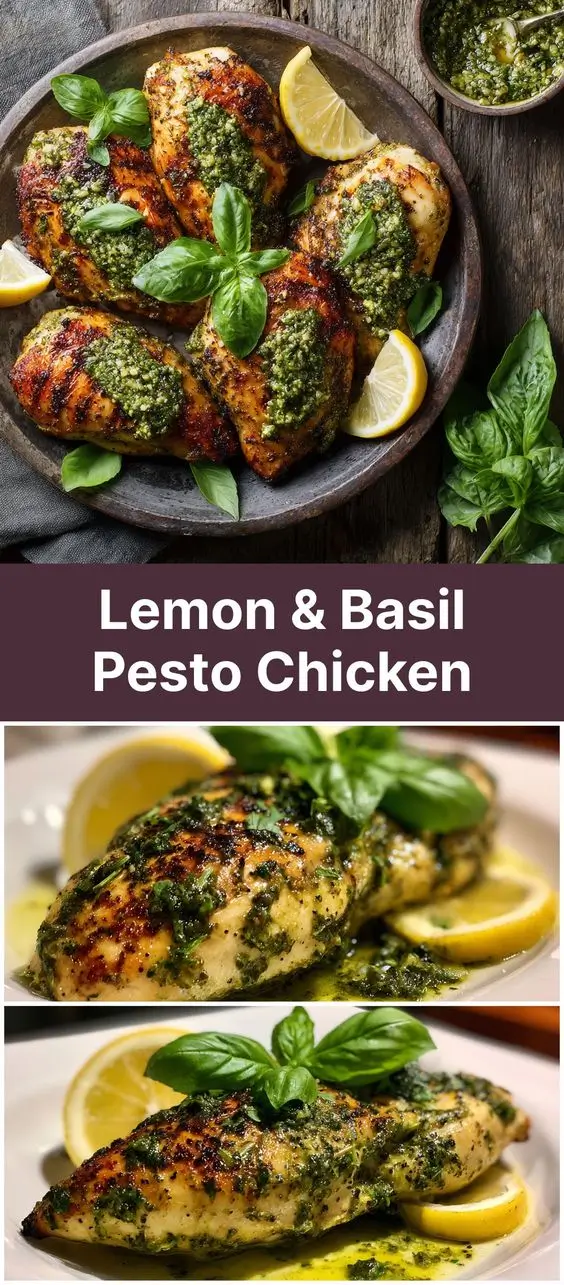
Lemon & Basil Pesto Chicken: A Zesty, Herb-Infused Delight
The Lemon & Basil Pesto Chicken is a vibrant, aromatic dish that marries the bright acidity of fresh lemons with the fragrant sweetness of basil, creating a flavor profile that is both refreshing and deeply savory. This recipe elevates simple ingredients into a gourmet experience, perfect for weeknight dinners or elegant weekend gatherings. Whether you’re grilling, pan-searing, or baking, this chicken dish offers versatility without compromising on taste. With its Mediterranean-inspired essence, it’s ideal for pairing with roasted vegetables, pasta, grains, or even stuffed into sandwiches and wraps. Let’s dive into everything you need to know about crafting the perfect Lemon & Basil Pesto Chicken.
The History
Pesto, as we know it today, originated in Genoa, Italy—a coastal city in the Liguria region renowned for its lush basil fields and olive oil production. Traditional pesto alla Genovese combines fresh basil, pine nuts, garlic, Parmesan cheese, and extra virgin olive oil, pounded into a smooth, emerald-green paste. Over time, chefs and home cooks have reimagined this classic sauce using various herbs, nuts, and acids to create modern variations. The incorporation of lemon into pesto adds a citrusy brightness that complements poultry exceptionally well. Lemon & Basil Pesto Chicken is a contemporary fusion dish that reflects global culinary trends—highlighting freshness, simplicity, and bold flavors. It represents the evolution of Italian cuisine through international influences, particularly from California-style cooking and farm-to-table movements that emphasize seasonal, local ingredients.
Ingredients Breakdown
The magic of Lemon & Basil Pesto Chicken lies in its carefully balanced ingredients, each contributing unique textures and tastes:
- Chicken breasts or thighs: Boneless, skin-on or skinless depending on preference. Thighs offer more moisture and tenderness, while breasts are leaner and cook faster.
- Fresh basil: The star herb, providing sweet, slightly peppery notes. Always use fresh for maximum aroma and color.
- Garlic: Adds depth and pungency. Roasted garlic can be used for a milder flavor.
- Lemon: Both zest and juice are essential—zest delivers concentrated citrus oils, while juice brings tanginess and helps tenderize the meat.
- Pine nuts or walnuts: Traditionally pine nuts, but walnuts add earthiness and are more affordable.
- Extra virgin olive oil: High-quality oil ensures richness and smooth texture in the pesto.
- Grated Parmesan or Pecorino Romano: Salty, umami-rich cheese that binds the pesto together.
- Salt and freshly ground black pepper: For seasoning at every stage.
- Honey or maple syrup (optional): A touch balances acidity if the lemon is too sharp.
- Red pepper flakes (optional): For subtle heat.
Step-by-Step Recipe
- Prepare the Lemon-Basil Pesto: In a food processor, combine 2 cups packed fresh basil leaves, 1/4 cup toasted pine nuts or walnuts, 2 cloves garlic, 1/2 cup grated Parmesan cheese, 1 teaspoon lemon zest, 3 tablespoons fresh lemon juice, and a pinch of salt and pepper. Pulse until coarsely chopped. With the motor running, slowly drizzle in 1/3 cup extra virgin olive oil until the mixture forms a smooth, glossy paste. Taste and adjust seasoning, adding honey if needed for balance. Set aside.
- Marinate the Chicken: Place 4 boneless, skinless chicken breasts (or thighs) between plastic wrap and gently pound to an even thickness (about 3/4 inch). Transfer to a shallow dish. Coat each piece generously with half of the prepared pesto. Cover and refrigerate for at least 30 minutes (up to 4 hours for deeper flavor).
- Preheat Cooking Surface: If grilling, preheat grill to medium-high (375–400°F). For stovetop, heat 1 tablespoon olive oil in a large skillet over medium-high heat. For oven baking, preheat oven to 375°F and place chicken in a greased baking dish.
- Cook the Chicken: Remove chicken from marinade (reserve leftover pesto). Grill or sear chicken for 5–6 minutes per side, until golden brown and internal temperature reaches 165°F. Baking takes about 20–25 minutes. Baste halfway through with remaining pesto for extra flavor.
- Rest and Serve: Let chicken rest for 5 minutes before slicing. Drizzle with additional warm pesto, garnish with lemon slices and fresh basil ribbons, and serve immediately.
Tips for Perfect Lemon & Basil Pesto Chicken
- Toast the nuts: Lightly toasting pine nuts or walnuts in a dry skillet enhances their nuttiness and prevents bitterness.
- Don’t skip pounding: Even thickness ensures uniform cooking and juicier results.
- Use room-temperature chicken: Take it out of the fridge 15–20 minutes before cooking to avoid uneven searing.
- Reserve some pesto: Always save a portion to drizzle after cooking—this preserves freshness and visual appeal.
- Acid balance: If your lemons are overly tart, add a tiny bit of sweetener to the pesto to round out the flavor.
- Low and slow option: For fall-apart tenderness, slow-cook marinated chicken on low for 6 hours, then shred and toss with warmed pesto.
- Prevent browning: To keep pesto vibrant green, blanch basil leaves briefly in boiling water, then shock in ice water before blending.
Variations and Customizations
This recipe is highly adaptable to dietary needs and flavor preferences:
- Dairy-Free: Replace Parmesan with nutritional yeast or vegan Parmesan alternative.
- Nut-Free: Substitute seeds like sunflower or pumpkin seeds for pine nuts/walnuts.
- Herb Swaps: Mix in parsley, mint, or arugula for a peppery twist.
- Protein Alternatives: Use shrimp, salmon, tofu, or portobello mushrooms instead of chicken.
- Pesto Pasta Toss: Blend cooked chicken with whole wheat fusilli, cherry tomatoes, olives, and pesto for a complete meal.
- Grilled Skewers: Cube chicken, marinate in pesto, then thread onto skewers with bell peppers and zucchini for kebabs.
- Sheet Pan Dinner: Arrange chicken and veggies (asparagus, potatoes, onions) on a sheet pan, brush with pesto, and roast together.
- Breakfast Hash: Dice leftover chicken and sauté with sweet potatoes, spinach, and a poached egg on top.
- Stuffed Chicken: Butterfly breasts, fill with mozzarella and pesto, then bake until melted and golden.
Health Considerations and Nutritional Value
Lemon & Basil Pesto Chicken is not only delicious but also nutritionally balanced when prepared mindfully:
- Lean Protein: Chicken breast is low in fat and high in protein, supporting muscle repair and satiety.
- Heart-Healthy Fats: Olive oil provides monounsaturated fats and antioxidants like oleocanthal, which may reduce inflammation.
- Vitamins & Minerals: Basil contains vitamin K, vitamin A, and manganese. Lemons are rich in vitamin C, boosting immunity and aiding iron absorption.
- Antioxidants: Garlic has allicin, known for antimicrobial and cardiovascular benefits.
- Calorie Control: One serving (4 oz chicken + 2 tbsp pesto) contains approximately 280–320 calories, depending on preparation.
- Sodium Awareness: Parmesan and added salt increase sodium content—opt for low-sodium versions or reduce salt if managing blood pressure.
- Allergens: Contains tree nuts (unless substituted), dairy, and potential sulfites from dried cheese. Label accordingly for guests.
- Digestive Benefits: Fresh herbs aid digestion, and lemon juice can stimulate bile production.
To make it lighter, serve over quinoa, farro, or a bed of mixed greens rather than pasta. You can also reduce oil in pesto by replacing part with vegetable broth or aquafaba for a lower-fat version.
Ingredients
- 4 boneless, skinless chicken breasts (about 6 oz each) or thighs
- 2 cups packed fresh basil leaves, stems removed
- 1/4 cup pine nuts or walnuts, lightly toasted
- 2 cloves garlic, peeled
- 1/2 cup freshly grated Parmesan cheese
- 1/3 cup extra virgin olive oil
- 1 large lemon (zest and 3 tablespoons juice)
- 1/2 teaspoon sea salt (plus more to taste)
- 1/4 teaspoon freshly ground black pepper
- Pinch of red pepper flakes (optional)
- 1 teaspoon honey or maple syrup (optional)
Directions
- In a food processor, combine basil, toasted nuts, garlic, Parmesan, lemon zest, lemon juice, salt, pepper, and optional red pepper flakes and honey. Pulse several times until finely chopped.
- With the machine running, slowly pour in olive oil through the feed tube until the mixture becomes a smooth, emulsified paste. Scrape down sides as needed. Taste and adjust seasoning—add more lemon for brightness or honey for balance.
- Place chicken breasts between two sheets of plastic wrap and gently pound to 3/4-inch thickness using a meat mallet or rolling pin. This ensures even cooking.
- Transfer chicken to a non-reactive dish. Spread about two-thirds of the pesto evenly over both sides of each piece. Cover and refrigerate for 30 minutes to 4 hours.
- Preheat grill, oven, or stovetop skillet. For grilling: heat to medium-high. For oven: preheat to 375°F. For stovetop: heat 1 tbsp olive oil over medium-high heat.
- Remove chicken from marinade (shake off excess). Reserve remaining pesto for serving.
- Grill, pan-sear, or bake chicken for 5–7 minutes per side (depending on thickness), until golden brown and internal temperature reaches 165°F when checked with a meat thermometer.
- Transfer chicken to a plate, tent loosely with foil, and let rest for 5 minutes. This allows juices to redistribute.
- Slice chicken if desired, then arrange on serving plates. Drizzle with reserved pesto, garnish with lemon wedges, fresh basil, and cracked black pepper.
- Serve alongside grilled vegetables, roasted potatoes, rice pilaf, or a crisp garden salad.
FAQ
Can I make the pesto ahead of time?
Yes! Store in an airtight container in the refrigerator for up to 5 days. Press plastic wrap directly on the surface to prevent oxidation. You can also freeze pesto in ice cube trays for up to 3 months.
Can I use dried basil instead of fresh?
No—dried basil lacks the vibrant flavor and aroma required for authentic pesto. Fresh is essential.
Is this recipe gluten-free?
Yes, all ingredients are naturally gluten-free. Just ensure any store-bought components (like Parmesan) are certified GF if necessary.
What can I do with leftover pesto chicken?
Shred it and use in salads, omelets, wraps, grain bowls, or blend into soups for added protein and flavor.
Why did my pesto turn brown?
Oxidation occurs when basil is exposed to air. To minimize this, blanch basil first, use lemon juice (acid slows browning), and store with oil layer on top.
Can I use bottled lemon juice?
Freshly squeezed is always best—bottled juice often contains preservatives and lacks brightness.
How do I store leftovers?
Keep in an airtight container in the refrigerator for up to 3 days. Reheat gently in a skillet or microwave, adding a splash of water or oil to retain moisture.
Can I cook this in an air fryer?
Absolutely! Marinate chicken, place in basket in single layer, and cook at 370°F for 12–15 minutes, flipping halfway. Baste with pesto after cooking.
Summary
Lemon & Basil Pesto Chicken combines succulent poultry with a vibrant, citrus-herb sauce for a dish that’s both elegant and easy to prepare. Bursting with Mediterranean flavors, it’s a healthy, versatile meal perfect for any occasion.