Introduction
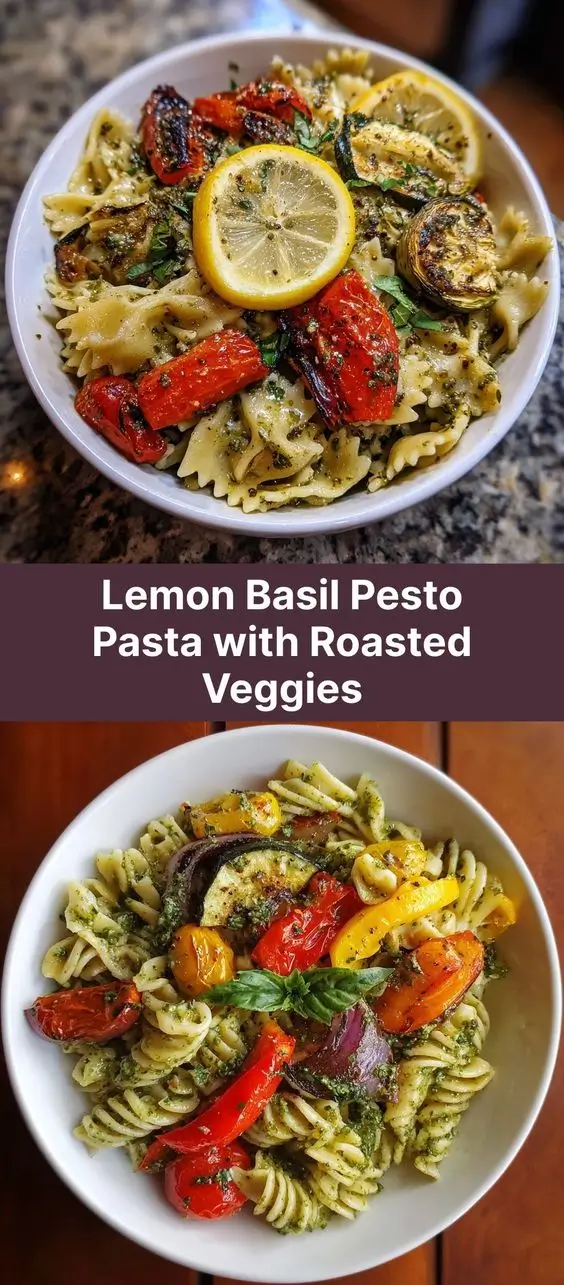
Welcome to a vibrant, refreshing twist on a classic favorite — Lemon Basil Pesto Pasta with Roasted Veggies. This dish combines the bright zing of lemon, the aromatic freshness of basil, and the earthy richness of perfectly roasted seasonal vegetables, all tossed into a creamy, homemade pesto-coated pasta. Whether you’re looking for a light weeknight dinner, a healthy meal prep option, or a show-stopping dish to impress guests, this recipe delivers on flavor, texture, and nutrition. Packed with antioxidants, fiber, and plant-based goodness, it’s not just delicious — it’s nourishing too. Let’s dive into the world of citrus-infused herbal bliss and discover how to craft this modern Mediterranean masterpiece in your own kitchen.
The History
Pesto, derived from the Italian word “pestare,” meaning “to crush or pound,” has roots stretching back centuries in the Liguria region of northern Italy, particularly around Genoa. Traditionally, pesto was made using a mortar and pestle with fresh basil, pine nuts, garlic, Parmesan cheese, and extra-virgin olive oil. The original Genovese pesto celebrated simplicity and seasonality, relying on the freshest local ingredients. Over time, as global palates evolved and culinary experimentation flourished, variations emerged. Enter the modern reinterpretation: Lemon Basil Pesto. By introducing lemon zest and juice, chefs and home cooks alike have elevated the classic pesto with a tangy brightness that cuts through richness and enhances freshness. When paired with roasted vegetables — a technique dating back to ancient roasting practices in Mediterranean and Middle Eastern cuisines — this dish becomes a fusion of tradition and innovation. Today’s Lemon Basil Pesto Pasta with Roasted Veggies is a celebration of global food evolution, combining old-world techniques with contemporary health-conscious choices, making it a staple in modern vegetarian and flexitarian diets.
Ingredients Breakdown
Every ingredient in this dish plays a crucial role in building layers of flavor, texture, and nutrition:
- Fresh Basil: The star of the pesto, basil provides a sweet, slightly peppery aroma that defines the sauce’s character. Rich in antioxidants and essential oils like eugenol, it also offers anti-inflammatory benefits.
- Lemon: Both zest and juice are used to infuse the pesto with a sunny tang. Lemon adds vitamin C, aids digestion, and balances the oiliness of the nuts and cheese.
- Garlic: A pungent yet essential element, garlic deepens the savory profile and brings immune-boosting allicin to the mix.
- Pine Nuts (or substitutes): These tender, buttery nuts provide creaminess and richness. While traditional, they can be swapped with walnuts, almonds, or cashews for cost or allergy considerations.
- Extra-Virgin Olive Oil: Cold-pressed EVOO binds the pesto while contributing heart-healthy monounsaturated fats and polyphenols.
- Parmesan Cheese: Adds umami depth and saltiness. For a vegan version, nutritional yeast can mimic its cheesy flavor.
- Pasta: Use whole wheat, chickpea, lentil, or gluten-free varieties depending on dietary needs. Long strands like fettuccine or linguine hold pesto well, but penne or fusilli work great for trapping roasted veggies.
- Roasted Vegetables: A colorful medley typically includes bell peppers, zucchini, cherry tomatoes, red onion, eggplant, and broccoli. These bring fiber, vitamins, and natural sweetness when caramelized.
- Seasonings: Salt, black pepper, and optional red pepper flakes enhance overall taste and add gentle heat.
Step-by-Step Recipe
Part 1: Roast the Vegetables
- Preheat your oven to 400°F (200°C). Line two large baking sheets with parchment paper for easy cleanup.
- Wash and prepare 3 cups of mixed vegetables — slice zucchini and bell peppers into ½-inch pieces, halve cherry tomatoes, chop red onion into wedges, and cut eggplant into cubes (tossing in a bit of salt first helps draw out bitterness).
- Place the chopped vegetables on the baking sheets in a single layer to ensure even roasting. Drizzle with 2–3 tablespoons of olive oil, sprinkle with sea salt, freshly ground black pepper, and a pinch of dried oregano or thyme.
- Toss everything together with clean hands or tongs until evenly coated.
- Roast for 25–30 minutes, flipping halfway through, until the vegetables are tender, slightly crispy at the edges, and beautifully caramelized. Remove from oven and set aside.
Part 2: Cook the Pasta
- Bring a large pot of salted water to a boil — use about 1 tablespoon of salt per 4 quarts of water to properly season the pasta.
- Add 12 oz (340g) of your preferred pasta — whole wheat fusilli, farfalle, or spaghetti work wonderfully.
- Cook according to package instructions until al dente (usually 9–12 minutes). Reserve ½ cup of pasta water before draining.
- Drain the pasta but do not rinse — rinsing removes starch needed for sauce adhesion.
Part 3: Make the Lemon Basil Pesto
- In a food processor or high-speed blender, combine: 2 tightly packed cups of fresh basil leaves (stems removed), zest of 1 large lemon, juice of half a lemon (about 2 tbsp), 2 cloves of peeled garlic, ⅓ cup of toasted pine nuts (or walnuts), ½ cup of freshly grated Parmesan cheese, and a pinch of salt.
- Begin pulsing the mixture, slowly drizzling in ⅓ to ½ cup of extra-virgin olive oil until a smooth, emulsified paste forms. Add more oil for a thinner consistency if needed.
- Taste and adjust seasoning — add more lemon juice for brightness, salt for depth, or cheese for richness. Set aside.
Part 4: Combine Everything
- In a large mixing bowl or directly in the warm pasta pot, add the drained pasta.
- Add the freshly made lemon basil pesto and toss thoroughly to coat every strand.
- Gradually add reserved pasta water, one tablespoon at a time, to loosen the sauce and help it cling to the pasta.
- Gently fold in the roasted vegetables, ensuring they’re evenly distributed.
- Optional: garnish with extra Parmesan, a squeeze of fresh lemon juice, cracked black pepper, or microgreens.
- Serve immediately while warm.
Tips
- Toast Your Nuts: Lightly toast pine nuts or alternative nuts in a dry skillet over medium heat for 3–5 minutes until golden and fragrant. This enhances their nutty flavor dramatically.
- Don’t Overcook Basil: Never cook the pesto — always toss it with warm (not boiling hot) pasta to preserve the fresh herb flavor and vibrant green color.
- Use Fresh Lemon Zest: Zest the lemon before juicing it. Microplane works best. Avoid the white pith, which is bitter.
- Reserve Pasta Water: The starchy liquid is key for creating a silky, restaurant-quality sauce. Don’t skip this step!
- Balancing Acidity: If the lemon flavor is too sharp, balance it with an extra tablespoon of cheese or a touch of honey.
- Prevent Browning Eggplant: If using eggplant, toss cubes with salt and let sit for 10–15 minutes, then rinse and pat dry to reduce moisture and prevent mushiness.
- Make Ahead Friendly: Roast veggies and make pesto up to 3 days in advance. Store pesto with a thin layer of olive oil on top to prevent oxidation. Assemble just before serving.
- Double the Pesto: This sauce freezes beautifully. Portion into ice cube trays, freeze, then transfer to bags for quick future meals.
Variations and Customizations
This recipe is highly adaptable to different tastes, diets, and pantries:
- Vegan Version: Omit Parmesan and use ¼ cup nutritional yeast instead. Ensure pasta is egg-free.
- Nut-Free Option: Replace pine nuts with sunflower seeds or pepitas (pumpkin seeds) for a safe, crunchy alternative.
- Gluten-Free: Use certified gluten-free pasta made from brown rice, quinoa, or lentils.
- Protein Boost: Add grilled chicken, shrimp, tofu, tempeh, white beans, or chickpeas for a heartier meal.
- Different Herbs: Mix in a small amount of mint or parsley for added complexity. Arugula can replace some basil for a peppery kick.
- Vegetable Swaps: Try sweet potatoes, asparagus, mushrooms, carrots, or Brussels sprouts based on seasonality.
- Creamy Twist: Stir in a spoonful of Greek yogurt or ricotta for a creamier texture without sacrificing freshness.
- Spicy Kick: Add a finely minced jalapeño to the pesto or sprinkle with chili flakes before serving.
- Pesto Ice Cubes in Soup: Drop a frozen lemon basil pesto cube into minestrone or vegetable soup for instant flavor infusion.
Health Considerations and Nutritional Value
This dish shines as a balanced, nutrient-dense meal suitable for various lifestyles:
- Heart Health: Olive oil and nuts provide monounsaturated fats that support cardiovascular wellness.
- Antioxidant-Rich: Basil contains flavonoids and volatile oils with antioxidant properties; lemon adds vitamin C; colorful veggies contribute phytonutrients like lycopene and beta-carotene.
- Fiber Content: Whole grain pasta and abundant vegetables deliver sustained energy and digestive health support.
- Low in Saturated Fat: Especially in vegan versions, this meal avoids heavy dairy and processed fats.
- Calcium & Protein: Parmesan provides calcium and protein, while legume-based pastas offer plant-based protein (up to 25g per serving).
- Low Glycemic Index: When made with whole grains and non-starchy vegetables, this dish supports stable blood sugar levels.
- Hydration Support: Zucchini and tomatoes have high water content, helping maintain hydration.
- Considerations: Be mindful of sodium if using pre-grated cheese or salty pasta; opt for low-sodium options when possible. Those with nut allergies should carefully substitute ingredients. Individuals on blood thinners should monitor vitamin K intake from leafy greens like basil — though moderate consumption is generally safe.
A typical serving (1/4 of the recipe with whole wheat pasta and standard pesto) contains approximately:
- Calories: 480–550
- Protein: 15–20g
- Fat: 25–30g (mostly unsaturated)
- Carbohydrates: 50–60g
- Fiber: 8–10g
- Vitamin C: Over 100% DV
- Iron, Calcium, Vitamin A: Significant amounts depending on ingredients used
Ingredients
For the Roasted Vegetables:
- 1 medium zucchini, sliced
- 1 yellow squash, sliced (optional)
- 1 red bell pepper, chopped
- 1 cup cherry tomatoes, halved
- ½ medium red onion, cut into wedges
- 1 small eggplant, cubed (optional)
- 2–3 tbsp extra-virgin olive oil
- ½ tsp sea salt
- ¼ tsp black pepper
- ½ tsp dried thyme or oregano
For the Lemon Basil Pesto:
- 2 cups fresh basil leaves, packed
- Zest of 1 lemon
- Juice of ½ lemon (about 2 tbsp)
- ⅓ cup pine nuts (or walnuts/sunflower seeds)
- 2 cloves garlic, peeled
- ½ cup grated Parmesan cheese (or nutritional yeast for vegan)
- ⅓–½ cup extra-virgin olive oil
- Salt to taste
For the Pasta:
- 12 oz (340g) pasta (whole wheat, chickpea, or gluten-free)
- 1 tbsp salt (for pasta water)
- ½ cup reserved pasta water
Optional Garnishes:
- Extra Parmesan or vegan cheese
- Cracked black pepper
- Red pepper flakes
- Fresh lemon wedges
- Microgreens or basil ribbons
Directions
- Roast the Vegetables: Preheat oven to 400°F (200°C). Prepare all vegetables and spread across parchment-lined baking sheets. Drizzle with olive oil, season with salt, pepper, and herbs. Toss well and roast 25–30 minutes, flipping once, until tender and golden. Set aside.
- Cook the Pasta: In a large pot, bring salted water to a rolling boil. Add pasta and cook until al dente. Before draining, reserve ½ cup of starchy cooking water. Drain pasta and return to the pot.
- Make the Pesto: In a food processor, combine basil, lemon zest, lemon juice, garlic, nuts, and cheese. Pulse to blend. With the motor running, slowly pour in olive oil until smooth. Season with salt. Adjust consistency with more oil if needed.
- Combine: Add pesto to the warm pasta. Toss thoroughly. Gradually add reserved pasta water (start with 2–3 tbsp) until sauce is glossy and coats the pasta.
- Mix in Veggies: Gently fold in roasted vegetables. Taste and adjust seasoning — more lemon, salt, or pepper as desired.
- Serve: Divide into bowls. Garnish with extra cheese, black pepper, lemon wedges, or fresh herbs. Serve immediately.
FAQ
Can I make this ahead of time?
Yes! Roast the veggies and prepare the pesto up to 3 days in advance. Store separately in airtight containers in the fridge. Cook pasta fresh and combine just before serving for best texture.
How do I store leftovers?
Store in an airtight container in the refrigerator for up to 4 days. Reheat gently in a skillet with a splash of water or olive oil to revive moisture. Do not microwave aggressively, as it may dull the basil’s color and aroma.
Can I freeze lemon basil pesto?
Absolutely. Freeze in ice cube trays, then transfer to freezer bags. Use within 6 months. Drop a cube directly into hot pasta or soups.
Why is my pesto turning brown?
Exposure to air causes oxidation. To prevent this, press plastic wrap directly onto the surface of stored pesto or cover with a thin layer of olive oil. Using a squeeze of lemon juice also helps preserve color.
What if I don’t have a food processor?
You can make pesto with a mortar and pestle for authentic texture, though it takes more effort. Alternatively, finely chop ingredients and mash garlic with salt before whisking in oil and combining by hand.
Is this dish suitable for weight loss?
Yes, when portion-controlled. Focus on generous veggies, moderate pasta, and healthy fats. Serve with a side salad for a filling, low-calorie meal.
Can I use dried basil?
Not recommended. Dried basil lacks the vibrant flavor and oily texture needed for pesto. Always use fresh for this recipe.
Can I add meat?
Yes! Grilled chicken, shrimp, or even pancetta pairs wonderfully. Add protein after roasting veggies or sauté separately before combining.
Why isn’t my sauce creamy?
Ensure you’re using enough olive oil and that the pasta is warm when mixing. The starch from the reserved water is essential for emulsification. Blend longer if needed.
Can I use bottled lemon juice?
Freshly squeezed is best — it has brighter flavor and no preservatives. Bottled juice can taste flat or metallic due to oxidation during processing.
Summary
Lemon Basil Pesto Pasta with Roasted Veggies is a harmonious blend of zesty citrus, fragrant herbs, and caramelized seasonal produce, delivering a nutritious and flavorful meal that satisfies both comfort and wellness goals. Quick to assemble, endlessly customizable, and bursting with Mediterranean charm, this dish is destined to become a beloved staple in your culinary repertoire.