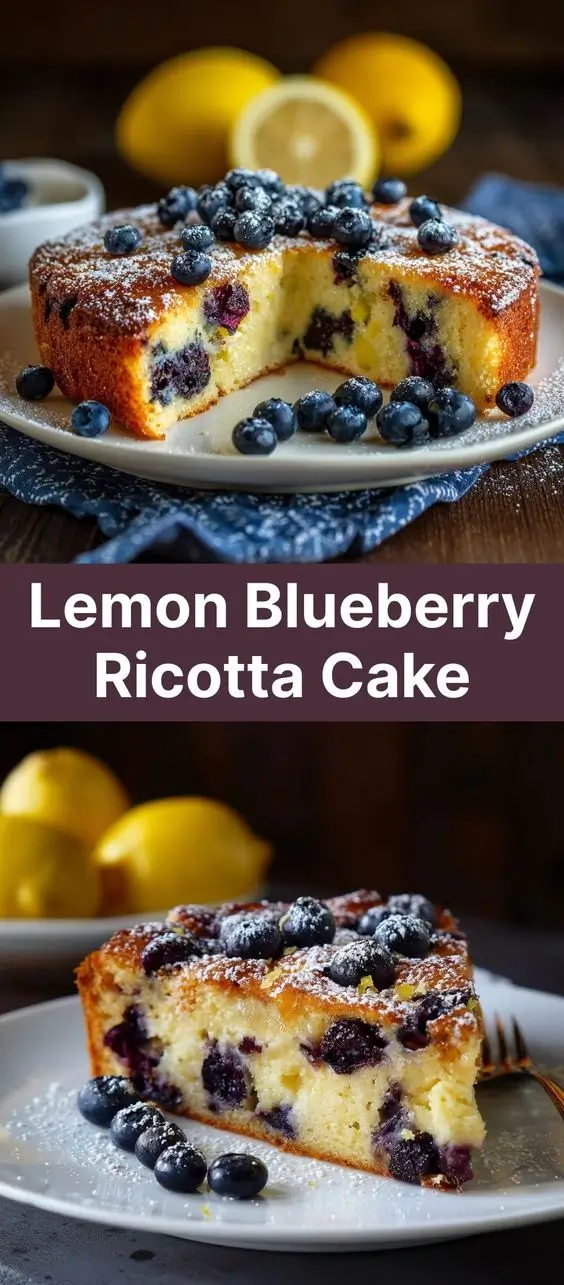
Lemon Blueberry Ricotta Cake: A Moist, Zesty Delight for Every Occasion
The History of Lemon Blueberry Ricotta Cake
The story of the lemon blueberry ricotta cake is a beautiful fusion of old-world tradition and modern American innovation. While cakes made with ricotta cheese have roots in Italian cuisine—particularly in desserts like casatiello and pastiera napoletana, which celebrate the creamy, slightly sweet texture of fresh sheep or cow milk ricotta—the incorporation of lemon and blueberries represents a more contemporary evolution.
Ricotta-based cakes were originally developed as a way to use leftover cheese in a light, indulgent format, often during festive times such as Easter. The addition of citrus, particularly lemon, brought brightness and cut through the richness of the cheese. When European bakers immigrated to North America, they encountered an abundance of wild blueberries, especially in regions like New England. Over time, home bakers began experimenting by folding plump, juicy blueberries into their ricotta cakes, creating a harmonious balance between tart, sweet, and creamy flavors.
By the late 20th century, this combination had become a staple in brunch menus, farmers’ markets, and artisanal bakeries across the United States. Food bloggers and cookbook authors further popularized the lemon blueberry ricotta cake in the 2000s, praising its moist crumb, vibrant flavor, and relative ease of preparation. Today, it stands as a beloved hybrid dessert—bridging Mediterranean heritage with American seasonal ingredients—and is often served at spring and summer gatherings, bridal showers, and cozy weekend breakfasts.
Ingredients Breakdown: What Makes This Cake So Special?
The magic of the lemon blueberry ricotta cake lies in its carefully balanced ingredients, each contributing to its signature texture and taste. Let’s take a deep dive into what goes into this delightful treat and why every component matters:
- Ricotta Cheese: Full-fat, whole-milk ricotta is essential. It provides moisture, a delicate creaminess, and a slight grain that gives the cake a rustic, homemade feel. Unlike denser cheeses, ricotta blends smoothly into batters without weighing them down.
- Fresh Lemons: Both the zest and juice are used. The zest contains aromatic oils that infuse the batter with intense citrus fragrance, while the juice adds acidity that brightens the overall flavor and reacts with baking soda for a better rise.
- Fresh Blueberries: Preferably firm, dry, and organic. Tossed in flour before folding into the batter to prevent sinking. They burst during baking, creating juicy pockets that contrast beautifully with the tender crumb.
- Granulated Sugar: Sweetens the cake and helps create a golden-brown crust. Some recipes use a portion of brown sugar for added depth, but traditional versions stick to white sugar for a clean sweetness.
- Large Eggs: Act as a binder and add structure. Beaten until light, they also contribute to a fluffy texture.
- All-Purpose Flour: Provides the necessary gluten structure without making the cake tough. Cake flour can be substituted for an even softer crumb, but all-purpose works perfectly for home bakers.
- Baking Powder & Baking Soda: Leavening agents that work together—baking powder for lift, and baking soda (activated by lemon juice) for extra rise and tenderness.
- Salt: Enhances all the other flavors, preventing the cake from tasting flat.
- Vanilla Extract: Adds warmth and complexity, complementing both lemon and blueberry notes.
- Butter (unsalted): Preferably softened, it adds richness and helps create a velvety texture. Melted butter can be used for a denser result, but creamed butter yields a lighter cake.
Optional enhancements include a simple glaze (powdered sugar + lemon juice), a sprinkle of turbinado sugar on top before baking for crunch, or even a splash of limoncello for an adult twist.
Step-by-Step Recipe: How to Make the Perfect Lemon Blueberry Ricotta Cake
Follow these detailed instructions to bake a show-stopping lemon blueberry ricotta cake that’s moist, fragrant, and bursting with flavor.
Ingredients
- 2 cups (250g) all-purpose flour
- 1 ½ teaspoons baking powder
- ½ teaspoon baking soda
- ¼ teaspoon salt
- 1 tablespoon lemon zest (from about 2 large lemons)
- ½ cup (115g) unsalted butter, softened to room temperature
- 1 ¼ cups (250g) granulated sugar
- 3 large eggs, room temperature
- 1 teaspoon pure vanilla extract
- 1 ½ cups (360g) whole-milk ricotta cheese, well-drained
- ⅓ cup (80ml) fresh lemon juice (about 2 lemons)
- 1 ½ cups (225g) fresh blueberries, rinsed, dried thoroughly, and tossed in 1 tablespoon flour
- Optional: 1–2 tablespoons turbinado sugar for topping
Directions
- Preheat & Prepare: Preheat your oven to 350°F (175°C). Grease a 9-inch round springform pan or line a loaf pan with parchment paper. For best results, use a springform pan to easily release the cake without breaking.
- Mix Dry Ingredients: In a medium bowl, whisk together the flour, baking powder, baking soda, salt, and lemon zest. Set aside.
- Cream Butter & Sugar: In a large mixing bowl, beat the softened butter and granulated sugar together on medium-high speed until light and fluffy (about 3–4 minutes). Scrape down the sides as needed.
- Add Eggs & Vanilla: Add the eggs one at a time, beating well after each addition. Mix in the vanilla extract until fully incorporated.
- Incorporate Ricotta & Lemon Juice: Reduce mixer speed to low. Gradually add half of the dry ingredients, followed by the ricotta and lemon juice, mixing just until combined. Add the remaining dry ingredients and mix until no flour streaks remain. Do not overmix.
- Fold in Blueberries: Using a rubber spatula, gently fold in the flour-coated blueberries. Be careful not to crush them. The batter will be thick and luscious.
- Transfer to Pan: Pour the batter into the prepared pan, smoothing the top with a spatula. Sprinkle turbinado sugar evenly over the surface for a crunchy, golden crust.
- Bake: Bake for 50–60 minutes (for a round cake) or 60–70 minutes (for a loaf), or until a toothpick inserted into the center comes out clean or with moist crumbs (not wet batter).
- Cool: Allow the cake to cool in the pan for 15 minutes. Then, run a knife around the edges and remove the outer ring of the springform. Cool completely on a wire rack before slicing or glazing.
- Optional Glaze: Whisk together 1 cup powdered sugar with 2–3 tablespoons fresh lemon juice until smooth. Drizzle over the cooled cake for extra tang and elegance.
Tips for Success: Expert Advice for the Best Results
- Use Room Temperature Ingredients: Cold ricotta or eggs can cause the batter to curdle. Let all refrigerated items sit out for at least 30 minutes before starting.
- Drain the Ricotta: If your ricotta seems watery, place it in a fine-mesh strainer lined with cheesecloth for 30 minutes to remove excess moisture. This prevents a soggy cake.
- Don’t Overmix: Once you add the dry ingredients, mix only until combined. Overmixing develops gluten, leading to a tough cake.
- Toss Blueberries in Flour: This creates a protective coating that helps prevent them from sinking to the bottom during baking.
- Check for Doneness Early: Ovens vary. Start checking at 50 minutes. The cake is done when it’s golden brown, springs back to the touch, and a skewer comes out clean.
- Cool Properly: Cooling slowly helps the structure set. Cutting too early may cause crumbling.
- Enhance Flavor: For a deeper lemon profile, add ½ teaspoon of lemon extract along with the vanilla.
Variations and Customizations
This versatile cake welcomes creativity. Try these delicious twists:
- Lime or Orange Version: Swap lemons for limes or oranges. Lime pairs wonderfully with raspberries; orange complements dark chocolate chips.
- Gluten-Free: Substitute all-purpose flour with a high-quality 1:1 gluten-free blend. Add ¼ teaspoon xanthan gum if not included.
- Dairy-Free: Use plant-based ricotta (like cashew or tofu-based) and vegan butter. Results may be slightly denser but still tasty.
- Add Nuts: Fold in ½ cup chopped toasted almonds, pecans, or walnuts for added crunch and richness.
- Spice It Up: Add ½ teaspoon ground cardamom or cinnamon for a warm, aromatic note.
- Berry Swaps: Replace blueberries with blackberries, raspberries, or sliced strawberries (though strawberries may release more liquid).
- Mini Cakes or Muffins: Divide the batter into muffin tins and bake for 20–25 minutes for individual servings.
- Limoncello Infusion: Add 2 tablespoons of limoncello to the batter and replace 1 tablespoon of lemon juice with it for a boozy kick.
- Yogurt Variation: Replace ricotta with Greek yogurt for a tangier, lighter texture.
Health Considerations and Nutritional Value
While undeniably delicious, it’s worth understanding the nutritional aspects of this dessert so it can be enjoyed mindfully.
Nutritional Profile (Per Slice, 1/10 of Cake, Without Glaze):
- Calories: ~320 kcal
- Total Fat: 14g (mostly from butter and ricotta)
- Saturated Fat: 8g
- Cholesterol: 85mg
- Carbohydrates: 42g
- Sugars: 28g (naturally occurring and added)
- Protein: 8g (ricotta adds a protein boost compared to standard cakes)
- Fiber: 1g
- Sodium: 220mg
Health Notes:
- Ricotta Benefits: Ricotta is lower in fat than many cheeses and provides high-quality protein and calcium. Opting for part-skim ricotta reduces fat content slightly, though full-fat yields better texture.
- Blueberries: Packed with antioxidants, vitamin C, and fiber, blueberries make this cake more nutrient-dense than typical desserts.
- Lemons: Rich in vitamin C and flavonoids, they aid digestion and boost immunity.
- Portion Control: Serve modest slices with a dollop of whipped cream or Greek yogurt to enhance satisfaction without overeating.
- Lower-Sugar Option: Reduce sugar to 1 cup and use ripe mashed banana or applesauce to maintain moisture.
- Gluten Sensitivity: As noted, gluten-free adaptations are possible with proper flour substitutes.
Frequently Asked Questions (FAQ)
Can I use frozen blueberries?
Yes, but do not thaw them. Toss frozen blueberries directly in flour and fold into the batter while still frozen. This helps prevent color bleeding and excessive moisture.
Why did my cake sink in the middle?
Possible reasons: underbaking, opening the oven door too early, overmixing the batter, or using too much leavening. Ensure accurate measurements and avoid sudden temperature changes.
Can I make this cake ahead of time?
Absolutely. Bake and cool completely, then store covered at room temperature for up to 2 days or refrigerate for up to 5 days. Bring to room temperature before serving. You can also freeze the unglazed cake for up to 3 months—wrap tightly in plastic and foil.
Can I omit the eggs?
Eggs provide structure and moisture. For egg-free versions, try flax eggs (1 tbsp ground flax + 3 tbsp water per egg), but expect a denser texture. Commercial egg replacers may work better.
Why use ricotta instead of cottage cheese?
Ricotta has a smoother, finer texture and milder flavor. Cottage cheese can be blended until smooth, but may leave small curds and impart a tangier taste.
How do I store leftovers?
Keep the cake covered at room temperature for 1–2 days. For longer storage, refrigerate in an airtight container. Let it come to room temperature before serving for best texture.
Can I bake this in a different pan?
Yes. Use two 8-inch round pans for layer cakes (reduce baking time to 35–40 minutes), or a bundt pan (increase time to 60–70 minutes). Adjust accordingly.
Is this cake suitable for special diets?
With modifications, it can be adapted to gluten-free, vegetarian, or nut-free diets. Dairy-free and vegan versions require ingredient swaps but are achievable with experimentation.
Summary
The lemon blueberry ricotta cake is a luscious, moist dessert that marries the tangy brightness of lemon with the sweet juiciness of blueberries and the creamy richness of ricotta. Easy to make and endlessly customizable, it’s perfect for breakfast, brunch, or dessert.