Introduction
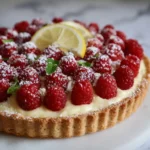
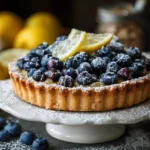
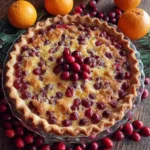
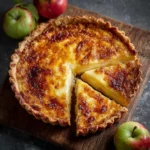
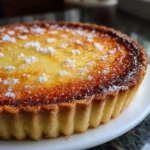
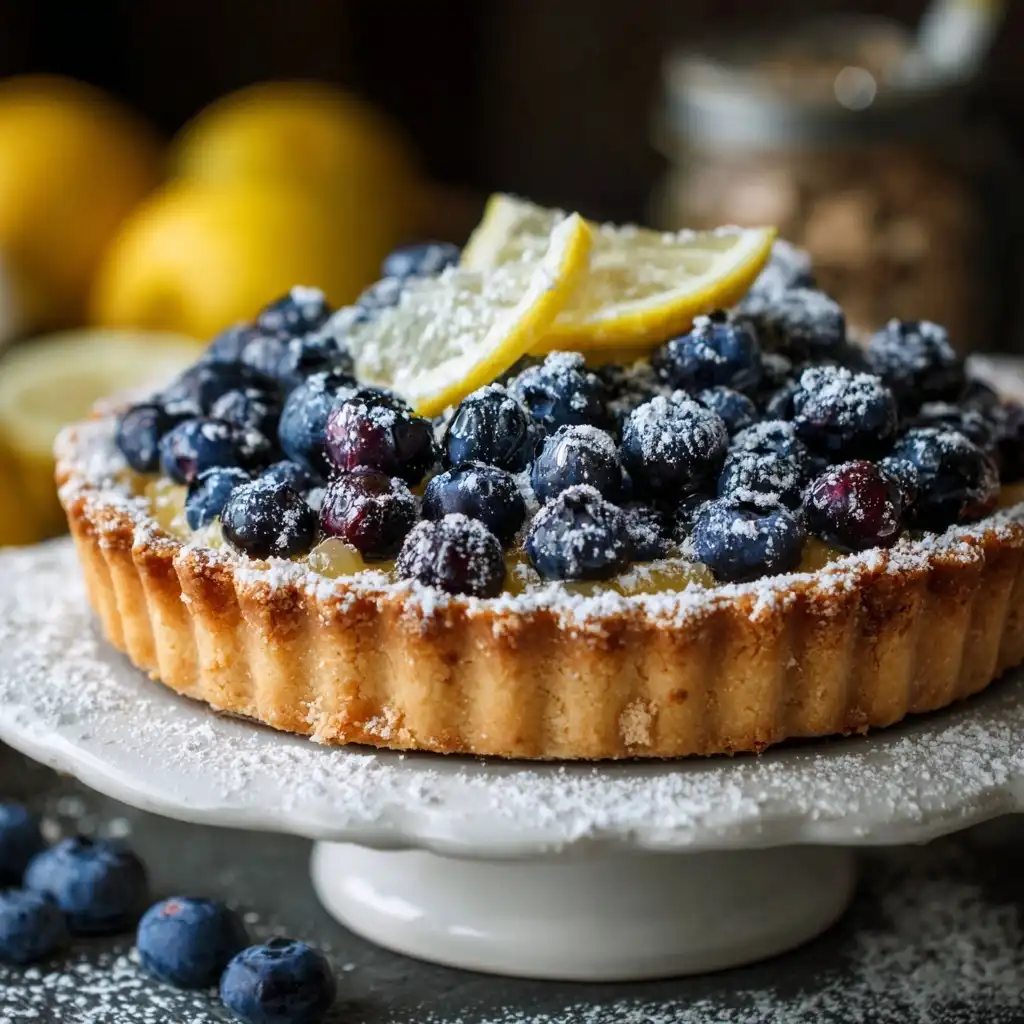
The Lemon Blueberry Tart is a dazzling celebration of seasonal contrasts—bright, zesty citrus meets sweet-tart, jewel-toned berries in a buttery, golden shell. Elegant yet approachable, this dessert bridges the sophistication of French pâtisserie with the comforting familiarity of American summer baking. Whether served at a sun-dappled garden brunch, a refined dinner party finale, or simply as a weeknight treat with a cup of Earl Grey, its vibrant color, balanced acidity, and tender-crisp texture make it endlessly captivating. Unlike heavier fruit pies or overly sweet tarts, this version prioritizes clarity of flavor: the lemon curd shines with pure, sunlit tang, while the blueberry layer offers bursts of floral sweetness and gentle structure—never mushy, never one-note. It’s not just a dessert—it’s an edible mood lifter, a canvas for creativity, and a testament to how simplicity, when executed with care, yields extraordinary results.
The History
The Lemon Blueberry Tart is a relatively modern confection, emerging organically in the late 20th century as regional American baking traditions converged with European tart-making techniques. Its lineage traces back through several culinary currents: First, the classic French tarte au citron, perfected in Provence and Brittany since the 19th century, brought the idea of a silky, intensely flavored lemon curd nestled in a crisp, shortcrust pastry (pâte sucrée). Simultaneously, North American bakers—especially in Maine, Michigan, and British Columbia—elevated native wild and cultivated blueberries into iconic desserts like blueberry grunt, buckle, and pie, celebrating their natural pectin, antioxidant richness, and terroir-driven nuances. The fusion began in earnest in the 1980s and ’90s, as artisanal bakeries and food magazines (notably Bon Appétit, Martha Stewart Living, and Food & Wine) championed “farm-to-table” pairings—lemon and blueberry proved a natural match, both botanically complementary (citrus cuts through berry richness) and culturally resonant (evoking coastal New England summers and Pacific Northwest orchards). Chefs like Alice Waters and Nancy Silverton further legitimized the combination in fine-dining contexts, while home bakers embraced it for its forgiving nature and visual appeal. Today, it stands as a hallmark of contemporary rustic-elegant baking—a dessert equally at home in a Brooklyn café, a Napa Valley vineyard tasting room, or a suburban kitchen on a rainy Sunday afternoon.
Ingredients Breakdown
Every exceptional Lemon Blueberry Tart begins with intentionality—not just listing ingredients, but understanding *why* each one matters, how it functions, and where quality makes an irrevocable difference:
- For the Pâte Sucrée (Sweet Shortcrust Pastry): Unbleached all-purpose flour provides gluten structure without toughness; European-style unsalted butter (82–84% fat, like Plugrá or Kerrygold) delivers unparalleled flakiness and rich, cultured depth; confectioners’ sugar (not granulated) ensures tenderness and dissolves seamlessly; a large egg yolk adds richness and binding power without excess moisture; cold water hydrates the dough gently; a pinch of fine sea salt balances sweetness and enhances overall flavor perception.
- For the Lemon Curd Filling: Freshly squeezed lemon juice (never bottled) is non-negotiable—the volatile oils in zest and juice provide aromatic brightness that bottled versions lack entirely; superfine sugar dissolves instantly into the custard base, preventing graininess; pasteurized large egg yolks create luxurious silkiness and emulsification; unsalted butter, added off-heat, gives gloss, mouthfeel, and temperature stability; lemon zest (preferably from organic lemons) contributes essential citrus oil compounds that define the curd’s perfume.
- For the Blueberry Layer: Fresh, peak-season blueberries (wild lowbush or cultivated highbush) offer optimal sweetness-acid balance and firm texture; frozen blueberries (without added sugar or syrup) are a viable, year-round alternative—just do not thaw them before use to avoid excess liquid; granulated sugar is measured precisely to complement—not overwhelm—the berries’ natural sugars; cornstarch acts as a gentle, clear-setting thickener that preserves berry integrity; a touch of lemon juice here reinforces the citrus thread and brightens the entire profile; a whisper of ground cardamom (optional but highly recommended) adds a warm, floral complexity that harmonizes lemon and blueberry without straying from authenticity.
- For Finishing: A light dusting of powdered sugar adds visual elegance and a hint of sweetness; fresh lemon zest or edible flowers (like pansies or borage) elevate presentation; a drizzle of local honey or a spoonful of crème fraîche offers textural contrast and nuanced acidity for serving.
Step-by-Step Recipe
- Prepare the Pâte Sucrée Dough (Minimum 2 hours ahead, preferably overnight): In a food processor, pulse 1 ¼ cups (160g) chilled, cubed unsalted butter with ¼ cup (30g) confectioners’ sugar and ¼ tsp fine sea salt until sandy. Add 1 ¾ cups (225g) chilled all-purpose flour; pulse 4–5 times until just combined. Add 1 large cold egg yolk and 2–3 tbsp ice water, 1 tbsp at a time, pulsing only until the dough begins to clump. Turn onto parchment; gather into a disc, wrap tightly, and refrigerate at least 2 hours (or freeze up to 3 months).
- Roll & Blind-Bake the Tart Shell: Preheat oven to 375°F (190°C). On a lightly floured surface, roll dough to ⅛” thickness. Gently transfer to a 9-inch (23cm) fluted tart pan with removable bottom. Trim edges, prick base with fork, and freeze 20 minutes. Line with parchment and pie weights (or dried beans). Bake 18 minutes. Remove weights and parchment; bake 12–15 more minutes until golden and dry. Cool completely on a wire rack.
- Make the Lemon Curd (Can be made 3 days ahead): Whisk ½ cup (120ml) fresh lemon juice, 1 tbsp finely grated lemon zest, ¾ cup (150g) superfine sugar, and 4 large egg yolks in a heatproof bowl. Set over a saucepan of barely simmering water (double boiler), stirring constantly with a silicone spatula. Cook 10–12 minutes until thickened enough to coat the back of a spoon (170°F/77°C). Remove from heat; whisk in ½ cup (115g) cold, cubed unsalted butter, one piece at a time, until fully emulsified and glossy. Strain through a fine-mesh sieve into a clean bowl. Press plastic wrap directly onto surface. Chill 2+ hours until set but spreadable.
- Prepare the Blueberry Layer: In a medium bowl, gently toss 3 cups (450g) fresh or frozen (unthawed) blueberries with ⅓ cup (65g) granulated sugar, 3 tbsp (24g) cornstarch, 1 tsp fresh lemon juice, and a generous pinch of ground cardamom (optional). Let sit 15 minutes to macerate slightly.
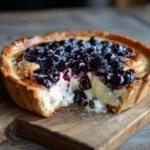
- Assemble & Bake: Spread chilled lemon curd evenly into the cooled tart shell using an offset spatula. Carefully spoon blueberry mixture over curd, spreading gently to cover without disturbing the layer beneath. Bake at 375°F (190°C) for 35–42 minutes—until blueberry juices bubble thickly at the edges and the center is set (a slight jiggle is fine; it firms on cooling). Cool on a wire rack for at least 2 hours before slicing—this is critical for clean cuts and layered integrity.
- Final Touches & Serve: Just before serving, dust generously with powdered sugar using a fine-mesh sieve. Garnish with extra lemon zest, fresh mint, or edible flowers. For ultimate contrast, serve with a quenelle of crème fraîche or a scoop of lavender-honey ice cream.
Tips
- Chill Relentlessly: Cold butter, cold dough, cold eggs, cold tart shell—temperature control is the single biggest factor in achieving a shatteringly crisp, non-soggy crust. Never skip the freezer step before blind-baking.
- Blind-Baking is Non-Negotiable: Skipping weights or under-baking leads to puffing, shrinking, or sogginess. Use ceramic pie weights—they retain heat evenly and prevent slumping.
- Lemon Juice Must Be Fresh: Bottled juice lacks volatile top notes and contains preservatives that can dull flavor and interfere with curd setting. Roll lemons firmly on the counter before juicing to maximize yield.
- Strain the Curd—Always: Even with careful whisking, tiny bits of cooked egg can form. Straining guarantees velvety smoothness and professional texture.
- Frozen Berries? Keep Them Frozen: Thawed berries release too much water, creating a watery layer that bleeds into the curd. Toss them straight from the freezer—they’ll cook perfectly and hold shape.
- Cool Completely Before Slicing: Cutting into a warm tart causes layers to slide, curd to weep, and berries to slump. Patience yields pristine, restaurant-quality slices.
- Use a Hot, Wet Knife: For clean cuts, dip a sharp chef’s knife in hot water and wipe dry between each slice. This prevents dragging and maintains structural definition.
- Prevent Crust Browning Too Fast: If edges darken before filling is set, loosely tent with foil during the last 10–15 minutes of baking.
- Room-Temperature Serving: While best chilled, let the tart sit at room temperature for 15–20 minutes before serving—this allows the curd to soften slightly and the flavors to bloom fully.
- Storage Wisdom: Refrigerate uncovered for first 24 hours (to prevent condensation), then cover loosely with parchment (not plastic wrap, which traps moisture). Consume within 3 days for optimal texture.
Variations and Customizations
This tart is a masterclass in adaptability—its core structure welcomes infinite expression while preserving its soul. Explore these inspired twists:
- Gluten-Free Version: Substitute the pastry with a blend of ¾ cup (95g) almond flour, ¾ cup (95g) oat flour (certified GF), ¼ cup (30g) tapioca starch, and ¼ tsp xanthan gum. Increase butter to ⅔ cup (150g) and add 1 tsp apple cider vinegar for elasticity. Chill dough 1 hour longer before rolling.
- Vegan Adaptation: Use vegan butter (Miyoko’s or Naturli’) and flax “eggs” (1 tbsp ground flax + 2.5 tbsp water per egg yolk) in the crust. For curd, replace eggs with silken tofu (½ cup) + agar powder (1 tsp, bloomed in 2 tbsp water); use coconut milk for richness. Blueberries remain unchanged.
- Herbal Infusion: Steep 1 tbsp fresh thyme or lavender buds in the warm lemon curd for 10 minutes before straining. Or stir 1 tsp finely chopped rosemary into the blueberry mixture for an unexpected piney lift.
- Nutty Crust Upgrade: Toast ½ cup (60g) sliced almonds or hazelnuts; grind coarsely and replace ¼ cup of flour in the pastry. Adds warmth, crunch, and depth that complements both lemon and berry.
- Double-Layer Citrus: Replace half the lemon juice in the curd with blood orange or yuzu juice for complex, floral-citrus nuance. Garnish with blood orange supremes.
- Decadent Chocolate Swirl: Melt 2 oz (60g) high-quality white chocolate; fold gently into the lemon curd before spreading. Or drizzle melted dark chocolate over the baked tart before chilling.
- Protein-Packed: Stir 2 tbsp hemp hearts or chia seeds into the blueberry mixture for subtle nuttiness and nutritional boost—no texture compromise.
- Mini-Tartlets: Press dough into 12 standard muffin tin cups (greased and floured). Reduce blind-bake time to 12 minutes; fill and bake mini versions for 25–28 minutes. Perfect for parties or portion control.
- Savory-Sweet Twist: Add a pinch of flaky Maldon salt to the finished tart or infuse the pastry with black pepper and lemon verbena for a sophisticated, grown-up finish.
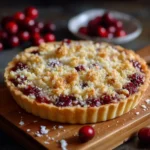
- Seasonal Swaps: In fall, substitute blackberries or cranberries (simmered briefly with orange zest); in spring, use rhubarb compote or early strawberries; in winter, try stewed pears with ginger and lemon.
Health Considerations and Nutritional Value
While undeniably indulgent, the Lemon Blueberry Tart offers meaningful nutritional virtues when crafted mindfully—transforming it from mere dessert to a mindful, nutrient-dense treat. Blueberries are among the most antioxidant-rich foods on earth, loaded with anthocyanins (linked to improved cognitive function and cardiovascular health), vitamin C, manganese, and dietary fiber—3 cups deliver ~12g fiber, supporting gut microbiome diversity and satiety. Lemons contribute high levels of vitamin C (immune support, collagen synthesis), flavonoids like hesperidin (anti-inflammatory, blood pressure modulation), and citric acid (natural digestive aid and kidney stone prevention). The shortcrust pastry, when made with high-fat, cultured butter, provides beneficial saturated fats and fat-soluble vitamins (A, D, E, K2), especially when sourced from grass-fed cows. Using whole-grain or nut-based flour alternatives increases fiber and micronutrient density. From a functional perspective, the tart’s low glycemic impact (thanks to fiber and acidity balancing sugar absorption) makes it more blood-sugar friendly than many desserts—particularly when enjoyed in modest portions (1 small slice). That said, moderation remains key: a standard slice (1/12 of recipe) contains approximately 320–360 calories, 18–22g total sugar (roughly 40% naturally occurring from fruit), 16–19g fat (mostly unsaturated and monounsaturated from butter and blueberries), and 3–4g protein. To enhance wellness alignment, consider reducing sugar by 1–2 tbsp in both curd and berries, using erythritol or monk fruit blend for lower-calorie sweetness, adding ground flax for omega-3s, or serving with Greek yogurt instead of whipped cream. Ultimately, this tart embodies the principle of *nutrient synergy*: the vitamin C in lemon dramatically boosts iron absorption from the blueberries’ polyphenols, while the healthy fats in butter ensure optimal uptake of fat-soluble antioxidants. It’s not “health food”—but it *is* joyful, intentional nourishment.
Ingredients
For the Sweet Shortcrust Pastry (Pâte Sucrée)
- 1 ¼ cups (160g) unsalted butter, very cold, cubed
- ¼ cup (30g) confectioners’ sugar
- ¼ teaspoon fine sea salt
- 1 ¾ cups (225g) unbleached all-purpose flour, chilled
- 1 large egg yolk, cold
- 2–3 tablespoons ice water
For the Lemon Curd
- ½ cup (120ml) freshly squeezed lemon juice (about 3–4 large lemons)
- 1 tablespoon finely grated lemon zest (from same lemons)
- ¾ cup (150g) superfine sugar
- 4 large egg yolks
- ½ cup (115g) unsalted butter, cold, cubed
For the Blueberry Layer
- 3 cups (450g) fresh blueberries (or frozen, unthawed)
- ⅓ cup (65g) granulated sugar
- 3 tablespoons (24g) cornstarch
- 1 teaspoon fresh lemon juice
- Pinch of ground cardamom (optional but recommended)
For Finishing
- Confectioners’ sugar, for dusting
- Extra lemon zest or edible flowers, for garnish
- Crème fraîche or high-quality vanilla ice cream, for serving (optional)
Directions
- Make the pastry dough: In a food processor, combine cold butter, confectioners’ sugar, and salt. Pulse 8–10 times until mixture resembles coarse meal. Add flour; pulse 4–5 times until just incorporated. Add egg yolk and 2 tbsp ice water; pulse 5–6 times until dough begins to clump. If too dry, add remaining water, 1 tsp at a time. Turn dough onto parchment paper; gather into a disc, wrap tightly, and refrigerate at least 2 hours or overnight.
- Blind-bake the tart shell: Preheat oven to 375°F (190°C). Roll chilled dough on a floured surface to ⅛-inch thickness. Fit into a 9-inch fluted tart pan with removable bottom; trim excess. Prick base with fork. Freeze 20 minutes. Line with parchment and fill with pie weights. Bake 18 minutes. Remove weights and parchment; bake 12–15 minutes more until golden brown and dry. Cool completely on a wire rack.
- Prepare lemon curd: Whisk lemon juice, zest, superfine sugar, and egg yolks in a heatproof bowl. Place over a saucepan of barely simmering water (do not let bowl touch water). Stir constantly with silicone spatula until thickened and coats spoon (10–12 min, ~170°F). Off heat, whisk in butter, one cube at a time, until smooth. Strain through fine-mesh sieve. Cover surface with plastic wrap; chill 2+ hours.
- Make blueberry filling: In bowl, gently toss blueberries, granulated sugar, cornstarch, lemon juice, and cardamom. Let sit 15 minutes.
- Assemble and bake: Spread chilled lemon curd evenly into cooled tart shell. Spoon blueberry mixture over curd, spreading gently. Bake at 375°F (190°C) for 35–42 minutes, until blueberry juices bubble thickly and center is set. Cool on wire rack minimum 2 hours.
- Serve: Dust generously with confectioners’ sugar. Garnish with zest or flowers. Slice with hot, wet knife. Serve plain or with crème fraîche.
FAQ
- Can I make this tart ahead of time?
- Absolutely—and it’s recommended! The pastry dough keeps refrigerated for 3 days or frozen for 3 months. Lemon curd lasts 3–4 days refrigerated. Assembled, unbaked tart can be prepped (curd spread + berries arranged) and refrigerated overnight—add 3–5 minutes to bake time. Fully baked tart tastes best within 48 hours but stays delicious for up to 3 days refrigerated.
- Why did my crust shrink or bubble?
- Shrinking occurs from insufficient chilling (gluten relaxes when cold) or overworking dough. Bubbling happens if dough wasn’t pricked thoroughly before blind-baking or if it wasn’t frozen solid before weights went in. Always chill ≥20 minutes after lining pan.
- My lemon curd is lumpy or thin—what went wrong?
- Lumps mean inadequate whisking or overheating (causing egg proteins to scramble). Always whisk constantly over *gentle* heat. Thin curd usually means undercooking (not reaching 170°F) or insufficient butter emulsification. Straining fixes lumps; re-cooking gently with 1 tsp extra butter fixes thinness.
- Can I use bottled lemon juice?
- Strongly discouraged. Bottled juice lacks volatile citrus oils essential for aroma and brightness, contains preservatives (sodium benzoate) that mute flavor and can cause curdling, and often has inconsistent acidity. Fresh juice is foundational.
- How do I prevent a soggy bottom crust?
- Three keys: 1) Fully blind-bake until deep golden and completely dry (no pale spots), 2) Cool shell *completely* before adding curd, 3) Ensure lemon curd is well-chilled and thick before spreading—warm curd steams the crust.
- Are there lower-sugar options?
- Yes. Reduce sugar in curd by 2 tbsp (compensate with extra ½ tbsp butter for richness) and blueberries by 1 tbsp. Use monk fruit or erythritol blends (1:1 ratio) if preferred. Note: Sugar aids curd setting and berry texture—don’t omit entirely.
- What if I don’t have a tart pan?
- You can use a 9-inch pie plate—but expect deeper filling and longer bake time (+5–8 min). For crispier edges, use a dark metal pie plate. Avoid glass for blind-baking (uneven heating).
- Can I freeze the baked tart?
- Not recommended—the lemon curd may separate and berries become watery upon thawing. However, unbaked assembled tart freezes well for up to 1 month: wrap tightly in plastic + foil, bake from frozen adding 10–12 minutes.
- Why add cardamom to blueberries?
- Cardamom’s warm, citrusy, floral notes act as a “bridge spice,” enhancing lemon’s brightness while deepening blueberry’s earthy sweetness—without tasting “spicy.” It’s traditional in Scandinavian and Middle Eastern berry preparations.
- How do I store leftovers properly?
- Refrigerate uncovered for first 24 hours (prevents condensation). After, cover *loosely* with parchment paper (not plastic wrap, which traps moisture and softens crust). Do not stack slices. Best consumed within 72 hours.
Summary
The Lemon Blueberry Tart is a masterwork of balance—where the radiant acidity of house-made lemon curd meets the lush, antioxidant-rich depth of seasonal blueberries, all enrobed in a shatteringly crisp, butter-forward pâte sucrée that refuses to fade into the background. It’s a dessert rooted in tradition yet vibrantly modern, demanding attention to detail but rewarding patience with layers of nuanced flavor, elegant texture, and quiet, sunlit joy.
Whether you’re a novice baker seeking a showstopping first tart or a seasoned pastry chef refining your seasonal repertoire, this recipe offers both structure and space for expression—proving that the most memorable desserts aren’t just eaten, but remembered in the lingering brightness of lemon, the burst of blueberry, and the quiet satisfaction of a perfect, golden crust.