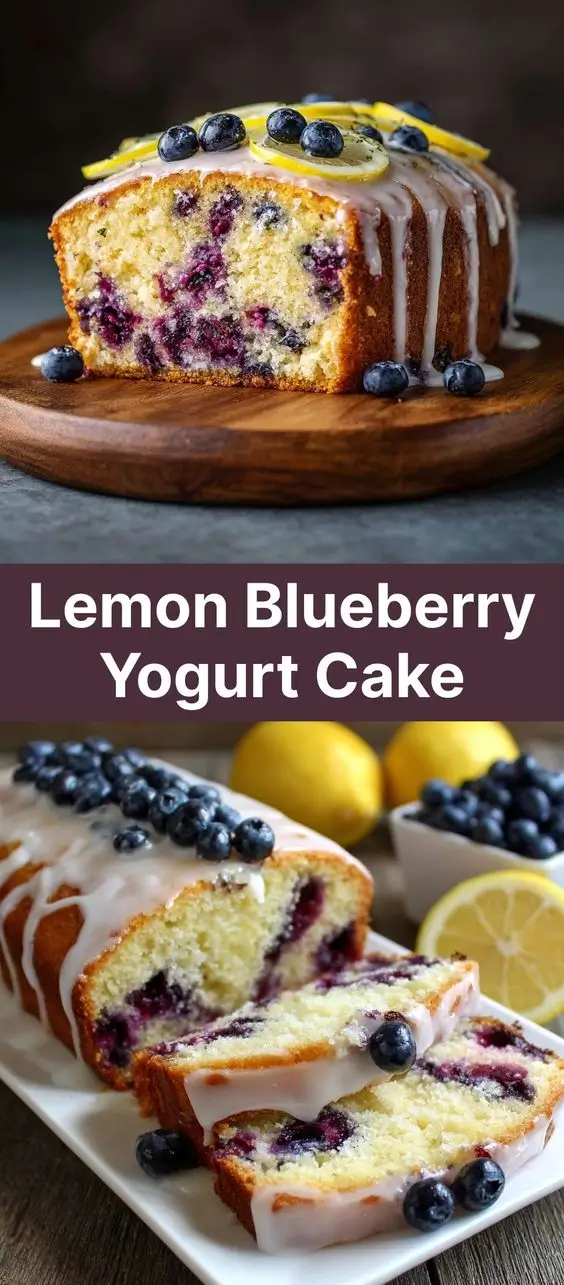
Lemon Blueberry Yogurt Cake: A Zesty, Moist Delight for Every Occasion
Introduction
The Lemon Blueberry Yogurt Cake is a harmonious blend of tangy citrus and sweet-tart berries, baked into a tender, moist crumb that melts in your mouth. This cake strikes the perfect balance between indulgence and simplicity, making it ideal for weekend brunches, afternoon tea, birthday celebrations, or even as a delightful dessert after a family dinner. What sets this cake apart is not just its vibrant flavor profile but also its ease of preparation—requiring no fancy equipment, just a bowl, a whisk, and a little love. Whether you’re an experienced baker or a novice in the kitchen, this recipe welcomes all with open arms, promising a golden-brown masterpiece every time.
The History
While the exact origins of the Lemon Blueberry Yogurt Cake are difficult to trace, its roots lie in the long-standing tradition of combining fruit with simple cakes across various cultures. European cuisines, especially French and Mediterranean, have long celebrated the use of yogurt in baking to create moist textures without relying on heavy butter or oil. The practice of adding fresh fruit like blueberries became popular in North America during the 20th century, particularly with the rise of American coffee cakes and quick breads.
The modern version of the Lemon Blueberry Yogurt Cake likely emerged in the late 1980s and 1990s, when home bakers began experimenting with healthier substitutions—replacing some fats with natural yogurt and using fresh seasonal fruits. Food blogs and culinary magazines further popularized the recipe in the 2000s, praising its light texture, bright flavors, and versatility. Today, it stands as a beloved staple in many households, symbolizing comfort, freshness, and the joy of homemade baking.
Ingredients Breakdown
Understanding each ingredient helps elevate your baking from good to exceptional. Here’s a detailed look at what goes into this luscious cake:
- All-Purpose Flour: Provides structure to the cake. Its moderate protein content ensures a soft yet sturdy crumb.
- Granulated Sugar: Sweetens the batter and contributes to browning and moisture retention.
- Baking Powder & Baking Soda: Leavening agents that help the cake rise. Baking powder works with moisture and heat, while baking soda reacts with acidic ingredients (like yogurt and lemon juice) for extra lift.
- Salt: Enhances flavor by balancing sweetness and highlighting the tartness of the fruit and citrus.
- Unsalted Butter: Adds richness and flavor. Using unsalted allows you to control the salt content precisely.
- Eggs: Bind the ingredients together and contribute to the cake’s structure and volume.
- Vanilla Extract: Deepens the overall flavor profile, complementing both lemon and blueberries.
- Plain Yogurt (preferably full-fat): The star of moisture and tenderness. It also adds a subtle tang that enhances the citrus notes.
- Fresh Lemon Juice and Zest: Provide intense, bright acidity and aromatic oils that infuse the entire cake with lemony freshness.
- Fresh Blueberries: Offer bursts of juicy sweetness and color. They soften slightly during baking but maintain their shape.
- Optional Glaze (Powdered Sugar + Lemon Juice): Adds a glossy finish and extra zing, enhancing both appearance and taste.
Step-by-Step Recipe
Follow these detailed steps to create a flawless Lemon Blueberry Yogurt Cake that’s golden on the outside and tender within.
- Preheat Oven & Prepare Pan: Preheat your oven to 350°F (175°C). Grease a 9-inch round cake pan or line it with parchment paper for easy removal.
- Mix Dry Ingredients: In a medium bowl, whisk together 1¾ cups all-purpose flour, 1½ teaspoons baking powder, ¼ teaspoon baking soda, ½ teaspoon salt, and ¾ cup granulated sugar. Set aside.
- Cream Butter & Sugar: In a large mixing bowl, beat ½ cup (1 stick) softened unsalted butter with the sugar mixture until light and fluffy—about 2–3 minutes using a hand mixer or stand mixer.
- Add Eggs & Vanilla: Beat in 2 large eggs, one at a time, followed by 1 teaspoon vanilla extract. Mix until fully incorporated.
- Incorporate Wet Ingredients: Add ⅔ cup plain yogurt, 2 tablespoons fresh lemon juice, and 1 tablespoon finely grated lemon zest. Mix on low speed until just combined.
- Combine Dry & Wet: Gradually add the dry ingredients to the wet mixture, mixing on low speed just until no flour streaks remain. Do not overmix.
- Fold in Blueberries: Gently fold in 1 cup fresh blueberries using a silicone spatula. For even distribution and less breakage, toss the blueberries in 1 tablespoon of flour before adding.
- Pour Batter into Pan: Transfer the batter into the prepared cake pan, smoothing the top with the spatula.
- Bake: Place in the center of the preheated oven and bake for 45–55 minutes, or until a toothpick inserted into the center comes out clean or with a few moist crumbs.
- Cool: Let the cake cool in the pan for 15 minutes, then transfer to a wire rack to cool completely before glazing.
- Prepare Glaze (Optional): Whisk together 1 cup powdered sugar with 2–3 tablespoons fresh lemon juice until smooth. Drizzle over the cooled cake.
- Serve: Slice and enjoy! Best served the day it’s made, but keeps well for up to 3 days.
Tips
- Use Room Temperature Ingredients: Ensure butter, eggs, and yogurt are at room temperature to create a smooth, emulsified batter that rises evenly.
- Don’t Overmix: Once flour is added, mix only until combined. Overmixing develops gluten, leading to a dense, tough cake.
- Toss Blueberries in Flour: Coating them lightly prevents sinking to the bottom of the cake during baking.
- Grate Lemon Zest Before Juicing: It’s easier to zest a whole lemon. Use a microplane for fine, fragrant zest without the bitter white pith.
- Check Doneness Early: Ovens vary—start checking at 40 minutes. The cake is done when it springs back lightly when touched and a skewer comes out clean.
- Cool Properly: Cooling in the pan for 15 minutes allows the structure to set; removing it too early may cause collapse.
- Storage Tip: Store covered at room temperature for 1–2 days. For longer storage, refrigerate up to 5 days (bring to room temp before serving).
Variations and Customizations
This recipe is incredibly adaptable—feel free to get creative!
- Berry Swaps: Replace blueberries with raspberries, blackberries, chopped strawberries, or a mixed berry medley.
- Gluten-Free Version: Substitute all-purpose flour with a high-quality gluten-free flour blend. Add ½ teaspoon xanthan gum if not included in the blend.
- Dairy-Free Option: Use coconut yogurt or almond-based plain yogurt and replace butter with vegan butter or refined coconut oil.
- Lower Sugar: Reduce granulated sugar to ½ cup and use a monk fruit-sweetened glaze or omit the glaze entirely.
- Herbal Twist: Add 1 teaspoon of finely chopped fresh thyme or lavender for a floral, sophisticated note.
- Spiced Version: Stir in ½ teaspoon ground cinnamon or cardamom for warmth, especially lovely in fall and winter.
- Lemon Intensity: Increase lemon zest to 2 tablespoons and add 1 teaspoon lemon extract for a more pronounced citrus punch.
- Texture Boost: Add ¼ cup chopped almonds or a streusel topping made from ¼ cup flour, 2 tbsp brown sugar, 2 tbsp cold butter, and a pinch of cinnamon.
- Muffin Form: Pour batter into a lined muffin tin and bake for 20–25 minutes for individual-sized treats.
- Layered Cake: Double the recipe and bake in two 8-inch pans to create a layered cake filled with lemon curd and whipped cream.
Health Considerations and Nutritional Value
While undeniably delicious, this cake can be adapted to suit various dietary needs and health goals.
Nutritional Highlights (per slice, based on 8 servings):
- Calories: ~280–320 kcal
- Total Fat: 12–15g (mostly from butter)
- Saturated Fat: 7–8g
- Carbohydrates: 45–50g
- Sugars: 30–35g (naturally occurring and added)
- Protein: 4–5g
- Fiber: 1–2g (can increase with whole wheat flour or added nuts)
- Calcium & Vitamin C: Moderate amounts from yogurt and lemon
Health Notes:
- Yogurt Benefits: Contains probiotics that support gut health and provides calcium and protein.
- Blueberries: Packed with antioxidants, particularly anthocyanins, which support heart health and reduce inflammation.
- Lemons: Rich in vitamin C, aiding immunity and iron absorption.
- Portion Control: Enjoy in moderation as part of a balanced diet. One slice satisfies without overindulgence.
- Healthier Tweaks: Use Greek yogurt for extra protein, reduce sugar, or incorporate whole wheat pastry flour for added fiber.
Ingredients
- 1¾ cups (220g) all-purpose flour
- ¾ cup (150g) granulated sugar
- 1½ tsp baking powder
- ¼ tsp baking soda
- ½ tsp salt
- ½ cup (1 stick / 113g) unsalted butter, softened
- 2 large eggs
- 1 tsp vanilla extract
- ⅔ cup (160g) plain yogurt (full-fat recommended)
- 2 tbsp fresh lemon juice
- 1 tbsp finely grated lemon zest (from about 1 large lemon)
- 1 cup (150g) fresh blueberries, lightly floured
- For Glaze (optional):
- 1 cup (120g) powdered sugar
- 2–3 tbsp fresh lemon juice
Directions
- Preheat oven to 350°F (175°C). Grease a 9-inch round cake pan or line with parchment.
- In a bowl, whisk flour, sugar, baking powder, baking soda, and salt.
- In a large bowl, cream butter and sugar until light and fluffy (~3 minutes).
- Beat in eggs one at a time, then add vanilla.
- Mix in yogurt, lemon juice, and lemon zest until combined.
- Gradually add dry ingredients, mixing on low until just incorporated.
- Gently fold in floured blueberries.
- Pour batter into pan and smooth the top.
- Bake 45–55 minutes until golden and a toothpick comes out clean.
- Cool in pan 15 minutes, then transfer to a wire rack.
- Whisk powdered sugar and lemon juice for glaze; drizzle over cooled cake.
- Slice and serve. Store in an airtight container.
FAQ
Can I use frozen blueberries?
Yes! Use frozen blueberries directly from the freezer—do not thaw. Toss them in flour first to prevent excess moisture and color bleed. The cake may need 3–5 extra minutes of baking time.
Why did my cake sink in the middle?
Common causes include underbaking, opening the oven too early, overmixing the batter, or inaccurate measurements. Ensure your leavening agents are fresh and avoid sudden temperature changes.
Can I make this cake ahead of time?
Absolutely. Bake and cool the cake, then store it (unglazed) at room temperature for up to 2 days. Glaze just before serving for the best appearance.
Can I freeze this cake?
Yes. Wrap the cooled, unglazed cake tightly in plastic wrap and foil. Freeze for up to 3 months. Thaw overnight in the fridge and bring to room temperature before glazing and serving.
Is Greek yogurt okay to use?
Yes, but it’s thicker. You may need to thin it slightly with a splash of milk or water to match the consistency of regular yogurt. Greek yogurt adds extra protein and density.
Can I use bottled lemon juice?
Freshly squeezed is always best for flavor. Bottled juice can taste flat or metallic. If necessary, use it in a pinch—but never for the glaze, where brightness matters most.
Can I make cupcakes?
Yes! Fill muffin cups ⅔ full and bake at 350°F for 18–24 minutes. Makes about 12 cupcakes.
What can I serve with this cake?
Pair with whipped cream, vanilla ice cream, a dollop of mascarpone, or a side of fresh berries. It’s also divine with a hot cup of tea or coffee.
Summary
The Lemon Blueberry Yogurt Cake is a moist, flavorful dessert that combines bright lemon, juicy blueberries, and creamy yogurt in a tender, golden crumb—perfect for any occasion.
Easy to make, endlessly customizable, and beloved by all ages, this cake brings sunshine to your table with every bite.