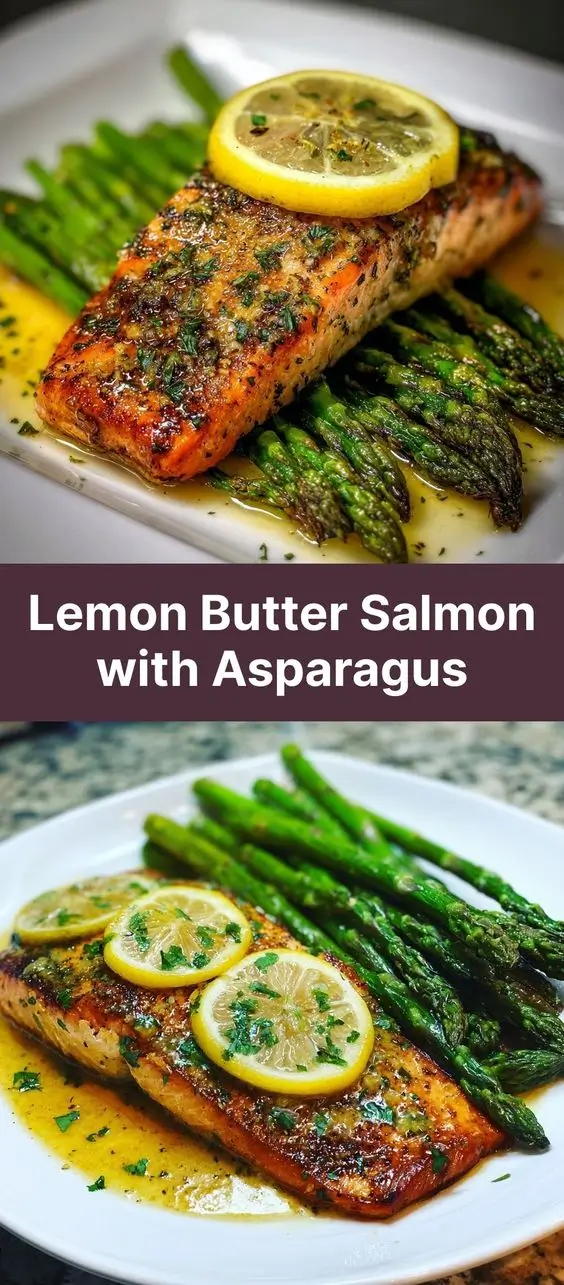
Lemon Butter Salmon with Asparagus: A Flavorful, Healthy Delight
The History
The combination of salmon and asparagus has deep roots in both European and North American culinary traditions. Salmon, long prized for its rich flavor and nutritional benefits, has been a staple in Scandinavian, Russian, and Pacific Northwest diets for centuries. In Norway, smoked salmon (gravlax) was preserved using salt, sugar, and dill—a tradition that dates back to the Viking Age. Meanwhile, asparagus has been celebrated since ancient times; the Greeks and Romans considered it a delicacy and even used it for medicinal purposes due to its diuretic properties.
The pairing of salmon with asparagus gained popularity in the 19th century among French and British aristocracy, who appreciated the elegant contrast between the buttery richness of salmon and the crisp, slightly bitter notes of asparagus. As refrigeration and rail transport improved in the late 1800s, fresh seafood and seasonal vegetables became more accessible, making dishes like Lemon Butter Salmon with Asparagus common on fine dining menus across Europe and North America.
The modern version—baked or pan-seared salmon topped with a bright lemon butter sauce and served alongside roasted or sautéed asparagus—emerged in mid-20th-century American home cooking. Influenced by French techniques but simplified for everyday kitchens, this dish quickly became a favorite for weeknight dinners and dinner parties alike. Its resurgence in recent decades is due not only to its delicious taste but also to its alignment with health-conscious eating trends, thanks to the heart-healthy omega-3 fatty acids in salmon and the fiber and vitamins in asparagus.
Ingredients Breakdown
Creating the perfect Lemon Butter Salmon with Asparagus starts with selecting high-quality ingredients. Each component plays a vital role in building layers of flavor, texture, and nutrition.
- Salmon Fillets: Opt for wild-caught Atlantic or sockeye salmon when possible. Wild salmon tends to have a richer flavor and better fat profile than farmed varieties. Look for fillets with firm flesh, vibrant color (ranging from deep orange to pink), and no fishy odor.
- Fresh Asparagus: Choose slender to medium-thick stalks with tightly closed tips and crisp stems. The color should be bright green, sometimes with hints of purple at the tips. Avoid limp or wrinkled spears.
- Unsalted Butter: Using unsalted butter allows you to control the sodium level in the dish. High-fat European-style butter adds extra richness to the sauce.
- Fresh Lemon: Both the juice and zest are essential. The acidity cuts through the fat in the salmon, while the zest imparts a fragrant citrus aroma without bitterness.
- Garlic: Freshly minced garlic provides a pungent depth that enhances both the salmon and asparagus.
- Olive Oil: Extra virgin olive oil is used for roasting the asparagus and searing the salmon, adding fruitiness and helping achieve a golden crust.
- Salt and Black Pepper: Sea salt or kosher salt brings out natural flavors, while freshly cracked black pepper adds subtle heat and complexity.
- Fresh Herbs: Dill and parsley are classic pairings with salmon. Dill offers a slightly sweet, anise-like flavor, while flat-leaf parsley contributes freshness and color.
- Optional Additions: Capers add brininess, white wine deepens the sauce’s complexity, and red pepper flakes introduce a gentle kick for those who enjoy spice.
Step-by-Step Recipe
- Preheat the Oven: Set your oven to 400°F (200°C). This ensures even roasting and helps caramelize the asparagus slightly while keeping the salmon moist.
- Prepare the Asparagus: Wash the asparagus and trim off the tough woody ends (usually about 1 inch from the bottom). You can snap them by bending each spear until it breaks naturally at the tender point. Place the asparagus on a large baking sheet.
- Season the Asparagus: Drizzle the asparagus with 2 tablespoons of olive oil. Sprinkle with ½ teaspoon salt, ¼ teaspoon black pepper, and 1 minced garlic clove. Toss well to coat evenly. Spread in a single layer to ensure proper roasting.
- Roast the Asparagus: Place the baking sheet in the preheated oven and roast for 10 minutes. This partial roasting softens the asparagus while preserving its crunch—ideal for finishing alongside the salmon.
- Prepare the Salmon: While the asparagus roasts, pat the salmon fillets dry with paper towels. This step is crucial for achieving a good sear. Season both sides with salt and pepper. Optionally, rub a little olive oil on the skin side to prevent sticking.
- Sear the Salmon (Optional but Recommended): Heat a large oven-safe skillet over medium-high heat. Add 1 tablespoon of olive oil. Once shimmering, place the salmon fillets skin-side down (if skin-on) and cook undisturbed for 4–5 minutes, until the skin is crispy and golden. Flip carefully and cook for 1 minute on the other side. Alternatively, skip searing and place raw fillets directly on top of the partially roasted asparagus for a simpler bake-only method.
- Combine and Bake: If seared, transfer the salmon fillets to the baking sheet on top of the par-roasted asparagus. Arrange them evenly. Return the entire tray to the oven and bake for 12–15 minutes, depending on the thickness of the fillets, until the salmon flakes easily with a fork and reaches an internal temperature of 145°F (63°C).
- Make the Lemon Butter Sauce: While the salmon bakes, melt 4 tablespoons of unsalted butter in a small saucepan over low heat. Add the juice of half a lemon (about 2 tablespoons), the zest of one lemon, and 1 additional minced garlic clove. Stir gently and let simmer for 2–3 minutes. For extra richness, stir in 1 tablespoon of heavy cream or a splash of white wine. Finish with chopped fresh dill and parsley.
- Rest and Serve: Remove the salmon and asparagus from the oven. Let the salmon rest for 2–3 minutes before serving. Spoon the warm lemon butter sauce generously over each fillet and garnish with additional herbs and lemon slices for presentation.
Tips
- Don’t Overcook the Salmon: Salmon continues to cook slightly after removal from heat due to residual warmth. Aim for just-fork-tender flesh with a slight translucency in the center for optimal moisture.
- Uniform Thickness: If your salmon fillets vary in thickness, fold the thinner end underneath so they cook evenly.
- Skin-On vs. Skin-Off: Cooking with the skin on protects the delicate flesh and crisps up beautifully. It can be removed after cooking if desired.
- Use Fresh Lemon Juice: Bottled lemon juice lacks brightness and may contain preservatives that alter the flavor. Always use freshly squeezed lemons.
- Room Temperature Start: Letting the salmon sit at room temperature for 10–15 minutes before cooking promotes even heating.
- Basting Tip: During the last few minutes of baking, baste the salmon with melted butter and pan juices to enhance flavor and sheen.
- One-Pan Efficiency: For easy cleanup, line your baking sheet with parchment paper or foil before arranging the asparagus and salmon.
- Timing Flexibility: If you’re short on time, skip the initial sear and bake everything together from the start. Total baking time will be around 15–18 minutes.
Variations and Customizations
This recipe is highly adaptable to different tastes, dietary needs, and ingredient availability. Here are some creative twists:
- Dairy-Free Version: Replace butter with ghee (clarified butter) or a plant-based butter alternative. Coconut oil infused with lemon zest also works well for a dairy-free twist.
- Herb Variations: Try tarragon instead of dill for a more sophisticated, licorice-like note. Basil or chives can also add unique herbal dimensions.
- Citrus Swaps: Substitute lemon with lime, orange, or yuzu for a different citrus profile. Blood orange pairs especially well with salmon for a sweet-tart balance.
- Spicy Kick: Add red pepper flakes to the lemon butter sauce or sprinkle with harissa paste before baking for a North African flair.
- Gluten-Free Friendly: This recipe is naturally gluten-free, making it ideal for those with celiac disease or gluten sensitivity.
- Keto and Low-Carb: With minimal carbohydrates and high healthy fats, this dish fits perfectly into ketogenic and low-carb lifestyles.
- Paleo and Whole30 Approved: Use compliant ghee or avocado oil and avoid any non-compliant additives to make this dish suitable for Paleo and Whole30 diets.
- Add Veggies: Expand the vegetable base by adding cherry tomatoes, sliced bell peppers, zucchini, or mushrooms to the baking sheet for a complete sheet pan meal.
- Asian-Inspired Twist: Swap lemon for rice vinegar, add ginger and soy sauce (or tamari), and finish with sesame seeds and green onions for an umami-rich variation.
- Mediterranean Style: Top with olives, sun-dried tomatoes, capers, and feta cheese after baking for a Greek-inspired take.
Health Considerations and Nutritional Value
Lemon Butter Salmon with Asparagus isn’t just delicious—it’s a powerhouse of nutrition. Let’s break down the health benefits of each major ingredient:
- Salmon – Omega-3 Powerhouse: Rich in EPA and DHA omega-3 fatty acids, salmon supports brain function, reduces inflammation, lowers triglycerides, and promotes heart health. A 6-ounce serving provides over 100% of the recommended daily intake of omega-3s. It’s also an excellent source of high-quality protein, vitamin D, selenium, and B vitamins (especially B12 and niacin).
- Asparagus – Fiber and Folate Champion: Low in calories yet packed with nutrients, asparagus delivers fiber, folate (vitamin B9), vitamins A, C, E, and K, and antioxidants like glutathione. Folate is particularly important during pregnancy for neural tube development. The fiber content supports digestive health and satiety.
- Lemons – Vitamin C Boost: Lemons provide potent antioxidant protection with their high vitamin C content, which boosts immunity, aids iron absorption, and promotes collagen production for healthy skin.
- Garlic – Immune Support: Garlic contains allicin, a sulfur compound known for its antimicrobial and anti-inflammatory properties. Regular consumption may help lower blood pressure and improve cholesterol levels.
- Butter – Quality Fat Source: While high in saturated fat, moderate amounts of real butter—especially from grass-fed cows—contain beneficial fats like conjugated linoleic acid (CLA) and fat-soluble vitamins (A, D, E, K). When balanced with omega-3s and fiber, it contributes to satiety and nutrient absorption.
Nutritional Estimate (per serving, based on 6 oz salmon + 1 cup asparagus + 2 tbsp lemon butter sauce):
- Calories: ~450
- Protein: 38g
- Fat: 30g (Saturated Fat: 10g)
- Carbohydrates: 8g
- Fiber: 4g
- Sugar: 3g
- Sodium: ~500mg (varies with added salt)
- Omega-3 Fatty Acids: ~2,500mg
- Vitamin D: ~20mcg (100% DV)
- Folate: ~135mcg (34% DV)
- Vitamin C: ~25mg (28% DV)
Dietary Notes: This dish is naturally high in protein and healthy fats, low in carbohydrates, and rich in micronutrients. To reduce sodium, use less salt and opt for low-sodium alternatives where applicable. For those monitoring cholesterol, moderation in butter use and choosing leaner cuts of salmon can help maintain balance.
Ingredients
- 4 salmon fillets (6 ounces each), skin-on or skin-off
- 1 bunch fresh asparagus (about 1 pound), trimmed
- 3 tablespoons olive oil, divided
- 1 teaspoon sea salt, divided
- ½ teaspoon freshly ground black pepper, divided
- 2 cloves garlic, minced (divided)
- 4 tablespoons unsalted butter
- Juice of 1 lemon (about 3 tablespoons)
- Zest of 1 lemon
- 2 tablespoons fresh dill, chopped
- 2 tablespoons fresh parsley, chopped
- Optional: 1 tablespoon capers, 2 tablespoons white wine, pinch of red pepper flakes
Directions
- Preheat oven to 400°F (200°C).
- On a large baking sheet, toss asparagus with 2 tablespoons olive oil, ½ teaspoon salt, ¼ teaspoon pepper, and 1 minced garlic clove. Spread in a single layer and roast for 10 minutes.
- While asparagus roasts, season salmon fillets with remaining salt and pepper.
- In an oven-safe skillet, heat 1 tablespoon olive oil over medium-high heat. Sear salmon skin-side down for 4–5 minutes until golden and crisp. Flip and cook for 1 minute more. (Alternatively, skip searing and place raw fillets on top of asparagus.)
- Transfer seared salmon to the baking sheet with the asparagus, placing fillets on top. Return to oven and bake for 12–15 minutes, until salmon is flaky and cooked through.
- Meanwhile, melt butter in a small saucepan over low heat. Stir in lemon juice, lemon zest, remaining garlic, dill, and parsley. Simmer 2–3 minutes. Optional: add capers or white wine for enhanced flavor.
- Remove salmon and asparagus from oven. Drizzle with lemon butter sauce and garnish with extra herbs and lemon slices.
- Serve immediately, optionally with quinoa, brown rice, or a mixed green salad on the side.
FAQ
Q: Can I use frozen salmon?
A: Yes, but thaw it completely in the refrigerator overnight before cooking. Pat it very dry to prevent excess moisture and ensure proper searing.
Q: How do I know when salmon is done?
A: The flesh should turn opaque and flake easily with a fork. An internal temperature of 145°F (63°C) is ideal. Avoid overcooking to prevent dryness.
Q: Can I make this ahead of time?
A: You can prep ingredients (trim asparagus, make sauce base, season salmon) up to a day ahead. However, cook just before serving for best texture and flavor.
Q: Is it safe to eat undercooked salmon?
A: Only if it’s sushi-grade and intended for raw consumption. For this recipe, fully cook salmon to avoid foodborne illness.
Q: Can I grill instead of bake?
A: Absolutely! Grill salmon over medium heat for 4–6 minutes per side. Blanch asparagus first or wrap in foil to grill alongside.
Q: What sides go well with this dish?
A: Try herbed quinoa, wild rice pilaf, mashed potatoes, or a simple arugula salad with lemon vinaigrette.
Q: How long do leftovers last?
A: Store in an airtight container in the refrigerator for up to 2 days. Reheat gently in the oven or microwave, though texture may soften.
Summary
Lemon Butter Salmon with Asparagus is a harmonious blend of rich, buttery salmon and crisp-tender asparagus, elevated by a vibrant lemon herb sauce. Elegant enough for guests yet simple enough for weeknights, this nutritious dish delivers bold flavors and impressive health benefits in every bite.