Introduction
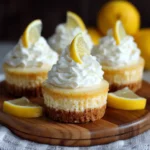
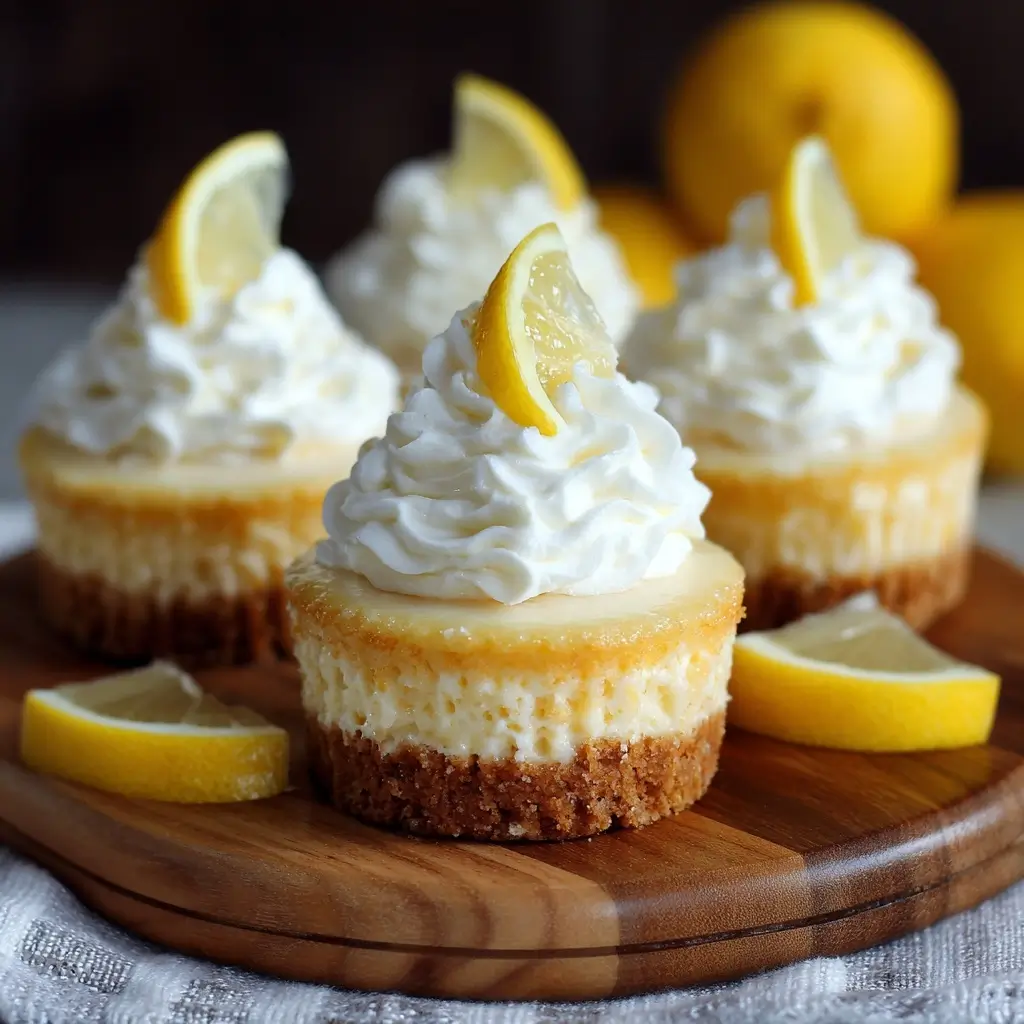
Lemon Cheesecake Cupcakes are the perfect marriage of zesty brightness and creamy decadence—offering all the luxurious richness of classic cheesecake in an irresistibly portable, portion-controlled format. These miniature delights combine the tangy, sun-kissed vibrancy of fresh lemons with the velvety smoothness of New York–style cream cheese filling, all nestled in a buttery graham cracker or shortbread cupcake base. Whether served at spring brunches, summer garden parties, bridal showers, or as an elegant after-dinner treat, they strike an exquisite balance between refreshing and indulgent—making them far more than just a dessert, but a sensory experience wrapped in paper liners.
The History
The evolution of Lemon Cheesecake Cupcakes is a delicious convergence of two iconic American dessert lineages. Cheesecake itself traces its roots to ancient Greece, where it was served to athletes during the first Olympic Games in 776 BCE—but its modern American incarnation emerged in the late 19th century with the advent of cream cheese (notably, Philadelphia Cream Cheese, introduced in 1872). By the 1920s and ’30s, baked cheesecake became a staple in New York delis and bakeries, often enriched with lemon zest for brightness. Meanwhile, cupcakes—originally called “cup cakes” because ingredients were measured by the cup rather than weight—gained popularity in the 19th century and exploded in cultural relevance post-2000, fueled by shows like *Sex and the City* and the rise of boutique bakeries. The fusion into Lemon Cheesecake Cupcakes likely began in earnest in the mid-2000s, as home bakers and professional pastry chefs alike sought creative, scalable, and visually appealing ways to reimagine traditional desserts for modern lifestyles—especially with the growing demand for individualized, Instagram-worthy treats. Today, they’re a mainstay in bakery case displays, wedding dessert tables, and meal-prep-friendly freezer collections.
Ingredients Breakdown
Every exceptional Lemon Cheesecake Cupcake relies on carefully balanced components—each playing a distinct role in texture, structure, flavor depth, and mouthfeel. Below is a detailed functional analysis of each ingredient:
- Graham Cracker Crumbs (for crust): Provide a sweet, slightly caramelized, and crumbly foundation. The honey and cinnamon notes complement lemon’s acidity, while the coarse texture offers structural contrast to the silky filling.
- Unsalted Butter (melted, for crust): Acts as the binding agent—melting the crumbs into a cohesive, pressable base. Clarified or browned butter can deepen nuttiness, though standard unsalted butter ensures consistent results.
- Cream Cheese (full-fat, room temperature): The cornerstone of the filling. Must be truly softened (65–70°F) to emulsify smoothly without lumps. Low-fat versions destabilize the batter, leading to cracking and graininess.
- Granulated Sugar: Not only sweetens but also aids in aeration during beating and contributes to the filling’s dense-yet-tender crumb structure. Over-reduction risks curdling; over-addition dulls lemon’s brightness.
- Eggs (large, room temperature): Provide structure and richness via proteins and fats. Adding one at a time—and mixing *just until incorporated*—prevents excess air incorporation, which causes puffing and subsequent collapse/cracking.
- Sour Cream & Full-Fat Greek Yogurt (or heavy cream): Introduce moisture, fat, and mild acidity that tenderizes proteins, enhances creaminess, and balances sweetness. Sour cream adds subtle tang; Greek yogurt lends extra body and probiotic nuance.
- Fresh Lemon Juice (strained, not bottled): Delivers volatile citrus oils and bright, piercing acidity. Bottled juice lacks aromatic complexity and contains preservatives that can interfere with setting.
- Fresh Lemon Zest (from unwaxed lemons, using a microplane): Contains essential oils concentrated in the flavedo (colored outer peel), offering intense, floral-citrus aroma impossible to replicate with juice alone. Never substitute dried zest.
- Vanilla Extract (pure, not imitation): Adds warm, woody depth and rounds out sharp lemon notes. Mexican or Tahitian vanilla can introduce subtle fruit or floral undertones.
- Heavy Cream or Milk (for drizzle/garnish): Used sparingly in glazes or swirls to adjust consistency without diluting flavor.
- Optional Enhancements: A pinch of fine sea salt (enhances all flavors), cornstarch or flour (for added stability in high-humidity environments), or a splash of limoncello (for nuanced boozy brightness—use sparingly to avoid alcohol interference with setting).
Step-by-Step Recipe
- Prep & Preheat: Line a standard 12-cup muffin tin with high-quality parchment or foil cupcake liners (preferably with decorative rims for presentation). Preheat oven to 325°F (163°C)—a lower temperature ensures gentle, even baking and minimizes surface cracking. Position rack in center of oven. Allow all dairy ingredients (cream cheese, eggs, sour cream, yogurt) to sit at room temperature for 1.5–2 hours prior.
- Make the Crust: In a food processor or zip-top bag with rolling pin, finely pulse 1 ½ cups graham cracker crumbs (about 12 full sheets) until sandy. Add 3 tbsp granulated sugar and 6 tbsp unsalted butter, melted and cooled slightly. Pulse or stir until mixture resembles wet sand and holds together when pinched. Evenly divide among liners (about 1 heaping tbsp each) and firmly press into bottom and slightly up sides using a flat-bottomed measuring cup or small glass. Bake crusts alone for 6–8 minutes until fragrant and lightly golden. Cool completely on wire rack—do not skip cooling; warm crusts will melt filling upon contact.
- Prepare Filling Base: In a large bowl, beat softened cream cheese with electric mixer on medium-low for 1–2 minutes until completely smooth and glossy—scraping bowl thoroughly. Add sugar and beat 2 more minutes until lightened and fluffy. Add eggs one at a time, beating on low just until yolk disappears (≈15 seconds per egg). Scrape bowl after each addition. Mix in sour cream, Greek yogurt, lemon juice, zest, vanilla, and salt—mix on lowest speed only until fully combined and homogenous. Overmixing introduces air bubbles and increases crack risk.
- Portion & Fill: Spoon filling gently over cooled crusts, filling each liner ¾ full (≈3 tbsp per cup). Tap pan sharply 3–4 times on counter to release trapped air bubbles. Optional: Use toothpick to gently swirl in a drop of lemon curd or white chocolate ganache before baking for marbled effect.
- Bake with Precision: Place muffin tin on middle oven rack. For optimal humidity control (critical for crack-free tops), place a shallow metal or ceramic baking dish filled with 1 inch of hot water on the lowest oven rack *before* turning oven on. Bake 22–26 minutes—edges should be set and very lightly golden, centers should still have a 1-inch wobble when gently shaken. Do NOT overbake—the residual heat continues cooking during cooling.
- Cool Gradually (Non-Negotiable Step): Turn off oven, crack door open 1 inch with wooden spoon handle, and let cupcakes rest inside for 30 minutes. Then transfer to wire rack and cool completely at room temperature (≈2 hours). Refrigerate uncovered for minimum 6 hours—or ideally overnight—for full texture development, firmness, and flavor melding.
- Finishing Touches: Just before serving, garnish with lemon zest ribbons, candied lemon slices, toasted coconut flakes, or a delicate dusting of powdered sugar through a fine mesh sieve. Optional: Drizzle with lemon glaze (1 cup powdered sugar + 1–2 tbsp fresh lemon juice + ½ tsp vanilla, whisked until smooth and glossy).
Tips
- Room Temperature Is Sacred: Cold cream cheese = lumps. Cold eggs = curdled batter. Set ingredients out the night before if needed—never microwave to “speed up” softening.
- Scrape Religiously: Use a silicone spatula to scrape bowl, beaters, and spatula edges after every step. Unincorporated pockets of sugar or cream cheese cause uneven texture and potential cracks.
- No Water Bath? No Problem—But Use Steam Wisely: While traditional cheesecakes require a water bath, cupcakes are small enough that a steam tray (as described above) provides sufficient ambient moisture to prevent drying and cracking.
- Measure Lemon Zest Before Juice: Zesting a dry lemon is easier and yields more oil-rich peel. Juicing afterward avoids bitter pith contamination.
- Invest in Quality Liners: Thin or bleached liners may absorb butter from crust or bleed color. Look for grease-resistant, unbleached parchment or sturdy foil-lined options.
- Freeze Like a Pro: Once fully chilled and glazed (if using), freeze unfrosted cupcakes on a tray until solid (2 hrs), then transfer to airtight container with parchment between layers. Thaw overnight in fridge—never at room temp—to preserve texture.
- Rescue Cracked Tops: If minor cracks appear, embrace them! A thin layer of lemon curd, whipped mascarpone, or glossy glaze conceals imperfections beautifully—and adds extra flavor dimension.
- Consistent Oven Thermometer: Ovens lie. Use an independent oven thermometer to verify true temperature—especially critical for the low-and-slow bake.
Variations and Customizations
These versatile cupcakes invite endless creativity—while preserving their core lemon-cheesecake soul. Explore these thoughtfully tested adaptations:
- Gluten-Free: Substitute graham crackers with certified GF ginger snaps or almond flour–coconut flour blend (⅔ cup almond flour + ⅓ cup coconut flour + 2 tbsp tapioca starch + 2 tbsp sugar + 4 tbsp melted butter). Ensure all extracts and additives are GF-certified.
- Vegan: Use blended silken tofu (12 oz) + ½ cup refined coconut oil (solid) + ⅔ cup maple syrup + ¼ cup lemon juice + 2 tbsp lemon zest + 1 tsp apple cider vinegar + pinch turmeric (for color). Crust: GF oats + dates + coconut oil. Chill 12+ hours before serving.
- Blueberry Swirl: Gently fold ¼ cup seedless blueberry compote (simmered berries + 1 tsp cornstarch) into batter just before portioning. Use offset spatula to create figure-eight swirls.
- White Chocolate–Lemon: Melt 4 oz high-quality white chocolate, cool to 90°F, then fold into batter after eggs. Garnish with white chocolate curls and lemon zest.
- Earl Grey Infusion: Steep 2 tsp loose-leaf Earl Grey in 2 tbsp warm heavy cream for 10 minutes; strain, cool, and replace same volume of sour cream. Adds bergamot sophistication.
- Herbal Brightness: Add 1 tsp finely minced fresh thyme or lavender buds (culinary grade) to crust or zest mixture for unexpected aromatic complexity.
- Mini Version: Use a 24-cup mini muffin tin—reduce bake time to 14–17 minutes. Perfect for tasting menus or party favors.
- Boozy Elegance: Replace 1 tbsp lemon juice with 1 tbsp limoncello or elderflower liqueur. Adjust sugar down by 1 tsp if liqueur is sweetened.
- Crust Alternatives: Try crushed shortbread cookies (buttery, tender), Biscoff cookies (caramel-spice notes), or vegan gingersnaps (warm, molasses depth).
- Toppings Galore: Whipped coconut cream + edible flowers, torched meringue + lemon twist, crumbled amaretti + pistachios, or blackberry coulis drizzle.
Health Considerations and Nutritional Value
While inherently indulgent, Lemon Cheesecake Cupcakes can be mindfully adapted and contextualized within a balanced diet. A standard cupcake (with graham crust, full-fat dairy, and no glaze) contains approximately 280–320 calories, 18–22g fat (11–14g saturated), 24–28g carbohydrates (18–22g sugars), and 5–6g protein. Key nutritional insights include:
- Calcium & Protein Boost: Cream cheese and Greek yogurt contribute meaningful calcium (≈50mg per cupcake) and high-quality dairy protein—supporting bone health and satiety.
- Antioxidant-Rich Citrus: Fresh lemon zest and juice provide vitamin C, flavonoids (hesperidin, eriocitrin), and D-limonene—compounds linked to anti-inflammatory and metabolic support.
- Portion Control Advantage: Individual servings naturally limit intake versus slice-based cheesecake—reducing risk of overconsumption and supporting mindful eating practices.
- Lower Glycemic Impact: Compared to many frosted cupcakes, the absence of refined flour in the filling and presence of fat/protein slows glucose absorption—resulting in gentler blood sugar response.
- Customization for Dietary Needs: Naturally lower in gluten (crust-only source), easily adaptable for lactose sensitivity (lactose-free cream cheese/yogurt), and flexible for keto (almond flour crust + erythritol sweetener + increased fat).
- Mindful Modifications: Reduce sugar by 15–20% without sacrificing texture; swap half sour cream for strained yogurt to cut fat; use grass-fed dairy for higher CLA and omega-3 content; add chia or flaxseed to crust for fiber and omega-3s.
- Notable Considerations: High saturated fat content warrants moderation for those managing cholesterol. Added sugars (especially in glazes) significantly increase carb load—opt for minimal or optional glazes. Always verify allergen status (dairy, wheat, eggs) for sensitive individuals.
Ingredients
Makes 12 standard cupcakes
- 1 ½ cups (150g) graham cracker crumbs (about 12 full sheets)
- 3 tbsp (38g) granulated sugar
- 6 tbsp (85g) unsalted butter, melted and slightly cooled
- 24 oz (680g) full-fat brick-style cream cheese, room temperature
- ¾ cup (150g) granulated sugar
- 3 large eggs, room temperature
- ½ cup (120g) full-fat sour cream
- ½ cup (120g) plain full-fat Greek yogurt
- ¼ cup (60ml) freshly squeezed lemon juice (from ~2–3 medium lemons)
- 2 tbsp (6g) finely grated lemon zest (from ~3 lemons)
- 1 ½ tsp pure vanilla extract
- ¼ tsp fine sea salt
- Optional Glaze: 1 cup (120g) powdered sugar, 1–2 tbsp fresh lemon juice, ½ tsp vanilla extract
- Optional Garnishes: Lemon zest ribbons, candied lemon slices, fresh mint, toasted coconut, edible flowers
Directions
- Preheat oven to 325°F (163°C). Line 12-cup muffin tin with parchment or foil cupcake liners. Set aside.
- In a medium bowl, combine graham cracker crumbs, 3 tbsp sugar, and melted butter. Stir until evenly moistened and clumping when pressed. Divide evenly among liners (≈1 heaping tbsp each) and press firmly into bottom and ¼ inch up sides using flat-bottomed cup. Bake 6–8 minutes until fragrant and lightly golden. Cool completely on wire rack (minimum 45 minutes).
- In large bowl of stand mixer fitted with paddle attachment, beat cream cheese on medium-low 1–2 minutes until smooth and glossy. Add ¾ cup sugar; beat 2 minutes until pale and fluffy, scraping bowl thoroughly.
- Add eggs one at a time, beating on low 15 seconds after each, until fully incorporated. Scrape bowl well after each addition.
- Add sour cream, Greek yogurt, lemon juice, lemon zest, vanilla, and salt. Mix on lowest speed just until uniform and creamy—do not overmix. Batter should be thick, glossy, and free of lumps.
- Spoon batter over cooled crusts, filling each ¾ full (≈3 tbsp). Tap pan sharply on counter 3–4 times to release air bubbles.
- Place shallow baking dish with 1 inch hot water on lowest oven rack. Carefully place muffin tin on center rack. Bake 22–26 minutes—edges should be set and lightly golden, centers should jiggle slightly when gently shaken.
- Turn off oven. Crack door open 1 inch with wooden spoon handle. Let cupcakes rest inside oven for 30 minutes.
- Remove from oven and cool completely on wire rack (≈2 hours). Refrigerate uncovered for minimum 6 hours—or preferably overnight—for optimal texture and flavor development.
- Before serving, prepare optional glaze: whisk powdered sugar, lemon juice, and vanilla until smooth and pourable. Drizzle over chilled cupcakes. Garnish as desired.
FAQ
- Why did my cupcakes crack on top?
- Most commonly due to rapid temperature change (opening oven too soon), overmixing (trapping air), overbaking (edges pulling away from center), or insufficient cooling (residual heat causing collapse). Follow gradual cooling and steam tray method rigorously.
- Can I make these ahead of time?
- Absolutely—and recommended! They taste best after 24–48 hours of refrigeration, as flavors deepen and texture firms. Store covered for up to 5 days. Freeze unfrosted for up to 3 months.
- What if I don’t have Greek yogurt?
- Substitute with equal parts full-fat sour cream or crème fraîche. Avoid low-fat or non-dairy yogurts—they lack necessary fat and protein structure.
- Can I use bottled lemon juice?
- Not recommended. Bottled juice lacks volatile citrus oils, tastes flat and oxidized, and may contain preservatives that inhibit proper setting. Fresh is essential.
- My batter looks lumpy—can I fix it?
- If lumps persist after thorough beating and scraping, pass batter through a fine-mesh sieve before portioning. This ensures silkiness and prevents uneven baking.
- How do I prevent soggy crusts?
- Ensure crusts are fully cooled before adding filling. Also, pre-baking (“blind baking”) is non-negotiable. If humidity is high, add 1 tsp cornstarch to crust mixture.
- Can I bake these in a regular cake pan instead?
- Yes—you can adapt this recipe into a 9-inch springform pan. Increase bake time to 60–75 minutes and use full water bath. Cool in oven for 1 hour, then refrigerate 12+ hours before slicing.
- Are these suitable for Passover or other dietary observances?
- With certified kosher-for-Passover cream cheese and matzo meal or almond flour crust, yes. Always verify all ingredients carry appropriate certification seals.
- Why does the recipe call for room temperature eggs *and* cream cheese?
- Temperature uniformity ensures stable emulsion. Cold eggs cause cream cheese to seize; cold cream cheese prevents proper sugar dissolution—both lead to grainy, separated batter.
- Can I add food coloring?
- Yes—but use gel-based, not liquid, to avoid altering consistency. Add 1–2 drops of yellow or lemon-yellow gel to batter before portioning for subtle sunny hue.
Summary
Lemon Cheesecake Cupcakes are a masterclass in contrast and harmony—where vibrant, sun-ripened lemon cuts through luxuriously rich, velvety cream cheese, all anchored by a buttery, crumbly graham cracker foundation and elevated by meticulous technique and thoughtful customization.
Whether you’re a novice baker seeking foolproof elegance or a seasoned pastry chef exploring nuanced variations, these cupcakes deliver unforgettable flavor, impressive presentation, and joyful versatility—proving that the most memorable desserts are often the ones that balance brightness and bliss, one perfect bite at a time.