Introduction
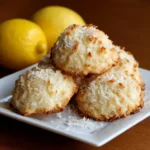
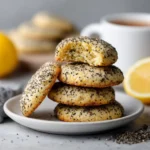
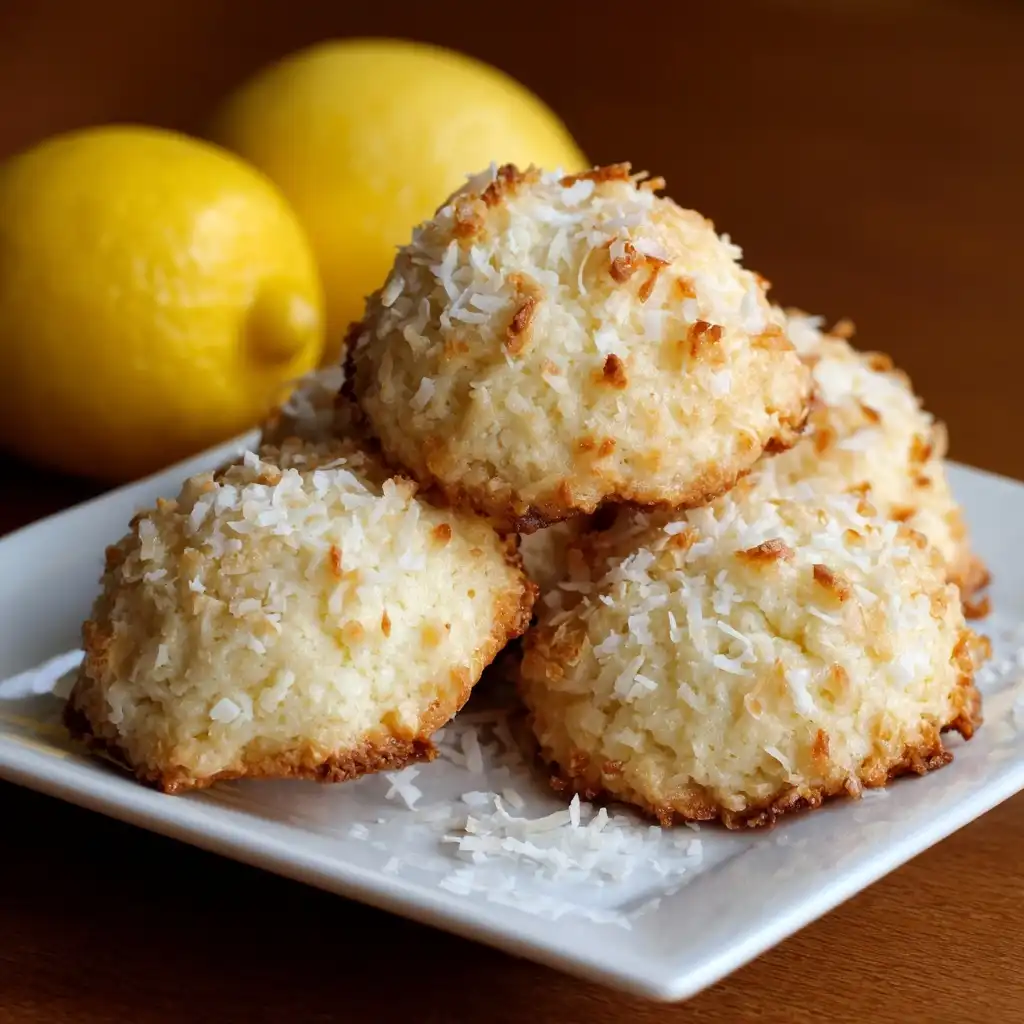
Lemon Coconut Cookies are a bright, tropical, and zesty twist on classic drop cookies—perfect for sunny afternoons, holiday platters, or anytime you crave a burst of citrusy freshness balanced by the rich, creamy sweetness of coconut. These cookies deliver an irresistible harmony of tang and texture: crisp edges give way to tender, chewy centers studded with toasted coconut flakes, while a vibrant lemon glaze or zest-infused dough ensures every bite sings with brightness. Whether you’re a seasoned baker or a curious beginner, this recipe is approachable, forgiving, and endlessly adaptable—making it a beloved staple in kitchens across coastal towns, wellness-focused households, and dessert-loving families alike.
The History
The origins of Lemon Coconut Cookies are delightfully layered—much like the cookies themselves—blending culinary traditions from multiple continents and eras. Coconut has long been a cornerstone ingredient in tropical cuisines across Southeast Asia, the Caribbean, and the Pacific Islands, where it was used in sweets, curries, and ceremonial offerings for millennia. Lemon, native to South Asia and later cultivated across the Mediterranean and Middle East, entered global baking through European confectionery traditions—particularly British and American recipes that embraced citrus as a refreshing counterpoint to buttery richness. The modern fusion likely emerged in mid-20th-century America, influenced by postwar pantry expansion, tinned coconut’s rising popularity (thanks to brands like Baker’s and LouAna), and the burgeoning “tropical” aesthetic of the 1950s and ’60s—think Tiki culture, Hawaiian shirts, and midcentury cookbooks extolling “exotic” flavors. Early versions appeared in church cookbooks and regional publications (e.g., *The Florida Cookbook*, 1962; *Southern Living’s First Annual Recipe Collection*, 1966), often under names like “Sunshine Drops” or “Key West Kisses.” Over time, health-conscious adaptations—using whole grain flours, natural sweeteners, and reduced sugar—have broadened their appeal, transforming them from occasional indulgence into a versatile, seasonless favorite enjoyed year-round.
Ingredients Breakdown
Understanding each ingredient’s role unlocks both flavor depth and structural integrity in these cookies:
- All-Purpose Flour (or Whole Wheat Pastry Flour alternative): Provides gluten structure for tenderness without toughness. Sifting ensures even distribution and prevents dense cookies.
- Unsalted Butter (cold or softened, depending on method): Delivers richness, moisture, and flakiness. Using unsalted butter gives precise control over sodium levels—critical for balancing lemon’s acidity.
- Granulated Sugar & Brown Sugar (light or dark): Granulated sugar promotes spread and crispness; brown sugar adds moisture, chew, and subtle molasses depth that complements coconut’s nuttiness.
- Egg (large, room temperature): Binds ingredients, adds lift, and contributes to golden-brown color via Maillard reaction during baking.
- Fresh Lemon Zest (from 1–2 organic lemons): Contains aromatic citrus oils—infusing intense fragrance and flavor without added liquid. Never substitute dried zest; it lacks volatile compounds essential for brightness.
- Fresh Lemon Juice (1–2 tbsp): Adds tartness and slight acidity, which tenderizes gluten and enhances perception of sweetness. Too much can inhibit browning or cause spreading—precision matters.
- Shredded or Flaked Coconut (unsweetened or sweetened): Unsweetened offers pure coconut flavor and better browning control; sweetened adds convenience and caramelized notes. Toasting beforehand deepens flavor and adds crunch contrast.
- Baking Soda & Baking Powder (dual-leavening system): Soda reacts with lemon juice for immediate lift and browning; powder provides secondary, heat-activated rise—ensuring optimal height and airy crumb.
- Sea Salt (fine or flaky): Not just for seasoning—salt heightens all other flavors, balances sweetness, and tempers acidity. A pinch in dough + a light sprinkle pre-bake makes a remarkable difference.
- Optional Enhancements: Vanilla extract (for warmth), almond extract (¼ tsp for complexity), lemon oil (food-grade, for intensified aroma), or toasted coconut oil (replacing up to 25% of butter for dairy-free richness).
Step-by-Step Recipe
- Prep Work (15 minutes): Preheat oven to 350°F (175°C). Line two large baking sheets with parchment paper or silicone mats. Measure all ingredients precisely—especially lemons (zest before juicing!) and coconut. Toast coconut separately if desired: spread on a dry skillet over medium-low heat, stirring constantly until golden (3–5 minutes); cool completely before adding to dough.
- Cream Butter & Sugars (3–4 minutes): In a large bowl, beat softened unsalted butter, granulated sugar, and brown sugar with an electric mixer on medium speed until pale, fluffy, and well-combined—about 3 minutes. Scrape bowl thoroughly. Over-creaming causes excess air → flat cookies; under-creaming yields dense texture.
- Incorporate Wet Ingredients (2 minutes): Add egg, lemon zest, and lemon juice. Beat on medium-low just until fully incorporated and smooth—do not overmix. Pause to scrape bowl. Mixture may look slightly curdled due to acid—this is normal and resolves once dry ingredients are added.
- Whisk Dry Ingredients (1 minute): In a separate bowl, whisk together flour, baking soda, baking powder, and salt. For best results, weigh flour (125g per cup) rather than scoop—spoon-and-level method is acceptable if weighing isn’t possible.
- Combine Dry & Wet (1–2 minutes): Gradually add dry mixture to wet in three additions, mixing on low speed *just until no flour streaks remain* after each addition. Overmixing develops gluten → tough cookies. Fold in toasted coconut by hand with a spatula for even distribution and to preserve texture.
- Chill Dough (Minimum 30 minutes, ideally 2 hours): Cover bowl tightly and refrigerate. Chilling solidifies butter, preventing excessive spread, enhancing flavor melding, and improving sliceability if making bars or logs. For deeper flavor, chill overnight—dough keeps refrigerated up to 72 hours or frozen up to 3 months.
- Scoop & Shape (5 minutes): Use a 1.5-tablespoon cookie scoop (≈30g per cookie) for uniform size. Roll gently into balls, then flatten slightly (¼” thick) for even baking. Optional: Press extra toasted coconut onto tops for visual appeal and crunch.
- Bake (10–12 minutes): Place 6–8 cookies per sheet, spaced 2″ apart. Bake one sheet at a time on center rack. Rotate pan halfway through. Cookies are done when edges are lightly golden and centers appear set but still soft to gentle touch—not shiny or wet. They’ll firm up as they cool.
- Cool Completely (15–20 minutes): Let cookies rest on baking sheet for 5 minutes to finish setting, then transfer to wire racks. Cooling fully is essential before glazing or storing—otherwise steam softens texture and causes sogginess.
- Glaze (Optional, 5 minutes): Whisk together 1 cup powdered sugar, 1–2 tbsp fresh lemon juice, and ½ tsp lemon zest until smooth. Drizzle over cooled cookies using a spoon or piping bag. Allow glaze to set (15–30 minutes) before stacking or packaging.
Tips
- Zest Smartly: Use a microplane grater—never a box grater—to avoid bitter pith. Freeze lemons for 15 minutes before zesting for firmer peel and easier removal.
- Butter Temperature Matters: For chewier cookies, use cool-but-pliable butter (65–68°F). For crisper edges, use slightly warmer butter (70–72°F). Never melt butter unless making bar-style versions.
- Coconut Consistency: If using sweetened coconut, reduce granulated sugar by 1–2 tbsp to offset added sweetness. For extra chew, soak shredded coconut in warm lemon juice for 5 minutes before folding in.
- Altitude Adjustments: Above 3,000 ft? Increase flour by 1–2 tbsp, reduce baking powder by ⅛ tsp, and bake at 360°F for 9–10 minutes.
- No-Spread Secret: Chill scooped dough balls on baking sheets for 10 minutes before baking—even if dough was already chilled.
- Uniform Baking: Use an oven thermometer—many ovens run hot or cold. Rotate pans front-to-back AND top-to-bottom for even heat exposure.
- Storage Wisdom: Store in airtight container with parchment between layers. At room temp: 5 days. Refrigerated: up to 10 days (slightly firmer texture). Frozen (baked or unbaked): up to 3 months. Thaw unbaked dough overnight in fridge before baking.
- Revive Stale Cookies: Place in 300°F oven for 3–4 minutes—they’ll regain crispness and fragrance.
Variations and Customizations
These cookies thrive on creativity—here’s how to make them your own:
- Gluten-Free Version: Substitute 1:1 gluten-free all-purpose blend (with xanthan gum) + ¼ tsp additional xanthan gum. Add 1 tbsp ground flaxseed + 2 tbsp water (let sit 5 min) for binding. Expect slightly more delicate spread—chill dough extra well.
- Vegan Adaptation: Replace butter with vegan butter (Miyoko’s or Earth Balance), egg with flax “egg” (1 tbsp ground flax + 2.5 tbsp water), and use maple syrup or coconut sugar instead of brown sugar. Add ½ tsp apple cider vinegar to mimic buttermilk tang.
- Protein-Packed: Stir in ¼ cup vanilla whey or plant-based protein powder (reduce flour by 1 tbsp). Add 2 tbsp chia or hemp seeds for omega-3s and crunch.
- Tropical Fusion: Fold in ⅓ cup diced dried pineapple, macadamia nuts, or crystallized ginger. Swap lemon for lime or yuzu zest/juice for a different citrus profile.
- Chocolate-Dipped: Once cooled, dip half of each cookie in tempered white, dark, or ruby chocolate. Sprinkle with toasted coconut or edible flowers before chocolate sets.
- Bar Style: Press dough evenly into a greased 9×13-inch pan. Bake at 350°F for 22–25 minutes until golden and center springs back. Cool completely before cutting into squares—glaze optional.
- Mini Cookie Bites: Use a 1-teaspoon scoop for party-friendly portions. Reduce bake time to 7–8 minutes. Perfect for cookie platters or lunchbox treats.
- Herbal Infusion: Steep 1 tsp fresh rosemary or lavender buds in warm lemon juice for 10 minutes; strain before adding to dough. Adds sophisticated, garden-fresh nuance.
- Spiced Variation: Add ½ tsp cardamom, ¼ tsp turmeric (for golden hue + anti-inflammatory boost), or a pinch of cayenne for subtle heat that amplifies citrus.
Health Considerations and Nutritional Value
A standard Lemon Coconut Cookie (approx. 30g, unglazed) contains roughly:
- Calories: 115–135 kcal
- Total Fat: 6–7g (mostly unsaturated from coconut and butter; 3–4g saturated)
- Carbohydrates: 15–17g (10–12g sugars, depending on coconut type)
- Protein: 1–1.5g
- Fiber: 0.5–1g (higher with whole grain flour or added seeds)
- Vitamin C: ~2–3mg (from lemon zest/juice—supports immunity and collagen synthesis)
- Manganese & Iron: Coconut provides trace minerals important for metabolism and red blood cell formation.
Wellness Notes:
- Coconut Benefits: Contains lauric acid (a medium-chain triglyceride shown to support healthy cholesterol profiles and provide quick energy), plus fiber and electrolytes like potassium.
- Lemon Power: High in flavonoids (hesperidin, eriocitrin) with antioxidant, anti-inflammatory, and potential blood-pressure-modulating effects. Zest contains significantly more polyphenols than juice alone.
- Portion Awareness: While naturally flavorful, these are still calorie-dense. Enjoying 1–2 cookies mindfully satisfies cravings without excess sugar intake—especially compared to commercial alternatives laden with HFCS and artificial additives.
- Dietary Accommodations: Easily adapted for keto (almond/coconut flour base, erythritol), paleo (tapioca starch + coconut flour blend), or low-FODMAP (ensure coconut is unsweetened and limit to ¼ cup per batch).
- Notable Absences: Naturally free of soy, corn syrup, artificial colors/flavors, and trans fats—when made from whole-food, minimally processed ingredients.
Ingredients
- 1 cup (227g) unsalted butter, softened to 65–68°F
- ¾ cup (150g) granulated sugar
- ½ cup (100g) packed light brown sugar
- 1 large egg, room temperature
- Zest of 2 medium organic lemons (≈2 tbsp finely grated)
- 1½ tbsp (22ml) fresh lemon juice (strained)
- 2¼ cups (281g) all-purpose flour (spooned & leveled or weighed)
- ½ tsp baking soda
- ½ tsp baking powder
- ½ tsp fine sea salt
- 1½ cups (120g) unsweetened shredded coconut (toasted, cooled)
- Optional glaze: 1 cup (120g) powdered sugar, 1–2 tbsp fresh lemon juice, ½ tsp lemon zest
Directions
- Preheat oven to 350°F (175°C). Line two large baking sheets with parchment paper or silicone baking mats.
- In a large bowl, beat softened butter, granulated sugar, and brown sugar with an electric mixer on medium speed for 3 minutes, until light and fluffy. Scrape down sides of bowl.
- Add egg, lemon zest, and lemon juice. Beat on medium-low for 1–2 minutes until fully combined and smooth. Scrape bowl again.
- Whisk together flour, baking soda, baking powder, and salt in a separate medium bowl.
- Gradually add dry ingredients to wet mixture in three parts, mixing on low speed after each addition until just incorporated and no flour streaks remain. Do not overmix.
- Fold in toasted coconut using a silicone spatula until evenly distributed.
- Cover dough tightly and refrigerate for at least 30 minutes (or up to 72 hours).
- Using a 1.5-tablespoon cookie scoop, portion dough into balls. Place 6–8 per baking sheet, spaced 2 inches apart. Gently flatten each to ¼-inch thickness. Optional: Press extra toasted coconut onto tops.
- Bake one sheet at a time on center rack for 10–12 minutes, rotating pan halfway through, until edges are lightly golden and centers appear set but still soft.
- Let cookies cool on baking sheet for 5 minutes, then transfer to wire racks to cool completely (15–20 minutes).
- If glazing, whisk glaze ingredients until smooth. Drizzle over cooled cookies. Let set for 15–30 minutes before serving or storing.
FAQ
- Can I use frozen lemon juice or bottled zest?
- No—frozen lemon juice lacks volatile aromatic oils and often contains preservatives that mute flavor. Bottled zest is typically dried or chemically preserved and lacks brightness. Always use fresh, organic lemons when possible.
- Why did my cookies spread too much?
- Possible causes: butter too warm, insufficient chilling, excess lemon juice, omitting baking soda, or using bleached flour (lower protein). Solution: Chill dough longer, verify butter temp, measure liquids precisely, and ensure leaveners are fresh (test baking soda with vinegar—it should fizz vigorously).
- Can I make these ahead for a party?
- Absolutely! Bake cookies up to 3 days ahead and store airtight at room temperature. Glaze day-of for best appearance. Alternatively, freeze unbaked dough balls for up to 3 months—bake straight from frozen, adding 1–2 minutes to bake time.
- What’s the best coconut to use?
- For superior texture and flavor, choose unsweetened, finely shredded coconut (like Bob’s Red Mill or Let’s Do Organic). Avoid “flakes” labeled “sweetened” unless reducing sugar elsewhere. Toasting is non-negotiable for depth—skip only if short on time, but expect milder flavor.
- Are these safe for nut allergies?
- Yes—coconut is botanically a fruit, not a tree nut, and is generally permitted on most nut-free school or facility lists. However, always check packaging for “processed in a facility with tree nuts” warnings if severe allergy is present.
- My glaze is too runny/thick—how do I fix it?
- Add powdered sugar 1 tsp at a time to thicken; add lemon juice ½ tsp at a time to thin. Ideal consistency coats the back of a spoon and holds a ribbon for 5 seconds before smoothing.
- Can I double this recipe?
- Yes—but mix in two batches. Doubling leaveners or liquids in one bowl risks uneven distribution and inconsistent results. Chill both batches equally before baking.
- How do I prevent coconut from burning?
- Toast coconut separately in a dry skillet over medium-low heat—not in the oven with cookies. Stir constantly and remove at first sign of golden color (it continues cooking off-heat). Cool completely before folding in.
Summary
Lemon Coconut Cookies are a luminous marriage of zesty citrus and tropical richness—crafted with simple, whole-food ingredients, rooted in global culinary tradition, and endlessly customizable for dietary needs and creative expression. With careful attention to ingredient quality, temperature control, and mindful technique, they deliver consistent joy: crisp yet chewy, bright yet balanced, nostalgic yet refreshingly modern.
Whether served alongside herbal tea, packed into lunchboxes, gifted in handmade tins, or savored solo with morning coffee, these cookies don’t just satisfy a sweet tooth—they spark sunshine, evoke memory, and invite connection—one golden, fragrant bite at a time.