Introduction
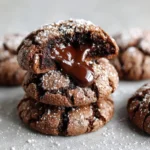
Lemon Crinkle Cookies are a vibrant, zesty twist on the beloved classic crinkle cookie—transforming the rich, cocoa-laden original into a bright, citrus-forward treat that dances between tart and sweet with every bite. With their signature cracked, sugar-dusted surface and tender, melt-in-your-mouth interior, these cookies deliver an unforgettable sensory experience: the sharp, refreshing aroma of freshly grated lemon zest, the subtle floral tang of lemon juice, and the delicate crunch of powdered sugar giving way to a soft, slightly chewy crumb. Whether served alongside afternoon tea, packed into lunchboxes, or gifted in festive tins, Lemon Crinkle Cookies embody sunshine in edible form—perfect for spring gatherings, Easter brunches, summer picnics, or simply lifting your spirits on a gray day. Their eye-catching appearance and bold flavor make them a standout at bake sales, holiday cookie exchanges, and dinner parties alike—proving that joy doesn’t have to be chocolate-based to be deeply satisfying.
The History
Crinkle cookies trace their origins to mid-20th century American home baking, evolving from earlier “crackled” or “sugar-crusted” drop cookies popularized in community cookbooks and women’s magazines like Good Housekeeping and Ladies’ Home Journal. The defining visual trait—the network of fine fissures across the surface—was discovered serendipitously when bakers rolled dough balls in granulated or powdered sugar before baking; as the cookies expanded in the oven, the brittle sugar shell fractured, creating the iconic “crinkle.” While chocolate crinkles rose to fame in the 1950s (often attributed to adaptations of fudgy brownie-like batters), citrus variations remained relatively rare until the late 1990s and early 2000s, when artisanal baking blogs and food television began celebrating bold, non-chocolate flavors. Lemon Crinkle Cookies emerged as part of this broader “bright flavor renaissance,” gaining traction through platforms like Food Network’s *Bake with Anna Olson*, King Arthur Baking’s test kitchen innovations, and viral Pinterest pins highlighting their photogenic texture and palate-cleansing acidity. Historically, lemons themselves have symbolized purity, vitality, and hospitality across Mediterranean and Middle Eastern cultures—making their incorporation into celebratory baked goods both culturally resonant and culinarily intuitive. Today, Lemon Crinkles represent a harmonious fusion of nostalgic technique and modern flavor sensibility: honoring tradition while boldly asserting citrus as a centerpiece—not just a background note.
Ingredients Breakdown
Every ingredient in Lemon Crinkle Cookies plays a precise, science-backed role—no component is merely decorative or optional without consequence to structure, flavor balance, or signature texture:
- All-Purpose Flour (2 ¼ cups, spooned & leveled): Provides gluten structure for gentle chew without toughness. Too much causes dryness; too little yields spreading and loss of crinkle definition. Bleached flour is preferred for its lower protein content and finer starch granules, which enhance tenderness and promote optimal crack formation.
- Cornstarch (¼ cup): A secret weapon for ultra-tender crumb and enhanced crinkling. Cornstarch interferes with gluten development, softens the cookie’s bite, and increases moisture retention—critical for preventing the dreaded “dry lemon cookie” syndrome. It also contributes to smoother dough handling and more dramatic surface fractures during bake.
- Baking Powder (2 tsp, double-acting, fresh): Not baking soda—this is essential. Baking powder provides controlled, dual-phase lift: initial expansion when mixed with wet ingredients, then a second surge in the oven’s heat. This creates the domed rise necessary for the crust to split dramatically. Old or expired baking powder results in flat, dense, crinkle-deficient cookies.
- Salted Butter (1 cup / 2 sticks, unsalted preferred + ¼ tsp added salt): Must be softened to 65–68°F—not melted, not cold. Properly softened butter creams optimally with sugar to trap air, enabling lift and lightness. Salt enhances all flavors, particularly brightening lemon’s acidity and balancing sweetness. Unsalted butter gives precise control over sodium levels.
- Granulated Sugar (1 ½ cups): Supplies sweetness, aids in creaming aeration, and contributes to crisp edges. Its larger crystals help create micro-fractures in the sugar shell during baking—enhancing crinkle depth.
- Egg (1 large, room temperature): Adds structure, moisture, richness, and emulsification. Room temperature ensures even incorporation and prevents seizing the butter-sugar mixture. An extra yolk (optional but recommended) deepens tenderness and color.
- Fresh Lemon Zest (3–4 medium lemons, ~2 tbsp finely grated): The soul of the cookie. Only the yellow outer peel—never the bitter white pith—is used. Volatile citrus oils in the zest provide intense, aromatic flavor that survives baking far better than juice alone. Microplane grating yields maximum surface area and oil release.
- Fresh Lemon Juice (3–4 tbsp, strained): Adds bright acidity and moisture. Juice lowers pH slightly, activating baking powder more fully and tenderizing gluten. Too much introduces excess water, risking spread and steaming instead of crisping—hence the precise 3–4 tbsp range. Bottled juice is discouraged due to preservatives, muted flavor, and inconsistent acidity.
- Pure Vanilla Extract (1 tsp, high-quality): A flavor bridge—rounding sharp lemon notes with warm, creamy depth. Avoid imitation vanilla, which clashes with citrus.
- Powdered Sugar (for rolling, 1–1 ½ cups, sifted): Non-negotiable for crinkle formation. Its fine particles adhere evenly, forming a fragile, brittle shell that cracks as the cookie puffs. Confectioners’ sugar with cornstarch (standard U.S. variety) adds extra tenderness to the surface layer. Sifting prevents lumps that inhibit uniform coating.
Note: No leavening substitutes (e.g., vinegar + baking soda), no oil replacements (butter’s water content is vital for steam-driven rise), and no zest/juice shortcuts—authenticity and texture depend on these exact components.
Step-by-Step Recipe
- Prep & Chill (Critical First Step): Line two large baking sheets with parchment paper or silicone baking mats. Place 1 ½ cups sifted powdered sugar in a shallow bowl. Chill this sugar—and an additional ½ cup in a separate small bowl—for 15 minutes. Cold sugar adheres better and fractures more cleanly. Also chill your mixing bowls and whisk if your kitchen exceeds 72°F.
- Zest & Juice Lemons: Using a microplane, zest 3–4 medium organic lemons until you have heaping 2 tablespoons of fine, fluffy zest (avoiding pith). Roll lemons firmly on the counter before zesting to maximize oil yield. Juice lemons to obtain exactly 3–4 tablespoons; strain to remove pulp and seeds. Measure juice and zest separately—do not combine yet.
- Dry Ingredients: Whisk with Precision: In a medium bowl, whisk together 2 ¼ cups flour, ¼ cup cornstarch, 2 tsp baking powder, and ¼ tsp fine sea salt until fully homogenous and aerated—about 45 seconds. Pass through a fine-mesh sieve if any lumps remain. Set aside.
- Cream Butter & Sugar (The Foundation): In a large stand mixer fitted with the paddle attachment (or using a hand mixer), beat 1 cup softened unsalted butter and 1 ½ cups granulated sugar on medium-high speed for 3–4 minutes until pale, fluffy, and nearly doubled in volume. Scrape bowl thoroughly halfway. Proper creaming is non-negotiable—it builds the air pockets that become crinkles.
- Incorporate Wet Ingredients Gradually: Add 1 large room-temperature egg and beat on medium speed for 1 minute until fully emulsified and glossy. Beat in 1 tsp vanilla. Then, with mixer on low, add lemon zest in three additions, beating 10 seconds after each to distribute oils evenly. Finally, stream in lemon juice slowly while mixing on lowest speed—just until combined. Overmixing here develops gluten and causes toughness.
- Combine Dry & Wet (Gentle Folding Required): Add one-third of the dry mixture to the wet batter. Mix on low just until no flour streaks remain (~10 seconds). Repeat twice more, pausing to scrape bowl each time. Stop immediately when dough looks shaggy but cohesive—no visible dry pockets, but do not overwork. Dough will be soft, slightly sticky, and hold its shape when pressed.
- Chill Dough (Mandatory for Texture Control): Cover bowl tightly and refrigerate for at least 2 hours, ideally 3–4 hours or overnight. Chilling solidifies butter, prevents overspreading, concentrates flavors, and allows gluten to relax—resulting in thicker, crinklier cookies. Do not skip or shorten this step.
- Portion & Coat (The Crinkle Catalyst): Preheat oven to 350°F (177°C) with racks in upper and lower thirds. Using a 1.5-tablespoon cookie scoop (or #40 scoop), portion chilled dough into 1-inch balls. Roll each ball firmly between palms to smooth surface. Immediately roll in chilled powdered sugar until fully coated—press gently to adhere. Place coated balls 3 inches apart on prepared sheets. For deeper crinkles, roll a second time in the remaining ½ cup chilled sugar (optional but highly effective).
- Bake with Strategic Rotation: Bake 1 sheet at a time for 11–13 minutes. Cookies are done when edges are set and lightly golden, tops are puffed and covered in dramatic, web-like cracks, and centers look *just barely* set (they’ll firm as they cool). Rotate sheet front-to-back at 7 minutes for even baking. Do not open oven before 9 minutes—steam loss disrupts crinkle formation.
- Cool Completely (Patience Pays Off): Let cookies cool on baking sheet for 5 minutes—this finishes cooking the centers and sets the crinkles. Then carefully transfer to wire racks using a thin spatula. Cool completely (20+ minutes) before serving. Warm cookies are fragile and crumble easily; full cooling locks in texture and intensifies lemon aroma.
Tips
- Zest Before Juicing: Always zest lemons first—juicing makes the peel slippery and difficult to grate evenly.
- Measure Flour Correctly: Spoon flour into measuring cup and level with a knife. Scooping compacts flour and adds up to 25% extra—guaranteeing dry, crumbly cookies.
- Butter Temperature Matters: If butter is too warm (>70°F), dough becomes greasy and spreads. Too cold (<60°F), and it won’t cream properly. Test by pressing fingertip—it should leave a slight, clean indentation.
- Chill Between Batches: If baking multiple sheets, return dough balls to fridge for 10 minutes while oven resets. Warm dough = flat cookies.
- Parchment > Greased Sheets: Greased surfaces cause excessive spread and inhibit crinkle formation. Parchment provides ideal release and heat conduction.
- Don’t Overbake: Remove cookies when centers still look soft—they firm up dramatically during cooling. Overbaked crinkles lose their tender chew and become sandy.
- Freeze for Freshness: Portion uncoated dough balls, freeze solid on a tray, then bag. Roll in sugar straight from freezer and bake—no thawing needed (add 1–2 minutes to bake time).
- Revive Stale Cookies: Place in an airtight container with a slice of fresh bread overnight—the cookies will absorb moisture and soften beautifully.
- Uniform Sizing = Uniform Baking: Use a cookie scoop for consistency. Even ¼-inch size variance causes uneven browning and crinkle depth.
- Room-Temperature Eggs Prevent Curdling: Cold eggs can shock the warm butter-sugar emulsion, causing separation and graininess.
Variations and Customizations
Lemon Crinkle Cookies serve as an exceptionally versatile canvas—flavor, texture, and presentation can be elevated thoughtfully without compromising structural integrity:
- Lemon-Lavender: Add 1 tsp culinary-grade dried lavender buds (crushed fine) with the dry ingredients. Complements lemon’s brightness with floral elegance—ideal for bridal showers or afternoon tea.
- Lemon-Ginger: Stir in 2 tbsp finely minced crystallized ginger + ½ tsp ground ginger with the dry ingredients. Adds spicy warmth and chewy contrast.
- Blueberry-Lemon Burst: Gently fold in ¾ cup freeze-dried blueberry pieces (not fresh or frozen—too wet) after combining wet/dry ingredients. Creates jewel-toned bursts and intensified berry-lemon synergy.
- Earl Grey Infused: Steep 2 Earl Grey tea bags in 2 tbsp hot water for 5 minutes. Cool completely, then substitute this infused liquid for half the lemon juice. Imparts bergamot complexity and sophisticated depth.
- Coconut-Lemon: Replace ¼ cup flour with unsweetened shredded coconut (toasted first for nuttiness) and add 2 tbsp coconut milk powder. Roll in toasted coconut + powdered sugar blend.
- Gluten-Free: Substitute 1:1 gluten-free all-purpose flour blend containing xanthan gum (e.g., Bob’s Red Mill or King Arthur). Increase cornstarch to ⅓ cup and chill dough 4+ hours for optimal binding.
- Vegan Adaptation: Use vegan butter (Miyoko’s or Earth Balance), flax egg (1 tbsp ground flax + 2.5 tbsp water, rested 10 min), and ensure powdered sugar is vegan (no bone char—brands like Wholesome or Florida Crystals). Add ½ tsp apple cider vinegar to activate baking powder.
- Lemon-Cardamom: Add 1 tsp freshly ground green cardamom with dry ingredients. A fragrant, exotic pairing beloved in Scandinavian and Middle Eastern baking.
- Espresso-Lemon: Dissolve 1 tsp instant espresso powder in lemon juice before adding. Deepens flavor without bitterness—creates a sophisticated “lemon mocha” nuance.
- Holiday Sparkle: After rolling in powdered sugar, press a single candied violet, lemon slice, or edible gold leaf piece into the center of each ball pre-bake.
Health Considerations and Nutritional Value
While Lemon Crinkle Cookies are inherently a treat food—not a health food—their nutritional profile is notably more favorable than many conventional cookies, thanks to purposeful formulation choices:
- Nutrient Density Boost: Fresh lemon zest and juice contribute meaningful amounts of vitamin C (supporting immunity and collagen synthesis), folate (crucial for cellular repair), and plant-based antioxidants like hesperidin and diosmin, which exhibit anti-inflammatory and vascular-protective properties in clinical studies.
- Reduced Refined Sugar: At 12–14g sugar per cookie (vs. 18–22g in typical chocolate chip), the balance of tart lemon and aromatic zest allows for less added sugar without sacrificing satisfaction—a boon for blood sugar management.
- No Artificial Additives: Made from whole-food ingredients with no preservatives, artificial colors, or hydrogenated oils—unlike many store-bought varieties.
- Lower Saturated Fat Profile: Butter is used intentionally for flavor and texture, but the inclusion of cornstarch and careful portion control keeps saturated fat moderate (~3.5g per cookie).
- Dietary Accommodations: Easily adaptable for gluten-free, vegan, and refined-sugar-free diets (using coconut sugar or monk fruit blends—though texture adjustments apply).
- Mindful Indulgence Strategy: The bright acidity of lemon stimulates salivary flow and digestive enzymes, potentially aiding digestion and promoting satiety cues—encouraging slower, more intentional eating.
Important Notes: These cookies contain gluten, dairy, and eggs. Those with citrus sensitivities or acid reflux may experience discomfort with high-zest versions. Nutrition estimates (per standard 2-inch cookie): ~135 calories, 18g carbs (12g sugars), 3.5g fat (2.2g saturated), 1.5g protein, 0g fiber. Values vary based on exact ingredient brands and portion size. Not intended to diagnose, treat, or prevent disease—consult a registered dietitian for personalized nutrition guidance.
Ingredients
- 2 ¼ cups (280g) all-purpose flour, spooned and leveled
- ¼ cup (30g) cornstarch
- 2 tsp (8g) double-acting baking powder
- ¼ tsp (1.5g) fine sea salt
- 1 cup (227g) unsalted butter, softened to 65–68°F
- 1 ½ cups (300g) granulated sugar
- 1 large egg, room temperature
- 1 tsp (4g) pure vanilla extract
- 2 tbsp (6g) finely grated lemon zest (from 3–4 organic lemons)
- 3–4 tbsp (45–60ml) fresh lemon juice, strained
- 1–1 ½ cups (120–180g) powdered sugar, sifted (for rolling)
Directions
- Line two large baking sheets with parchment paper or silicone baking mats. Place 1 ½ cups sifted powdered sugar in a shallow bowl. Chill sugar (and an extra ½ cup in a small bowl) for 15 minutes.
- Zest lemons using a microplane; measure 2 tbsp. Juice lemons to obtain 3–4 tbsp; strain.
- In a medium bowl, whisk flour, cornstarch, baking powder, and salt until homogeneous. Sift if needed.
- In a stand mixer with paddle attachment, beat butter and granulated sugar on medium-high for 3–4 minutes until pale and fluffy. Scrape bowl.
- Add egg and beat 1 minute until emulsified. Add vanilla. Add lemon zest in 3 batches, beating 10 sec each. Stream in lemon juice on low speed until just combined.
- Add dry ingredients in 3 parts on low speed, mixing only until no flour remains. Do not overmix.
- Cover dough and refrigerate minimum 2 hours, ideally 3–4 hours or overnight.
- Preheat oven to 350°F (177°C) with racks in upper/lower thirds.
- Using a 1.5-tbsp scoop, portion dough. Roll into smooth 1-inch balls. Roll each firmly in chilled powdered sugar until fully coated. Place 3″ apart on sheets.
- Bake one sheet at a time for 11–13 minutes—until edges are set, tops puffed and deeply cracked, centers still soft-looking. Rotate sheet at 7 minutes.
- Cool on sheet 5 minutes, then transfer to wire racks. Cool completely (20+ min) before serving.
FAQ
- Why did my cookies spread too much?
- Likely causes: butter too warm, insufficient chilling, under-measured flour, or baking on greased/non-parchment sheets. Ensure butter is cool-room temp, chill dough minimum 2 hours, and use parchment.
- Can I use bottled lemon juice?
- Not recommended. Bottled juice lacks volatile citrus oils, has inconsistent acidity, and often contains preservatives that dull flavor and interfere with leavening. Fresh is non-negotiable for authentic taste and proper chemistry.
- My crinkles aren’t cracking deeply—what went wrong?
- Common culprits: dough not cold enough, powdered sugar not chilled, overmixed batter (developed gluten), expired baking powder, or opening oven too early. Chill sugar, chill dough, use fresh leavening, and resist peeking!
- How long do these keep? Can I freeze them?
- Store cooled cookies in an airtight container at room temperature for up to 5 days. For longer storage, freeze baked cookies for 3 months (layer with parchment) or freeze unbaked dough balls for 4 months—roll in sugar and bake from frozen (+1–2 min).
- Can I make these gluten-free?
- Yes—with a reliable 1:1 GF flour blend containing xanthan gum and increased cornstarch (⅓ cup). Chill dough 4+ hours and expect slightly more delicate handling.
- Why does the recipe use baking powder instead of baking soda?
- Baking powder provides balanced, dual-phase lift essential for the dome-and-crack effect. Baking soda alone would over-neutralize lemon’s acid, resulting in flat, dense, metallic-tasting cookies with poor crinkling.
- Can I reduce the sugar without ruining texture?
- Granulated sugar can be reduced to 1 ¼ cups—but below that risks poor creaming, less spread control, and diminished tenderness. Powdered sugar for rolling should never be substituted—it’s structural, not just sweet.
- What’s the best way to get extra lemon flavor?
- Maximize zest (use 4 lemons), add ½ tsp lemon oil with the vanilla, or brush baked, cooled cookies with a simple syrup made from 2 tbsp lemon juice + 1 tbsp sugar, heated until dissolved.
- Can I add white chocolate chips?
- Absolutely—fold in ¾ cup high-quality white chocolate chips with the dry ingredients. They’ll melt into creamy pockets that contrast beautifully with the tart crumb.
- Why do my cookies have a gritty texture?
- Usually from undissolved sugar (cream longer), coarse granulated sugar (use fine or superfine), or powdered sugar with clumps (always sift!). Also check for undissolved cornstarch—whisk dry ingredients thoroughly.
Summary
Lemon Crinkle Cookies are a masterclass in joyful contrast—where vibrant, sun-kissed lemon meets pillowy-soft crumb and dramatic, sugar-dusted fissures, all achieved through precise technique, quality ingredients, and patient chilling.
They’re not just a cookie; they’re a multisensory celebration of brightness, balance, and baking science—equally at home on a holiday platter, a therapist’s waiting room table, or your own quiet morning ritual with strong black tea.