Introduction
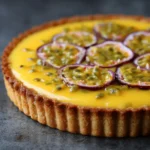
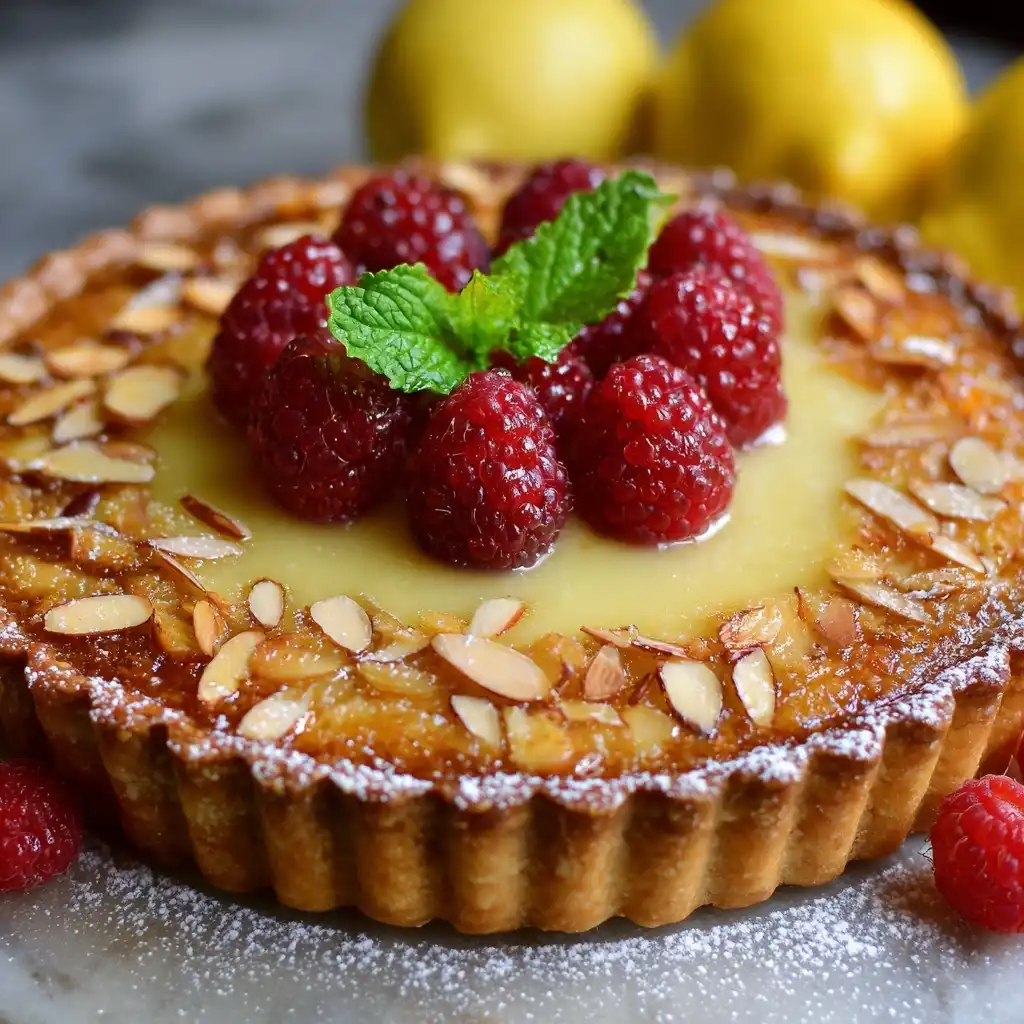
The Lemon Curd Tart with Almond Crust is a sublime marriage of zesty brightness and nutty, buttery richness—a dessert that balances sharp citrus tang with deep, toasty warmth. Unlike traditional shortcrust or graham cracker bases, the almond crust adds an elegant, aromatic complexity that elevates the entire experience, transforming a classic lemon tart into something truly distinctive and sophisticated. This dessert is as beloved for its stunning visual appeal—vibrant golden-yellow curd nestled in a delicately speckled, golden-brown crust—as it is for its layered, nuanced flavor profile. Whether served at a spring garden party, a summer bridal shower, or as an elegant finale to a holiday meal, this tart delivers both nostalgia and novelty: it evokes childhood memories of homemade lemon bars while offering the refined texture and depth expected of a modern patisserie creation.
The History
Lemon curd itself traces its origins to early 19th-century England, where it was originally called “lemon cheese” and developed as a way to preserve seasonal citrus during colder months. Early recipes appeared in cookbooks like A New System of Domestic Cookery (1806) by Maria Rundell, calling for lemons, sugar, eggs, and butter—cooked slowly over low heat until thickened. Its popularity surged in Victorian-era tea culture, where it was spread on scones or used as a filling in tarts and cakes. The almond crust, meanwhile, draws from broader European traditions—particularly French and Italian pastry practices—where ground nuts (such as almonds, hazelnuts, or walnuts) were incorporated into pastry doughs to enhance flavor, moisture retention, and structure. In the mid-20th century, American bakers began experimenting with nut-based tart shells, inspired by recipes like financiers and frangipane-filled tarts. The fusion of lemon curd and almond crust gained wider recognition in the 1990s and early 2000s, championed by chefs like Alice Waters, Thomas Keller, and Claudia Fleming, who emphasized ingredient-driven simplicity and textural contrast. Today, this tart stands as a benchmark of contemporary artisanal baking—honoring tradition while embracing innovation in technique, balance, and presentation.
Ingredients Breakdown
Understanding each component’s role is essential to mastering this tart—not just for replication, but for confident adaptation:
- Almond Flour: Provides natural oils, fine texture, and rich nuttiness; acts as both flavor enhancer and structural binder. Blanched almond flour yields a lighter color and milder taste, while unblanched offers deeper aroma and subtle bitterness—ideal for contrast against bright lemon.
- All-Purpose Flour: Adds gluten structure and stability without overwhelming the delicate almond base; prevents excessive crumbling while maintaining tenderness.
- Granulated Sugar: Sweetens the crust, aids in browning via caramelization, and contributes to crispness and shortness (tenderness).
- Unsalted Butter: Cold, high-fat (82–84%) European-style butter delivers superior flakiness, richness, and mouthfeel; its water content creates steam during baking, aiding lift and layering.
- Egg Yolk: Adds richness, emulsification, and binding power—critical for cohesive, sliceable crust integrity.
- Fine Sea Salt: Enhances all other flavors, counterbalances sweetness, and subtly amplifies the almond’s natural marzipan notes.
- Fresh Lemons: Only freshly squeezed juice and zest are acceptable—bottled juice lacks volatile citrus oils and introduces off-flavors and inconsistent acidity. Meyer lemons offer floral sweetness; Eureka or Lisbon provide bold, clean tartness.
- Large Egg Yolks: Provide fat, emulsification, and luxurious silkiness to the curd; whole eggs would dilute richness and risk graininess.
- Granulated Sugar (for curd): Dissolves cleanly into the hot mixture and stabilizes the emulsion; superfine sugar ensures smoother texture.
- Unsalted Butter (for curd): Added cold and cubed at the end to enrich mouthfeel, add sheen, and temper acidity—never boiled or overheated, or it will separate.
- Heavy Cream (optional, for variation): A tablespoon added post-cooking enhances velvety body and subtle dairy roundness without masking citrus.
Step-by-Step Recipe
- Prepare the Almond Crust Dough: In a food processor, pulse 1 cup blanched almond flour, ¾ cup all-purpose flour, ¼ cup granulated sugar, and ¼ tsp fine sea salt until combined. Add ½ cup (1 stick) very cold unsalted butter, cut into ½-inch cubes, and pulse 8–10 times until mixture resembles coarse crumbs with some pea-sized pieces. Add 1 large cold egg yolk and 1 tsp ice water; pulse just until dough begins to clump. Do not overmix—overworking develops gluten and yields toughness. Turn dough onto parchment, flatten into a 1-inch-thick disc, wrap tightly, and refrigerate for at least 1 hour (or up to 3 days).
- Roll & Blind-Bake the Crust: Preheat oven to 350°F (175°C). Lightly flour surface and rolling pin. Roll chilled dough into a 12-inch circle, ~⅛-inch thick, rotating and lifting frequently to prevent sticking. Gently transfer to a 9-inch fluted tart pan with removable bottom. Press firmly into edges and up sides; trim excess. Prick base all over with fork. Line with parchment and fill with pie weights or dried beans. Bake 20 minutes. Carefully remove weights and parchment; bake 12–15 minutes more until golden brown and dry to touch. Cool completely on wire rack—do not skip cooling, or curd will weep.
- Make the Lemon Curd: In a heavy-bottomed, non-reactive saucepan (stainless steel or enamel), whisk together 1 cup fresh lemon juice (from ~5–6 medium lemons), 2 tbsp finely grated lemon zest, ¾ cup granulated sugar, and 4 large egg yolks until smooth and pale. Place over medium-low heat. Whisk constantly—especially around edges—to prevent scrambling. As mixture warms, it will thicken gradually; after 8–12 minutes, it will coat the back of a spoon (nappe stage, ~170°F). Remove from heat immediately.
- Emulsify & Finish Curd: Off heat, add ½ cup (1 stick) cold unsalted butter, cut into 8 cubes. Let sit 1 minute, then whisk vigorously until fully melted and glossy. For ultra-smooth texture, strain through a fine-mesh sieve into a clean bowl. Stir in optional 1 tbsp heavy cream or ½ tsp vanilla extract (if using). Cover surface directly with plastic wrap to prevent skin formation and chill for at least 3 hours—or preferably overnight—for optimal set and flavor development.
- Assemble & Serve: Spoon chilled curd into cooled tart shell, smoothing top with an offset spatula. Refrigerate uncovered for 30 minutes before serving to allow slight re-firming. Garnish with candied lemon slices, toasted sliced almonds, edible flowers (violets, pansies), or a dusting of powdered sugar. Serve chilled—but not icy—using a warm knife for clean slices.
Tips
- Chill Everything: Cold butter, cold egg yolk, and thoroughly chilled dough prevent gluten activation and butter melting—both critical for a tender, flaky, non-shrinking crust.
- Don’t Skip Blind Baking: Fully pre-baking the shell ensures crispness and prevents sogginess—even if the curd is thick. Underbaked crust absorbs moisture and turns gummy.
- Zest Before Juicing: Zesting lemons first ensures maximum aromatic oil extraction; juicing afterward prevents bitter pith contamination.
- Low & Slow Curd Cooking: High heat causes curdling. Use a thermometer if unsure—curd must reach 170°F but never exceed 175°F. If it looks grainy, immediately strain and whisk in 1 tsp cold butter—it often rescues texture.
- Strain Without Hesitation: Even if curd looks smooth, straining removes any micro-coagulated bits and zest pulp for impeccable silkiness.
- Cool Crust Completely: Warm crust + cold curd = condensation → weeping. Patience here ensures structural integrity.
- Use a Tart Pan with Removable Bottom: Essential for clean release and professional presentation. Springform pans lack the precision fluting and thin base needed for even baking.
- Storage Wisdom: Store assembled tart covered in fridge for up to 4 days. Unfilled baked crust keeps airtight at room temp 3 days or frozen 3 months. Curd alone lasts 10 days refrigerated or 3 months frozen.
- Cut Clean Slices: Dip knife in hot water and wipe dry between cuts. Serve within 15 minutes of removing from fridge for best texture.
Variations and Customizations
This tart invites thoughtful reinterpretation—whether for dietary needs, seasonal inspiration, or creative flair:
- Gluten-Free Almond Crust: Replace all-purpose flour with ¼ cup certified GF oat flour or brown rice flour; increase almond flour to 1¼ cups. Add 1 tsp xanthan gum for cohesion.
- Vegan Version: Crust: use cold coconut oil or vegan butter + 1 tbsp aquafaba instead of egg yolk. Curd: replace yolks with ¼ cup silken tofu + 2 tbsp cornstarch; use maple syrup or agave (reduce juice by 1 tbsp); finish with coconut oil instead of butter.
- Lavender-Lemon Curd: Infuse 1 tsp culinary lavender in warm lemon juice for 20 minutes, then strain before combining with other curd ingredients. Add ¼ tsp lemon verbena for extra nuance.
- Berry Swirl: After filling tart, gently swirl in 3 tbsp seedless raspberry or blackberry jam with a toothpick for marbled elegance.
- Toasted Coconut-Almond Crust: Toast almond flour and ¼ cup unsweetened shredded coconut in skillet until golden before mixing into crust—adds tropical depth and crunch.
- Herbal Accent: Fold 1 tsp finely chopped fresh thyme or lemon balm into cooled curd for savory-herbal intrigue—pairs beautifully with goat cheese garnish.
- Chocolate-Almond Base: Add 2 tbsp unsweetened cocoa powder and 1 tbsp espresso powder to dry crust ingredients for a mocha-tinged foundation that complements lemon’s acidity.
- Mini Tartlets: Press dough into 3-inch tartlet pans; bake 12–14 minutes. Fill with curd and top with individual candied lemon wheels or micro mint.
- Maple-Glazed Variation: Drizzle cooled tart with reduced pure maple syrup (simmer ¼ cup syrup + 1 tsp lemon juice until slightly thickened) and flaky sea salt.
- Spiced Citrus Fusion: Substitute 2 tbsp blood orange juice and add ¼ tsp ground cardamom to curd for rosy, aromatic complexity.
Health Considerations and Nutritional Value
While undeniably indulgent, this tart offers meaningful nutritional benefits when enjoyed mindfully—and can be adapted for various wellness goals. Per standard slice (1/12 of 9-inch tart):
- Calories: ~290 kcal (crust: 160, curd: 130)—moderate for a dessert, especially given satiating fats and protein.
- Fat Profile: Primarily monounsaturated (from almond flour and butter), supporting heart health and stable energy release. Contains conjugated linoleic acid (CLA) from grass-fed butter, linked to anti-inflammatory effects.
- Vitamin C & Antioxidants: One serving provides ~35% DV vitamin C (immune support, collagen synthesis) plus flavonoids (hesperidin, naringenin) with anti-inflammatory and vascular-protective properties.
- Almond Benefits: Rich in vitamin E (a potent antioxidant), magnesium (muscle/nerve function), and prebiotic fiber (supports gut microbiome diversity).
- Sugar Consciousness: Uses only natural sugars—no refined corn syrup or artificial sweeteners. Total sugar ~22g per slice, mostly from fruit and minimal added sucrose. Can be reduced to 15g by using ½ cup sugar in curd and 2 tbsp in crust.
- Dietary Notes: Naturally low in sodium (<100mg/slice); contains no cholesterol-raising trans fats; easily made nut-free (swap almond flour for sunflower seed flour) or lower-FODMAP (use lactose-free butter, reduce lemon juice to ¾ cup).
- Portion Mindfulness: The intense flavor and richness encourage slower, more satisfying consumption—supporting intuitive eating practices. Pairing with a small scoop of Greek yogurt or a handful of mixed berries further boosts protein and fiber.
- Considerations: Not suitable for those with tree nut allergies (obviously), severe GERD (high acidity may trigger symptoms), or strict low-fat diets. Those monitoring oxalates should note almonds contain moderate levels—though baking reduces bioavailability.
Overall, this tart exemplifies “nutrient-dense indulgence”—a dessert where pleasure and purpose coexist without compromise.
Ingredients
For the Almond Crust:
- 1 cup blanched almond flour (finely ground, not almond meal)
- ¾ cup all-purpose flour (or gluten-free 1:1 blend)
- ¼ cup granulated sugar
- ¼ teaspoon fine sea salt
- ½ cup (1 stick) unsalted butter, very cold, cut into ½-inch cubes
- 1 large egg yolk, chilled
- 1 teaspoon ice water (only if needed)
For the Lemon Curd:
- 1 cup freshly squeezed lemon juice (from 5–6 medium lemons)
- 2 tablespoons finely grated lemon zest (preferably organic)
- ¾ cup granulated sugar
- 4 large egg yolks (reserve whites for meringue or another use)
- ½ cup (1 stick) unsalted butter, cold, cut into 8 cubes
- (Optional) 1 tablespoon heavy cream or ½ teaspoon pure vanilla extract
For Garnish (optional):
- Candied lemon slices
- Toasted sliced or slivered almonds
- Edible flowers (violets, borage, pansies)
- Light dusting of powdered sugar or flaky sea salt
Directions
- Make the Almond Crust: In a food processor, combine almond flour, all-purpose flour, sugar, and salt. Pulse 3–4 times to mix. Add cold butter cubes and pulse 8–10 times, until mixture resembles coarse cornmeal with some visible butter pieces. Add chilled egg yolk and pulse just until dough begins to gather—if too dry, add ice water, ½ tsp at a time. Transfer dough to parchment paper, shape into a 1-inch-thick disc, wrap tightly, and refrigerate for at least 1 hour (up to 3 days).
- Preheat Oven & Prepare Pan: Position rack in center of oven. Preheat to 350°F (175°C). Lightly grease a 9-inch fluted tart pan with removable bottom.
- Roll & Line Tart Pan: On a lightly floured surface, roll chilled dough into a 12-inch circle, about ⅛-inch thick, rotating and lifting frequently to prevent sticking. Gently drape over tart pan. Press dough evenly into bottom and up sides, ensuring no air pockets. Trim excess dough flush with rim using a rolling pin or knife. Prick base all over with a fork. Freeze for 15 minutes (or refrigerate 30 min) to relax gluten and harden butter.
- Blind-Bake: Line chilled crust with parchment paper or foil. Fill with ceramic pie weights, dried beans, or rice. Bake 20 minutes. Carefully lift out parchment and weights. Return crust to oven and bake 12–15 minutes more, until deeply golden, dry-looking, and fragrant. Cool completely on wire rack—minimum 1 hour.
- Prepare Lemon Curd: In a heavy-bottomed stainless-steel or enameled saucepan, whisk lemon juice, zest, sugar, and egg yolks until smooth and uniformly yellow. Place over medium-low heat.
- Cook Curd Gently: Whisk constantly, scraping corners and bottom, for 8–12 minutes. Mixture will thicken gradually, bubble softly at edges, and eventually coat the back of a spoon thickly (nappe consistency). Insert an instant-read thermometer—it should read 170°F (77°C). Remove from heat immediately.
- Finish Curd: Off heat, add cold butter cubes. Let stand 1 minute, then whisk vigorously until butter is fully incorporated and mixture is glossy and smooth. For ultimate silkiness, strain through a fine-mesh sieve into a clean bowl. Stir in optional cream or vanilla. Cover surface directly with plastic wrap. Chill for at least 3 hours—or preferably overnight—for full set and flavor melding.
- Assemble Tart: Spoon chilled lemon curd into completely cooled tart shell. Smooth top with an offset spatula or the back of a spoon. Refrigerate uncovered for 30 minutes before serving.
- Garnish & Serve: Just before serving, decorate with candied lemon slices, toasted almonds, edible flowers, or a light dusting of powdered sugar. Slice with a hot, dry knife for clean edges. Serve chilled—but not straight from the freezer—for ideal texture and flavor balance.
FAQ
- Can I make the crust ahead of time?
- Yes! Baked and cooled crusts keep airtight at room temperature for 3 days or freeze for up to 3 months. Thaw at room temp 30 minutes before filling. Unbaked dough discs freeze well for 2 months—thaw overnight in fridge before rolling.
- Why did my lemon curd curdle?
- Curdling usually results from overheating (above 175°F), insufficient whisking, or adding cold butter to overly hot mixture. Always use low heat, whisk constantly, and remove from heat *before* reaching target temperature. Straining almost always saves it.
- Can I use bottled lemon juice?
- Not recommended. Bottled juice lacks volatile citrus oils essential for aroma and flavor complexity, often contains preservatives that mute brightness, and varies widely in acidity—risking inconsistent set and taste.
- My crust shrank while baking—what went wrong?
- Common causes include: dough not chilled enough before baking, overworking during mixing/rolling (developing gluten), stretching dough instead of gently pressing into pan, or omitting the fork-pricking step (traps steam, causing puffing and shrinkage).
- How do I prevent a soggy bottom?
- Ensure complete blind-baking until deep golden and dry. Cool crust fully before adding curd. Avoid overfilling—leave ⅛-inch headspace. If humidity is high, store assembled tart uncovered in fridge until 1 hour before serving.
- Can I freeze the finished tart?
- Yes—but best practice is to freeze *unfilled* baked crust and *separately* freeze lemon curd (in airtight container, with parchment pressed on surface). Thaw both overnight in fridge, then assemble. Fully assembled tart freezes acceptably for up to 2 weeks, but texture may soften slightly upon thawing.
- What’s the difference between lemon curd and lemon pie filling?
- Lemon curd is richer (higher butter/egg yolk ratio), smoother, more intensely flavored, and relies on gentle cooking and emulsification—not cornstarch or flour. Pie fillings often use starch thickeners, resulting in glossier, firmer, less nuanced textures.
- Can I double the recipe?
- Absolutely—just maintain same ratios and use two tart pans or one 11-inch pan (adjust baking time: +3–5 min for crust, +2 min for curd set). For larger batches, use a larger saucepan to prevent splattering and ensure even heating.
- Is there a lower-sugar version?
- Yes. Reduce sugar in curd to ½ cup and in crust to 2 tbsp. Compensate with 1 tsp pure monk fruit extract or 2 tbsp erythritol (blended fine) for bulk and sweetness without aftertaste. Note: texture may be slightly looser; chill longer.
- Why does my curd taste metallic or bitter?
- Most likely from aluminum or unlined copper pans reacting with lemon acid. Always use stainless steel, enamel, glass, or heavy nonstick. Also check lemon zest—avoid white pith, which is intensely bitter.
Summary
The Lemon Curd Tart with Almond Crust is a masterclass in balance—where vibrant, sun-kissed citrus meets earthy, toasted almond depth, all encased in a crisp, buttery, golden shell. Every element is intentional: the slow-cooked curd delivers silky intensity, the rested and blind-baked crust guarantees structural grace, and the mindful assembly ensures each bite sings with harmony, texture, and refined elegance.
Whether you’re a seasoned baker seeking perfection or a curious beginner drawn to its radiant simplicity, this tart rewards attention to detail with unforgettable flavor—and proves that the most memorable desserts are those rooted in history, elevated by technique, and shared with joy.