Introduction
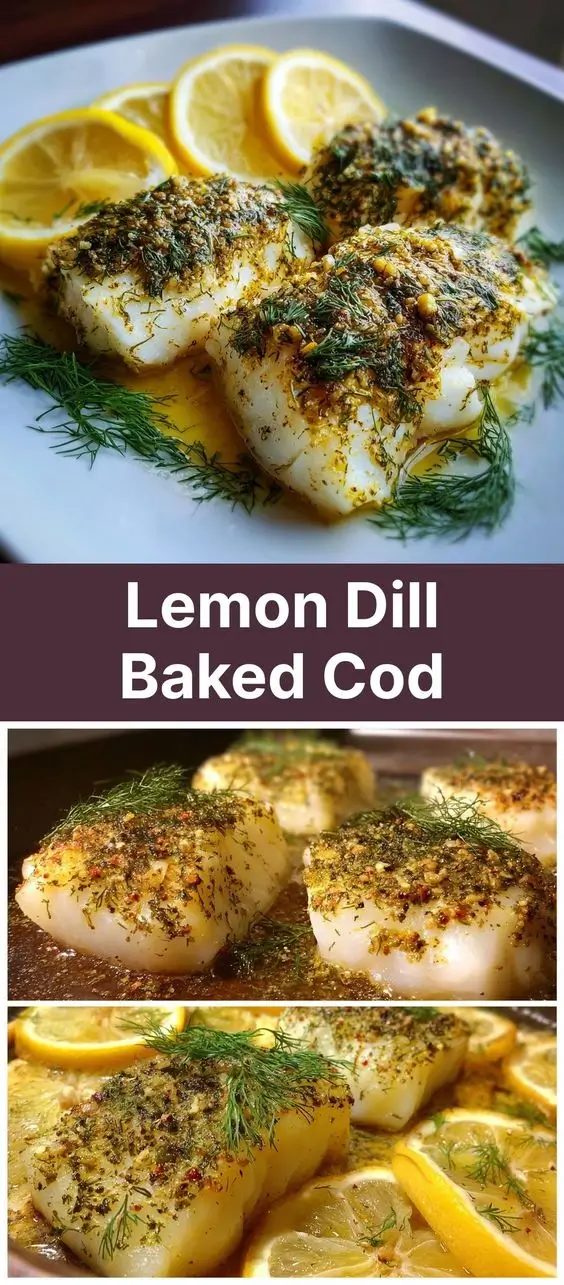
Lemon Dill Baked Cod is a culinary masterpiece that combines simplicity with elegance, making it an ideal dish for both weeknight dinners and special occasions. This recipe highlights the delicate flavor of fresh cod, enhanced by the bright zest of lemon and the aromatic freshness of dill. Light, flaky, and bursting with Mediterranean-inspired flavors, this dish celebrates the beauty of wholesome ingredients prepared with care. Whether you’re new to cooking fish or a seasoned home chef, Lemon Dill Baked Cod offers an accessible yet refined way to enjoy seafood in a healthy, flavorful format.
The History
Cod has been a staple in coastal cuisines around the world for centuries, particularly in Northern Europe, Scandinavia, and North America. Historically, cod was prized not only for its abundance but also for its mild taste and firm texture, which made it ideal for drying, salting, and preserving—especially during long winters or sea voyages. The tradition of baking cod likely emerged as ovens became more common in households across Europe during the 18th and 19th centuries.
The pairing of lemon and dill with fish can be traced back to Scandinavian and Eastern European culinary traditions, where fresh herbs and citrus were used to enhance the natural taste of seafood without overpowering it. In countries like Sweden and Norway, gravlax (cured salmon) often features dill prominently, while lemon-based sauces accompany many baked fish dishes in Greece and Southern Italy. Over time, these regional influences merged into modern fusion recipes like Lemon Dill Baked Cod, popularized in the late 20th century as global palates began embracing lighter, herb-infused meals. Today, this dish reflects a harmonious blend of old-world techniques and contemporary health-conscious cooking.
Ingredients Breakdown
The success of Lemon Dill Baked Cod lies in the quality and balance of its ingredients. Each component plays a crucial role in building layers of flavor while maintaining the dish’s light and nutritious profile.
- Cod Fillets: Fresh, skinless cod fillets are essential. Cod is low in fat, high in protein, and has a tender, flaky texture when cooked properly. Look for firm, translucent flesh with no fishy odor.
- Fresh Lemon: Both the juice and zest contribute acidity and brightness. Lemon zest contains aromatic oils that elevate the dish, while the juice helps tenderize the fish slightly and adds tanginess.
- Fresh Dill: A defining ingredient, dill brings a sweet, grassy, slightly anise-like flavor that pairs perfectly with seafood. Dried dill can be substituted in a pinch, but fresh yields superior aroma and taste.
- Extra Virgin Olive Oil: Used to keep the fish moist during baking and to carry the flavors of the herbs and seasonings. Its fruity richness complements the lean cod beautifully.
- Garlic: Minced garlic adds depth and warmth. When baked, it mellows into a subtle background note rather than overpowering the dish.
- Shallot or Onion: Finely diced shallots add a touch of sweetness and complexity without dominating the delicate fish.
- Salt and Black Pepper: Essential for seasoning. Sea salt enhances natural flavors, while freshly ground pepper provides gentle heat.
- White Wine (optional): A splash of dry white wine such as Sauvignon Blanc or Pinot Grigio introduces acidity and sophistication, helping to steam the fish gently in the oven.
- Panko Breadcrumbs (optional): For those who enjoy a slight crunch, a topping of buttered panko breadcrumbs can be added before baking for a golden crust.
- Butter (optional): A small amount of unsalted butter can be used to enrich the sauce, especially if serving over grains or vegetables.
Step-by-Step Recipe
- Preheat the Oven: Set your oven to 400°F (200°C). Line a baking dish with parchment paper or lightly grease it with olive oil to prevent sticking.
- Prepare the Cod: Pat the cod fillets dry with paper towels. This step ensures even cooking and prevents excess moisture from steaming the fish too quickly. Place the fillets in a single layer in the baking dish, leaving space between each piece for proper air circulation.
- Make the Lemon-Dill Mixture: In a small bowl, combine 3 tablespoons of extra virgin olive oil, juice of one lemon (about ¼ cup), 1 tablespoon of lemon zest, 2 minced garlic cloves, 1 finely diced shallot, 2 tablespoons of chopped fresh dill, ½ teaspoon of sea salt, and ¼ teaspoon of freshly ground black pepper. Mix well to create a vibrant marinade.
- Coat the Fish: Spoon the lemon-dill mixture evenly over each cod fillet, making sure to cover the top and sides. Use a brush or spoon to distribute the liquid and herbs uniformly.
- Add Liquid for Moisture (Optional): Pour ¼ cup of dry white wine or water into the bottom of the baking dish. This creates steam, keeping the cod incredibly moist throughout baking.
- Bake the Cod: Transfer the dish to the preheated oven and bake for 12–15 minutes, depending on the thickness of the fillets. The fish is done when it turns opaque, flakes easily with a fork, and reaches an internal temperature of 145°F (63°C).
- Optional Crust Step: If using panko breadcrumbs, mix ¼ cup of panko with 1 tablespoon melted butter and 1 teaspoon of dill. Sprinkle over the fish during the last 5 minutes of baking to allow browning.
- Rest and Serve: Remove the cod from the oven and let it rest for 2–3 minutes. This allows the juices to redistribute. Garnish with additional fresh dill and thin lemon slices before serving.
Tips
- Don’t Overcook: Cod cooks quickly and can become dry if left in the oven too long. Keep a close eye after the 10-minute mark.
- Use Fresh Ingredients: Fresh lemon juice and dill make a dramatic difference compared to bottled juice or dried herbs.
- Uniform Thickness: Choose cod fillets that are similar in thickness to ensure even cooking. If needed, fold thinner ends under to create uniform pieces.
- Check for Doneness: Insert a fork at the thickest part; the fish should flake apart easily and no longer appear translucent.
- Room Temperature Start: Let the cod sit at room temperature for 10–15 minutes before baking for more consistent results.
- Save the Juices: The flavorful liquid left in the baking dish makes an excellent sauce for drizzling over the fish or serving alongside rice, quinoa, or roasted vegetables.
- Line the Pan: Parchment paper not only prevents sticking but also makes cleanup effortless.
Variations and Customizations
Lemon Dill Baked Cod is highly adaptable to different tastes, dietary needs, and available ingredients. Here are several creative twists you can try:
- Creamy Version: Add two tablespoons of Greek yogurt or crème fraîche to the lemon-dill sauce for a richer, creamier finish.
- Mediterranean Style: Top the fish with sliced tomatoes, Kalamata olives, capers, and a sprinkle of oregano before baking.
- Spicy Kick: Add a pinch of red pepper flakes or a dash of hot sauce to the marinade for a subtle heat.
- Dill Substitute: If dill isn’t available, try fresh parsley, chives, tarragon, or basil for a different herbal profile.
- Gluten-Free Option: Skip the panko or use gluten-free breadcrumbs if adding a crunchy topping.
- Keto-Friendly: Omit breadcrumbs entirely and increase healthy fats by adding avocado slices on the side or a drizzle of olive oil.
- With Vegetables: Place sliced zucchini, bell peppers, cherry tomatoes, or asparagus around the fish in the baking dish to create a complete sheet pan meal.
- Asian Fusion: Replace dill with cilantro and add ginger, soy sauce, and sesame oil for an East-meets-West twist.
- Herb Butter Topping: Top each fillet with a pat of herbed butter (dill, lemon zest, garlic) before baking to melt into the fish.
- Citrus Variations: Swap lemon for lime or orange for a different citrus accent—especially refreshing in summer.
Health Considerations and Nutritional Value
Lemon Dill Baked Cod is not only delicious but also packed with nutritional benefits, making it a smart choice for health-conscious eaters.
- High-Quality Protein: Cod is an excellent source of lean protein, providing about 20 grams per 4-ounce serving. Protein supports muscle repair, satiety, and overall metabolic function.
- Low in Calories and Fat: With only about 90–100 calories per serving and less than 1 gram of fat (without added oil or butter), this dish fits well within weight management and heart-healthy diets.
- Rich in Omega-3 Fatty Acids: While not as high as fatty fish like salmon, cod still contains beneficial omega-3s that support brain health, reduce inflammation, and promote cardiovascular wellness.
- Vitamin B12: Cod is rich in vitamin B12, essential for nerve function and red blood cell formation.
- Selenium Content: This mineral acts as an antioxidant, protecting cells from damage and supporting thyroid health.
- Low Mercury Levels: Cod is considered a low-mercury fish, making it safe for regular consumption, including for pregnant women and children (in moderation).
- Digestive Benefits: Lemon juice stimulates digestive enzymes, while dill has traditionally been used to soothe the digestive tract and reduce bloating.
- Heart-Healthy Fats: Using olive oil provides monounsaturated fats linked to improved cholesterol levels and reduced risk of heart disease.
- Low Carb and Keto-Compatible: Naturally low in carbohydrates, this dish aligns with low-carb, paleo, and ketogenic lifestyles when paired with non-starchy sides.
- Allergen Notes: This recipe is naturally gluten-free (if breadcrumbs are omitted), dairy-free (if butter is excluded), and nut-free, making it suitable for many dietary restrictions.
For optimal health benefits, serve Lemon Dill Baked Cod with nutrient-dense sides like steamed broccoli, wild rice, quinoa, or a mixed green salad with vinaigrette.
Ingredients
- 4 fresh cod fillets (about 6 oz each), skinless
- 1 large lemon (zest and juice)
- 3 tablespoons extra virgin olive oil
- 2 cloves garlic, minced
- 1 small shallot, finely diced (or ¼ cup onion)
- ¼ cup fresh dill, chopped (plus extra for garnish)
- ½ teaspoon sea salt (or to taste)
- ¼ teaspoon freshly ground black pepper
- ¼ cup dry white wine or water (for moisture)
- (Optional) ¼ cup panko breadcrumbs
- (Optional) 1 tablespoon unsalted butter, melted (for breadcrumb mix)
Directions
- Preheat oven to 400°F (200°C). Line a 9×13-inch baking dish with parchment paper or lightly coat with olive oil.
- Pat cod fillets dry with paper towels and place them in the prepared dish in a single layer.
- In a mixing bowl, whisk together lemon juice, lemon zest, olive oil, minced garlic, diced shallot, chopped dill, salt, and pepper until well combined.
- Evenly spoon the mixture over each cod fillet, coating the surface thoroughly.
- Pour white wine or water into the bottom of the dish, avoiding direct rinsing of the seasoning off the fish.
- If using panko topping: In a small bowl, mix panko with melted butter. Sprinkle evenly over the fillets during the last 5 minutes of baking.
- Bake for 12–15 minutes, or until cod is opaque and flakes easily with a fork.
- Remove from oven, let rest for 2–3 minutes, then garnish with fresh dill and lemon slices.
- Serve immediately with pan juices drizzled on top.
FAQ
Can I use frozen cod?
Yes, but thaw it completely in the refrigerator overnight before cooking. Pat it very dry to avoid excess moisture.
What can I substitute for cod?
Haddock, halibut, pollock, or tilapia work well due to their similar texture and mild flavor.
How do I store leftovers?
Store cooled leftovers in an airtight container in the refrigerator for up to 2 days. Reheat gently in the oven or microwave, though texture may soften slightly.
Can I prepare this ahead of time?
Yes! Assemble the dish (without baking) up to 24 hours in advance. Cover and refrigerate, then bake when ready. Add 2–3 minutes to the cooking time if starting cold.
Is this recipe kid-friendly?
Absolutely. The mild flavor and soft texture appeal to most children. You can reduce garlic or omit optional spices to suit younger palates.
Why did my cod turn out rubbery?
Overcooking is the most common cause. Cod should be just opaque and flaky—do not bake beyond 15 minutes unless fillets are very thick.
Can I grill instead of bake?
Yes! Grill over medium heat (about 375°F) for 4–5 minutes per side. Use a grilling basket or foil to prevent sticking.
Do I need to remove the skin?
Cod is typically sold skinless for baking. If yours has skin, you can leave it on, but flip carefully halfway through cooking.
Can I double the recipe?
Yes, just use a larger baking dish or two pans. Ensure fillets aren’t crowded to allow even heat distribution.
Is fresh dill necessary?
While dried dill can work (use 1 tablespoon), fresh dill offers a brighter, more fragrant flavor that truly defines the dish.
Summary
Lemon Dill Baked Cod is a light, flavorful, and nutritious dish that showcases the delicate taste of cod enhanced by zesty lemon and aromatic fresh dill. Easy to prepare and endlessly customizable, it’s a healthy seafood favorite perfect for any occasion.