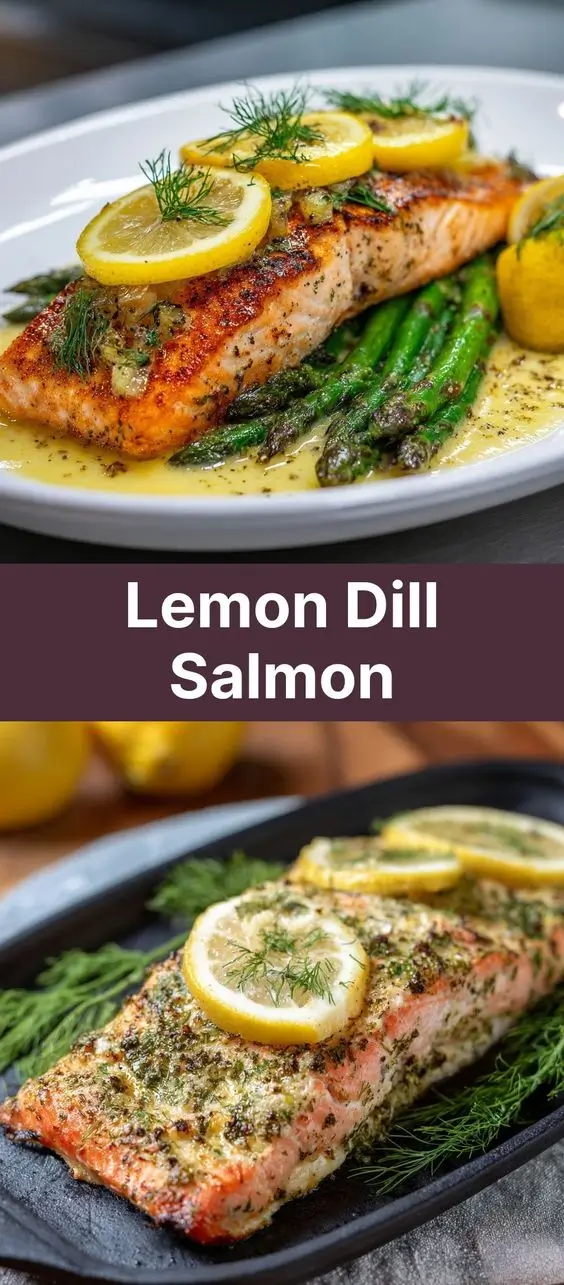
Lemon Dill Salmon: A Zesty, Elegant Dish for Any Occasion
The History of Lemon Dill Salmon
Lemon dill salmon is a culinary masterpiece that marries the bright freshness of citrus with the earthy herbal notes of dill and the rich, buttery texture of salmon. While salmon has been a staple in Nordic and coastal cuisines for centuries, the combination of lemon and dill began gaining popularity in the 20th century, particularly as Scandinavian cooking traditions influenced Western palates. In countries like Sweden, Norway, and Finland, fresh salmon is often cured or grilled and served with dill and lemon—ingredients native to the region’s cool climate.
As global travel and food media expanded in the 1970s and 80s, chefs and home cooks alike adopted this flavorful pairing. The dish found its way into American kitchens through cookbooks, cooking shows, and restaurant menus, becoming synonymous with healthy, gourmet home cooking. Today, lemon dill salmon is celebrated not only for its exquisite taste but also for its simplicity, elegance, and nutritional benefits, making it a favorite among health-conscious food lovers and gourmet enthusiasts alike.
Ingredients Breakdown: What Makes This Dish Shine
The magic of lemon dill salmon lies in its carefully chosen ingredients, each playing a vital role in building layers of flavor, aroma, and texture:
- Fresh Salmon Fillets: The star of the dish. Look for wild-caught, center-cut fillets with vibrant orange-pink flesh and firm texture. Wild salmon offers a richer flavor and better fat profile than farmed alternatives.
- Fresh Lemon: Both the zest and juice are used. Lemon zest contains aromatic oils that infuse the fish with intense citrus fragrance, while the juice adds brightness and helps tenderize the flesh slightly.
- Fresh Dill: Dill brings a delicate anise-like sweetness and grassy freshness. It pairs perfectly with salmon and enhances the dish without overpowering it.
- Olive Oil: High-quality extra virgin olive oil acts as a carrier for flavors, keeps the salmon moist during cooking, and contributes heart-healthy monounsaturated fats.
- Garlic: Minced or thinly sliced garlic adds depth and savory complexity when roasted or seared with the salmon.
- Salt and Black Pepper: Essential seasonings that enhance all other flavors. Use sea salt or kosher salt for even seasoning.
- Optional Additions: Capers, red onion slices, white wine, or a touch of honey can elevate the dish further, adding brininess, sweetness, or acidity.
Each ingredient is selected not just for taste but for synergy—working together to create a harmonious balance between richness, tang, and herbaceousness.
Step-by-Step Recipe: How to Make Perfect Lemon Dill Salmon at Home
Follow these detailed steps to achieve restaurant-quality lemon dill salmon right in your kitchen:
Ingredients (Serves 4)
- 4 salmon fillets (6 oz each), skin-on or skinless
- 2 large lemons (1 zested and juiced, 1 thinly sliced)
- 3 tablespoons fresh dill, chopped (plus extra sprigs for garnish)
- 3 tablespoons extra virgin olive oil
- 3 cloves garlic, minced
- 1 teaspoon sea salt
- ½ teaspoon freshly ground black pepper
- Optional: 1 tablespoon capers, ¼ cup white wine, 1 small red onion (sliced)
Directions
- Preheat the Oven: Set your oven to 375°F (190°C). Line a baking sheet with parchment paper or lightly grease it with olive oil to prevent sticking.
- Prepare the Marinade: In a small bowl, whisk together lemon juice, lemon zest, olive oil, minced garlic, chopped dill, salt, and pepper. If using, stir in capers or a splash of white wine for added depth.
- Pat Dry the Salmon: Use paper towels to dry the salmon fillets thoroughly. This ensures better browning and allows the marinade to adhere properly.
- Season the Fillets: Place salmon on the prepared baking sheet. Brush both sides generously with the lemon-dill marinade. For deeper flavor, let the salmon marinate for 15–30 minutes in the refrigerator (do not exceed 30 minutes as the acid from lemon can start to “cook” the fish).
- Add Lemon Slices and Aromatics: Arrange thin lemon slices on top of each fillet. Scatter fresh dill sprigs and optional red onion slices around the fish for additional aroma during baking.
- Bake the Salmon: Roast in the preheated oven for 12–15 minutes, depending on thickness. The salmon is done when it flakes easily with a fork and reaches an internal temperature of 125–130°F (52–54°C). It will continue to cook slightly after removal from the oven.
- Optional Broil Finish: For a golden, caramelized top, switch the oven to broil for the last 1–2 minutes. Watch closely to avoid burning.
- Rest and Serve: Let the salmon rest for 3–5 minutes before serving. This allows juices to redistribute, ensuring moist, tender bites. Garnish with extra fresh dill and a squeeze of fresh lemon juice.
Tips for the Best Lemon Dill Salmon Every Time
- Choose High-Quality Salmon: Opt for wild-caught Pacific salmon (like sockeye or coho) when possible. It has superior flavor, color, and omega-3 content compared to farmed Atlantic salmon.
- Don’t Overcook: Salmon is best when slightly underdone in the center—it should be opaque but still moist. Overcooking leads to dry, chalky texture.
- Use Fresh Herbs: Dried dill lacks the vibrancy of fresh. If you must substitute, use 1 teaspoon dried dill for every 1 tablespoon fresh—but fresh is always preferred.
- Room Temperature Start: Let the salmon sit at room temperature for 10–15 minutes before cooking to ensure even baking.
- Retain Moisture: Cooking with the skin on helps protect the delicate flesh and keeps it juicy. You can remove the skin after cooking if desired.
- Double the Marinade: Make extra marinade to drizzle over the cooked salmon or serve on the side as a sauce.
- Grill Option: For a smoky twist, grill the salmon over medium heat (about 6–8 minutes per side). Use a grilling plank or foil to prevent sticking.
- Pan-Seared Version: Heat olive oil in a skillet over medium-high heat. Sear salmon skin-side down for 5–6 minutes, then flip and cook for another 3–4 minutes. Finish with a splash of lemon and fresh dill.
Variations and Customizations
Lemon dill salmon is incredibly versatile and can be adapted to suit different tastes, dietary needs, and occasions:
1. Creamy Lemon-Dill Sauce
Mix Greek yogurt or sour cream with lemon juice, fresh dill, minced garlic, salt, and a pinch of sugar. Serve chilled over warm salmon for a rich, tangy contrast.
2. Mediterranean Style
Add kalamata olives, cherry tomatoes, and red onion to the baking tray. Drizzle everything with olive oil and roast together for a one-pan meal bursting with bold flavors.
3. Asian-Inspired Twist
Replace dill with cilantro and add soy sauce, ginger, and sesame oil to the marinade. Top with toasted sesame seeds and green onions for an umami-rich fusion version.
4. Maple-Lemon Glaze
For a hint of sweetness, add 1–2 tablespoons of pure maple syrup to the marinade. This balances the tartness and creates a beautiful glaze when baked.
5. Stuffed Salmon
Cut a pocket into each fillet and stuff with a mixture of breadcrumbs, sautéed spinach, cream cheese, lemon zest, and dill. Bake as usual for a decadent twist.
6. Low-Carb/Keto-Friendly
This recipe is naturally low-carb and keto-compliant. Serve with roasted asparagus, zucchini noodles, or cauliflower rice.
7. Dairy-Free & Gluten-Free
The base recipe is already free of dairy and gluten, making it ideal for those with sensitivities. Just ensure any added sauces or sides comply.
Health Considerations and Nutritional Value
Lemon dill salmon isn’t just delicious—it’s a powerhouse of nutrition:
Nutritional Highlights (Per 6 oz serving, approximate):
- Calories: ~340
- Protein: 39g – supports muscle repair and satiety
- Fat: 20g – primarily heart-healthy omega-3 fatty acids (EPA and DHA)
- Omega-3s: ~2,500–3,000 mg – reduces inflammation, supports brain and heart health
- Vitamin D: Up to 70% of daily value – crucial for immune function and bone health
- Vitamin B12: Over 100% DV – essential for nerve function and energy metabolism
- Selenium: High levels – antioxidant that supports thyroid health
- Low in Carbohydrates: ~3g – ideal for low-carb diets
Health Benefits
- Heart Health: Omega-3s help lower triglycerides, reduce blood pressure, and decrease risk of heart disease.
- Brain Function: Regular salmon consumption is linked to improved cognitive performance and reduced risk of neurodegenerative diseases.
- Anti-Inflammatory Effects: The combination of omega-3s and antioxidants from lemon and olive oil helps combat chronic inflammation.
- Weight Management: High protein and healthy fats promote fullness and reduce cravings.
- Skin Health: Omega-3s and vitamin E from olive oil contribute to glowing, hydrated skin.
Dietary Considerations
- Pregnancy: Salmon is safe and recommended during pregnancy (2–3 servings per week) due to its high DHA content, which supports fetal brain development. Choose low-mercury sources and avoid raw versions.
- Allergies: Fish is a common allergen. Those with seafood allergies should avoid this dish entirely.
- Sustainability: Look for MSC-certified or ASC-labeled salmon to support environmentally responsible fishing practices.
Frequently Asked Questions (FAQ)
- Can I use frozen salmon?
- Yes, but thaw it slowly in the refrigerator overnight for best texture. Avoid microwaving, as it can partially cook the fish.
- How do I store leftovers?
- Cool completely and store in an airtight container in the refrigerator for up to 3 days. Reheat gently in the oven or enjoy cold in salads.
- Can I make this ahead of time?
- You can marinate the salmon up to 30 minutes in advance, but don’t leave it longer due to the acidic lemon juice. Assembled trays can be refrigerated and baked just before serving.
- Is it safe to eat rare salmon?
- If you’re preparing sushi-grade salmon, yes. For regular grocery-store salmon, cook to at least 125°F internally for safety.
- What sides go well with lemon dill salmon?
- Excellent pairings include quinoa, wild rice, roasted vegetables, steamed asparagus, mashed potatoes, or a crisp arugula salad with lemon vinaigrette.
- Why is my salmon mushy?
- Over-marinating in acidic ingredients like lemon juice can denature proteins and create a mealy texture. Stick to 15–30 minutes max.
- Can I use dried dill instead of fresh?
- You can, but fresh dill provides a brighter, more aromatic flavor. Use one-third the amount of dried dill (e.g., 1 tsp dried = 1 tbsp fresh).
- Can I cook this in foil?
- Absolutely! Wrap each seasoned fillet in parchment paper or foil with lemon slices and herbs for a “en papillote” effect—this steams the fish gently and seals in moisture and aroma.
Summary
Lemon dill salmon is a nutritious, flavorful, and elegant dish that combines the richness of salmon with the zesty brightness of lemon and the fragrant freshness of dill. Easy to prepare and endlessly customizable, it’s perfect for weeknight dinners or special gatherings.