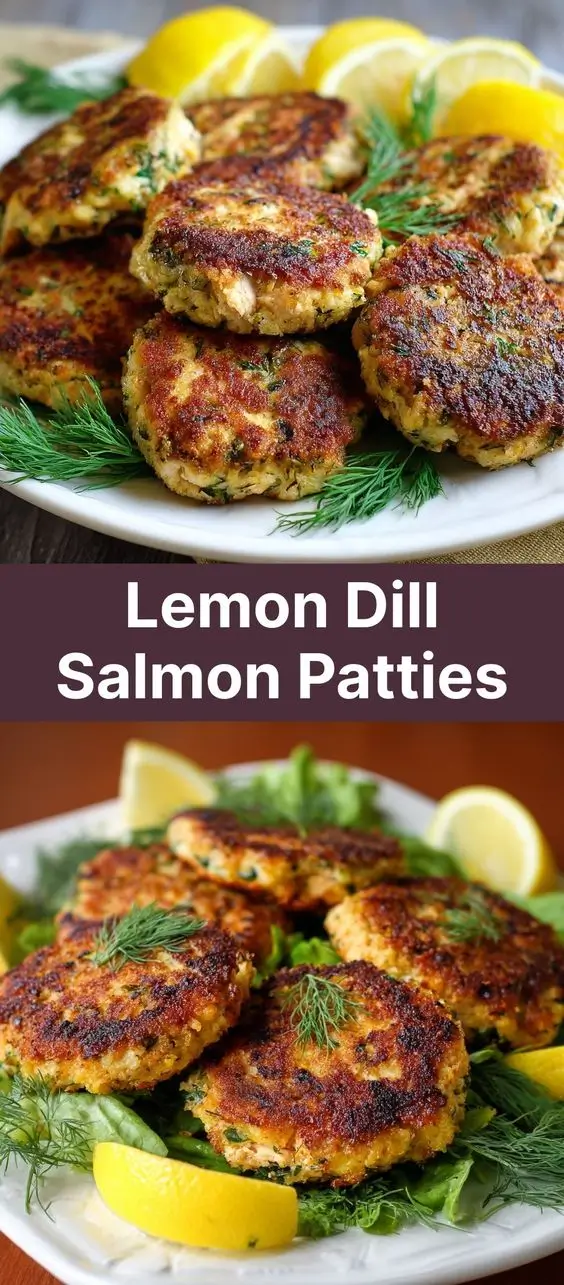
Lemon Dill Salmon Patties: A Zesty, Flavorful Delight
The History of Salmon Patties
Salmon patties have long been a staple in coastal communities around the world, particularly in regions where fresh salmon is abundant—such as the Pacific Northwest of the United States, Scandinavia, and parts of Canada. Historically, these patties were born out of necessity, serving as an ingenious way to stretch leftover or canned salmon into a hearty, satisfying meal. During the early to mid-20th century, especially during times of economic hardship like the Great Depression and World War II, canned salmon became a dietary mainstay due to its affordability, long shelf life, and high nutritional value.
Home cooks began combining flaked salmon with pantry staples like breadcrumbs, eggs, onions, and herbs to form patties that could be pan-fried or baked. These simple yet flavorful creations quickly gained popularity beyond times of scarcity and evolved into beloved comfort food dishes. Over time, regional variations emerged, incorporating local flavors and ingredients. The addition of lemon and dill—a classic pairing in Nordic cuisine—elevated the humble salmon patty into a gourmet experience, balancing richness with brightness and freshness.
Today, lemon dill salmon patties are celebrated not only for their delicious taste but also for their versatility. They can be served as an appetizer, a light lunch, or even a protein-packed dinner option. With growing interest in healthy eating and omega-3-rich foods, salmon-based recipes have surged in popularity, making this dish a modern favorite among health-conscious families and food enthusiasts alike.
Ingredients Breakdown: What Makes This Recipe Shine
The magic of lemon dill salmon patties lies in the harmonious blend of simple, high-quality ingredients that enhance the natural flavor of salmon without overpowering it. Let’s take a closer look at each component:
- Fresh or Canned Salmon: While both options work well, wild-caught salmon offers superior texture and nutrition. If using canned, choose skinless, boneless varieties packed in water for best results. For fresh salmon, poach or bake a fillet first before flaking.
- Fresh Lemon Juice and Zest: These add a vibrant citrus punch that cuts through the richness of the fish. The zest contains aromatic oils that intensify the lemon flavor, while the juice provides acidity that brightens the entire dish.
- Fresh Dill: Dill has a delicate, slightly sweet-anise flavor that pairs exceptionally well with seafood. It adds a refreshing herbal note and gives the patties their signature aroma.
- Eggs: Act as a binder to hold the mixture together during cooking. Using large eggs ensures proper cohesion without making the patties dense.
- Panko Breadcrumbs: Lighter than regular breadcrumbs, panko helps create a crisp exterior while maintaining a tender interior. They also absorb excess moisture without becoming soggy.
- Red Onion (or Shallots): Adds subtle sharpness and depth. Finely minced so it integrates smoothly into the mix.
- Garlic: Just a small amount enhances savory complexity without dominating the delicate salmon flavor.
- Dijon Mustard: Contributes tanginess and acts as an emulsifier, helping bind wet and dry ingredients together for a smoother consistency.
- Olive Oil: Used for frying, it imparts a mild fruitiness and supports healthy fat content.
- Salt and Pepper: Essential seasonings that bring balance and highlight all other flavors.
Optional additions include capers for brininess, parsley for color, or a dash of hot sauce for heat—all of which allow for creative customization based on personal taste preferences.
Step-by-Step Recipe: How to Make Perfect Lemon Dill Salmon Patties
Ingredients
- 2 (6 oz) cans wild Alaskan salmon, drained and flaked (or 12 oz cooked fresh salmon, flaked)
- 2 tablespoons fresh lemon juice (about 1 lemon)
- 1 teaspoon lemon zest
- 1/4 cup finely chopped fresh dill (plus extra for garnish)
- 1/4 cup finely diced red onion
- 1 clove garlic, minced
- 1 large egg, lightly beaten
- 1 tablespoon Dijon mustard
- 1/2 cup panko breadcrumbs (plus more if needed)
- 1/2 teaspoon sea salt
- 1/4 teaspoon freshly ground black pepper
- 3–4 tablespoons olive oil (for frying)
- Lemon wedges (for serving)
Directions
- Prepare the Salmon: If using canned salmon, drain thoroughly and remove any visible bones or skin (though some prefer to keep them for added calcium). Place the flaked salmon in a large mixing bowl. If using fresh salmon, bake or poach 12 oz of salmon fillet until fully cooked (about 12–15 minutes at 375°F), then let cool slightly before flaking.
- Mix Wet Ingredients: To the bowl with salmon, add lemon juice, lemon zest, beaten egg, Dijon mustard, chopped dill, red onion, and minced garlic. Gently fold everything together using a spatula or fork to avoid breaking down the salmon too much. You want to maintain some texture.
- Add Dry Ingredients: Sprinkle in the panko breadcrumbs, salt, and pepper. Stir gently until the mixture holds together when pressed between your fingers. If the mixture feels too wet, add another tablespoon or two of panko until it reaches the right consistency.
- Chill the Mixture (Optional but Recommended): Cover the bowl with plastic wrap and refrigerate for 20–30 minutes. Chilling firms up the mixture, making it easier to shape into patties without falling apart during cooking.
- Form the Patties: Divide the mixture into 6 equal portions. Shape each portion into a patty about 3 inches wide and 3/4 inch thick. Handle gently to prevent compaction, which can make the patties dense.
- Heat the Pan: In a large non-stick skillet, heat 2 tablespoons of olive oil over medium heat. Make sure the oil coats the bottom evenly and shimmers slightly but does not smoke.
- Cook the Patties: Carefully place 3 patties into the skillet (do not overcrowd). Cook for 4–5 minutes per side, or until golden brown and crispy on the outside, and heated through on the inside. Use a spatula to flip them gently halfway through. Add more oil as needed for the second batch.
- Drain Excess Oil: Transfer cooked patties to a plate lined with paper towels to absorb any excess oil.
- Serve Immediately: Garnish with fresh dill and serve warm with lemon wedges on the side for squeezing.
Tips for Success
- Don’t Overmix: Overworking the mixture can lead to tough, rubbery patties. Fold ingredients just until combined.
- Use Cold Ingredients: Keeping the mixture chilled before forming helps retain shape during cooking.
- Non-Stick Skillet Is Key: Prevent sticking by using a good-quality non-stick or well-seasoned cast iron pan.
- Adjust Consistency: If the mixture is too dry, add a splash of milk or yogurt. Too wet? Add more panko, one tablespoon at a time.
- Test One First: Fry a small test patty to check seasoning and texture before committing to the whole batch.
- Avoid High Heat: Cooking over medium heat ensures even browning without burning the outside before the inside warms through.
- Baking Option: For a lighter version, bake patties on a parchment-lined baking sheet at 400°F for 15–18 minutes, flipping halfway through.
Variations and Customizations
One of the greatest strengths of this recipe is its adaptability. Whether you’re catering to dietary restrictions, looking to boost nutrition, or simply experimenting with new flavors, here are several delicious variations:
- Gluten-Free: Replace panko breadcrumbs with gluten-free oats, almond flour, crushed cornflakes, or certified gluten-free breadcrumbs.
- Dairy-Free/Vegan Adaptation: While traditional salmon patties aren’t vegan, you can use plant-based salmon alternatives (like those made from tofu or konjac) along with a flax egg (1 tbsp ground flax + 3 tbsp water).
- Low-Carb/Keto: Substitute panko with crushed pork rinds, coconut flakes, or almond meal for a low-carb option.
- Spicy Kick: Add 1/4 teaspoon cayenne pepper, a few dashes of hot sauce, or 1 finely diced jalapeño to give the patties some heat.
- Mediterranean Twist: Add chopped Kalamata olives, sun-dried tomatoes, and oregano for a Greek-inspired flavor profile.
- Creamy Version: Mix in 2 tablespoons of cream cheese or Greek yogurt for a richer, creamier texture.
- Smoked Salmon Patties: Use smoked salmon instead of canned or fresh for a deeper, more intense flavor. Reduce added salt accordingly.
- Herb Variations: Swap dill with tarragon, chives, parsley, or cilantro depending on your preference.
- Mini Appetizers: Make smaller, bite-sized patties and serve them on toothpicks with a dollop of tzatziki or aioli for parties.
Health Considerations and Nutritional Value
Lemon dill salmon patties aren’t just delicious—they’re also incredibly nutritious. Here’s why they deserve a spot in a balanced diet:
- Rich in Omega-3 Fatty Acids: Salmon is one of the best sources of EPA and DHA, essential fats linked to reduced inflammation, improved heart health, and enhanced brain function.
- High-Quality Protein: Each patty delivers about 15–20 grams of complete protein, supporting muscle repair, satiety, and metabolic health.
- Vitamin D Powerhouse: Especially important during winter months, salmon provides significant amounts of vitamin D, crucial for immune support and bone health.
- B Vitamins: Contains B12, niacin, and B6, which play key roles in energy production, nerve function, and red blood cell formation.
- Low in Saturated Fat (When Prepared Wisely): Using minimal oil and avoiding heavy breading keeps the fat profile heart-healthy.
- Antioxidant Boost: Lemon zest and juice provide vitamin C and flavonoids, which combat oxidative stress.
- Digestive Benefits: Fresh dill has traditionally been used to soothe digestive discomfort and reduce bloating.
Nutrition Estimate (Per Patty, based on 6 servings):
| Nutrient | Amount |
|---|---|
| Calories | ~180 |
| Protein | 17g |
| Total Fat | 10g |
| Saturated Fat | 2g |
| Carbohydrates | 7g |
| Fiber | 1g |
| Sugar | 1g |
| Sodium | 400mg |
| Omega-3s | 1.5g |
Note: Values may vary depending on specific ingredients used. Opting for low-sodium canned salmon and reducing added salt can lower sodium content further.
Frequently Asked Questions (FAQ)
Can I freeze lemon dill salmon patties?
Yes! These patties freeze beautifully. After shaping, place uncooked patties on a baking sheet and freeze until solid. Then transfer to a freezer-safe bag or container. Cook directly from frozen—just increase cooking time by 2–3 minutes per side. Fully cooked patties can also be frozen and reheated in a toaster oven or skillet.
Can I use frozen salmon?
Absolutely. Thaw the salmon completely in the refrigerator overnight, then pat dry before flaking. Excess moisture can make the mixture too wet, so draining well is crucial.
Are these safe for pregnant women?
Yes, since the salmon is fully cooked. Canned salmon is generally considered safe due to low mercury levels. However, always consult with a healthcare provider regarding individual dietary needs during pregnancy.
Why did my patties fall apart?
This usually happens due to insufficient binder (egg or breadcrumbs), overmixing, or skipping the chilling step. Ensure the mixture holds together when pressed, and chill before cooking.
What can I serve with lemon dill salmon patties?
Excellent pairings include:
- Arugula salad with lemon vinaigrette
- Quinoa or couscous pilaf
- Roasted asparagus or green beans
- Avocado slices or guacamole
- Steamed rice or mashed potatoes
- Tzatziki sauce or lemon-dill aioli for dipping
Can I air fry these patties?
Yes! Preheat air fryer to 375°F. Lightly spray patties with oil and cook for 8–10 minutes, flipping halfway, until golden and firm. Air frying yields a crisp crust with less oil.
Is canned salmon healthy?
Yes, especially wild-caught varieties. Canned salmon retains nearly all the nutrients of fresh salmon, including omega-3s and calcium (especially if bones are included and softened during canning).
Summary
Lemon dill salmon patties combine the rich, buttery flavor of salmon with the bright freshness of lemon and aromatic dill, creating a wholesome, delicious meal perfect for any day of the week.
Easy to prepare, highly customizable, and packed with essential nutrients, these golden, crispy-on-the-outside, tender-on-the-inside patties are sure to become a family favorite.