Introduction
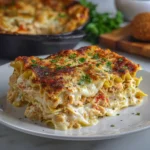
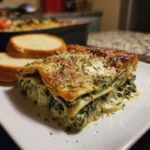
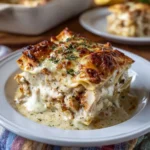
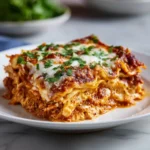
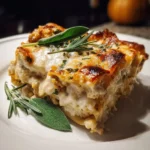
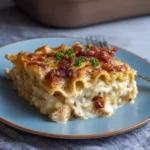
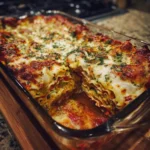
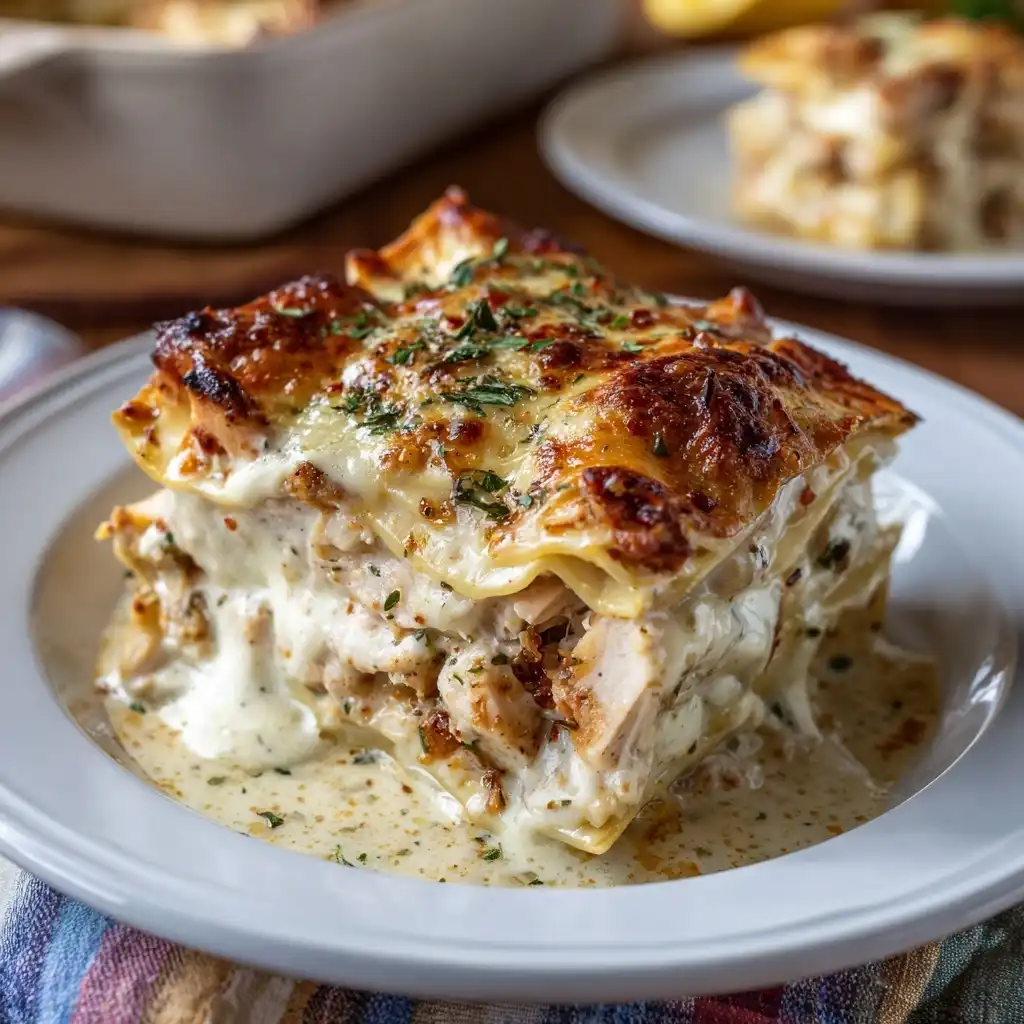
Lemon Garlic Chicken Lasagna is a vibrant, modern twist on the beloved Italian classic—reimagining richness with brightness, depth with zing, and comfort with elegance. Far from the traditional ricotta-and-meat-heavy version, this innovative casserole marries tender, herb-infused chicken breast with layers of silky lemon-kissed béchamel, garlicky sautéed spinach, and delicate no-boil lasagna noodles—all crowned with golden, bubbling mozzarella and a final flourish of fresh lemon zest and parsley. It’s a dish that bridges culinary traditions: the structure and soul of Italian pasta baking meets the bold, aromatic sensibility of Mediterranean and contemporary American home cooking. Whether served at a weeknight family dinner or elevated for a special-occasion gathering, Lemon Garlic Chicken Lasagna delivers unforgettable flavor balance—creamy yet bright, savory yet citrusy, hearty yet refreshingly light.
The History
While lasagna itself traces its origins to 13th-century Italy—first documented in the medieval cookbook De honesta voluptate et valetudine (c. 1475) as a layered pasta dish with spices, cheese, and sometimes minced meat—the lemon garlic variation is a distinctly 21st-century evolution. Its emergence reflects broader culinary trends: the rise of globally inspired comfort food, the growing emphasis on lighter, vegetable-forward proteins, and the mainstream embrace of citrus as a transformative seasoning agent in savory applications. Chefs and home cooks alike began experimenting in the early 2000s with infusing classic baked pastas with lemon zest, juice, and roasted or sautéed garlic—notably influenced by Levantine, Greek, and Southern Italian preparations where lemon and garlic are foundational. The substitution of ground beef or Italian sausage with lean, marinated chicken breast signaled a shift toward health-conscious adaptation without sacrificing satisfaction. Food blogs, cooking shows like Food Network’s Giada at Home, and viral social media recipes accelerated its popularity—especially among millennials and Gen Z seeking flavorful, photogenic, and nutritionally balanced meals. Today, Lemon Garlic Chicken Lasagna stands as a testament to how tradition evolves: honoring time-tested techniques (layering, slow baking, cheese integration) while boldly reinterpreting flavor profiles for modern palates and lifestyles.
Ingredients Breakdown
Every component in this lasagna plays a precise, intentional role—no ingredient is merely filler. Below is a detailed functional analysis of each element:
- Chicken Breast (1.5 lbs, boneless, skinless): Chosen for its mild flavor and ability to absorb marinade without overpowering other elements. Thinly sliced or pounded to uniform ¼-inch thickness ensures even cooking and seamless layering—preventing dryness and promoting tenderness.
- Fresh Garlic (8–10 cloves, finely minced + 2 whole cloves roasted): Raw garlic provides pungent, aromatic heat; roasted garlic contributes deep, caramelized sweetness and creamy texture—blended into the béchamel for complexity and umami depth.
- Lemon (3 large, preferably organic): Zest from 2 lemons adds volatile citrus oils for intense fragrance; juice from all 3 (approx. ½ cup) delivers acidity to cut through richness, balance dairy, and brighten every bite. Lemon also acts as a natural tenderizer for the chicken.
- No-Boil Lasagna Noodles (12 sheets): Engineered to hydrate fully during baking, eliminating prep time and ensuring consistent texture. Look for high-protein, durum wheat varieties to prevent mushiness—even with the relatively moist lemon béchamel.
- Whole-Milk Ricotta (2 cups): Provides creamy body and subtle sweetness. Full-fat ricotta emulsifies beautifully with lemon zest and herbs—its mild tang complements rather than competes with citrus notes.
- Heavy Cream & Whole Milk Béchamel Base (1 cup cream + 1 cup milk): Creates an ultra-luxurious, velvety sauce with superior binding power and resistance to curdling—critical when combined with acidic lemon juice. Roux-thickened (with ¼ cup butter + ¼ cup flour) for structural integrity.
- Fresh Baby Spinach (10 oz, packed): Adds earthy bitterness, vibrant green color, iron, and fiber. Wilted separately to remove excess water prevents sogginess—a common lasagna pitfall.
- Grated Parmigiano-Reggiano (1 cup, freshly grated): Offers salty, nutty, crystalline depth and superior melting properties. Pre-grated versions contain anti-caking agents that inhibit smooth integration.
- Mozzarella (3 cups, low-moisture, shredded): Delivers stretch, browning capability, and milky richness. A blend with ¼ cup fontina enhances meltability and adds subtle fruity undertones.
- Fresh Herbs (¼ cup chopped flat-leaf parsley + 2 tbsp fresh dill): Parsley lends grassy freshness and visual appeal; dill introduces an unexpected but harmonious anise-like nuance that echoes lemon’s brightness.
- Extra-Virgin Olive Oil (¼ cup, high-quality): Used both for marinating chicken and finishing the baked dish—adds fruitiness, aroma, and a luxurious mouthfeel.
- Sea Salt & Freshly Ground Black Pepper (to taste): Sea salt enhances all flavors without bitterness; coarse black pepper adds warmth and aromatic lift—ground just before use for maximum volatility.
Step-by-Step Recipe
- Marinate the Chicken (30 min–2 hrs): In a large bowl, combine thinly sliced chicken breast, ¼ cup olive oil, juice and zest of 1 lemon, 4 minced garlic cloves, 1 tsp sea salt, ½ tsp black pepper, and 1 tbsp chopped parsley. Toss thoroughly, cover, and refrigerate. For deeper flavor, marinate up to 2 hours—but avoid longer, as lemon juice can begin to “cook” the chicken and alter texture.
- Roast the Garlic (25–30 min): Preheat oven to 400°F (200°C). Slice the top off 2 whole garlic heads to expose cloves. Drizzle with 1 tsp olive oil, wrap tightly in foil, and roast until soft and golden-brown (press gently—the cloves should yield like butter). Cool slightly, then squeeze pulp into a small bowl. Mash with a fork until smooth—set aside.
- Prepare the Lemon Béchamel (15 min): In a heavy-bottomed saucepan, melt ¼ cup unsalted butter over medium heat. Whisk in ¼ cup all-purpose flour; cook, stirring constantly, for 2 minutes until fragrant and pale blonde (do not brown). Gradually whisk in 1 cup whole milk and 1 cup heavy cream, ensuring no lumps form. Bring to a gentle simmer, then reduce heat to low. Cook, stirring continuously with a silicone spatula, for 6–8 minutes until thickened enough to coat the back of a spoon. Remove from heat. Stir in roasted garlic paste, zest of 2 lemons, juice of 2 lemons (reserve remaining juice), ½ tsp salt, and ¼ tsp white pepper. Let cool slightly (béchamel will thicken further as it cools).
- Wilt the Spinach (5 min): Heat 1 tbsp olive oil in a large skillet over medium-high heat. Add 1 minced garlic clove and sauté 30 seconds until fragrant. Add 10 oz baby spinach in batches, stirring until just wilted (≈2–3 min total). Transfer to a fine-mesh strainer; press firmly with a spatula or clean towel to extract every drop of liquid. Chop coarsely and set aside.
- Assemble the Lasagna (15 min): Preheat oven to 375°F (190°C). Lightly grease a 9×13-inch glass or ceramic baking dish. Spread ¾ cup lemon béchamel evenly across the bottom. Layer 4 no-boil noodles (slightly overlapping if needed). Top with ⅓ of the marinated chicken (arranged in a single layer, not piled), followed by ⅓ of the wilted spinach, ⅓ of the ricotta mixture (see next step), and ½ cup grated Parmigiano-Reggiano. Repeat two more times for total of three full layers. Finish with a final noodle layer, remaining lemon béchamel (≈1 cup), remaining ½ cup Parmigiano-Reggiano, and 3 cups shredded mozzarella. Dot with 1 tbsp cold butter pieces for extra browning.
- Prepare the Ricotta Mixture: In a medium bowl, combine 2 cups whole-milk ricotta, juice of 1 lemon (the reserved portion), zest of 1 lemon, 2 tbsp chopped dill, 2 tbsp chopped parsley, ½ tsp salt, and ¼ tsp black pepper. Mix gently with a spatula until just combined—do not overwork.
- Bake Covered (30 min): Cover dish tightly with aluminum foil (tent slightly to prevent cheese from sticking). Bake for 30 minutes—this allows noodles to fully hydrate and layers to set.
- Bake Uncovered (20–25 min): Remove foil. Continue baking until top is deeply golden, bubbly at edges, and internal temperature reaches 165°F (74°C) when measured in the center with an instant-read thermometer (≈20–25 min). If top browns too quickly, loosely tent again with foil.
- Rest Before Serving (25–30 min): This critical step allows starches to fully set, cheese to redistribute, and residual heat to finish cooking the noodles. Cutting too soon yields soupy, separated layers. Rest uncovered on a wire rack.
- Finish & Serve: Just before serving, drizzle with remaining 1 tbsp high-quality olive oil and a final sprinkle of lemon zest and fresh parsley. Serve with lemon wedges on the side for those who desire extra brightness.
Tips
- Texture Control Is Everything: Squeeze spinach *relentlessly*. Even 1 tbsp of excess water can turn your lasagna into a watery mess. Use a potato ricer or clean kitchen towel for maximum extraction.
- Uniform Chicken Thickness = Even Cooking: Place chicken between two sheets of parchment and pound gently with a meat mallet or heavy skillet until ¼-inch thick. This prevents rubbery or undercooked spots.
- Layering Order Matters: Always start and end with sauce—not cheese—to protect noodles from drying out. Sauce on top also creates a steam barrier during covered baking.
- Cheese Temperature Counts: Grate mozzarella and Parmigiano just before assembling. Cold cheese melts more evenly; pre-shredded bags contain cellulose that impedes melt and causes greasiness.
- Acid Timing Is Strategic: Add lemon juice to béchamel *off heat* and after cooling slightly—high heat + acid risks curdling. Reserve final zest for garnish to preserve volatile oils.
- No-Boil Noodle Hack: If your noodles are stubbornly stiff after baking, brush the top layer lightly with warm broth or milk before covering—it adds hydration without diluting flavor.
- Make-Ahead Mastery: Assemble up to 24 hours ahead; refrigerate covered. Add 5–10 minutes to covered bake time. For freezer prep: assemble unbaked, wrap tightly in foil + plastic, freeze up to 3 months. Thaw overnight in fridge before baking.
- Resting Isn’t Optional—It’s Alchemical: That 25-minute rest transforms texture. The starches retrograde, the cheese re-emulsifies, and the layers fuse into cohesive, sliceable perfection.
- Oven Thermometer Check: Built-in oven thermostats are often inaccurate. An oven thermometer ensures precise 375°F baking—too hot = burnt cheese, too cool = gummy noodles.
- Sharp Knife + Hot Water Dip: For clean slices, dip a long, thin chef’s knife in hot water and wipe dry between each cut. This prevents dragging and preserves layer definition.
Variations and Customizations
This recipe is intentionally designed as a versatile canvas—adaptable to dietary needs, seasonal produce, pantry constraints, and global flavor inspirations. Explore these thoughtfully tested variations:
Dietary Adaptations
- Gluten-Free: Substitute certified GF no-boil lasagna noodles (Tinkyada or Barilla GF) and ensure flour in béchamel is GF (brown rice or sweet rice flour work best). Add ½ tsp xanthan gum to roux for stability.
- Dairy-Free: Replace béchamel with a cashew-based white sauce (soaked raw cashews, nutritional yeast, lemon, garlic, and plant milk blended until ultra-smooth). Use vegan mozzarella shreds (Miyoko’s or Violife) and omit ricotta—or substitute with blended silken tofu + lemon zest + herbs.
- Low-Carb/Keto: Swap noodles for thinly sliced zucchini or eggplant ribbons (salted, pressed, and patted dry). Increase chicken to 2 lbs and add ½ cup sun-dried tomatoes for depth. Use full-fat coconut milk in béchamel.
- Pescatarian Option: Replace chicken with 1.5 lbs wild-caught cod or haddock fillets, poached gently in lemon-white wine broth, then flaked. Reduce bake time by 5 minutes.
Flavor & Ingredient Twists
- Mediterranean Herb Garden: Add ¼ cup chopped fresh oregano and 2 tbsp capers to the spinach layer; substitute feta for ½ the mozzarella in the top layer.
- Spiced Harissa Kick: Whisk 1 tbsp harissa paste into the chicken marinade and add ½ tsp smoked paprika to the béchamel for smoky heat.
- Spring Vegetable Edition: Fold in 1 cup blanched asparagus tips, ½ cup fresh peas, and ¼ cup chopped artichoke hearts with the spinach.
- Umami Bomb: Sauté 4 oz finely chopped cremini mushrooms with the garlic for the spinach; stir 1 tbsp white miso paste into the warm béchamel.
- Herb-Infused Oil Finish: Replace plain olive oil garnish with lemon-thyme infused oil (steep 3 sprigs fresh thyme + zest of 1 lemon in ¼ cup EVOO for 2 hours).
Time-Saving Shortcuts
- Rotisserie Chicken Shortcut: Use 3 cups shredded rotisserie chicken (skin and cartilage removed). Skip marinating—toss with 2 tbsp lemon juice, 1 minced garlic clove, and 1 tbsp olive oil just before layering.
- Pre-Roasted Garlic: Substitute 2 tbsp high-quality roasted garlic paste (found near gourmet cheeses) for homemade—just ensure no added vinegar or preservatives.
- Pre-Wilted Spinach: Use frozen chopped spinach—thaw completely, then squeeze *aggressively* in a towel (yields ≈1 cup packed).
- Instant Pot Prep: Cook noodles al dente in Instant Pot (1 min high pressure, quick release), then rinse in cold water—use immediately in assembly.
Health Considerations and Nutritional Value
Lemon Garlic Chicken Lasagna offers a nutrient-dense, balanced profile that aligns with current evidence-based dietary guidance—including Mediterranean, DASH, and Harvard Healthy Eating Plate principles. Below is a comprehensive nutritional analysis per standard serving (1/12 of recipe, approx. 1.5 cups):
- Calories: ≈425 kcal — substantial enough for satiety without excess, thanks to lean protein and complex carbs.
- Protein: ≈32 g — primarily from chicken and dairy, providing all nine essential amino acids. Supports muscle maintenance, immune function, and prolonged fullness.
- Healthy Fats: ≈22 g total fat, with ≈12 g unsaturated (monounsaturated from olive oil, polyunsaturated from dairy). Contains zero trans fats and minimal saturated fat (≈9 g, well within daily limits of <10% calories).
- Carbohydrates: ≈24 g — predominantly from whole-grain–optional noodles (if using), with low glycemic impact due to high protein/fat content slowing absorption.
- Fiber: ≈3 g — from spinach and optional whole-wheat noodles; supports gut health and cholesterol management.
- Vitamins & Minerals: Exceptionally rich in Vitamin C (from lemon—≈45 mg/serving, >50% DV), Vitamin A (spinach—≈1800 IU), Calcium (dairy—≈320 mg), Iron (spinach + chicken—≈2.8 mg), and Selenium (chicken—≈22 mcg). Roasted garlic contributes allicin precursors linked to cardiovascular and immune support.
- Sodium: ≈480 mg — moderate and controllable (reduce salt by 25% if using low-sodium broth or omitting added salt in ricotta). Far lower than restaurant or frozen lasagnas (often 800–1200 mg/serving).
- Antioxidant Profile: Lemon zest contains limonene and flavonoids; garlic offers quercetin and organosulfur compounds; spinach delivers lutein, zeaxanthin, and beta-carotene—all synergistically combat oxidative stress.
Dietitian Notes: This dish naturally supports blood sugar regulation (low glycemic load + high protein/fat), promotes heart health (potassium from spinach, unsaturated fats, nitrate-rich greens), and aids digestion (lemon stimulates bile production, garlic has prebiotic fructans). To maximize benefits, serve with a simple arugula salad dressed in lemon vinaigrette—adding fiber, folate, and additional phytonutrients.
Ingredients
- 1.5 lbs boneless, skinless chicken breasts, thinly sliced (¼-inch) and pounded
- ¼ cup extra-virgin olive oil, plus 1 tbsp for spinach + 1 tbsp for finishing
- Zest and juice of 3 large lemons (reserve zest of 2 for béchamel, 1 for garnish; juice of all 3)
- 8–10 garlic cloves: 4 minced raw, 2 whole roasted, 1 minced for spinach
- 12 no-boil lasagna noodles (regular or whole wheat)
- 2 cups whole-milk ricotta cheese
- 1 cup heavy cream
- 1 cup whole milk
- ¼ cup unsalted butter
- ¼ cup all-purpose flour
- 10 oz fresh baby spinach (packed)
- 1 cup freshly grated Parmigiano-Reggiano cheese
- 3 cups low-moisture mozzarella cheese, shredded
- ¼ cup fresh flat-leaf parsley, chopped (plus extra for garnish)
- 2 tbsp fresh dill, chopped
- 1 tsp sea salt, plus more to taste
- ½ tsp freshly ground black pepper, plus more to taste
- ¼ tsp white pepper (optional, for béchamel)
Directions
- Marinate chicken in a bowl with ¼ cup olive oil, juice and zest of 1 lemon, 4 minced garlic cloves, 1 tsp salt, ½ tsp black pepper, and 1 tbsp parsley. Refrigerate 30 minutes–2 hours.
- Roast 2 garlic heads at 400°F for 25–30 minutes until soft. Cool, squeeze pulp, and mash into paste.
- Make lemon béchamel: Melt butter, whisk in flour, cook 2 minutes. Gradually whisk in milk and cream. Simmer 6–8 minutes until thickened. Off heat, stir in roasted garlic, zest of 2 lemons, juice of 2 lemons, ½ tsp salt, and ¼ tsp white pepper. Cool slightly.
- Wilt spinach: Heat 1 tbsp oil, sauté 1 minced garlic clove 30 sec. Add spinach; cook 2–3 min until wilted. Drain *thoroughly* in strainer; press dry. Chop.
- Make ricotta mixture: Combine ricotta, juice of 1 lemon, zest of 1 lemon, dill, parsley, ½ tsp salt, and ¼ tsp black pepper. Mix gently.
- Preheat oven to 375°F. Grease 9×13-inch baking dish.
- Assemble: Spread ¾ cup béchamel. Layer 4 noodles. Top with ⅓ chicken, ⅓ spinach, ⅓ ricotta mixture, ½ cup Parmigiano. Repeat twice. Top with final 4 noodles, remaining béchamel, remaining Parmigiano, and mozzarella. Dot with cold butter.
- Bake covered with foil 30 minutes. Uncover; bake 20–25 minutes until golden and bubbling (165°F internal temp).
- Rest uncovered 25–30 minutes.
- Drizzle with 1 tbsp olive oil and lemon zest. Garnish with parsley and lemon wedges. Serve.
FAQ
- Can I use regular boiled lasagna noodles instead of no-boil?
- Yes—but adjust hydration. Parboil noodles 2 minutes less than package directs (they’ll finish cooking in the oven). Drain well, toss with 1 tsp olive oil to prevent sticking, and layer immediately. You may need to reduce béchamel by ¼ cup to avoid excess moisture.
- Why does my lasagna turn out watery?
- Most commonly due to insufficient spinach draining or adding lemon juice to hot béchamel (causing separation). Also check: expired no-boil noodles (lose starch-binding ability), overfilling layers, or skipping the rest period. Always press spinach in a towel—not just a strainer.
- Can I make this vegetarian?
- Absolutely. Replace chicken with 1.5 lbs sliced portobello mushrooms and 1 cup crumbled firm tofu, sautéed in olive oil with lemon juice, garlic, and herbs until deeply browned and moisture evaporated. Add ½ cup toasted pine nuts to ricotta for texture.
- Is the lemon flavor overpowering?
- No—the lemon is balanced by rich dairy, savory garlic, and salty cheese. The acidity cuts richness, not dominates. If sensitive, reduce juice by 1 tbsp and keep all zest for aromatic lift without sharpness.
- How do I reheat leftovers without drying them out?
- Individual portions: Cover tightly with damp paper towel and microwave at 50% power for 90 seconds. For full pan: Add 2 tbsp broth or milk over leftovers, cover with foil, and bake at 325°F for 20 minutes until heated through.
- What wine pairs best with this dish?
- A crisp, high-acid white with citrus notes: Vermentino, Pinot Grigio from Friuli, or unoaked Chardonnay. For red lovers, try a chilled, low-tannin Gamay (Beaujolais) — its red berry notes complement lemon and garlic beautifully.
- Can I freeze this lasagna before baking?
- Yes—and it freezes exceptionally well. Assemble unbaked, wrap tightly in plastic wrap, then foil. Freeze up to 3 months. Thaw overnight in fridge before baking. Add 10 minutes to covered bake time.
- My béchamel broke—what went wrong and can I fix it?
- Béchamel breaks from overheating, rapid acid addition, or improper roux. To rescue: Whisk 1 tbsp cold milk into 1 tsp cornstarch. Slowly drizzle into broken sauce while whisking vigorously over low heat until smooth. Or blend with 2 tbsp cold ricotta to re-emulsify.
- Can I use Greek yogurt instead of ricotta?
- Not recommended—Greek yogurt is too acidic and watery, causing separation. If necessary, strain 2 cups plain full-fat Greek yogurt in cheesecloth 2 hours, then mix with ¼ cup grated Parmigiano and 1 tsp lemon zest to mimic ricotta’s texture and flavor.
- How do I get perfect, restaurant-style layers every time?
- Use a ¼-cup measuring cup to portion chicken and spinach evenly. Layer noodles with offset seams (like brickwork) to prevent sliding. Press down gently after each layer with the back of a spoon to eliminate air pockets.
Summary
Lemon Garlic Chicken Lasagna redefines comfort food with its masterful balance of bright citrus, aromatic roasted and raw garlic, tender herb-marinated chicken, and luxuriously smooth lemon-infused béchamel—layered with vibrant spinach and no-boil noodles, then baked to golden, bubbling perfection.
Nutritionally robust, endlessly customizable, and steeped in both Italian technique and modern Mediterranean sensibility, it’s a showstopping dish that satisfies deeply while feeling refreshingly light, health-conscious, and utterly unforgettable.