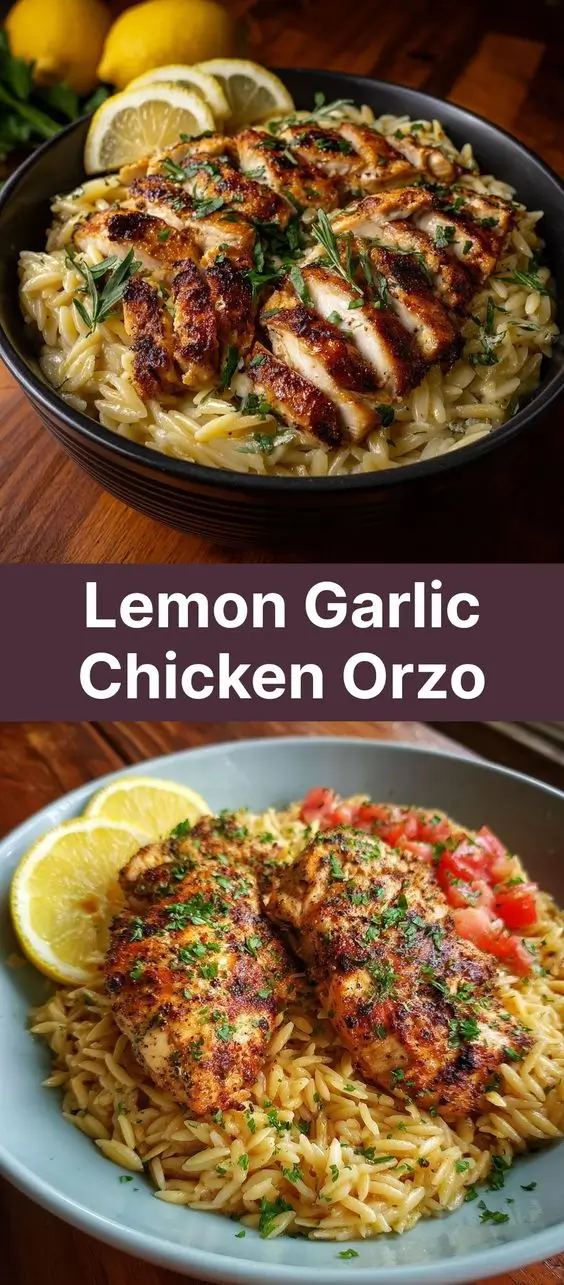
Lemon Garlic Chicken Orzo: A Zesty, Comforting Dish for Any Occasion
The History of Lemon Garlic Chicken Orzo
The roots of Lemon Garlic Chicken Orzo can be traced back to the Mediterranean region, where simple, fresh ingredients are celebrated in everyday cooking. While orzo itself is a rice-shaped pasta with origins in Italy—often used in soups and salads—the combination with lemon and garlic chicken reflects broader Mediterranean culinary traditions, particularly those found in Greek, Southern Italian, and Middle Eastern cuisines.
Garlic has been a staple in Mediterranean cooking for thousands of years, valued not only for its bold flavor but also for its medicinal properties. Lemons, introduced to Europe via the Middle East during ancient times, became integral to coastal cuisines for their bright acidity and ability to enhance savory dishes. The pairing of lemon and garlic is classic across the region, often seen in dishes like Greek lemonato (roast chicken with lemon) or Turkish limonlu tavuk.
Orzo, despite its name meaning “barley” in Italian, is made from durum wheat semolina and resembles grains more than traditional pasta. Its small size and quick cooking time make it ideal for one-pot meals. Over time, home cooks began combining orzo with proteins like chicken, infusing it with citrus and herbs to create hearty, comforting meals that could be served family-style.
Lemon Garlic Chicken Orzo as we know it today likely emerged in the 20th century, popularized by home chefs looking for easy weeknight dinners that didn’t sacrifice flavor. In recent decades, it gained traction globally through food blogs, cooking shows, and social media platforms, becoming a favorite among fans of Mediterranean-inspired cuisine. Its rise in popularity is due not only to its delicious taste but also to its versatility—it can be adapted to suit dietary preferences, cooked on the stovetop or baked, and served warm or cold.
Ingredients Breakdown: Why Each Component Matters
Creating the perfect Lemon Garlic Chicken Orzo requires attention to detail and quality ingredients. Each element plays a crucial role in building layers of flavor, texture, and aroma.
- Chicken Breast: Boneless, skin-on or skinless chicken breasts provide lean protein and a mild base that absorbs the bold flavors of lemon and garlic. Skin-on versions add richness when seared.
- Orzo Pasta: This small, rice-shaped pasta offers a tender yet slightly chewy texture. It soaks up sauce beautifully and gives the dish a comforting, risotto-like consistency without constant stirring.
- Fresh Lemon Juice and Zest: The juice delivers tangy brightness, while the zest contains aromatic oils that intensify the citrus flavor throughout the dish.
- Garlic: Freshly minced garlic is essential. When sautéed, it becomes sweet and mellow, forming the backbone of the dish’s savory profile.
- Shallots or Yellow Onion: These add sweetness and depth, forming the aromatic base along with garlic.
- Chicken Broth: High-quality broth enhances the umami flavor and acts as the cooking liquid for the orzo, infusing every grain with savory goodness.
- Olive Oil: Extra virgin olive oil adds fruitiness and helps sear the chicken while enriching the sauce.
- Dry White Wine (optional): Adds complexity and acidity; helps deglaze the pan and lift browned bits for maximum flavor.
- Fresh Herbs: Parsley and dill are commonly used—parsley for freshness, dill for a subtle anise note that complements lemon beautifully.
- Salted Butter (optional): Stirred in at the end for silkiness and richness.
- Parmesan Cheese (optional): Adds a salty, nutty finish and creamy texture when stirred into the cooked orzo.
- Salt and Black Pepper: Crucial for balancing and enhancing all other flavors.
Step-by-Step Recipe: How to Make Perfect Lemon Garlic Chicken Orzo
This method ensures tender chicken, perfectly cooked orzo, and a vibrant, restaurant-quality sauce—all in about 30–40 minutes.
Ingredients
- 1.5 lbs (680g) boneless, skinless chicken breasts, cut into 1-inch cubes
- 1 cup (180g) dried orzo pasta
- 3 tbsp olive oil, divided
- 1 medium shallot or yellow onion, finely diced
- 4–5 garlic cloves, minced
- 1/2 cup (120ml) dry white wine (e.g., Sauvignon Blanc or Pinot Grigio)
- 2 cups (480ml) low-sodium chicken broth
- Zest and juice of 2 large lemons (about 1/3 cup juice)
- 1 tsp salt (or to taste)
- 1/2 tsp black pepper
- 1/4 tsp red pepper flakes (optional, for heat)
- 2 tbsp unsalted butter (optional)
- 1/3 cup grated Parmesan cheese (optional)
- 1/3 cup chopped fresh parsley
- 1 tbsp chopped fresh dill (optional)
Directions
- Season and Sear the Chicken: Pat chicken pieces dry with paper towels and season generously with salt and pepper. Heat 2 tablespoons of olive oil in a large skillet or Dutch oven over medium-high heat. Add chicken in a single layer (work in batches if needed) and cook until golden brown on both sides and cooked through (internal temperature 165°F / 74°C), about 5–6 minutes per side. Remove chicken and set aside.
- Sauté Aromatics: In the same skillet, reduce heat to medium. Add remaining 1 tablespoon of olive oil. Stir in the diced shallot and cook until softened and translucent, about 3–4 minutes. Add minced garlic and red pepper flakes, stirring constantly for 30 seconds to 1 minute until fragrant—do not let garlic burn.
- Deglaze with Wine: Pour in the white wine, scraping the bottom of the pan with a wooden spoon to release any browned bits (this builds flavor). Simmer until reduced by half, about 3–4 minutes.
- Cook the Orzo: Add the orzo and stir to coat in the aromatics. Pour in the chicken broth and bring to a gentle boil. Reduce heat to medium-low, cover, and simmer for 8–10 minutes, stirring occasionally, until orzo is al dente and most liquid is absorbed.
- Add Lemon and Chicken: Return the seared chicken (and any accumulated juices) to the skillet. Stir in lemon juice, lemon zest, salt, and pepper. Continue cooking uncovered for another 2–3 minutes to meld flavors.
- Finish with Richness and Freshness: Remove from heat. Stir in butter (if using), Parmesan cheese, chopped parsley, and dill. Taste and adjust seasoning—add more lemon juice for brightness, salt for balance, or red pepper flakes for heat.
- Serve Immediately: Spoon into bowls and garnish with extra Parmesan, a sprinkle of parsley, and a lemon wedge on the side. Serve warm.
Tips for Success
- Don’t Overcook the Chicken: Cutting the chicken into uniform cubes ensures even cooking. If you prefer whole breasts, sear them first, remove, then slice after resting before returning to the orzo.
- Use Fresh Lemon Juice: Bottled lemon juice lacks the bright, floral notes of fresh. Always use freshly squeezed juice and zest for best results.
- Toast the Orzo (Optional): For a nuttier flavor, toast the orzo in olive oil for 1–2 minutes before adding liquids—this enhances its texture and taste.
- Control the Liquid: Orzo absorbs liquid quickly. If the mixture seems too dry, add a splash of warm broth or water. If too wet, cook uncovered for a few more minutes.
- Rest Before Serving: Let the dish sit for 3–5 minutes after cooking. The orzo will continue absorbing liquid and flavors will deepen.
- Prevent Sticking: Stir frequently during orzo cooking, especially toward the end, to prevent sticking to the pan.
- Make Ahead Tip: You can prep ingredients ahead—chop veggies, measure spices, juice lemons—but cook just before serving for optimal texture.
Variations and Customizations
Lemon Garlic Chicken Orzo is highly adaptable. Here are some creative ways to personalize it:
- Creamy Version: Stir in 1/4–1/2 cup heavy cream, crème fraîche, or Greek yogurt at the end for a richer, silkier texture.
- Vegetarian Option: Omit chicken and use mushrooms (like cremini or shiitake) or chickpeas for protein. Use vegetable broth instead of chicken broth.
- Gluten-Free: Substitute orzo with gluten-free alternatives such as quinoa, rice, or gluten-free orzo pasta.
- Seafood Twist: Replace chicken with shrimp or scallops. Add seafood in the last 4–5 minutes of cooking to avoid overcooking.
- Herb Variations: Try basil, oregano, or tarragon instead of dill for different herbal profiles.
- Add Vegetables: Stir in spinach, sun-dried tomatoes, artichoke hearts, roasted red peppers, or peas during the final minutes of cooking.
- Baked Version: Combine all ingredients (except fresh herbs and butter) in a baking dish. Cover and bake at 375°F (190°C) for 25–30 minutes, stirring halfway. Finish with herbs and butter.
- Lemon Butter Sauce Upgrade: After cooking, swirl in an additional 2 tbsp of browned butter and a splash of lemon juice for a glossy, gourmet finish.
- Dairy-Free: Skip butter and Parmesan. Use nutritional yeast for a cheesy flavor or omit entirely.
Health Considerations and Nutritional Value
Lemon Garlic Chicken Orzo can be a balanced, nutritious meal when prepared with mindful ingredient choices.
Nutritional Highlights (per serving, approximately 1.5 cups, serves 4):
- Calories: ~450–500 kcal
- Protein: ~30–35g (excellent source from chicken and orzo)
- Carbohydrates: ~45–50g (complex carbs from orzo)
- Fat: ~12–15g (mostly healthy fats from olive oil)
- Fiber: ~3–4g (from orzo and vegetables if added)
- Vitamin C: High from lemon juice—supports immune function and iron absorption.
- B Vitamins: From chicken and whole grain orzo (if used), important for energy metabolism.
Health Benefits:
- Garlic: Contains allicin, which may support heart health, reduce inflammation, and boost immunity.
- Lemons: Rich in antioxidants and citric acid, which may help prevent kidney stones.
- Olive Oil: A cornerstone of the Mediterranean diet, linked to reduced risk of heart disease and improved cholesterol levels.
- Lean Protein: Chicken breast supports muscle maintenance and satiety, helping with weight management.
Dietary Adjustments:
- Lower Sodium: Use low-sodium broth and limit added salt. Boost flavor with extra herbs and lemon.
- Lower Carb: Replace orzo with cauliflower rice or zucchini noodles for a lighter version.
- Higher Fiber: Use whole wheat orzo or add fiber-rich vegetables like broccoli or kale.
- Keto-Friendly? Not traditionally, but a modified version with konjac or shirataki orzo and increased healthy fats could work.
Frequently Asked Questions (FAQ)
Can I make Lemon Garlic Chicken Orzo ahead of time?
Yes, but best served fresh. You can prep components separately and assemble before cooking. Cooked leftovers reheat well but may need a splash of broth to loosen.
How long do leftovers last?
Store in an airtight container in the refrigerator for up to 3–4 days. Reheat on the stovetop with a little water or broth to restore creaminess.
Can I freeze this dish?
Freezing is possible, but orzo may become mushy upon thawing. Best to freeze without dairy and add fresh butter and cheese after reheating.
Why is my orzo mushy?
Overcooking or too much liquid. Follow package instructions closely and check orzo early. It should be tender with a slight bite (al dente).
Can I use frozen orzo?
No, always use dried orzo. Frozen orzo is not standard. Fresh refrigerated orzo cooks much faster—adjust time accordingly.
What can I serve with this dish?
It’s a complete meal, but pairs wonderfully with a crisp green salad, roasted asparagus, grilled vegetables, or crusty bread.
Is this dish spicy?
Not unless you add red pepper flakes. The heat level is easily adjustable—omit for mild, increase for kick.
Can I use chicken thighs instead of breasts?
Absolutely. Thighs are more flavorful and forgiving. They take slightly longer to cook but stay juicier.
Do I need to rinse the orzo before cooking?
No. Rinsing removes surface starch needed for sauce absorption. Just add it directly to the pot.
Can I make this in an Instant Pot?
Yes! Use 1:1 ratio of orzo to broth (e.g., 1 cup orzo + 1 cup broth). Sear chicken on Saute mode, remove, then cook orzo with broth, lemon, and garlic for 4 minutes on high pressure, followed by a quick release. Stir in chicken and finish with herbs and butter.
Summary
Lemon Garlic Chicken Orzo is a vibrant, satisfying dish that brings together tender chicken, al dente orzo, and a bright, garlicky lemon sauce infused with fresh herbs—perfect for quick dinners or entertaining.
Elegant yet easy to make, this Mediterranean-inspired recipe is endlessly customizable, nutritious, and guaranteed to become a family favorite.