Introduction
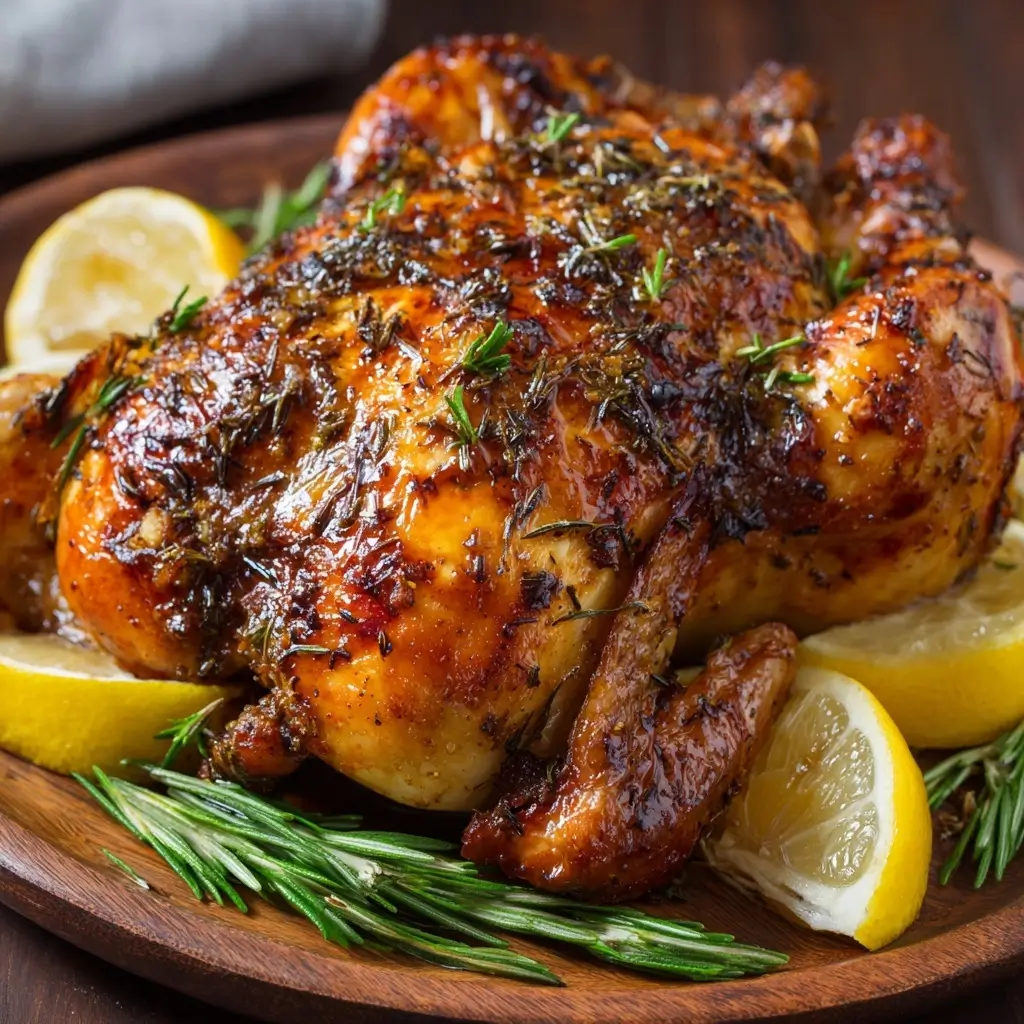
Lemon Herb Roast Chicken is a timeless, soul-satisfying dish that marries the bright, zesty tang of fresh lemons with the earthy, aromatic complexity of hand-selected herbs. More than just a weeknight dinner or Sunday centerpiece, it’s a culinary embrace—warm, fragrant, and deeply comforting. Whether served at a rustic family gathering, an elegant dinner party, or enjoyed solo with leftovers transformed into next-day salads, sandwiches, or grain bowls, this roast chicken delivers extraordinary flavor with remarkably little effort. Its magic lies not in complication, but in thoughtful layering: citrus acidity cuts through richness, herbs infuse every fiber of the bird, and slow roasting coaxes out unparalleled juiciness and golden, crackling skin. This guide doesn’t just walk you through preparation—it invites you to understand *why* each step matters, empowering you to roast with confidence, creativity, and consistent, restaurant-quality results.
The History
The lineage of roasted chicken stretches back millennia—to ancient Rome, where poultry was prized for both sustenance and symbolism; to medieval European hearths, where whole birds were turned on spits over open flames; and to Middle Eastern and Mediterranean kitchens, where citrus and wild herbs like rosemary, thyme, and oregano were used not only for flavor but also as natural preservatives and digestive aids. Lemon, native to Southeast Asia and later cultivated across Persia and the Mediterranean, became a cornerstone of Levantine and Southern European cooking by the 12th century. Its pairing with poultry appears in early Arabic cookbooks such as *Kitab al-Tabikh* (13th c.), which features chickens stuffed with citron, mint, and coriander. In France, the concept evolved into *poulet rôti aux herbes*, often finished with lemon butter; in Greece, *kotopoulo me limonia* features lemon-oregano marinades and pan drippings whisked into a vibrant sauce. The American interpretation—popularized mid-20th century via Julia Child’s meticulous techniques and later refined by chefs like Thomas Keller and Samin Nosrat—emphasizes high-heat searing, herb-butter under-the-skin application, and precise internal temperature control. Today’s Lemon Herb Roast Chicken honors all these traditions: it’s a global heirloom dish, continuously reinvented yet forever rooted in simplicity, seasonality, and reverence for quality ingredients.
Ingredients Breakdown
Every element in this recipe plays a distinct, indispensable role—not merely as flavor, but as functional agent in texture, moisture retention, browning, and aroma development:
- Whole Chicken (3.5–4.5 lbs / 1.6–2 kg): Opt for air-chilled, pasture-raised, or organic birds when possible. Air-chilled chickens retain less water, yielding crisper skin and more concentrated flavor. A medium-sized bird ensures even cooking—too small risks drying; too large may result in uneven doneness. Remove giblets and neck from cavity before starting.
- Fresh Lemons (2 large, preferably unwaxed): One lemon is thinly sliced for cavity and roasting pan; the second is zested and juiced. Citric acid tenderizes muscle fibers slightly, while volatile oils in the zest deliver intense aromatic lift. Lemon juice adds brightness *after* roasting (to preserve its fresh character) and forms the base of the finishing pan sauce.
- Unsalted Butter (½ cup / 113 g, softened): Provides richness, carries fat-soluble herb flavors deep into the meat, and promotes Maillard browning. Softened (not melted) butter spreads easily under the skin without tearing it. Unsalted butter gives full control over seasoning levels.
- Fresh Herbs (2 tbsp each finely chopped): A triumvirate of Rosemary (piney, resinous, heat-stable), Thyme (earthy, floral, subtly minty), and Parsley (bright, grassy, chlorophyll-rich). Fresh is non-negotiable—dried herbs lack volatile oils and can taste dusty or bitter when roasted. Reserve a few sprigs for garnish.
- Garlic (6 cloves, minced): Raw garlic mellows dramatically during roasting, transforming into sweet, nutty, umami-rich depth. Minced (not pressed) releases optimal allicin without bitterness.
- Shallots (2 medium, thinly sliced): Sweeter and more delicate than onions, shallots caramelize beautifully in the pan, forming the aromatic base of the sauce and lending subtle allium complexity without overpowering.
- Olive Oil (2 tbsp extra-virgin): Used for initial skin drying and high-heat searing. Its polyphenols enhance browning; its fruity notes complement lemon and herbs. Avoid neutral oils like canola—they lack flavor synergy.
- Kosher Salt (2 tbsp, Diamond Crystal) & Freshly Ground Black Pepper (2 tsp): Salt penetrates deeply when applied generously under the skin and on the surface—enhancing natural chicken flavor and improving moisture retention via protein denaturation. Diamond Crystal’s flaky texture adheres well and dissolves evenly. Coarse black pepper adds warm, floral spice that blooms during roasting.
- Dry White Wine (½ cup / 120 ml, e.g., Sauvignon Blanc or Pinot Grigio): Deglazes the pan, lifting caramelized bits (fond) and adding acidity and subtle fruit notes to the sauce. Alcohol cooks off, leaving only nuanced flavor. Substitute low-sodium chicken broth if avoiding alcohol.
- Chicken Stock (1 cup / 240 ml, low-sodium, preferably homemade): Forms the body of the pan sauce—rich in collagen and gelatin, it lends silkiness and mouthfeel. Homemade stock yields superior depth; if using store-bought, choose brands with minimal additives and no MSG.
Note on Substitutions: While flexibility exists, avoid swapping lemon for vinegar (lacks aromatic brightness), dried herbs for fresh (no comparison in vibrancy), or margarine for butter (water content prevents crisp skin). Each ingredient is calibrated for balance and function.
Step-by-Step Recipe
- Prep the Chicken (1 hour ahead): Remove chicken from fridge 60 minutes before roasting. Pat *extremely* dry inside and out with paper towels—this is the single most critical step for crispy skin. Trim excess fat from cavity and neck area. Using your fingers, gently loosen the skin over the breasts and thighs by sliding them between skin and meat—take care not to tear. Set aside.
- Make Herb-Lemon Butter: In a small bowl, combine softened butter, lemon zest, 1 tbsp each of chopped rosemary, thyme, and parsley, minced garlic, 1 tsp salt, and ½ tsp pepper. Mix until fully homogenous. Reserve 1 tbsp for finishing sauce.
- Season Under the Skin: Divide herb butter in half. Gently spread one portion evenly under the loosened skin—covering breasts, thighs, and drumsticks. Massage lightly to distribute. Rub remaining herb butter all over the outside of the chicken, including legs and wings. Season entire surface generously with remaining salt and pepper.
- Stuff & Truss: Quarter one lemon and place halves plus 2–3 herb sprigs into the cavity. Tuck wingtips behind back and tie legs together with kitchen twine (trussing ensures even cooking and retains shape).
- Preheat & Prep Pan: Place a heavy-duty, oven-safe skillet (cast iron preferred) or roasting pan on center rack. Preheat oven to 450°F (230°C) for *at least 30 minutes*. A blazing-hot pan jumpstarts skin crisping.
- Sear the Bird (5 min): Carefully place chicken breast-side *up* into the scorching hot pan. It should sizzle vigorously. Roast at 450°F for 15 minutes to render fat and set skin.
- Reduce Heat & Roast (60–75 min): Lower oven temperature to 375°F (190°C). Continue roasting, rotating pan halfway through, until thigh meat reaches 165°F (74°C) on an instant-read thermometer inserted into thickest part (avoiding bone). Total time varies by size—typically 60–75 minutes. Baste once halfway with pan juices.
- Rest (CRITICAL – 25–30 min): Transfer chicken to a wire rack over a tray. Tent *loosely* with foil—never seal tightly, or steam will soften skin. Resting allows juices to redistribute; cutting too soon releases up to 30% of flavorful moisture.
- Make Pan Sauce: While chicken rests, place roasting pan over medium heat. Add shallots; sauté 2 minutes until soft. Pour in wine, scraping vigorously to lift fond. Simmer 2 minutes until reduced by half. Add stock and reserved 1 tbsp herb butter. Whisk constantly until smooth and slightly thickened (3–4 min). Stir in lemon juice (from second lemon) and remaining fresh herbs. Taste and adjust salt/pepper.
- Carve & Serve: Remove twine. Carve: slice along breastbone, remove whole breasts, then slice crosswise. Separate thighs/drumsticks. Arrange on platter, drizzle generously with warm pan sauce, and garnish with lemon slices and herb sprigs.
Tips
- Dryness is Destiny: Never skip the 1-hour air-dry + aggressive towel-drying. Moisture is the enemy of crisp skin—evaporating surface water *before* heat hits is foundational.
- Thermometer Non-Negotiable: Visual cues (golden color, leg wiggle) are unreliable. An instant-read thermometer eliminates guesswork and prevents overcooking. Insert probe horizontally into inner thigh, away from bone.
- Cold Pan = Soggy Skin: Preheating the pan ensures immediate fat rendering and skin contraction—creating that coveted shatter-crisp texture. Never start in a cold pan.
- Herb Placement Matters: Butter *under* the skin delivers flavor directly to the meat and insulates it; butter *on* the skin promotes browning. Both are essential.
- Resting Time is Cooking Time: Use those 25–30 minutes productively: make sauce, set table, or prep sides. Cutting early sacrifices tenderness and juiciness—patience pays dividends.
- Rotate for Even Browning: Ovens have hot spots. Rotating the pan 180° halfway through ensures uniform golden color and prevents one side from over-browning.
- Sauce Clarity Tip: For a refined, glossy sauce, strain through a fine-mesh sieve after simmering—removing herb stems and shallot fibers yields silky elegance.
- Leftover Magic: Refrigerate carcass and bones overnight; simmer next day with onion, carrot, celery, and peppercorns for rich, collagen-rich stock—the ultimate foundation for soups or risottos.
Variations and Customizations
This recipe is a master canvas—adaptable to seasons, pantries, dietary needs, and global inspirations:
- Mediterranean Twist: Add ¼ cup pitted kalamata olives and 1 tsp orange zest to pan sauce; garnish with crumbled feta and oregano.
- Provencal Style: Replace rosemary/thyme with 1 tbsp herbes de Provence; add ½ cup cherry tomatoes and 1 diced eggplant to roasting pan for last 30 minutes.
- Asian-Inspired: Swap lemon for yuzu or lime; use ginger (1 tbsp grated) and scallions instead of garlic/shallots; finish sauce with 1 tsp toasted sesame oil and ½ tsp rice vinegar.
- Smoky & Spiced: Rub chicken with 1 tsp smoked paprika, ½ tsp cumin, and pinch of cayenne before herb butter. Add chipotle in adobo (1 small pepper, minced) to sauce.
- Low-Carb/Keto: Skip wine in sauce (use additional stock); thicken with ½ tsp xanthan gum whisked into cold stock before adding.
- Dairy-Free: Replace butter with high-heat avocado oil or coconut oil (refined, for neutral flavor) blended with lemon zest and herbs. Note: skin won’t be *quite* as crisp, but still delicious.
- Herb Swaps: Try tarragon + chervil for French flair; marjoram + basil for Italian; dill + mint for Scandinavian freshness.
- Vegetable-Roasted Version: Scatter carrots, potatoes, red onions, and fennel around chicken before roasting—toss in pan juices and roast alongside for a complete, one-pan meal.
Health Considerations and Nutritional Value
A 6-oz (170g) serving of skin-on Lemon Herb Roast Chicken breast (with 1 tbsp pan sauce) provides approximately:
- Calories: 320 kcal
- Protein: 42g (complete, highly bioavailable source supporting muscle synthesis and satiety)
- Fat: 14g (mostly unsaturated from olive oil and chicken fat; contains heart-healthy oleic acid)
- Carbohydrates: 2g (primarily from lemon juice and wine reduction)
- Vitamins & Minerals: Exceptionally rich in B6, B12, niacin, selenium, phosphorus, and zinc—critical for immunity, energy metabolism, and antioxidant defense.
Functional Benefits:
- Lemon: High in vitamin C (supports collagen formation, iron absorption, and immune resilience); citric acid may aid digestion and urinary pH balance.
- Fresh Herbs: Rosemary contains carnosic acid (neuroprotective antioxidant); thyme is rich in thymol (natural antimicrobial); parsley delivers apigenin (anti-inflammatory flavonoid) and vitamin K (bone and vascular health).
- Olive Oil: Source of monounsaturated fats and polyphenols linked to reduced cardiovascular inflammation and improved endothelial function.
- Roasting vs. Frying: Dry-heat roasting minimizes added fat while preserving nutrients better than boiling or stewing (which leaches water-soluble vitamins).
Considerations: Sodium content is modifiable—reduce added salt by 25% and rely on lemon/herbs for brightness. For lower saturated fat, remove skin before eating (though skin contributes significantly to flavor and texture). Those with histamine sensitivity may wish to reduce garlic and fermented wine in sauce—opt for broth and fresh lemon only.
Ingredients
- 1 whole chicken (3.5–4.5 lbs / 1.6–2 kg), giblets removed
- 2 large unwaxed lemons
- ½ cup (113 g) unsalted butter, softened
- 2 tbsp fresh rosemary leaves, finely chopped
- 2 tbsp fresh thyme leaves, finely chopped
- 2 tbsp fresh flat-leaf parsley, finely chopped
- 6 garlic cloves, minced
- 2 medium shallots, thinly sliced
- 2 tbsp extra-virgin olive oil
- 2 tbsp Diamond Crystal kosher salt (or 1 tbsp Morton’s)
- 2 tsp freshly ground black pepper
- ½ cup (120 ml) dry white wine (e.g., Sauvignon Blanc)
- 1 cup (240 ml) low-sodium chicken stock, preferably homemade
Directions
- Remove chicken from refrigerator 60 minutes before cooking. Thoroughly pat dry—inside cavity and all over skin—with paper towels until no moisture remains.
- In a small bowl, combine softened butter, zest of 1 lemon, 1 tbsp each of chopped rosemary, thyme, and parsley, minced garlic, 1 tsp salt, and ½ tsp pepper. Mix until smooth.
- Gently loosen skin over breasts and thighs with your fingers. Spread half the herb butter evenly underneath the skin. Rub remaining herb butter all over exterior.
- Season entire chicken generously with remaining salt and pepper. Quarter 1 lemon and place halves, plus 2–3 herb sprigs, into cavity. Tuck wings and tie legs with kitchen twine.
- Place heavy oven-safe skillet or roasting pan in oven. Preheat oven to 450°F (230°C) for 30 minutes.
- Carefully place chicken breast-side up into hot pan. Roast at 450°F for 15 minutes.
- Reduce oven temperature to 375°F (190°C). Roast 60–75 minutes more, rotating pan halfway, until thigh meat registers 165°F (74°C).
- Transfer chicken to wire rack. Tent loosely with foil. Rest 25–30 minutes.
- Place roasting pan over medium heat. Add shallots; sauté 2 minutes. Pour in wine, scraping fond. Simmer 2 minutes. Add stock and reserved 1 tbsp herb butter. Simmer 3–4 minutes, whisking, until slightly thickened.
- Stir in juice of 1 lemon and remaining fresh herbs. Season to taste. Carve chicken and serve immediately with warm pan sauce.
FAQ
- Can I roast this chicken in a Dutch oven?
- Yes—but preheat it empty in the oven first. Enamel-coated cast iron works well, though bare cast iron yields superior browning. Ensure lid is removed during roasting to allow skin crisping.
- Why does my chicken skin turn rubbery instead of crispy?
- Nearly always due to insufficient drying. Surface moisture steams the skin instead of allowing it to dehydrate and crisp. Also check: oven wasn’t hot enough initially, or chicken was covered during roasting.
- Can I prepare the herb butter and season the chicken the night before?
- Absolutely—and highly recommended! Seasoning overnight allows salt to deeply penetrate, enhancing flavor and moisture retention. Store uncovered in the coldest part of the fridge to continue drying the skin.
- What if I don’t have a meat thermometer?
- You can check doneness by piercing the thickest part of the thigh with a skewer—if juices run clear (not pink), it’s done. However, thermometers are inexpensive, foolproof, and prevent costly overcooking. Highly encouraged investment.
- Can I use chicken pieces instead of a whole bird?
- Yes. Adjust time: bone-in thighs/drumsticks need 35–45 min at 425°F; boneless breasts only 20–25 min. Arrange pieces skin-up on a parchment-lined sheet pan for easy cleanup.
- Is the pan sauce necessary? Can I skip it?
- The sauce transforms the dish—from delicious to transcendent. It balances richness with acidity, adds luxurious mouthfeel, and recaptures all the flavor lost to the pan. Skipping it means missing 40% of the experience—but it’s still excellent plain.
- How do I store and reheat leftovers without drying them out?
- Store cooled chicken and sauce separately in airtight containers for up to 4 days. Reheat gently in saucepan with 1–2 tbsp broth or sauce over low heat, covered, until warmed through—never microwave uncovered.
- Can I freeze this dish?
- Yes—freeze cooked, cooled chicken (without sauce) for up to 3 months. Sauce freezes well for 2 months. Thaw overnight in fridge; reheat gently as above. Skin texture will soften slightly upon freezing/thawing.
Summary
Lemon Herb Roast Chicken is a masterclass in elegant simplicity—where high-heat searing, herb-infused butter under the skin, and precise temperature control converge to yield impossibly juicy meat and shatter-crisp, golden skin. Every component, from the zested lemon to the rested resting time, serves a purpose rooted in food science and centuries of culinary wisdom.
It’s endlessly adaptable, nutritionally robust, and deeply satisfying—a dish that nourishes the body, delights the senses, and anchors meals with warmth, aroma, and timeless appeal—whether served on a humble Tuesday or celebrated at a milestone gathering.