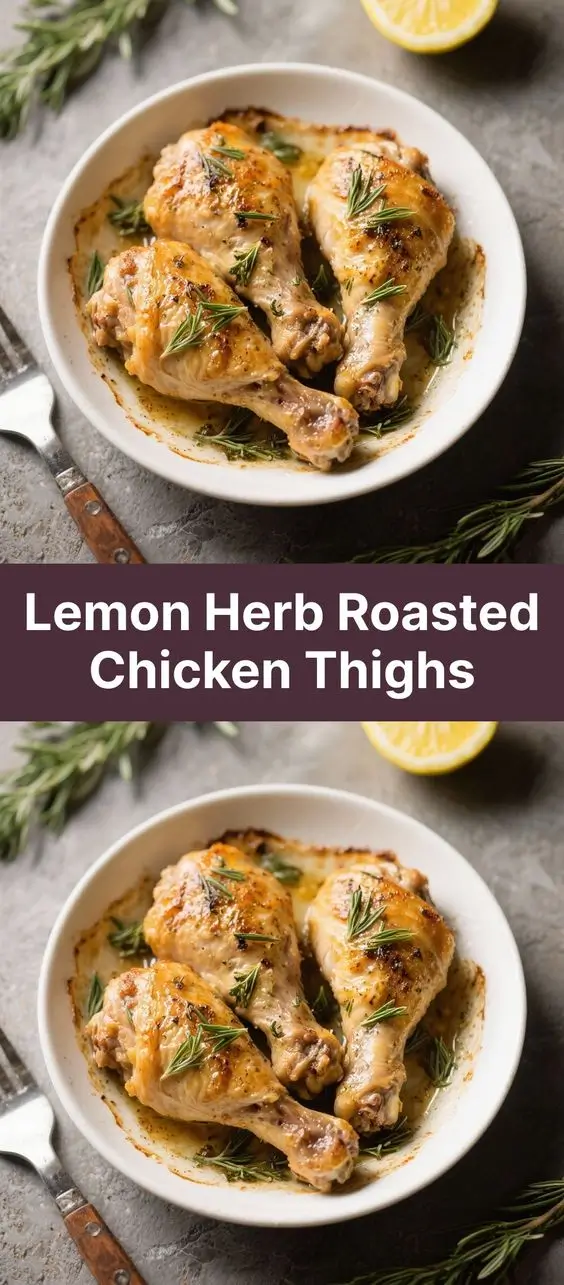
Lemon Herb Roasted Chicken Thighs
Delicious, juicy, and bursting with bright citrus and aromatic herbs, Lemon Herb Roasted Chicken Thighs are a weeknight dinner favorite that never fails to impress. This foolproof recipe combines tender skin-on chicken thighs with zesty lemon, fresh rosemary, thyme, garlic, and olive oil for a flavorful, golden-brown roast that’s perfect served over rice, mashed potatoes, or alongside a crisp green salad.
The History of Roasted Chicken Dishes
Roasting chicken is one of the oldest and most universal cooking techniques known to humankind. Evidence suggests that humans have been roasting meat over open flames since prehistoric times, and chicken—domesticated as early as 6000 BCE in Southeast Asia—became a staple protein across cultures due to its availability and versatility. In ancient Rome, roasted fowl were considered delicacies, often seasoned with garum (fermented fish sauce), herbs, and wine. Over centuries, roasting evolved with regional adaptations, incorporating local spices, fruits, and vegetables.
In Mediterranean cuisine, particularly in Greece, Italy, and Southern France, lemon and herbs became signature components of roasted poultry. The combination of lemon’s acidity and herbs like rosemary, oregano, and thyme not only enhances flavor but also helps tenderize the meat. Lemon Herb Roasted Chicken Thighs, while not tied to a single historical origin, represent a modern fusion of these age-old traditions, emphasizing freshness, simplicity, and bold taste. Today, this dish is celebrated globally for its comforting aroma, ease of preparation, and restaurant-quality results achievable in a home kitchen.
Ingredients Breakdown: Why Each One Matters
The magic of Lemon Herb Roasted Chicken Thighs lies in the harmony of simple, high-quality ingredients. Let’s explore each component and its role in creating a deeply flavorful, succulent dish:
- Chicken Thighs (bone-in, skin-on): Choosing bone-in, skin-on thighs ensures maximum juiciness and rich flavor. The bone conducts heat slowly, helping the meat cook evenly, while the skin crisps beautifully in the oven. Thighs are more forgiving than breasts—they contain more fat and connective tissue, which break down during roasting, keeping the meat moist even if slightly overcooked.
- Fresh Lemons: Lemons contribute both juice and zest. The juice adds acidity that cuts through richness and helps emulsify the marinade, while the zest contains essential oils packed with intense citrus fragrance. Sliced lemons placed under and around the chicken infuse the entire dish with brightness as they caramelize during roasting.
- Garlic (fresh cloves): Garlic brings pungency and depth. When roasted, whole cloves become soft, sweet, and mellow, spreading easily onto chicken or mixing into pan juices. Minced garlic integrates directly into the herb-oil mixture, ensuring every bite is aromatic.
- Fresh Herbs (rosemary, thyme, parsley): Fresh herbs offer vibrant, floral notes that dried versions can’t fully replicate. Rosemary is piney and robust, standing up well to high heat. Thyme has a subtle earthiness that complements poultry perfectly. Parsley, added at the end, provides a fresh, clean finish.
- Olive Oil (extra virgin): Acts as a carrier for flavors, helps conduct heat for even browning, and promotes crisp skin. Its fruity, peppery notes enhance the overall profile without overpowering.
- Salt and Black Pepper: Essential for seasoning. Salt draws out moisture initially but then helps season the meat deeply and improves texture. Freshly cracked pepper adds a spicy warmth.
- Optional Additions: Shallots, red onion, baby potatoes, or carrots can be roasted alongside the chicken to absorb flavors and create a complete sheet-pan meal.
Step-by-Step Recipe: How to Make Perfect Lemon Herb Roasted Chicken Thighs
- Preheat the Oven: Begin by preheating your oven to 400°F (200°C). This ensures the chicken starts roasting immediately upon contact, promoting even cooking and crispy skin.
- Prepare the Chicken: Pat 6 bone-in, skin-on chicken thighs dry with paper towels. Drying the surface is crucial—it allows the skin to crisp instead of steam. Season generously on both sides with kosher salt and freshly ground black pepper.
- Make the Lemon-Herb Marinade: In a small bowl, combine the zest of one lemon, ¼ cup freshly squeezed lemon juice, ⅓ cup extra virgin olive oil, 4 minced garlic cloves, 1 tablespoon chopped fresh rosemary, 1 tablespoon chopped fresh thyme, and a pinch of red pepper flakes (optional for heat). Whisk until emulsified.
- Marinate the Chicken: Place the chicken thighs in a large bowl or resealable bag. Pour the marinade over them, turning to coat thoroughly. Let marinate at room temperature for 30 minutes, or refrigerate for up to 4 hours for deeper flavor infusion.
- Prepare the Roasting Pan: Use a large rimmed baking sheet or a roasting pan. Arrange 2 thinly sliced lemons and 1½ cups halved baby potatoes (or quartered Yukon golds) in an even layer. Toss them lightly with olive oil, salt, and pepper. These will roast underneath the chicken, absorbing juices and aromatics.
- Arrange the Chicken: Remove chicken from marinade (let excess drip off) and place skin-side up on top of the lemon-potato mixture. Tuck 4–6 whole garlic cloves around the pan for roasting. Spoon a little marinade over the tops if desired, but avoid oversaturating the skin.
- Roast: Place in the center of the preheated oven and roast for 35–45 minutes, or until the chicken reaches an internal temperature of 175°F (80°C) at the thickest part near the bone. The skin should be deep golden brown and crisp, and the juices should run clear.
- Rest the Chicken: Remove from the oven and tent loosely with foil. Let rest for 10 minutes. This allows the juices to redistribute, ensuring every bite stays moist.
- Finish and Serve: While resting, chop 2 tablespoons of fresh parsley. Squeeze additional lemon juice over the chicken if desired. Sprinkle with parsley and serve hot with the roasted vegetables and pan drippings drizzled on top.
Pro Tips for the Best Results
- Dry the Skin Thoroughly: Moisture is the enemy of crispy skin. Always pat chicken dry before seasoning and marinating.
- Don’t Skip the Resting Time: Cutting into chicken too soon releases precious juices. Letting it rest guarantees tenderness.
- Use a Meat Thermometer: For accuracy, insert the thermometer into the thickest part of the thigh without touching bone. 175°F ensures safety and optimal texture.
- Rotate the Pan Midway: If your oven has hot spots, rotate the baking sheet halfway through cooking for even browning.
- Broil for Extra Crispiness (Optional): If the skin isn’t quite crispy enough after roasting, switch the oven to broil for 2–3 minutes at the end—watch closely to prevent burning.
- Save the Pan Drippings: The fond (browned bits) and juices make an incredible gravy or sauce. Deglaze the pan with white wine or chicken broth, simmer, and strain for a quick pan sauce.
- Room Temperature Start: Letting the chicken sit out for 20–30 minutes before roasting helps it cook more evenly.
Variations and Customizations
This recipe is incredibly adaptable. Here are some creative twists to suit different tastes and dietary preferences:
- Mediterranean Style: Add Kalamata olives, cherry tomatoes, and quartered artichoke hearts to the roasting pan. Finish with crumbled feta and a drizzle of tzatziki.
- Herb-Crusted: Mix the marinade with ¼ cup breadcrumbs or panko and press onto the skin before roasting for an ultra-crispy crust.
- Spicy Version: Add harissa paste, smoked paprika, or cayenne to the marinade for a fiery kick.
- Citrus Swap: Replace lemon with orange, lime, or grapefruit for a unique twist. Blood oranges add a beautiful color and subtle sweetness.
- Dijon Mustard Twist: Stir 2 tablespoons of Dijon mustard into the marinade for tangy depth and enhanced browning.
- Low-Carb/Keto: Omit potatoes and use low-carb veggies like cauliflower florets, zucchini, or Brussels sprouts.
- Whole30/Paleo: Ensure all ingredients are compliant—use coconut aminos instead of soy-based additives if needed, and skip any non-compliant garnishes.
- Sheet Pan Dinner: Turn it into a full meal by adding carrots, bell peppers, red onions, and sweet potatoes. Toss everything in olive oil and herbs before roasting together.
Health Considerations and Nutritional Value
Lemon Herb Roasted Chicken Thighs can be part of a balanced, nutritious diet when prepared mindfully. Here’s what you need to know:
- Protein Powerhouse: Chicken thighs are rich in high-quality protein (~26g per 4 oz serving), essential for muscle repair, immune function, and satiety.
- Healthy Fats: While darker than breast meat, thigh fat includes monounsaturated fats (like those in olive oil), which support heart health when consumed in moderation.
- Vitamins and Minerals: Chicken provides B vitamins (especially B6 and niacin), selenium, phosphorus, and iron. Lemons add vitamin C, boosting iron absorption and supporting immunity.
- Lower Sodium Option: Reduce added salt or use herbs and citrus zest to enhance flavor without increasing sodium. Ideal for those managing blood pressure.
- Antioxidant-Rich Herbs: Rosemary and thyme contain antioxidants like rosmarinic acid and thymol, which have anti-inflammatory properties.
- Calorie Awareness: A typical serving (one thigh with skin and minimal oil) is around 270–320 calories. Removing the skin reduces fat and calories significantly (~200 cal without skin).
- Digestibility: The acidic lemon juice may help pre-digest proteins, making the meat easier to break down. However, those with acid sensitivity should consume in moderation.
Nutrition Estimate (per serving – one thigh with marinade and no sides):
Calories: ~300 | Protein: 26g | Fat: 20g (Saturated: 5g) | Carbohydrates: 3g | Fiber: 0.5g | Sugar: 1g | Sodium: 500mg (varies by salt used)
Ingredients
- 6 bone-in, skin-on chicken thighs (about 2.5–3 lbs total)
- Kosher salt and freshly ground black pepper (to taste)
- Zest and juice of 1 large lemon (about 3 tbsp juice)
- ⅓ cup extra virgin olive oil
- 4 garlic cloves, minced + 6 whole cloves (unpeeled)
- 1 tbsp fresh rosemary, finely chopped
- 1 tbsp fresh thyme leaves
- 1 tsp red pepper flakes (optional)
- 2 lemons, thinly sliced
- 1½ cups baby potatoes, halved (or Yukon golds, quartered)
- 2 tbsp fresh parsley, chopped (for garnish)
Directions
- Preheat oven to 400°F (200°C). Line a large rimmed baking sheet with parchment paper or foil for easy cleanup.
- Pat chicken thighs dry with paper towels. Season both sides liberally with salt and pepper.
- In a bowl, whisk together lemon zest, lemon juice, olive oil, minced garlic, rosemary, thyme, and red pepper flakes (if using).
- Place chicken in a large bowl or zip-top bag. Pour marinade over and toss to coat. Let sit at room temperature for 30 minutes, or refrigerate for up to 4 hours.
- In the meantime, arrange sliced lemons and halved potatoes on the prepared baking sheet. Drizzle with 1 tbsp olive oil, season with salt and pepper, and toss gently.
- Remove chicken from marinade (shake off excess) and place skin-side up on top of the lemon-potato mixture. Tuck whole garlic cloves around the pan.
- Roast in the preheated oven for 35–45 minutes, until chicken reaches an internal temperature of 175°F and skin is golden and crisp.
- Remove from oven, tent loosely with foil, and let rest for 10 minutes.
- Sprinkle with chopped parsley, squeeze a bit more lemon juice if desired, and serve warm with roasted vegetables and pan juices.
FAQ
Q: Can I use boneless, skinless chicken thighs?
A: Yes, but reduce cooking time to 20–25 minutes and expect less crispiness and richness. Skinless thighs are leaner and can dry out faster, so monitor closely.
Q: Can I make this ahead of time?
A: Absolutely! Marinate the chicken up to 24 hours in advance. You can also roast the chicken, cool, and refrigerate for up to 3 days. Reheat gently in a 350°F oven until warmed through.
Q: Can I use dried herbs instead of fresh?
A: Yes, but use ⅓ the amount (e.g., 1 tsp dried rosemary and thyme). Fresh herbs provide superior flavor and aroma, but dried work in a pinch.
Q: Why didn’t my chicken skin get crispy?
A: Likely causes include: not drying the skin well, overcrowding the pan, roasting at too low a temperature, or marinating too long (excess moisture). Try blotting again before roasting and increasing oven temp slightly.
Q: Can I roast vegetables underneath?
A: Definitely! Root vegetables like potatoes, carrots, and parsnips roast beautifully beneath the chicken, soaking up flavorful juices. Cut them uniformly for even cooking.
Q: Is this recipe gluten-free?
A: Yes, as written. Just ensure all ingredients (especially spice blends if used) are certified gluten-free if needed.
Q: How do I store leftovers?
A: Cool completely, then store in an airtight container in the refrigerator for up to 4 days. Reheat in the oven or skillet to preserve texture.
Summary
Juicy, golden-brown Lemon Herb Roasted Chicken Thighs deliver bold Mediterranean flavors with minimal effort—perfect for busy nights or elegant dinners alike.
Bursting with lemon zest, garlic, and fresh herbs, this one-pan wonder pairs beautifully with roasted vegetables and transforms leftovers into salads, wraps, or grain bowls.