Introduction
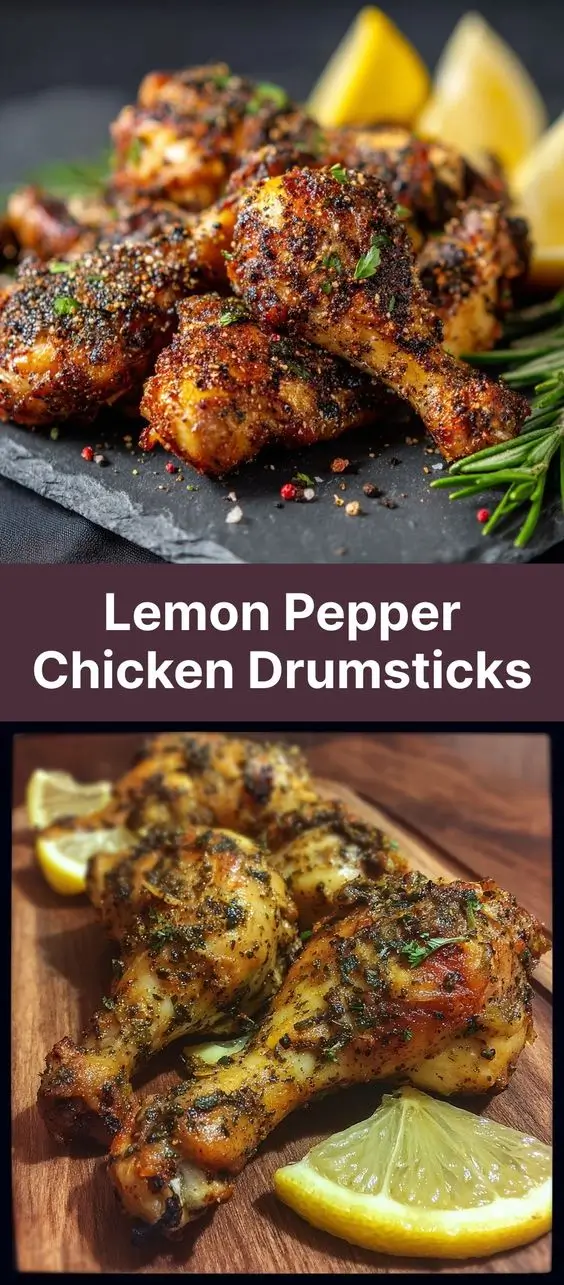
Lemon Pepper Chicken Drumsticks are a zesty, savory, and mouthwatering dish that brings together the bright tang of fresh lemon with the bold kick of cracked black pepper. Perfect for weeknight dinners, weekend barbecues, or even meal prepping, this recipe transforms humble chicken drumsticks into a flavorful masterpiece. Whether you’re grilling, baking, or air frying, these drumsticks emerge juicy on the inside and beautifully seasoned on the outside. With their golden-brown skin and aromatic citrus-pepper crust, they’re sure to be a hit at any family table or dinner party.
What sets Lemon Pepper Chicken Drumsticks apart is their balance of flavors—tart, spicy, buttery, and herbaceous—all coming together in one delicious bite. They pair wonderfully with rice, roasted vegetables, mashed potatoes, or a crisp green salad. Plus, they’re simple enough for beginner cooks yet sophisticated enough to impress guests. This guide dives deep into every aspect of making the perfect batch, from historical roots to health benefits, ensuring you master this dish with confidence and flair.
The History
While there’s no single documented origin of “Lemon Pepper Chicken,” the flavor profile has deep culinary roots stretching across Mediterranean, Southern American, and Italian cuisines. The use of lemon and pepper as seasoning agents dates back centuries. In ancient Roman cooking, piper (black pepper) was a prized spice often paired with souring agents like vinegar or fermented fish sauce. Centuries later, Italian coastal regions popularized dishes using fresh lemons and olive oil, such as pollo al limone, where lemon juice and zest enhanced roasted poultry.
In the United States, lemon pepper seasoning emerged as a commercial blend in the mid-20th century. It gained popularity through seafood seasoning mixes, particularly on the East Coast, where it was liberally used on fish, shrimp, and crab. By the 1970s and 80s, lemon pepper began appearing on chicken, especially in Southern kitchens and backyard grilling culture. Its rise coincided with the growing interest in bold, quick-to-prepare seasonings that added complexity without requiring hours of marinating.
Chicken drumsticks, being affordable, meaty, and rich in connective tissue that breaks down into succulence during cooking, became a natural canvas for this dynamic seasoning. Over time, home cooks developed variations using butter, garlic, herbs, and different cooking methods, cementing lemon pepper chicken drumsticks as a comfort food classic. Today, it’s a staple in American households, restaurants, and even sports stadiums—often served with fries and dipping sauces.
Ingredients Breakdown
To make truly exceptional Lemon Pepper Chicken Drumsticks, understanding each ingredient’s role is crucial. Here’s an in-depth look at what goes into the recipe and why:
- Chicken Drumsticks (bone-in, skin-on): These provide rich flavor, moisture retention, and textural contrast. The bone helps conduct heat evenly, while the skin crisps beautifully when cooked. Opt for organic, free-range drumsticks if possible—they tend to have better texture and taste.
- Fresh Lemons: Two parts are used—zest and juice. The zest contains aromatic oils that deliver intense lemon flavor without acidity, while the juice adds brightness and helps tenderize the meat slightly.
- Butter (unsalted): Used both melted and incorporated into the marinade and sometimes basted during cooking. Butter enhances richness, promotes browning, and carries fat-soluble flavors from herbs and spices.
- Olive Oil: Adds moisture and helps distribute dry spices evenly. It also raises the smoke point when combined with butter, preventing burning during high-heat cooking.
- Fresh Garlic (minced): A cornerstone of savory depth. Raw garlic mellows during cooking, releasing sweet, nutty notes that complement the lemon and pepper.
- Freshly Cracked Black Pepper: Far superior to pre-ground pepper. Fresh cracking releases volatile oils, giving a more vibrant, spicy warmth. Coarse cracks create bursts of flavor in every bite.
- Lemon Pepper Seasoning: While store-bought works, homemade blends allow control over salt content and freshness. Typically includes dried lemon peel, cracked pepper, salt, onion powder, and sometimes parsley or citric acid.
- Salt (kosher or sea salt): Essential for enhancing all other flavors. Kosher salt adheres well to chicken skin and dissolves slowly, allowing deeper penetration.
- Dried Herbs (optional – thyme, oregano, rosemary): Add earthy complexity. Rosemary pairs especially well with lemon and poultry.
- Paprika (smoked or sweet): Adds color and subtle sweetness or smokiness, depending on type. Not traditional but often included for visual appeal and mild depth.
- Honey or Brown Sugar (optional): A touch can balance acidity and promote caramelization, creating a sticky-glossy glaze.
- White Wine or Chicken Broth (optional): Used in pan sauces or deglazing drippings for extra flavor after roasting.
Step-by-Step Recipe
Follow these detailed steps to achieve perfectly cooked Lemon Pepper Chicken Drumsticks—juicy inside, crispy outside, bursting with flavor.
- Prep the Chicken: Rinse the drumsticks under cold water and pat them extremely dry with paper towels. Drying is critical—it ensures the skin will crisp instead of steam. Trim excess skin or fat if desired.
- Zest and Juice the Lemons: Use a microplane to zest 2–3 lemons (avoid the bitter white pith). Then juice them to yield about ½ cup of fresh lemon juice.
- Make the Marinade: In a large bowl, combine ½ cup olive oil, ¼ cup melted unsalted butter, ⅓ cup lemon juice, 2 tablespoons lemon zest, 4 cloves minced garlic, 2 teaspoons kosher salt, 1 tablespoon freshly cracked black pepper, 1 tablespoon lemon pepper seasoning, 1 teaspoon dried thyme, and ½ teaspoon smoked paprika (optional). Whisk thoroughly until emulsified.
- Marinate the Drumsticks: Place drumsticks in a resealable plastic bag or non-reactive dish. Pour marinade over them, ensuring each piece is fully coated. Seal and refrigerate for at least 2 hours, preferably overnight (up to 24 hours). Longer marination = deeper flavor and slight tenderizing effect from the acid.
- Preheat Oven or Grill: For baking: Preheat oven to 425°F (220°C). Line a rimmed baking sheet with foil and place a wire rack on top for airflow. For grilling: Heat grill to medium-high (about 375–400°F), cleaning grates and oiling them.
- Arrange Drumsticks: Remove chicken from marinade (shake off excess but don’t wipe). Place skin-side up on the rack or directly on the grill. Reserve leftover marinade if not contaminated with raw chicken juices; otherwise discard.
- Cook Until Done:
- Baking: Roast for 35–45 minutes, flipping halfway through. Baste with reserved marinade or melted butter halfway. Cook until internal temperature reaches 165°F (74°C) and skin is golden and crispy.
- Grilling: Grill for 6–8 minutes per side, lid closed. Rotate occasionally for even charring. Check temperature near the end.
- Air Frying: Cook at 380°F for 25–30 minutes, flipping once. Spray lightly with oil for extra crispness.
- Rest and Serve: Let drumsticks rest for 5–10 minutes before serving. This allows juices to redistribute, keeping the meat moist. Optional: Drizzle with fresh lemon juice or sprinkle with chopped parsley for garnish.
Tips
- Always Pat Dry: Moisture is the enemy of crispy skin. Even after marinating, gently blot the surface before cooking.
- Use Freshly Cracked Pepper: Pre-ground pepper loses potency. Invest in a good pepper mill for maximum aroma and heat.
- Don’t Skip the Zest: Most of the lemon flavor lives in the peel. One teaspoon of zest equals the punch of two lemons’ worth of brightness.
- Room Temperature Start: Take drumsticks out of the fridge 20–30 minutes before cooking for more even heating.
- Flip Midway: Ensures both sides get exposure to heat, especially important in ovens with uneven heating elements.
- Baste for Shine: Brushing with butter-lemon mixture during the last 10 minutes boosts flavor and gives a restaurant-quality glossy finish.
- Check Internal Temp: Rely on a meat thermometer—not color or time—to confirm doneness. Insert into the thickest part, avoiding the bone.
- Broil for Crispness: If skin isn’t crispy enough, broil on high for 2–3 minutes at the end (watch closely to avoid burning).
- Let It Rest: Cutting too soon releases juices, leading to drier meat. Resting improves both texture and flavor perception.
- Save the Drippings: After roasting, deglaze the pan with broth or wine to make a quick sauce. Strain and drizzle over chicken or serve on the side.
Variations and Customizations
Lemon Pepper Chicken Drumsticks are highly adaptable. Here are creative ways to personalize the dish:
- Spicy Kick: Add ½ teaspoon cayenne pepper, 1 diced jalapeño to the marinade, or a few dashes of hot sauce. You can also sprinkle chili flakes before serving.
- Herb-Infused: Mix in fresh chopped rosemary, tarragon, or dill. Basil adds a summery twist, especially when grilled.
- Creamy Version: After cooking, toss drumsticks in a creamy lemon-pepper sauce made with sour cream, Greek yogurt, or mayonnaise for a cold salad-style dish.
- Asian Fusion: Swap some lemon juice for yuzu or rice vinegar, add soy sauce, ginger, and sesame oil. Garnish with scallions and toasted sesame seeds.
- Honey-Lemon Glaze: Simmer ¼ cup honey with 2 tablespoons lemon juice and 1 tablespoon butter. Brush onto drumsticks during the last 5–10 minutes of cooking.
- Dairy-Free: Replace butter with avocado oil or refined coconut oil. The flavor changes slightly but remains rich and satisfying.
- Low-Sodium: Use low-salt lemon pepper seasoning or make your own without added salt. Boost flavor with extra garlic, lemon zest, and herbs.
- Smoky Flavor: Use smoked paprika, cook over charcoal, or add a dash of liquid smoke to the marinade.
- Garlic Butter Bomb: Stuff slits in the drumsticks with small garlic butter paste cubes (butter + minced garlic + lemon zest) before cooking.
- Meal Prep Friendly: Cook a double batch and store in airtight containers. Reheat in oven or air fryer to maintain crispness.
- Keto/Paleo: Ensure no sugar is added and use compliant oils and seasonings. Serve with cauliflower mash or zucchini noodles.
- Gluten-Free: Naturally gluten-free, but check labels on store-bought lemon pepper seasoning to ensure no fillers or anti-caking agents contain gluten.
Health Considerations and Nutritional Value
Lemon Pepper Chicken Drumsticks can be part of a balanced diet when prepared mindfully. Here’s a nutritional breakdown per serving (assuming 3 medium drumsticks, approx. 6 oz cooked meat):
- Calories: ~380–420 kcal
- Protein: ~35–40g (excellent source)
- Fat: ~22–26g (mostly unsaturated from olive oil and chicken skin)
- Saturated Fat: ~6–8g
- Carbohydrates: ~2–5g (from lemon juice, optional honey)
- Sodium: ~600–900mg (varies based on seasoning and salt used)
- Vitamin C: ~20–30% DV (from lemon juice and zest)
- Niacin (B3): ~50% DV (supports metabolism and skin health)
- Selenium: ~30% DV (antioxidant properties)
- Iron & Zinc: Moderate amounts (important for immunity and oxygen transport)
Health Benefits:
- High-quality protein supports muscle repair, satiety, and metabolic health.
- Lemons provide antioxidants like vitamin C and flavonoids, which may reduce inflammation and support immune function.
- Black pepper contains piperine, which enhances nutrient absorption (especially turmeric, though not in this recipe) and has antioxidant effects.
- Using olive oil contributes heart-healthy monounsaturated fats and polyphenols.
Considerations:
- Skin Consumption: Chicken skin adds flavor and fat but increases saturated fat intake. Removing skin before eating reduces calories and fat by ~30%.
- Sodium Content: Store-bought lemon pepper blends can be high in salt. Making your own allows control over sodium levels—ideal for those managing hypertension.
- Acid Sensitivity: Individuals with acid reflux may want to reduce lemon juice or remove it from the final drizzle.
- Balanced Pairing: Serve with fiber-rich sides (quinoa, roasted broccoli, lentils) to create a nutritionally complete meal.
- Cooking Method Matters: Baking or air frying is healthier than deep-frying. Grilling imparts smoky flavor but may form minor carcinogens at high temps—avoid charring excessively.
Ingredients
- 12 chicken drumsticks (skin-on, bone-in)
- 3 fresh lemons (2 juiced, 3 zested)
- ½ cup olive oil
- ¼ cup unsalted butter (melted)
- 4 cloves garlic (minced)
- 1 tbsp freshly cracked black pepper
- 2 tsp kosher salt
- 1 tbsp lemon pepper seasoning (homemade or store-bought)
- 1 tsp dried thyme
- ½ tsp smoked paprika (optional)
- 1 tsp honey (optional)
- Fresh parsley (chopped, for garnish)
Directions
- Pat chicken drumsticks dry with paper towels and place in a large bowl or zip-top bag.
- In another bowl, whisk together olive oil, melted butter, lemon juice (½ cup), lemon zest (1 tbsp), minced garlic, salt, cracked pepper, lemon pepper seasoning, thyme, paprika, and honey (if using).
- Pour marinade over drumsticks, turning to coat evenly. Seal and refrigerate for 2–24 hours.
- Preheat oven to 425°F (220°C). Line a baking sheet with foil and set a wire rack on top.
- Remove drumsticks from marinade and arrange on rack, skin-side up. Discard used marinade.
- Bake for 20 minutes, then flip drumsticks and bake for another 15–25 minutes, or until internal temperature reaches 165°F and skin is golden and crisp.
- For extra browning, broil 2–3 minutes at the end (watch carefully).
- Let rest 5–10 minutes. Garnish with fresh parsley and a squeeze of fresh lemon juice before serving.
FAQ
Q: Can I use skinless drumsticks?
A: Yes, but skin helps retain moisture and crisp up with seasoning. Skinless versions may dry out faster—consider reducing cook time and basting frequently.
Q: Can I make this ahead of time?
A: Absolutely! Marinate up to 24 hours in advance. You can also fully cook and reheat in the oven at 350°F for 10–15 minutes.
Q: Is lemon pepper seasoning gluten-free?
A: Most are, but always check the label. Some brands use anti-caking agents derived from wheat.
Q: Can I freeze these drumsticks?
A: Yes. Freeze uncooked marinated drumsticks for up to 3 months. Thaw in the fridge before cooking. Cooked drumsticks freeze well for up to 2 months—reheat covered to retain moisture.
Q: Why are my drumsticks rubbery?
A: Likely undercooked or cooked at too low a temperature. Ensure the internal temp hits 165°F. Also, letting them rest helps improve texture.
Q: Can I use bottled lemon juice?
A: Fresh is best—bottled lacks brightness and can taste metallic. If necessary, use 100% pure lemon juice without preservatives.
Q: How do I prevent flare-ups on the grill?
A: Trim excess fat, keep a spray bottle of water handy, and grill over indirect heat after searing.
Q: What sides go well with lemon pepper chicken?
A: Try garlic mashed potatoes, wild rice pilaf, grilled asparagus, coleslaw, quinoa salad, or a Caprese skewer.
Summary (in two lines)
Lemon Pepper Chicken Drumsticks are a flavorful, easy-to-make dish combining zesty lemon, bold black pepper, and juicy chicken for a crowd-pleasing meal. Whether baked, grilled, or air-fried, they offer a perfect balance of tangy, savory, and aromatic notes in every bite.