Introduction
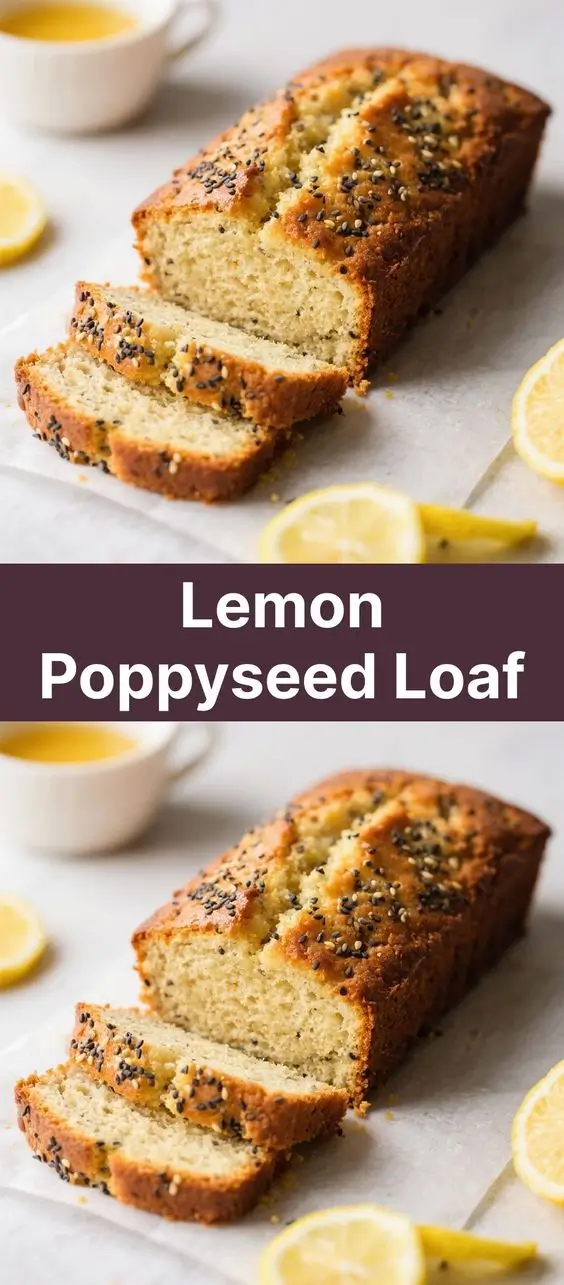
The Lemon Poppyseed Loaf is a timeless classic that brings together the bright, zesty flavor of fresh lemons with the subtle crunch of poppy seeds in a tender, moist cake. Loved for its vibrant taste and elegant simplicity, this loaf is perfect for breakfast, brunch, afternoon tea, or even as a light dessert. Whether you’re baking for a special occasion or simply treating yourself to something deliciously wholesome, this lemony treat delivers both comfort and refreshment in every bite.
The History
Lemon-based baked goods have roots stretching back centuries, particularly in Mediterranean and Middle Eastern cuisines where lemons were first cultivated and prized for their aromatic zest and juice. The use of citrus in cakes became increasingly popular in Europe during the 18th and 19th centuries, especially as sugar and baking techniques advanced. Poppy seeds, meanwhile, have been used in European baking since ancient times—particularly in Central and Eastern Europe—for their nutty flavor and unique texture.
The fusion of lemon and poppy seed likely emerged in American home baking culture during the mid-20th century, when suburban kitchens embraced simple yet flavorful recipes using pantry staples. The Lemon Poppyseed Loaf gained widespread popularity in the 1980s and 1990s, appearing in church cookbooks, women’s magazines, and gourmet bakery menus across the United States. Today, it remains a beloved staple in cafes and homes alike, symbolizing a perfect balance between tangy brightness and comforting sweetness.
Ingredients Breakdown
Every ingredient in a Lemon Poppyseed Loaf plays a vital role in achieving its signature texture, moisture, and flavor profile. Here’s a detailed look at what goes into this delightful cake:
- All-Purpose Flour: Provides the structure of the loaf. It contains gluten-forming proteins that give the cake its shape and soft crumb.
- Granulated Sugar: Sweetens the loaf while also helping to retain moisture and contribute to browning during baking.
- Baking Powder: Acts as the leavening agent, allowing the loaf to rise and become light and fluffy.
- Salt: Enhances all the other flavors and balances the sweetness.
- Eggs: Bind the ingredients together, add richness, and help with leavening and structure.
- Butter (unsalted): Adds moisture, tenderness, and a rich mouthfeel. Using unsalted butter allows better control over the salt content.
- Whole Milk or Buttermilk: Contributes to the moistness of the cake. Buttermilk adds a slight tang and reacts with baking powder for extra lift.
- Fresh Lemon Juice: Delivers intense citrus flavor and natural acidity, which enhances brightness and activates leavening agents.
- Lemon Zest: Packed with essential oils, zest intensifies the lemon aroma and taste without adding extra liquid.
- Poppy Seeds: Provide a pleasant crunch and nutty contrast to the soft crumb. They also absorb some moisture, contributing subtly to texture.
- Vanilla Extract: Complements the lemon with warm, sweet depth, rounding out the overall flavor.
Optional additions may include a glaze made from powdered sugar and more lemon juice, which drizzles beautifully over the cooled loaf for added shine and tart-sweet punch.
Step-by-Step Recipe
- Preheat Oven & Prepare Pan: Preheat your oven to 350°F (175°C). Grease a 9×5-inch loaf pan thoroughly with butter or non-stick spray, then line it with parchment paper for easy removal.
- Mix Dry Ingredients: In a medium bowl, whisk together 2 cups (250g) all-purpose flour, 1½ teaspoons baking powder, ¼ teaspoon salt, and 2 tablespoons poppy seeds. Set aside.
- Cream Butter & Sugar: In a large mixing bowl, beat ½ cup (1 stick or 113g) softened unsalted butter with 1 cup (200g) granulated sugar until light and fluffy—about 3–4 minutes using an electric mixer.
- Add Eggs: Add two large eggs, one at a time, beating well after each addition. Scrape down the sides of the bowl as needed.
- Incorporate Wet Ingredients: Mix in 2 tablespoons fresh lemon juice, 1 tablespoon finely grated lemon zest, and 1 teaspoon vanilla extract until combined.
- Alternate Dry & Wet Mixtures: Gradually add the dry ingredients in three parts, alternating with ½ cup (120ml) milk (or buttermilk), beginning and ending with the dry mix. Mix on low speed just until incorporated—do not overmix.
- Pour Batter into Pan: Transfer the thick, fragrant batter into the prepared loaf pan, smoothing the top with a spatula for even baking.
- Bake: Place in the center of the preheated oven and bake for 50–60 minutes, or until a toothpick inserted into the center comes out clean or with a few moist crumbs.
- Cool: Let the loaf cool in the pan for 10–15 minutes before transferring it to a wire rack to cool completely.
- Glaze (Optional): Whisk together 1 cup (120g) powdered sugar with 2–3 tablespoons fresh lemon juice until smooth. Drizzle over the cooled loaf and allow it to set for 15–20 minutes before slicing.
Tips
- Use Fresh Lemons: Always opt for fresh lemon juice and zest rather than bottled versions—the difference in flavor is dramatic.
- Room Temperature Ingredients: Ensure butter, eggs, and milk are at room temperature to create a smooth, emulsified batter and even rise.
- Don’t Overmix: Once you begin adding the flour mixture, mix only until ingredients are just combined. Overmixing leads to a dense, tough loaf.
- Check Doneness Early: Ovens vary—start checking at 45 minutes. If the top browns too quickly, tent loosely with aluminum foil.
- Let It Cool: Resist cutting into the loaf while hot—it can collapse or crumble. Cooling ensures clean slices.
- Enhance Moisture: For an ultra-moist loaf, brush the warm cake with a simple syrup made from equal parts sugar and lemon juice before glazing.
- Proper Storage: Store covered at room temperature for up to 3 days or refrigerate for up to 1 week. Freeze unglazed loaves for up to 3 months.
Variations and Customizations
The beauty of the Lemon Poppyseed Loaf lies in its versatility. Try these creative twists to suit your taste or dietary needs:
- Blueberry Lemon Poppyseed Loaf: Fold in 1 cup of fresh or frozen blueberries (tossed in flour) for a fruity burst.
- Almond-Infused Version: Add ½ teaspoon almond extract or replace ¼ cup flour with almond flour for a nuttier profile.
- Dairy-Free: Substitute butter with coconut oil or vegan butter, and use almond, oat, or soy milk instead of dairy.
- Gluten-Free: Use a high-quality 1:1 gluten-free flour blend. Add ½ teaspoon xanthan gum if not included in the blend.
- Vegan Option: Replace eggs with flax eggs (2 tbsp ground flaxseed + 6 tbsp water), use plant-based butter and milk, and ensure sugar is vegan.
- Double Lemon Intensity: Increase lemon zest to 2 tablespoons and add a splash of lemon oil (food-grade) for restaurant-level citrus punch.
- Citrus Swaps: Experiment with lime or orange zest and juice for different citrus variations.
- Savory-Sweet Glaze: Add a pinch of black pepper or lavender to the glaze for an unexpected aromatic twist.
- Crumb Top: Sprinkle the top with a cinnamon-sugar-butter crumble before baking for extra texture.
Health Considerations and Nutritional Value
While the Lemon Poppyseed Loaf is undeniably a treat, understanding its nutritional components helps in making mindful choices:
- Calories: A typical slice (1/10th of the loaf) ranges from 280–320 calories, depending on ingredients and glaze.
- Fat: Primarily from butter, contributing saturated fat. Healthier fats can be introduced by substituting part of the butter with unsweetened applesauce or mashed banana.
- Carbohydrates: Mainly from sugar and flour. Low-sugar versions can reduce sugar by up to 25% without sacrificing too much texture.
- Protein: Modest protein content from eggs and milk—around 3–4 grams per slice.
- Fiber: Poppy seeds offer a small amount of dietary fiber and beneficial plant compounds like lignans, known for antioxidant properties.
- Lemons: Rich in vitamin C, aiding immunity and iron absorption. Lemon zest also contains flavonoids with anti-inflammatory effects.
- Portion Control: Enjoy in moderation—pairing a slice with Greek yogurt or fruit can balance the meal.
- Allergens: Contains common allergens such as gluten, dairy, and eggs. Alternatives exist for most, as noted in variations.
For those managing blood sugar, consider reducing refined sugar, using whole grain flour alternatives like spelt or oat flour, and serving smaller portions.
Ingredients
- 2 cups (250g) all-purpose flour
- 1 cup (200g) granulated sugar
- 1½ teaspoons baking powder
- ¼ teaspoon salt
- 2 tablespoons poppy seeds
- ½ cup (113g) unsalted butter, softened
- 2 large eggs, room temperature
- ½ cup (120ml) whole milk or buttermilk, room temperature
- 2 tablespoons fresh lemon juice
- 1 tablespoon lemon zest (from about 2 lemons)
- 1 teaspoon pure vanilla extract
For the glaze:
- 1 cup (120g) powdered sugar
- 2–3 tablespoons fresh lemon juice
Directions
- Preheat oven to 350°F (175°C). Grease and line a 9×5-inch loaf pan with parchment paper.
- In a medium bowl, whisk together flour, sugar, baking powder, salt, and poppy seeds. Set aside.
- In a large bowl, beat softened butter on medium speed until creamy (about 1 minute). Add sugar and beat for 3–4 minutes until light and fluffy.
- Add eggs one at a time, beating well after each addition. Scrape down the bowl.
- Mix in lemon juice, lemon zest, and vanilla extract until fully incorporated.
- Gradually add the dry ingredients in three parts, alternating with milk in two parts, starting and ending with dry ingredients. Mix on low speed just until combined—do not overmix.
- Pour batter into prepared loaf pan and smooth the top with a spatula.
- Bake for 50–60 minutes, or until golden brown and a toothpick inserted in the center comes out clean.
- Cool in the pan for 15 minutes, then transfer to a wire rack to cool completely.
- Prepare the glaze: whisk powdered sugar and lemon juice until smooth. Drizzle over cooled loaf. Allow glaze to set before slicing.
- Serve at room temperature. Store leftovers in an airtight container.
FAQ
Can I make this loaf ahead of time?
Yes! Bake and cool the loaf, then store it (unglazed) at room temperature for up to 2 days or freeze for longer storage. Glaze just before serving.
Why did my loaf sink in the middle?
Common causes include underbaking, too much leavening, opening the oven too early, or overmixing the batter. Ensure accurate measurements and avoid peeking during baking.
Can I use bottled lemon juice?
Freshly squeezed is always best for optimal flavor. Bottled juice lacks the bright, floral notes of fresh lemons and may contain preservatives.
How do I get a nice crack on top?
A domed, cracked top is often the result of proper oven spring. Make sure your baking powder is fresh and don’t overfill the pan—leave about ½ inch of space at the top.
Can I double the recipe for two loaves?
Absolutely. Just double all ingredients and bake in two prepared pans. Watch baking time, as ovens may vary slightly.
Are poppy seeds necessary?
While they add signature texture and flavor, you can omit them if needed. However, the loaf won’t be “poppyseed” without them! For a substitute, try chia seeds or chopped nuts, though the taste will differ.
Can I bake this in a bundt pan?
Yes, but adjust baking time—likely 45–55 minutes. Monitor closely and use a toothpick test for doneness.
How long does it last?
At room temperature: 3 days. Refrigerated: up to 1 week. Frozen (well-wrapped): up to 3 months. Thaw at room temperature and refresh with a light glaze if desired.
Summary (in two lines)
The Lemon Poppyseed Loaf combines zesty lemon flavor with the delicate crunch of poppy seeds in a moist, tender cake perfect for any occasion. Easy to customize and universally loved, it’s a timeless bake that brings sunshine to your table with every slice.