Introduction
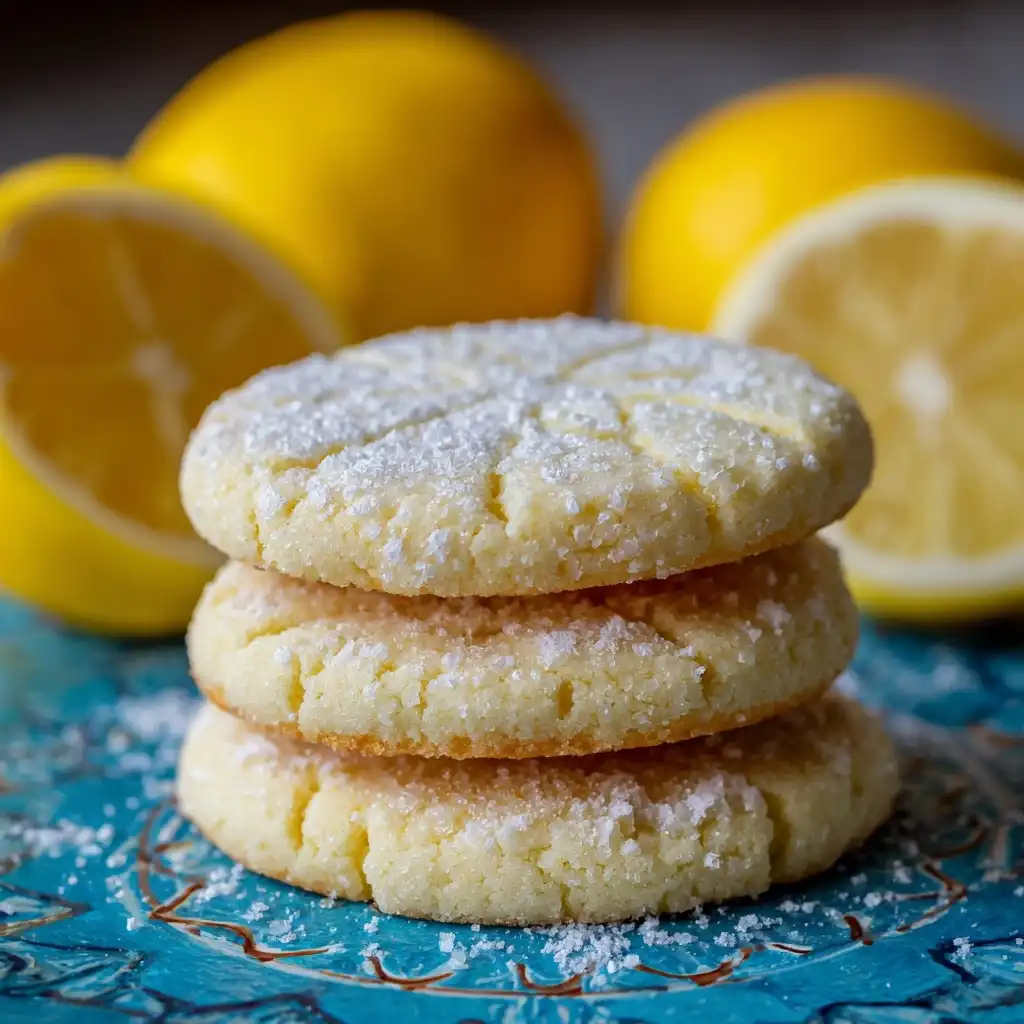
Lemon sugar cookies are a bright, zesty twist on the classic American favorite—transforming the humble buttery shortbread into a vibrant, citrus-kissed treat that delights the senses with every bite. With their tender crumb, delicate crisp edges, and unmistakable lemon aroma, these cookies strike the perfect balance between sweet and tangy, making them ideal for spring gatherings, afternoon tea, holiday platters, or simply as a mood-boosting snack on an ordinary day. Unlike traditional sugar cookies that rely solely on vanilla and powdered sugar for sweetness, lemon sugar cookies harness the bold, refreshing essence of fresh lemons—zest and juice alike—to create layers of flavor that are both sophisticated and comforting. Whether you’re a seasoned baker or a beginner eager to explore citrus baking, this recipe delivers consistent, bakery-quality results with approachable techniques and pantry-friendly ingredients.
The History
While sugar cookies trace their roots back to 17th-century Europe—particularly German Protestant communities who shaped early versions of “Nazareth cookies” brought to Pennsylvania by Moravian settlers—the lemon-infused variation is a more modern evolution born from the mid-20th-century culinary boom in the United States. As refrigeration improved and citrus became widely available year-round, home bakers began experimenting beyond vanilla and almond extracts. Lemon, long prized for its preservative qualities and uplifting fragrance, found natural synergy with sugar cookie dough: its acidity cut through richness, enhanced butter flavor, and provided structural benefits during mixing and baking. By the 1950s and ’60s, lemon sugar cookies appeared in regional church cookbooks, women’s magazines like Good Housekeeping and Ladies’ Home Journal, and later in iconic baking guides such as The Joy of Cooking (1975 edition), often listed under “Citrus Cookies” or “Lemon Butter Cookies.” The rise of food photography and televised cooking shows in the 1980s and ’90s further popularized visually striking variations—think lemon-glazed rounds dusted with edible flowers or vibrant yellow icing piped with lemon zest confetti. Today, lemon sugar cookies enjoy global reinterpretation: French bakers fold in bergamot for a Earl Grey–inspired version; Australian home cooks add native finger lime pearls for bursts of citrus caviar; and Japanese patisseries incorporate matcha-lemon hybrids for umami brightness. Yet at their core, they remain a testament to how a single ingredient—fresh lemon—can elevate tradition without compromising comfort.
Ingredients Breakdown
Understanding each component is essential to mastering texture, flavor balance, and structural integrity:
- Unsalted Butter (1 cup / 2 sticks / 227g): Provides richness, tenderness, and flakiness. Unsalted allows precise control over sodium levels and prevents interference with lemon’s brightness. Softened to cool room temperature (65–68°F)—not melted or greasy—for optimal creaming and air incorporation.
- Granulated Sugar (1¼ cups / 250g): Adds sweetness, aids in creaming, and contributes to golden-brown edges via caramelization. A small portion (2 tbsp) is reserved for rolling dough balls for textural contrast and subtle crunch.
- Powdered Sugar (½ cup / 60g): Imparts melt-in-the-mouth softness and fine crumb structure. Its finer particles dissolve quickly, preventing graininess and supporting a delicate, slightly cake-like interior.
- Fresh Lemon Zest (3–4 medium lemons, ~2 tbsp finely grated): The aromatic oil-rich outer peel contains limonene and citral—the volatile compounds responsible for lemon’s signature perfume and complexity. Always zest before juicing; avoid white pith, which is bitter.
- Fresh Lemon Juice (3 tbsp / 45ml): Adds bright acidity that balances sweetness and activates baking soda (if used). Must be freshly squeezed—not bottled—for vibrant flavor and proper pH (bottled juice is often overly acidic or oxidized).
- Large Egg (1, room temperature): Acts as binder and emulsifier. Room temperature ensures uniform incorporation and prevents seizing when mixed with warm butter-sugar paste.
- Pure Vanilla Extract (1 tsp): Complements lemon without overpowering it. Madagascar bourbon vanilla adds creamy depth; avoid imitation extract, which can taste artificial and clash with citrus.
- All-Purpose Flour (3 cups / 360g, spooned & leveled): Provides gluten structure. Too much leads to toughness; too little causes spreading. Spooning and leveling—not scooping—is critical for accuracy. For gluten-free adaptations, a 1:1 certified GF blend with xanthan gum works well.
- Cornstarch (2 tbsp / 16g): A secret weapon for tenderness! It inhibits gluten development, yielding a softer, more delicate crumb and reducing spread. Also contributes to a slight “meltaway” quality.
- Baking Powder (1 tsp): Double-acting leavener that provides gentle lift without excessive rise—ideal for thick, chewy-yet-tender cookies. Avoid substituting with baking soda unless adjusting acid levels (lemon juice already provides ample acidity).
- Finely Ground Sea Salt (½ tsp): Enhances all flavors, especially lemon’s nuances, and counters sweetness. Use flaky or fine sea salt—not iodized table salt—for clean, mineral-forward salinity.
Optional but highly recommended garnishes: Extra lemon zest for finishing, coarse turbinado sugar for sparkle and crunch, candied lemon slices for elegant presentation, or edible dried lavender buds (⅛ tsp) for floral-herbal complexity.
Step-by-Step Recipe
- Prep & Chill Equipment: Line two large baking sheets with parchment paper or silicone baking mats. Place extra granulated sugar in a shallow bowl. Chill dough scoops, spatulas, and cooling racks in the freezer for 10 minutes to prevent warmth transfer during handling.
- Zest & Juice Lemons: Using a microplane grater, zest 3–4 unwaxed organic lemons until you have 2 tablespoons of fine, fluffy zest. Roll lemons firmly on the counter before zesting to maximize oil yield. Juice immediately after zesting; strain pulp and seeds, measuring exactly 3 tablespoons of clear juice.
- Cream Butter & Sugars: In a stand mixer fitted with paddle attachment (or large bowl + hand mixer), beat softened unsalted butter, granulated sugar, and powdered sugar on medium speed for 3–4 minutes until pale, fluffy, and nearly doubled in volume. Scrape bowl thoroughly halfway through.
- Incorporate Wet Ingredients: Add lemon zest, lemon juice, egg, and vanilla. Mix on low speed just until combined—about 30 seconds. Overmixing at this stage can cause excess gluten formation or curdling. Batter may look slightly broken; this is normal and will resolve with flour addition.
- Whisk Dry Ingredients: In a separate bowl, whisk together flour, cornstarch, baking powder, and salt until fully homogenous and aerated. Sift once for guaranteed lump-free integration.
- Gradual Dry-Wet Integration: With mixer on low, add dry ingredients in three equal portions, mixing only until no streaks remain after each addition (≈15 seconds per addition). Stop mixer and use a flexible spatula to scrape bottom and sides. Dough will be soft, slightly sticky, and cohesive—not wet or crumbly.
- Chill Dough Strategically: Divide dough into two equal portions. Shape each into a 1½-inch-thick disc. Wrap tightly in plastic wrap and refrigerate for minimum 2 hours, ideally 4–6 hours or overnight. Chilling solidifies butter, hydrates flour, relaxes gluten, and concentrates lemon oils—critical for preventing spread and maximizing flavor depth.
- Preheat & Portion: Position oven racks in upper and lower thirds. Preheat oven to 350°F (177°C). Remove one dough disc from fridge. Let sit at room temperature for 5 minutes only—just enough to soften slightly for scooping. Using a 1.5-tablespoon cookie scoop (or #40 scoop), portion dough into 1.5-inch balls. Roll gently between palms to smooth. Roll each ball in reserved granulated sugar to fully coat.
- Bake with Precision: Place 6–8 cookies per sheet, spaced 3 inches apart. Bake for 11–13 minutes—do not overbake. Edges should be set and faintly golden; centers will appear soft and slightly puffed but not glossy or wet. Rotate sheets top-to-bottom and front-to-back at 7-minute mark for even baking.
- Cool Completely: Let cookies rest on baking sheets for 5 minutes to finish setting. Then, carefully transfer with a thin spatula to wire racks. Cool completely (≈30–45 minutes) before glazing or storing. Warm cookies are fragile and prone to cracking.
Tips
- Butter Temperature Is Non-Negotiable: If butter is too warm, cookies spread excessively; too cold, and creaming fails. Test by pressing fingertip into stick—it should leave a slight indentation without sinking in or sliding off.
- Zest First, Juice Second: Juicing softens rind and makes zesting difficult. Always zest whole, dry lemons before cutting.
- No Substitutes for Fresh Citrus: Bottled lemon juice lacks volatile top notes and contains preservatives that mute flavor and interfere with leavening chemistry.
- Chill Twice for Best Results: After portioning, chill shaped balls for 15 minutes before baking—this further reduces spread and sharpens edge definition.
- Use an Oven Thermometer: Many ovens run hot or cold. An accurate reading ensures consistent bake times and prevents browning or drying.
- Rotate Sheets Mid-Bake: Convection isn’t required—but if your oven has hot spots (most do), rotating guarantees uniform color and texture.
- Measure Flour Correctly: Fluff flour in bag, spoon into measuring cup, then level with straight edge. Scooping compacts flour—adding up to 25% extra—and yields dense, dry cookies.
- Don’t Skip the Cornstarch: It’s not just for thickening sauces—it’s a game-changer for tenderness. Omitting it increases spread and chewiness noticeably.
- Cool on Racks, Not Towels: Trapped steam underneath creates soggy bottoms. Wire racks allow full air circulation.
- Store Smart: Keep cooled, unglazed cookies in an airtight container with parchment between layers. Add a slice of plain bread to maintain softness (replace daily). For crispness, omit bread and add silica gel packet.
Variations and Customizations
These lemon sugar cookies serve as a versatile canvas for creativity—whether adapting to dietary needs, seasonal produce, or global inspirations:
- Lemon Blueberry Burst: Gently fold in ¾ cup fresh or frozen (unthawed) wild blueberries tossed in 1 tsp cornstarch to absorb juices. Reduce lemon juice to 2 tbsp to avoid excess moisture.
- Lemon Lavender Shortbread Style: Add 1 tsp culinary-grade dried lavender buds (crushed with fingers) with dry ingredients. Replace 1 tbsp lemon zest with lemon verbena leaves for herbal nuance.
- Gluten-Free Lemon Crinkles: Substitute 3 cups certified GF all-purpose blend (with xanthan gum) and increase cornstarch to 3 tbsp. Roll dough balls in GF confectioners’ sugar instead of granulated.
- Vegan Lemon Sunshine Cookies: Use vegan butter (Miyoko’s or Earth Balance), flax egg (1 tbsp ground flax + 2.5 tbsp water, rested 5 min), and replace granulated sugar with organic cane sugar (certified vegan). Add ¼ tsp apple cider vinegar to mimic buttermilk tang.
- Lemon Poppy Seed Swirl: After portioning dough, press a small dimple in each ball and fill with ¼ tsp poppy seed–lemon jam (simmer 2 tbsp lemon juice, 2 tbsp sugar, 1 tsp poppy seeds until thickened). Seal and roll.
- Earl Grey Lemon Cookies: Infuse ¼ cup warm heavy cream with 2 tsp loose-leaf Earl Grey for 10 minutes; strain. Use infused cream in place of 2 tbsp lemon juice and reduce juice to 1 tbsp.
- Black Pepper Lemon Spice: Add ¼ tsp freshly cracked black pepper and ⅛ tsp ground cardamom to dry ingredients for warm, aromatic contrast.
- Coconut-Lemon Macaroon Fusion: Replace ½ cup flour with toasted unsweetened coconut flakes. Add 1 tbsp coconut milk powder to dry mix for intensified tropical notes.
- Protein-Enriched Lemon Fitness Cookies: Add 2 scoops unflavored whey or plant-based protein powder, reduce flour by ¼ cup, and increase lemon juice by 1 tsp to compensate for added absorption.
- Deconstructed Lemon Tart Cookies: Press baked cookies into greased mini tart pans, fill with lemon curd, and top with torched Italian meringue or brûléed sugar.
Health Considerations and Nutritional Value
While lemon sugar cookies are inherently indulgent, thoughtful modifications can enhance nutritional profile without sacrificing enjoyment. Per standard 2.5-inch cookie (recipe yields ~36 cookies):
- Calories: ~145 kcal (original version); reduced to ~110 kcal with 25% less sugar and avocado oil substitution.
- Macronutrients: 7g fat (4g saturated), 18g carbs (11g sugars), 2g protein, 0.3g fiber. Lemon zest contributes negligible calories but notable phytonutrients—including hesperidin (a flavonoid linked to vascular health) and d-limonene (studied for antioxidant and anti-inflammatory properties).
- Sugar Awareness: Granulated and powdered sugars contribute to rapid glucose spikes. Swapping half the granulated sugar with monk fruit–erythritol blend (1:1 ratio) lowers glycemic load while preserving texture and browning.
- Butter Alternatives: Grass-fed butter offers higher CLA (conjugated linoleic acid) and vitamin K2, supporting metabolic and bone health. For heart-conscious bakers, replacing ¼ cup butter with cold-pressed avocado oil maintains richness while introducing monounsaturated fats.
- Dietary Accommodations: Naturally nut-free and soy-free (check vanilla extract label), easily adaptable for dairy-free, egg-free, or gluten-free diets using tested substitutions (see Variations section). Always verify allergen statements on packaged ingredients.
- Portion Mindfulness: Baking smaller 1.75-inch cookies increases yield to ~48 and reduces per-cookie calories by ~20%. Pair with herbal tea or Greek yogurt for balanced snacking.
- Lemon’s Functional Benefits: Vitamin C content is modest post-baking (heat-sensitive), but bioactive compounds in zest remain stable. Regular consumption of citrus phytochemicals correlates with improved endothelial function and reduced oxidative stress in clinical nutrition literature (e.g., American Journal of Clinical Nutrition, 2021).
- Not a “Health Food”—But Can Be Health-Conscious: These cookies shine as part of a varied, joyful, and intentional eating pattern—not as functional medicine. Prioritize whole-food ingredients, minimize ultra-processed additives, and savor slowly.
Ingredients
- 1 cup (2 sticks / 227g) unsalted butter, softened to 65–68°F
- 1¼ cups (250g) granulated sugar, plus ¼ cup for rolling
- ½ cup (60g) powdered sugar
- 2 tablespoons (12g) finely grated lemon zest (from 3–4 organic lemons)
- 3 tablespoons (45ml) freshly squeezed lemon juice (strained)
- 1 large egg, room temperature
- 1 teaspoon pure vanilla extract
- 3 cups (360g) all-purpose flour, spooned & leveled
- 2 tablespoons (16g) cornstarch
- 1 teaspoon baking powder
- ½ teaspoon fine sea salt
Directions
- Line two large baking sheets with parchment paper or silicone baking mats. Place ¼ cup granulated sugar in a shallow bowl and set aside.
- Using a microplane, finely grate zest from 3–4 unwaxed organic lemons to yield 2 tablespoons. Juice lemons and measure exactly 3 tablespoons of strained juice.
- In the bowl of a stand mixer fitted with paddle attachment, combine softened butter, 1¼ cups granulated sugar, and powdered sugar. Beat on medium speed for 3–4 minutes until light, fluffy, and pale in color. Scrape bowl thoroughly halfway through.
- Add lemon zest, lemon juice, egg, and vanilla. Mix on low speed for 30 seconds until just incorporated. Batter may appear slightly curdled—this is expected.
- In a separate medium bowl, whisk together flour, cornstarch, baking powder, and salt until fully blended. Sift once for uniformity.
- With mixer on low speed, gradually add dry ingredients in three equal additions, mixing only until no flour streaks remain after each (≈15 seconds per addition). Scrape bowl and beater fully between additions. Dough will be soft and slightly tacky but hold together when pinched.
- Divide dough in half. Shape each portion into a 1½-inch-thick disc. Wrap tightly in plastic wrap and refrigerate for at least 2 hours—or up to 72 hours for deeper flavor development.
- When ready to bake, position oven racks in upper and lower thirds. Preheat oven to 350°F (177°C). Remove one dough disc from refrigerator and let sit at room temperature for 5 minutes only.
- Using a 1.5-tablespoon cookie scoop, portion dough into balls. Roll each gently between palms to smooth, then roll fully in reserved granulated sugar until evenly coated.
- Place 6–8 cookies per prepared sheet, spaced at least 3 inches apart. Chill shaped cookies on sheets for 15 minutes in refrigerator (optional but recommended for sharper edges).
- Bake for 11–13 minutes, rotating sheets top-to-bottom and front-to-back at 7-minute mark. Cookies are done when edges are set and lightly golden, and centers appear puffed but still soft to the touch.
- Let cookies cool on baking sheets for 5 minutes to finish setting. Transfer carefully to wire racks using a thin metal spatula. Cool completely before glazing or storing (30–45 minutes).
FAQ
- Can I freeze the dough?
- Yes—chilled dough discs freeze beautifully for up to 3 months. Wrap tightly in plastic, then in foil or freezer bag. Thaw overnight in refrigerator before portioning and baking. You may also freeze unbaked dough balls on a tray, then transfer to bag; bake directly from frozen—add 1–2 minutes to bake time.
- Why did my cookies spread too much?
- Most common causes: butter too warm, insufficient chilling, expired leavening, or excess lemon juice. Ensure butter is cool-to-touch (not greasy), chill dough minimum 2 hours, verify baking powder freshness (it should fizz vigorously in hot water), and measure juice precisely.
- Can I make these ahead for a party?
- Absolutely. Baked, unglazed cookies stay fresh in airtight containers at room temperature for 5 days, or freeze for up to 2 months. For best texture, thaw frozen cookies at room temperature for 2 hours, then refresh in 325°F oven for 3 minutes.
- What’s the best way to add lemon glaze?
- Make a simple glaze with 1 cup powdered sugar, 1½–2 tbsp fresh lemon juice, and ½ tsp lemon zest. Whisk until smooth and glossy (adjust juice for desired thickness). Drizzle over completely cooled cookies using a spoon or piping bag with small round tip. Let glaze set 30+ minutes before stacking.
- Can I use lemon extract instead of zest and juice?
- Not recommended. Extract lacks the aromatic oils and nuanced acidity of fresh components and often tastes artificial or medicinal. If absolutely necessary, use only ½ tsp high-quality lemon extract *in addition to* 1 tbsp zest and 1 tbsp juice—not as replacement.
- My dough is crumbly—did I do something wrong?
- Crumbly dough usually means too much flour or insufficient moisture. Double-check flour measurement method (spoon-and-level), ensure lemon juice was measured accurately, and verify egg was room temperature. If needed, add ½ tsp lemon juice or milk, 1/8 tsp at a time, until cohesion returns.
- Can I make these vegan?
- Yes—with adjustments: use vegan butter (not margarine), flax or chia egg (1 tbsp ground seed + 2.5 tbsp water, rested 5 min), organic cane sugar, and check vanilla extract for alcohol base (some contain honey-derived glycerin). Expect slightly denser texture; adding ¼ tsp xanthan gum helps bind.
- How do I prevent lemon zest from turning bitter?
- Bitterness comes from white pith. Use only yellow/orange outer peel—avoid the spongy white layer beneath. Freeze lemons for 15 minutes before zesting for firmer rind and cleaner grating. Wash lemons thoroughly with vinegar-water solution to remove wax residues.
- Are these cookies suitable for children?
- Yes—naturally low in allergens (no nuts, soy, or dairy if substituted), and free of caffeine or stimulants. Their bright flavor appeals to young palates, and the soft texture is easy to chew. Supervise small children with lemon zest garnish due to potential choking hazard.
- Can I use Meyer lemons?
- Deliciously! Meyer lemons are sweeter, less acidic, and more floral. Use same measurements, but expect milder tang and deeper golden hue. Reduce granulated sugar by 2 tbsp if preferred less-sweet result.
Summary
Lemon sugar cookies are a luminous, aromatic reinvention of a beloved classic—built on science-backed techniques, fresh citrus integrity, and mindful ingredient choices that honor both tradition and innovation. With tender crumb, crisp edges, and a burst of sun-drenched lemon, they’re as joyful to bake as they are unforgettable to savor.
Whether enjoyed plain, glazed, or reimagined across global flavor palettes, these cookies remind us that simplicity—when guided by quality, care, and citrus clarity—yields extraordinary delight.