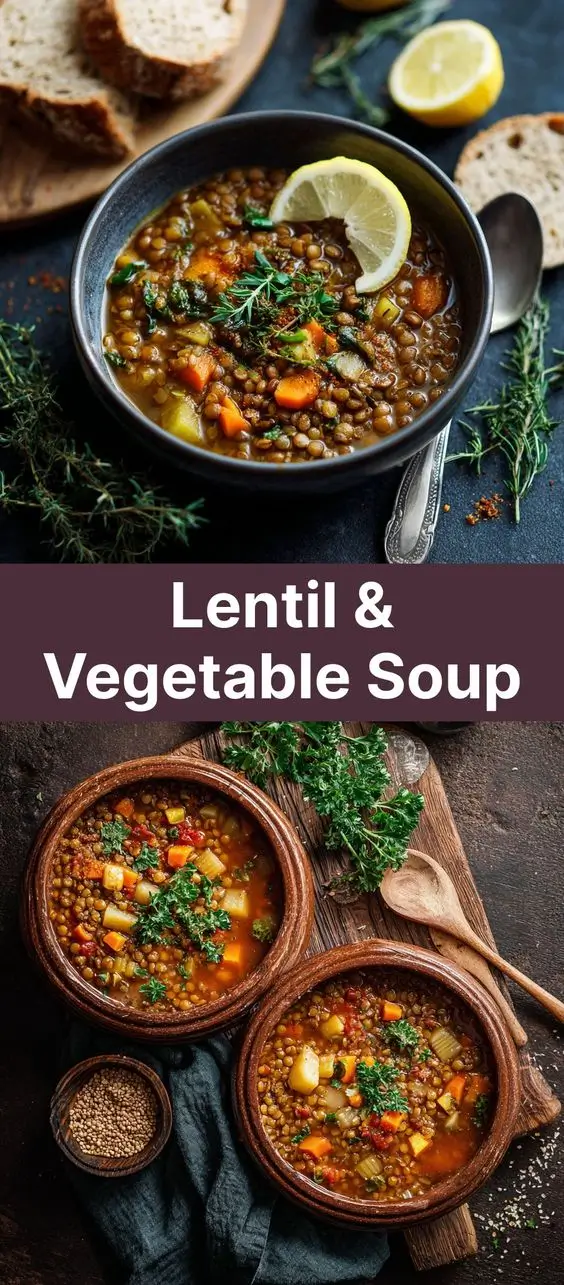
Lentil & Vegetable Soup: A Hearty, Nutrient-Packed Comfort Classic
There’s something deeply comforting about a steaming bowl of lentil and vegetable soup. Whether you’re seeking warmth on a cold day, aiming to boost your fiber intake, or simply craving a wholesome, plant-based meal, this versatile dish delivers in every way. Packed with protein-rich lentils, vibrant vegetables, aromatic herbs, and nourishing broth, it’s a culinary cornerstone across many cultures. This comprehensive guide dives deep into the world of lentil and vegetable soup—from its ancient roots to modern-day variations—offering everything you need to create a perfect pot, time and again.
The History: From Ancient Stews to Modern Bowls
Lentils are among the oldest cultivated legumes, with archaeological evidence tracing their use back over 10,000 years to the Fertile Crescent in the Middle East. Early civilizations in Mesopotamia, Egypt, Greece, and India relied heavily on lentils as a staple food due to their high protein content, long shelf life, and ease of cultivation. In fact, lentils are mentioned in historical texts such as the Bible (Genesis 25:34) and were a dietary foundation for both commoners and soldiers throughout antiquity.
The combination of lentils with vegetables likely evolved organically from peasant cooking traditions, where cooks used whatever seasonal produce was available to stretch meals affordably. Over centuries, regional adaptations emerged: Indian dals simmered with turmeric and cumin; Mediterranean versions enriched with tomatoes, carrots, and celery; North African soups spiced with harissa and coriander; and Eastern European renditions flavored with paprika and dill.
Today, lentil and vegetable soup is celebrated globally not just for its affordability and accessibility but also for its nutritional profile and environmental sustainability. As interest in plant-based diets grows, this humble yet powerful soup has found renewed popularity in health-conscious kitchens worldwide.
Ingredients Breakdown: What Makes This Soup So Special?
The beauty of lentil and vegetable soup lies in its simplicity and nutrient synergy. Each ingredient brings flavor, texture, and health benefits to the table:
- Lentils: High in plant-based protein (about 18g per cooked cup), rich in soluble and insoluble fiber, and loaded with iron, folate, and manganese. Brown, green, red, and French (Puy) lentils each offer unique textures and cooking times.
- Onions, Garlic, and Leeks: These aromatics form the flavor base (sofrito or mirepoix). They contain sulfur compounds that support immune function and cardiovascular health.
- Carrots: Sweet and earthy, they add natural sugars and are an excellent source of beta-carotene, which converts to vitamin A in the body.
- Celery: Adds depth and a subtle bitterness, balancing the sweetness of other vegetables. It’s low in calories and contains antioxidants like apigenin.
- Tomatoes or Tomato Paste: Provide acidity and umami richness. Lycopene, a powerful antioxidant in tomatoes, becomes more bioavailable when cooked.
- Vegetables (Zucchini, Spinach, Kale, Potatoes, etc.): Boost fiber, vitamins, and phytonutrients. Leafy greens contribute iron and vitamin K; root vegetables add complex carbohydrates.
- Broth (Vegetable or Chicken): Forms the liquid foundation. Homemade broth adds collagen and minerals; store-bought options should be low-sodium for better control.
- Olive Oil: Used for sautéing, it contributes heart-healthy monounsaturated fats and enhances the absorption of fat-soluble vitamins.
- Herbs and Spices (Thyme, Bay Leaves, Cumin, Paprika, Turmeric, Parsley): Add complexity and anti-inflammatory properties. For example, turmeric contains curcumin, known for its potent antioxidant effects.
Step-by-Step Recipe: Crafting the Perfect Bowl
Follow these detailed steps to make a deeply flavorful, nourishing pot of lentil and vegetable soup that serves 6–8 people.
Ingredients
- 2 cups dried brown or green lentils (rinsed and picked over)
- 1 large onion, finely chopped
- 3 cloves garlic, minced
- 2 medium carrots, diced
- 2 celery stalks, diced
- 1 medium zucchini, chopped (optional)
- 1 medium potato, peeled and cubed (optional, for creaminess)
- 1 can (14.5 oz) diced tomatoes or 2 tbsp tomato paste
- 8 cups low-sodium vegetable broth (or chicken broth)
- 2 tablespoons olive oil
- 1 teaspoon ground cumin
- 1 teaspoon smoked paprika (optional)
- 1/2 teaspoon dried thyme
- 2 bay leaves
- Salt and freshly ground black pepper to taste
- 4 cups fresh spinach or kale, roughly chopped
- 2 tablespoons fresh lemon juice (from 1 lemon)
- Fresh parsley, chopped (for garnish)
Directions
- Prepare the Lentils: Rinse the lentils thoroughly under cold water. Pick through them to remove any stones or debris. Set aside.
- Sauté the Aromatics: In a large stockpot or Dutch oven over medium heat, warm the olive oil. Add the onions, carrots, and celery. Sauté for 8–10 minutes until softened and fragrant, stirring occasionally.
- Add Garlic and Spices: Stir in the garlic, cumin, paprika, and thyme. Cook for 1 minute until aromatic, taking care not to burn the garlic.
- Incorporate Tomatoes: Add the diced tomatoes (with juices) or tomato paste. Stir well and cook for another 2–3 minutes to deepen the flavor.
- Add Liquids and Lentils: Pour in the vegetable broth and add the rinsed lentils. Stir to combine. Drop in the bay leaves.
- Simmer the Soup: Bring the mixture to a boil, then reduce the heat to low. Cover partially and simmer for 25–30 minutes, or until the lentils are tender but not mushy.
- Add Additional Vegetables: Stir in the zucchini, potatoes, and any other hearty vegetables. Continue to simmer for another 10–15 minutes until all vegetables are tender.
- Incorporate Greens: Add the spinach or kale and cook for 3–5 minutes until wilted.
- Finish and Season: Remove the bay leaves. Stir in the lemon juice. Taste and adjust seasoning with salt and pepper. For a creamier texture, blend 1–2 cups of the soup and stir it back in (optional).
- Serve: Ladle into bowls and garnish with fresh parsley. Serve hot with crusty bread, naan, or a dollop of plain yogurt.
Tips for Success
- Don’t Overcook Lentils: Brown and green lentils hold their shape well, but overcooking leads to mushiness. Check tenderness after 25 minutes.
- Rinse Lentils Well: This removes dust, debris, and potential inhibitors that can cause digestive discomfort.
- Bloom the Spices: Cooking spices in oil for 30–60 seconds unlocks their essential oils and intensifies flavor.
- Acidity is Key: A splash of lemon juice or vinegar at the end brightens the entire dish and balances the earthy lentils.
- Use Homemade Broth if Possible: It adds depth and reduces reliance on sodium-heavy store-bought versions.
- Make It Ahead: Soups often taste better the next day as flavors meld. Store in the fridge for up to 5 days or freeze for up to 3 months.
- Thicken Naturally: Mash some lentils against the pot with a spoon or blend part of the soup for a creamier consistency without dairy.
Variations and Customizations
This recipe is highly adaptable. Here are popular ways to tailor it to your taste or dietary needs:
- Red Lentil Version: Use red lentils instead—they cook faster (15–20 minutes) and break down into a creamy, dal-like consistency. Ideal for smooth soups.
- Spicy Kick: Add red pepper flakes, cayenne, or a diced jalapeño while sautéing veggies.
- Middle Eastern Twist: Add cinnamon, coriander, and a pinch of allspice. Finish with a swirl of tahini and chopped mint.
- Indian-Inspired Dal: Sauté mustard seeds and curry leaves in oil first. Add turmeric, garam masala, and coconut milk for richness.
- Mediterranean Style: Include bell peppers, olives, and oregano. Top with crumbled feta cheese and a drizzle of extra virgin olive oil.
- Smoky Flavor: Add a small piece of ham hock during cooking (remove before serving) or use smoked paprika and liquid smoke for a vegan option.
- Gluten-Free and Vegan: This soup is naturally gluten-free and vegan when made with vegetable broth—perfect for special diets.
- Add Grains: Stir in cooked quinoa, rice, or barley for a heartier meal.
- Instant Pot/Pressure Cooker: Sauté ingredients using the sauté function, then pressure cook on high for 10–12 minutes (natural release). Add greens afterward.
- Crockpot/SLOW COOKER: Combine all ingredients (except greens and lemon juice) and cook on low for 6–8 hours. Stir in greens at the end.
Health Considerations and Nutritional Value
Lentil and vegetable soup is a nutritional powerhouse, making it ideal for supporting overall wellness:
- High in Fiber: Promotes digestive health, regulates blood sugar, and supports satiety, aiding in weight management.
- Plant-Based Protein: Supports muscle repair and tissue growth without saturated fat found in animal proteins.
- Low Glycemic Index: The complex carbs and fiber help maintain steady energy levels.
- Heart Healthy: Lentils may help lower LDL (“bad”) cholesterol due to their soluble fiber content.
- Rich in Iron and Folate: Essential for red blood cell production and especially important during pregnancy and for vegetarians.
- Packed with Antioxidants: Vegetables and spices provide polyphenols and flavonoids that combat oxidative stress.
- Supports Gut Health: Prebiotic fibers feed beneficial gut bacteria, promoting microbiome balance.
Nutrition Estimate (per 1.5-cup serving):
- Calories: ~250
- Protein: 15–18g
- Fiber: 14–16g
- Carbohydrates: 40–45g
- Fat: 4–6g (mostly unsaturated)
- Sodium: Varies (use low-sodium broth to keep under 600mg)
- Iron: ~25% DV, Folate: ~70% DV, Vitamin A: ~120% DV
Note: Values depend on specific ingredients and portion size. Adding grains or dairy toppings will increase calories and nutrients accordingly.
Frequently Asked Questions (FAQ)
Can I use canned lentils instead of dried?
Yes, though dried lentils are more economical and have better texture. If using canned, drain and rinse two 15-oz cans and add them toward the end of cooking (last 10 minutes) to avoid mushiness.
Why did my soup turn out too thick or too thin?
Lentils absorb liquid as they cook. If too thick, add more broth or water. If too thin, simmer uncovered to reduce or blend part of the soup to thicken.
Can I freeze lentil soup?
Absolutely! Cool completely, then store in airtight containers or freezer bags for up to 3 months. Thaw overnight in the fridge and reheat on the stove.
Are lentils hard to digest?
Some people experience gas due to oligosaccharides in legumes. Rinsing well, cooking thoroughly, and adding herbs like rosemary or epazote may help. Start with small portions if sensitive.
Can I make this soup in a blender or Instant Pot?
Yes! Use the sauté and pressure cook functions on an Instant Pot. For a smoother version, transfer cooled portions to a high-speed blender and puree before reheating.
Is this soup gluten-free?
Yes, provided all ingredients (especially broth) are certified gluten-free. Always check labels when in doubt.
How can I make it creamier without dairy?
Blend half the soup, add mashed potatoes, or stir in coconut milk or cashew cream.
What’s the best way to store leftovers?
Refrigerate in sealed containers for up to 5 days. Flavors deepen over time, making leftovers even tastier!
Summary
Lentil and vegetable soup is a timeless, nourishing dish that combines protein-rich legumes with colorful vegetables, aromatic spices, and savory broth for a meal that’s as healthy as it is delicious. Easy to customize, budget-friendly, and perfect for batch cooking, it’s a must-have recipe for every home cook.