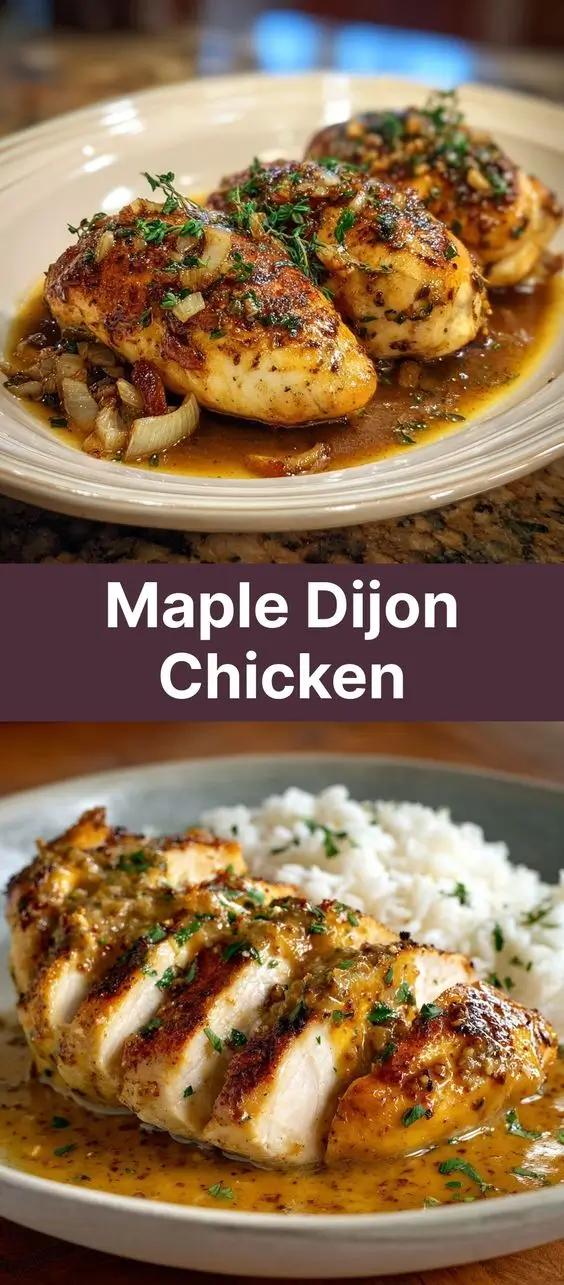
Maple Dijon Chicken: A Sweet and Tangy Delight
Maple Dijon Chicken is a harmonious fusion of sweet, savory, and tangy flavors that has captured the hearts of home cooks and food enthusiasts alike. This dish brings together the rich depth of maple syrup with the sharp bite of Dijon mustard, creating a glaze that perfectly coats tender chicken pieces. Whether you’re preparing a weeknight dinner or hosting a weekend gathering, Maple Dijon Chicken offers an elegant yet simple solution that satisfies both adventurous palates and picky eaters. Its versatility allows it to be served alongside roasted vegetables, mashed potatoes, or even over a bed of fluffy quinoa for a lighter meal. In this comprehensive guide, we’ll explore every aspect of this beloved dish—from its historical roots and ingredient breakdown to step-by-step cooking instructions, variations, health considerations, and frequently asked questions.
The History of Maple Dijon Chicken
While Maple Dijon Chicken may seem like a modern culinary creation, its roots can be traced back to traditional French and North American cooking techniques. The use of mustard in meat preparations dates back centuries in France, where Dijon mustard—named after the town of Dijon in Burgundy—became renowned during the 19th century for its smooth texture and pungent flavor derived from brown or black mustard seeds and verjuice (the acidic juice of unripe grapes). Meanwhile, maple syrup has deep indigenous origins in North America, particularly among the Native American tribes of northeastern regions such as the Algonquin, Iroquois, and Ojibwe peoples, who first discovered how to tap sugar maple trees and boil the sap into syrup.
The marriage of these two iconic ingredients likely emerged in the mid-to-late 20th century, as global cuisines began blending more freely and home cooks experimented with combining regional flavors. Canadian and American chefs were instrumental in popularizing dishes that highlighted local products, and Maple Dijon Chicken became a staple on restaurant menus across New England and Eastern Canada. Over time, the recipe evolved beyond its rustic beginnings, incorporating herbs, garlic, butter, and various cooking methods such as grilling, roasting, and pan-searing. Today, it stands as a symbol of cross-cultural culinary innovation—a delicious testament to how tradition and creativity can come together on a single plate.
Ingredients Breakdown: Understanding Each Component
The magic of Maple Dijon Chicken lies not just in its taste but also in the careful balance of each ingredient. Let’s take a closer look at what goes into crafting this flavorful dish:
- Chicken: Boneless, skin-on or bone-in chicken thighs or breasts are commonly used. Thighs tend to stay juicier during cooking due to their higher fat content, while breasts offer a leaner option. The choice depends on your preference for texture and richness.
- Maple Syrup: Pure maple syrup—not pancake syrup—is essential for authentic flavor. Grade A amber or dark maple syrup works best, offering a robust sweetness with subtle caramel and woody notes. Avoid syrups labeled “maple-flavored” as they contain artificial ingredients and high fructose corn syrup.
- Dijon Mustard: Known for its smooth consistency and sharp, slightly spicy flavor, Dijon mustard acts as both a flavor enhancer and emulsifier in the glaze. It helps bind the sauce and promotes browning when exposed to heat.
- Olive Oil or Butter: Used for searing or sautéing the chicken, olive oil adds a fruity note, while butter contributes a rich, nutty depth. Some recipes call for a combination of both.
- Garlic: Freshly minced garlic provides aromatic complexity and a mild pungency that complements the sweetness of the maple and the tang of the mustard.
- Fresh Herbs: Rosemary, thyme, or sage are often added to enhance earthiness and fragrance. These herbs pair beautifully with the autumnal tones of maple and mustard.
- Lemon Juice: A splash of lemon juice brightens the dish, cutting through the richness and balancing the overall flavor profile.
- Salt and Pepper: Essential seasonings that bring out the natural flavors of all other components.
- Optional Additions: Shallots, onions, white wine, chicken broth, honey (to adjust sweetness), smoked paprika, or apple cider vinegar can be incorporated depending on desired complexity.
Each ingredient plays a crucial role in building layers of flavor, ensuring that no single component overwhelms the others. Together, they form a symphony of taste that defines Maple Dijon Chicken.
Step-by-Step Recipe for Perfect Maple Dijon Chicken
Creating Maple Dijon Chicken at home is surprisingly straightforward, requiring minimal prep work and only about 30–45 minutes from start to finish. Follow this detailed method for consistently delicious results:
Ingredients
- 4 bone-in, skin-on chicken thighs (or boneless chicken breasts)
- 3 tablespoons pure maple syrup
- 2 tablespoons Dijon mustard
- 2 tablespoons olive oil (plus extra if needed)
- 2 cloves garlic, finely minced
- 1 teaspoon fresh rosemary, chopped (or ½ tsp dried)
- 1 teaspoon fresh thyme leaves (or ½ tsp dried)
- 1 tablespoon unsalted butter (optional, for finishing)
- 1 tablespoon lemon juice (about half a lemon)
- Salt and freshly ground black pepper, to taste
- ¼ cup low-sodium chicken broth (optional, for deglazing)
Directions
- Prepare the Chicken: Pat the chicken dry with paper towels—this ensures proper browning. Season generously on both sides with salt and pepper. If using boneless breasts, consider pounding them to an even thickness for uniform cooking.
- Make the Glaze: In a small bowl, whisk together the maple syrup, Dijon mustard, minced garlic, rosemary, thyme, lemon juice, and a pinch of salt and pepper until smooth. Set aside.
- Preheat the Pan: Heat olive oil in a large oven-safe skillet (such as cast iron) over medium-high heat. Once shimmering, carefully place the chicken pieces skin-side down. Do not overcrowd the pan; cook in batches if necessary.
- Sear the Chicken: Cook for 5–7 minutes without moving, allowing the skin to crisp and develop a golden-brown crust. Flip the chicken and sear the other side for 3–4 minutes. Remove the chicken temporarily and set aside on a plate.
- Build the Sauce: Reduce the heat to medium. Pour off excess fat if needed, leaving about 1 tablespoon in the pan. Add the reserved glaze mixture to the hot pan, stirring constantly to prevent burning. Scrape up any browned bits from the bottom of the pan—they add immense flavor.
- Add Liquid (Optional): If the sauce thickens too quickly, pour in chicken broth to loosen it and create a silky pan sauce. Simmer for 2–3 minutes until slightly reduced.
- Return Chicken to Pan: Place the chicken back into the skillet, skin-side up. Spoon some of the glaze over the top of each piece.
- Bake or Finish Cooking: Transfer the skillet to a preheated oven at 375°F (190°C) and bake for 20–25 minutes, or until the internal temperature reaches 165°F (74°C) for breasts or 175°F (80°C) for thighs. Baste halfway through with the pan juices.
- Final Touch: Remove from the oven and let rest for 5 minutes. Stir in cold butter (if using) to give the sauce a glossy sheen and richer mouthfeel.
- Serve: Spoon the warm glaze over the chicken and garnish with fresh herbs and a lemon wedge.
Tips for Success
- Use Real Maple Syrup: Artificial syrups won’t caramelize properly and lack the nuanced flavor needed for a balanced glaze.
- Don’t Rush the Sear: Allow the chicken enough time in the pan to develop a proper crust before flipping. Moving it too soon can cause sticking and tearing.
- Control the Heat: Maple syrup burns easily. Keep the heat moderate once the glaze is added, especially during stovetop simmering.
- Baste Frequently: During baking, basting helps build flavor and keeps the meat moist under the sticky glaze.
- Rest Before Serving: Letting the chicken rest allows juices to redistribute, resulting in more tender and flavorful meat.
- Adjust Thickness: If the sauce becomes too thick, thin it with a splash of water, broth, or cream. For a thicker glaze, simmer longer to reduce.
- Skillet Safety: Always use oven mitts when handling a hot skillet, especially one with a metal handle.
Variations and Customizations
One of the greatest strengths of Maple Dijon Chicken is its adaptability. Here are several creative ways to customize the dish based on dietary needs, seasonal availability, or personal taste preferences:
- Grilled Version: Marinate the chicken in the Maple Dijon mixture for 30 minutes to 2 hours, then grill over medium heat for 6–8 minutes per side. Baste frequently for maximum flavor.
- Slow Cooker Option: Combine all ingredients except butter in a slow cooker. Cook on low for 4–6 hours or high for 2–3 hours. Shred or serve whole, then reduce the liquid on the stove and finish with butter.
- Sheet Pan Dinner: Arrange chicken on a sheet pan with carrots, Brussels sprouts, sweet potatoes, or apples. Drizzle everything with the glaze and roast at 400°F (200°C) for 25–35 minutes, flipping halfway.
- Creamy Twist: After cooking, stir in heavy cream or crème fraîche to turn the pan sauce into a luxurious gravy ideal for serving over rice or pasta.
- Spicy Kick: Add a pinch of red pepper flakes, a dash of hot sauce, or a grated jalapeño to the glaze for a fiery contrast to the sweetness.
- Honey Substitute: Replace part of the maple syrup with honey for a floral twist, though this alters the original character slightly.
- Gluten-Free Friendly: This recipe is naturally gluten-free, provided all ingredients (especially mustard) are certified GF.
- Vegan Adaptation: Use plant-based protein like tofu, tempeh, or seitan. Press and marinate well, then bake or pan-fry until crispy. Adjust cooking times accordingly.
- Smoked Flavor: Use smoked Dijon mustard or add a few drops of liquid smoke to mimic the taste of grilled meats.
- Fruit Pairings: Serve with sautéed apples, pears, or figs for a complementary sweetness and elegant presentation.
Health Considerations and Nutritional Value
Maple Dijon Chicken can be a nutritious addition to a balanced diet when prepared thoughtfully. Below is an analysis of its nutritional profile and tips for healthier adaptations:
Nutritional Highlights (Per Serving – Approximate, Based on 4 Servings with Thighs):
- Calories: ~320–380 kcal
- Protein: 28–32g (excellent source for muscle repair and satiety)
- Fat: 18–22g (mostly unsaturated from olive oil and inherent fats in chicken skin)
- Saturated Fat: ~4–5g (moderate; lower if skin is removed)
- Carbohydrates: ~12–16g (primarily from maple syrup)
- Sugars: ~10–14g (natural sugars from pure maple syrup)
- Sodium: ~400–600mg (can vary based on mustard and added salt)
- Vitamins & Minerals: Good source of B vitamins (B6, niacin), selenium, phosphorus, and iron.
Health Benefits:
- High-Quality Protein: Supports tissue growth, immune function, and sustained energy levels.
- Antioxidants: Maple syrup contains polyphenols with anti-inflammatory properties, though moderation is key.
- Heart-Healthy Fats: Olive oil contributes monounsaturated fats linked to improved cardiovascular health.
- Digestive Aid: Mustard contains compounds that may stimulate digestive enzymes.
Dietary Modifications:
- Lower Sugar: Reduce maple syrup by half and replace with chicken broth or a non-nutritive sweetener like monk fruit syrup. Alternatively, increase mustard ratio for tanginess.
- Low-Sodium: Use low-sodium Dijon mustard and broth, and minimize added salt. Boost flavor with extra herbs and citrus zest.
- Keto-Friendly: Replace maple syrup with a keto-approved sweetener such as erythritol-based syrup blended with molasses extract for color and depth.
- Skinless Option: Remove skin before or after cooking to reduce calories and saturated fat.
- Leaner Cuts: Opt for skinless chicken breast instead of thighs to decrease fat content.
As with any dish containing natural sugars and fats, portion control and mindful pairing with fiber-rich sides (like steamed broccoli or wild rice) will help maintain blood sugar balance and promote fullness.
Frequently Asked Questions (FAQ)
Q: Can I make Maple Dijon Chicken ahead of time?
A: Yes! You can marinate the chicken up to 24 hours in advance. Fully cooked leftovers can be stored in the refrigerator for 3–4 days and reheated gently in the oven or microwave.
Q: Why did my glaze burn?
A: Maple syrup has a low smoke point and caramelizes quickly. To avoid burning, keep the heat at medium or lower once the syrup is introduced, and monitor closely during baking or simmering.
Q: Can I freeze this dish?
A: Absolutely. Cool completely, then store in an airtight container or freezer bag for up to 3 months. Thaw overnight in the fridge and reheat in a covered skillet with a splash of broth to revive moisture.
Q: Is there a substitute for Dijon mustard?
A: Whole grain mustard works well for texture, while yellow mustard lacks depth. Spicy brown mustard is a decent alternative, though it’s less refined in flavor.
Q: Can I use frozen chicken?
A: It’s best to thaw chicken fully before cooking to ensure even searing and safe internal temperatures. Cooking from frozen increases the risk of uneven doneness and excess moisture.
Q: What sides go well with Maple Dijon Chicken?
A: Excellent pairings include garlic mashed potatoes, roasted root vegetables, green beans almondine, wild rice pilaf, arugula salad with apples and walnuts, or crusty bread for soaking up the sauce.
Q: Can I make this dairy-free?
A: Yes—simply omit the butter or replace it with a plant-based alternative such as vegan margarine or omit entirely for a lighter finish.
Q: How do I know when the chicken is done?
A: Use a meat thermometer. Insert into the thickest part without touching bone. Breast should read 165°F (74°C); thighs can go up to 175°F (80°C) for optimal tenderness.
Summary
Maple Dijon Chicken is a delectable blend of sweet maple syrup and sharp Dijon mustard, creating a glossy, flavorful glaze that elevates simple chicken into a gourmet meal. Easy to prepare and endlessly customizable, it’s perfect for everyday dinners or special occasions alike.