Introduction
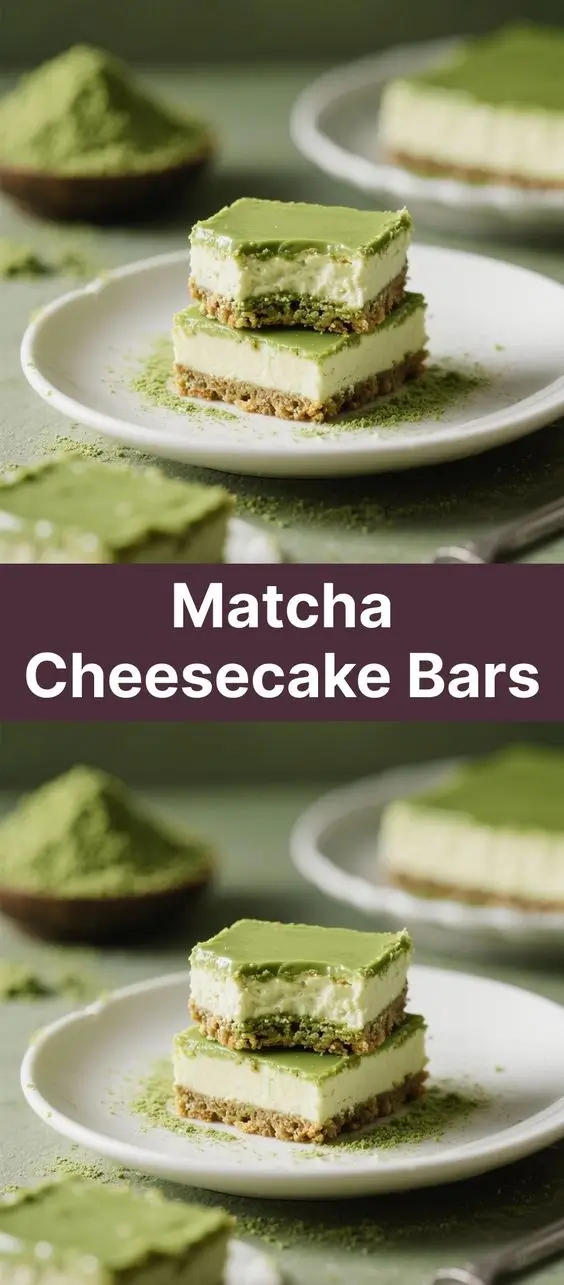
Indulge in the perfect harmony of creamy richness and earthy elegance with these exquisite Matcha Cheesecake Bars. A modern twist on the classic cheesecake, this dessert combines the velvety texture of a New York-style filling with the vibrant green hue and distinct umami flavor of premium matcha green tea. Whether you’re a longtime matcha enthusiast or new to its captivating taste, these bars offer a sophisticated yet approachable treat ideal for afternoon tea, dinner parties, or simply satisfying your sweet cravings. With their buttery graham cracker crust, smooth matcha-infused filling, and delicate finish, Matcha Cheesecake Bars elevate any dessert table into an experience of color, aroma, and flavor.
The History
The story of cheesecake dates back thousands of years, with roots in ancient Greece, where it was served to athletes during the first Olympic Games as a source of energy. Over centuries, the dessert evolved across Europe and eventually made its way to America, where the beloved dense, creamy New York-style cheesecake emerged in the 19th century. Meanwhile, matcha—a finely ground powder of specially grown and processed green tea leaves—has a rich history of its own, deeply embedded in Japanese culture and traditional tea ceremonies dating back to the 12th century. The fusion of these two culinary icons is relatively modern, born from the global rise in popularity of Japanese ingredients and the growing Western fascination with plant-based superfoods. As health-conscious baking trends surged in the 2010s, matcha began appearing in lattes, ice creams, and desserts—including cheesecakes. Matcha Cheesecake Bars represent a delightful convergence: the luxurious American dessert form meets the refined, antioxidant-rich essence of Japanese tea culture, creating a globally inspired confection that’s both nostalgic and refreshingly innovative.
Ingredients Breakdown
Every component of Matcha Cheesecake Bars plays a crucial role in achieving the perfect balance of texture, flavor, and visual appeal. Let’s take a closer look at each ingredient:
- Graham Cracker Crumbs: These form the base of the crust, providing a slightly sweet, toasty foundation that complements the earthiness of matcha. For a gluten-free version, certified gluten-free graham crackers or crushed digestive biscuits can be used.
- Unsalted Butter: Melted butter binds the crumbs together, ensuring a firm yet tender crust that holds its shape when sliced. Using unsalted butter allows better control over the overall salt content.
- Granulated Sugar (in crust): Adds a touch of sweetness to the base, balancing the tang of cream cheese in the filling.
- Cream Cheese: The star of the filling, full-fat block cream cheese (such as Philadelphia) delivers the rich, creamy consistency essential for a luxurious mouthfeel. It’s crucial to use room-temperature cream cheese to avoid lumps.
- Granulated Sugar (in filling): Sweetens the filling while enhancing the structure and smoothness of the baked custard-like texture.
- Eggs: Act as a binder and leavening agent, giving the filling its soft set and slight jiggle. Room-temperature eggs blend more smoothly into the batter.
- Sour Cream: Adds tanginess and moisture, contributing to a silkier texture and preventing the cheesecake from becoming overly dense.
- Pure Vanilla Extract: Enhances flavor complexity, rounding out the sharpness of the cheese and complementing the grassy notes of matcha.
- Matcha Green Tea Powder: This is the soul of the recipe. High-quality ceremonial-grade matcha is recommended for its vibrant color, smooth taste, and lack of bitterness. Culinary-grade matcha works too but may yield a slightly more astringent flavor.
- All-Purpose Flour: A small amount helps stabilize the filling, preventing cracks and improving sliceability without making the bars heavy.
- Salt: A pinch enhances all flavors, balancing sweetness and bringing out the nuanced savoriness of matcha.
- Lemon Juice (optional): A teaspoon can brighten the overall flavor profile, adding a subtle lift to the richness.
Optional garnishes include whipped cream, fresh berries, white chocolate shavings, or a light dusting of additional matcha powder for presentation.
Step-by-Step Recipe
- Prepare the Pan: Line a 9×9-inch square baking pan with parchment paper, leaving overhang on two opposite sides for easy removal. Lightly grease the paper and exposed sides of the pan with non-stick spray or butter.
- Make the Crust: In a medium bowl, combine 1 ½ cups graham cracker crumbs, ¼ cup granulated sugar, and 6 tablespoons melted unsalted butter. Mix until the crumbs are evenly moistened and resemble wet sand. Press the mixture firmly into the bottom of the prepared pan using the back of a spoon or a flat-bottomed glass. Chill in the refrigerator for at least 15 minutes while preheating the oven.
- Preheat Oven: Set oven to 325°F (160°C). Position rack in the center.
- Begin Filling: In a large mixing bowl, beat 24 ounces (three 8-oz blocks) of softened cream cheese with ¾ cup granulated sugar using an electric mixer on medium speed until smooth and fluffy, about 2–3 minutes. Scrape down the sides as needed.
- Add Wet Ingredients: Beat in 1 cup (8 oz) sour cream, 2 teaspoons pure vanilla extract, and optionally 1 teaspoon lemon juice until fully incorporated and smooth.
- Incorporate Eggs: Add 3 large room-temperature eggs one at a time, beating on low speed after each addition just until blended. Overmixing at this stage can incorporate too much air, leading to cracks.
- Add Dry Ingredients: In a small bowl, whisk together 2 tablespoons all-purpose flour, 2 tablespoons high-quality matcha powder, and a pinch of salt. Sift this mixture over the batter to prevent clumping. Gently fold in using a spatula or mix on low speed just until combined. Do not overmix.
- Assemble: Pour the vibrant green batter over the chilled crust, spreading evenly with a spatula to ensure uniform thickness.
- Bake: Place the pan in the oven and bake for 40–50 minutes, or until the edges are set but the center still has a slight jiggle—like Jell-O when gently nudged. Avoid opening the oven door during baking to prevent temperature fluctuations that could cause cracking.
- Cool Gradually: Turn off the oven, crack the door open slightly, and let the bars cool inside for 1 hour. This slow cooling helps minimize cracks and ensures even setting.
- Chill Thoroughly: Remove from oven and cool completely at room temperature. Then refrigerate for at least 4 hours, preferably overnight, to allow the bars to fully set and develop optimal flavor.
- Cut and Serve: Use the parchment overhang to lift the entire slab out of the pan. Place on a cutting board and slice into 12–16 bars using a sharp knife dipped in hot water and wiped clean between cuts for neat edges.
Tips
- Use Room-Temperature Ingredients: Cold cream cheese and eggs lead to lumpy batter. Take them out 1–2 hours before baking.
- Sift the Matcha: Always sift matcha powder with dry ingredients to avoid clumps and ensure even distribution.
- Avoid Overmixing: Once eggs are added, mix only until just combined. Overbeating incorporates air, which can cause puffing and cracking.
- Water Bath Alternative: While traditional cheesecakes often use a water bath, these bars are more forgiving. However, placing a shallow pan of water on the lower rack can add humidity and reduce cracking risk.
- Check Doneness Properly: The center should wobble slightly when shaken; it will continue to set as it cools.
- Sharp Knife is Key: For clean slices, use a thin, sharp knife and wipe it with a damp cloth between cuts.
- Chill Before Cutting: Never attempt to cut warm bars—they’ll fall apart. Patience yields perfect squares.
- Storage Tip: Store leftovers covered in the refrigerator for up to 5 days. They also freeze well for up to 2 months when wrapped tightly in plastic and foil.
Variations and Customizations
Matcha Cheesecake Bars are wonderfully adaptable to dietary needs and flavor preferences:
- Gluten-Free: Substitute graham crackers with gluten-free cookies or almond flour crust (2 cups almond flour + 3 tbsp butter + 2 tbsp sugar). Use gluten-free all-purpose flour in the filling.
- Dairy-Free: Replace cream cheese with high-quality vegan cream cheese (e.g., Kite Hill or Miyoko’s), use dairy-free sour cream alternative, and substitute butter with coconut oil or vegan stick butter.
- Low-Sugar/Keto: Use a sugar substitute like erythritol or monk fruit in both crust and filling. Opt for keto-friendly graham cracker alternatives (almond flour, coconut flour, sweetener, and butter).
- Vegan Version: Combine dairy-free cream cheese and sour cream with flax eggs (1 tbsp ground flax + 3 tbsp water per egg) or commercial egg replacer. Note: texture may be softer.
- Crust Alternatives: Try crushed shortbread cookies, Oreo cookies (for contrast), or a nut-based crust with pecans, walnuts, or macadamias for added richness.
- Flavor Twists: Swirl in raspberry jam, white chocolate ganache, or red bean paste (anko) for an authentic Japanese-inspired touch. Add a layer of matcha whipped cream between crust and filling for extra intensity.
- Mini Bars: Make bite-sized versions using a muffin tin lined with parchment cups—bake for 20–25 minutes.
- Layered Dessert: Create parfaits by layering crumbled bars with matcha mousse and fresh fruit in glasses.
Health Considerations and Nutritional Value
While Matcha Cheesecake Bars are undeniably decadent, they do carry some nutritional benefits thanks to the inclusion of matcha green tea powder:
- Antioxidant Powerhouse: Matcha is rich in catechins, particularly epigallocatechin gallate (EGCG), a potent antioxidant linked to reduced inflammation, improved heart health, and enhanced metabolism.
- Natural Energy Boost: Matcha contains a modest amount of caffeine (about 30–35 mg per serving) combined with L-theanine, an amino acid that promotes calm focus without jitters—ideal for sustained mental clarity.
- Calcium and Protein: Dairy components provide calcium for bone health and protein for satiety.
- High in Fat and Sugar: Traditional recipes are high in saturated fat and added sugars due to cream cheese, butter, and sugar. Moderation is key, especially for those managing cholesterol, diabetes, or weight.
- Dietary Modifications: Health-conscious bakers can reduce sugar, use low-fat dairy (though this may affect texture), or incorporate natural sweeteners. Vegan and gluten-free versions cater to specific allergies and lifestyles.
- Portion Control: Cutting bars into smaller pieces allows enjoyment without overindulgence. One bar (1/16 of pan) typically contains around 220–260 calories, depending on recipe adjustments.
Overall, these bars can be part of a balanced diet when enjoyed mindfully. The presence of matcha adds functional benefits beyond mere flavor, making this dessert both pleasurable and somewhat nourishing.
Ingredients
- 1 ½ cups graham cracker crumbs (about 10 full sheets)
- 6 tablespoons unsalted butter, melted
- ¼ cup granulated sugar (for crust)
- 24 oz (three 8-oz packages) full-fat cream cheese, softened
- ¾ cup granulated sugar (for filling)
- 1 cup (8 oz) sour cream, room temperature
- 2 teaspoons pure vanilla extract
- 3 large eggs, room temperature
- 2 tablespoons high-quality matcha green tea powder (ceremonial grade preferred)
- 2 tablespoons all-purpose flour
- Pinch of salt
- Optional: 1 teaspoon lemon juice
Directions
- Line a 9×9-inch baking pan with parchment paper, leaving overhang on two sides. Grease lightly and set aside.
- Mix graham cracker crumbs, ¼ cup sugar, and melted butter. Press firmly into the bottom of the pan. Chill for 15 minutes.
- Preheat oven to 325°F (160°C).
- In a large bowl, beat cream cheese and ¾ cup sugar until smooth and creamy, about 2–3 minutes.
- Add sour cream, vanilla, and lemon juice (if using); mix until combined.
- Add eggs one at a time, mixing on low after each until just incorporated.
- Sift together matcha, flour, and salt. Fold into the batter until no streaks remain.
- Pour batter over crust and spread evenly.
- Bake for 40–50 minutes until edges are set and center jiggles slightly.
- Turn off oven, crack door open, and let cool inside for 1 hour.
- Cool completely at room temperature, then refrigerate for at least 4 hours or overnight.
- Lift out using parchment and slice into bars with a hot, clean knife.
- Serve chilled, optionally garnished with whipped cream, berries, or a dusting of matcha.
FAQ
Can I use culinary-grade matcha instead of ceremonial?
Yes, culinary-grade matcha works well and is more affordable. However, it may have a slightly more bitter taste and less vibrant color. For best results, choose a bright green powder free of clumps.
Why did my cheesecake crack?
Cracking is usually caused by overmixing, rapid temperature changes, or overbaking. To prevent this, mix minimally after adding eggs, avoid opening the oven door, and allow gradual cooling.
Can I make these ahead of time?
Absolutely! These bars taste even better the next day. Prepare up to 3 days in advance and store covered in the refrigerator.
How do I store leftovers?
Keep in an airtight container in the refrigerator for up to 5 days. For longer storage, wrap individual bars tightly and freeze for up to 2 months. Thaw in the fridge before serving.
Is there a substitute for sour cream?
Plain Greek yogurt (full-fat) can be used as a 1:1 replacement, though it may add slight tanginess.
Can I double the recipe?
Yes, but use a 9×13-inch pan and increase baking time to 50–60 minutes. Adjust ingredient quantities proportionally.
Are Matcha Cheesecake Bars vegetarian?
Yes, as long as all ingredients used are vegetarian-friendly (most standard brands are). For vegan versions, see customization tips above.
Summary
Delicate, creamy, and beautifully green, Matcha Cheesecake Bars blend the luxurious texture of classic cheesecake with the refined, earthy flavor of Japanese matcha. Easy to make and endlessly customizable, they’re a showstopping dessert that delights both the eyes and the palate.